
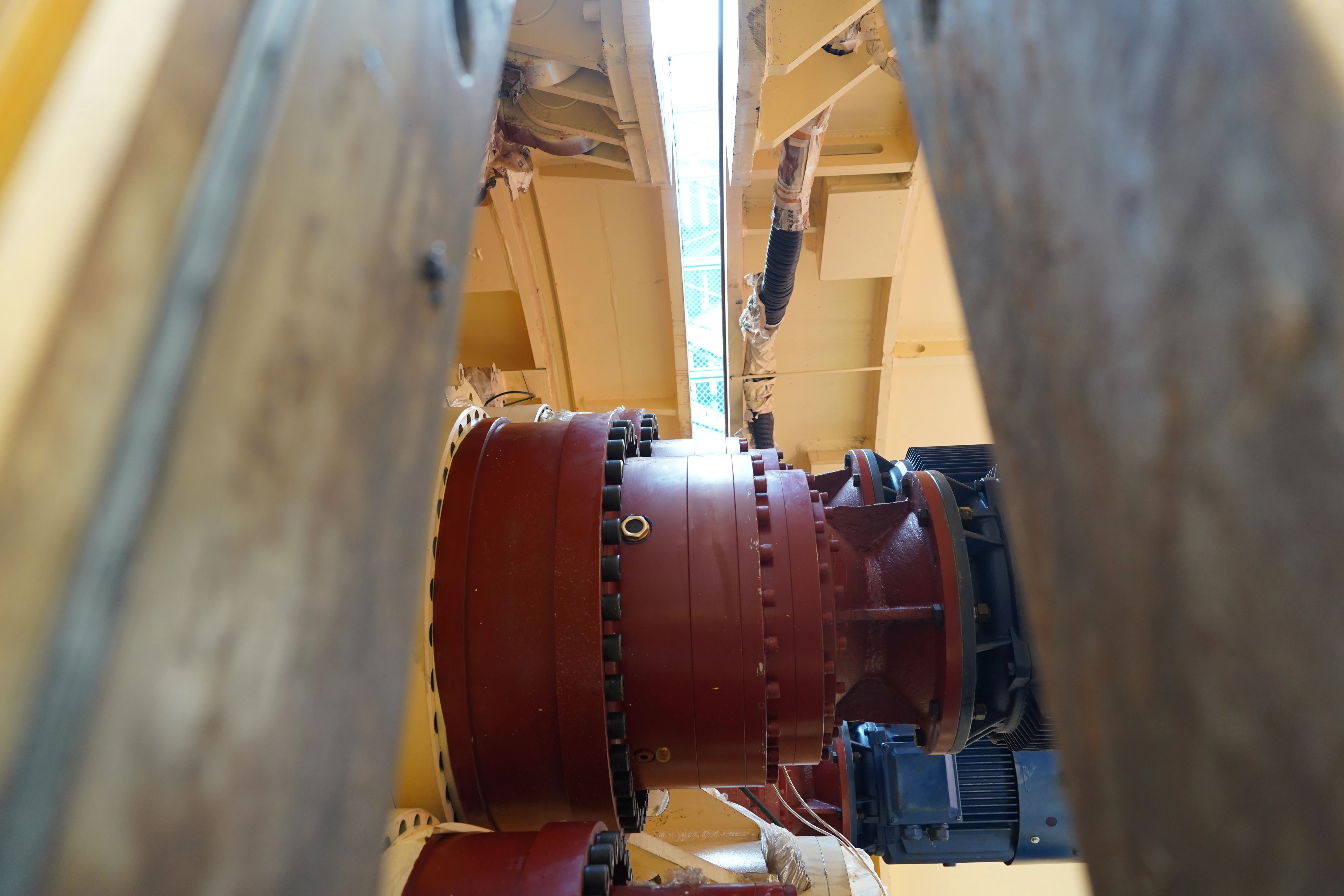
Small radius can raise jacking loads for pipe jacking contractors. It's important to monitor curved alignments as they impose additional stress on pipe joints. Higher jacking loads can lead to increased stress at joints, which can impact safety, costs, and timelines due to potential material failures. Careful planning and thorough checks may be necessary.
-
Joints equipped with packer cushions help distribute stresses evenly from one pipe to the next.
-
CEGC provides tunnel machine solutions that assist you in addressing these challenges.
Key Takeaways
-
Small radius curves make jacking loads go up. This puts more stress on pipes. Watch these loads to stop damage from happening.
-
Use lubrication the right way to cut down friction. This will make jacking loads lower. It helps keep the pipe and tunnel machine safe.
-
Pick the best tunnel machine for your job. A Microtunnelling Machine or TBM works well with small radius curves and high loads.
Jacking loads in pipe jacking projects
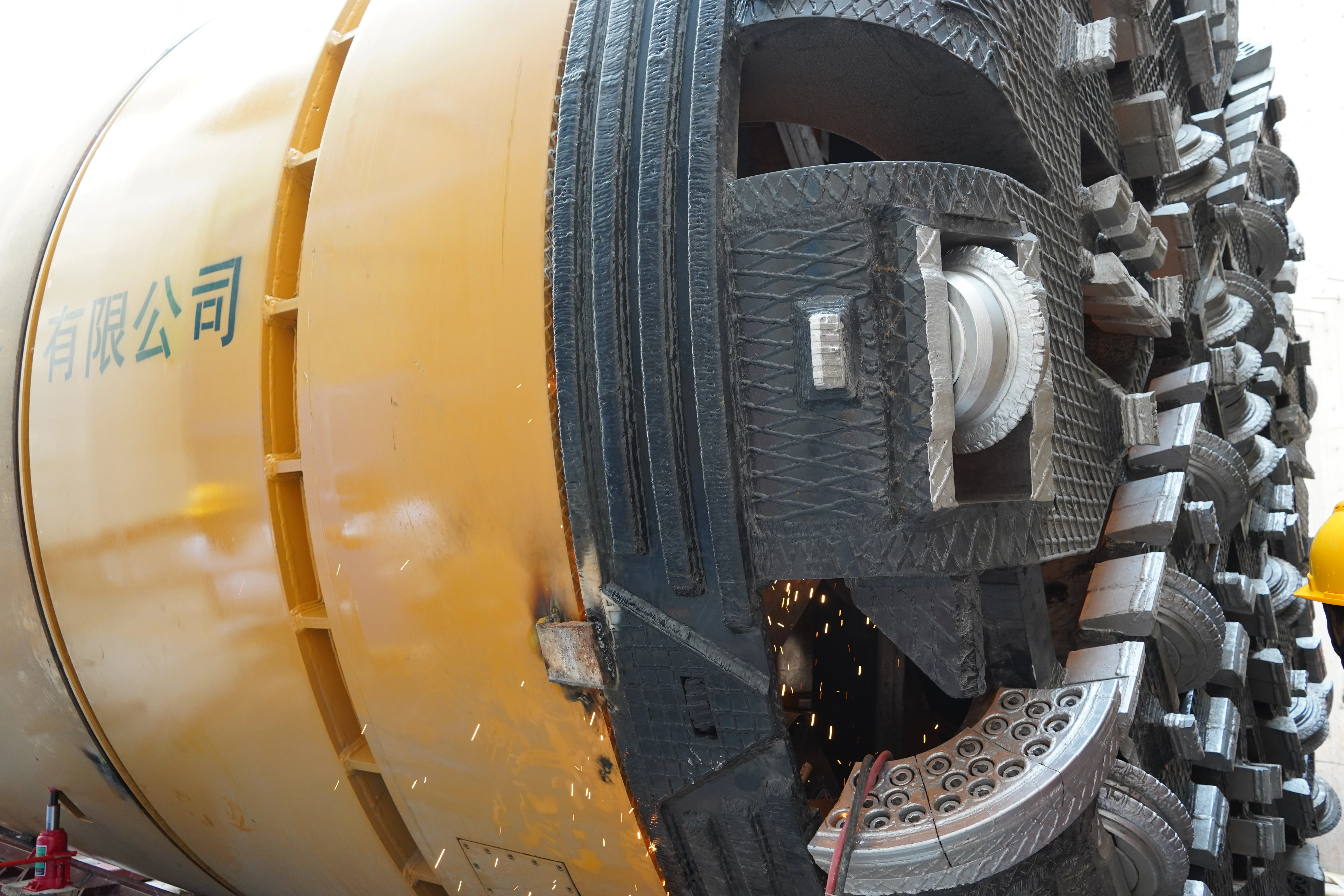
What are jacking loads?
You need to know about jacking loads for pipe jacking. Jacking loads are the force used to push pipes underground. These loads show how much power your tunnel machine needs. The jacking force is very important for pipe jacking jobs. For shallow drives, jacking loads are usually between 70 and 220 tons. Small machines can handle about 200 tons for short jobs in good soil. Big machines can handle 500 to 1,000 tons for longer jobs and harder ground.
Note: Do not go over the pipe manufacturer’s design jacking loads. Always check if the pipe can take all the loads during installation.
Factors affecting jacking loads
Many things can change jacking loads in pipe jacking. Pipe length and diameter are important. Longer or wider pipes need more force. Soil type, shape of soil particles, and how much lubricant you use also matter. If the pipe moves off course, friction goes up and jacking loads get higher. Stopping work can make loads rise, especially in some soils. Lubrication helps lower friction and keeps jacking loads steady.
|
Factor |
Description |
|---|---|
|
Overcut annulus |
More lubricant can change the jacking load. |
|
Work stoppages |
Stopping work can make jacking loads go up. |
|
Geology |
Different soils need different force for pipe jacking. |
|
Misalignment |
Pipe that moves off line makes friction and jacking loads higher. |
Tunnel machine selection and jacking loads
You must pick the right tunnel machine for your project. The tunnel boring machine, Microtunnelling Machine, or auger boring machine you use depends on jacking loads. Each machine works with different loads and ground types. A TBM tunnel boring machine is best for long, curved jobs with high loads. A Microtunnelling Machine fits smaller pipes and medium loads. An auger boring machine is good for short, straight jobs with lower jacking loads. Always match your machine to the jacking loads and soil to keep your project safe and efficient.
|
Characteristic |
Influence on Jacking Loads |
|---|---|
|
Diameter of Pipe |
Changes jacking resistance along the pipe |
|
Material Properties |
Changes jacking resistance |
|
Manufacturing Tolerances |
Changes jacking resistance |
|
Joints |
Controls loads between pipe sections |
Small radius curves can raise jacking loads for pipe jacking contractors
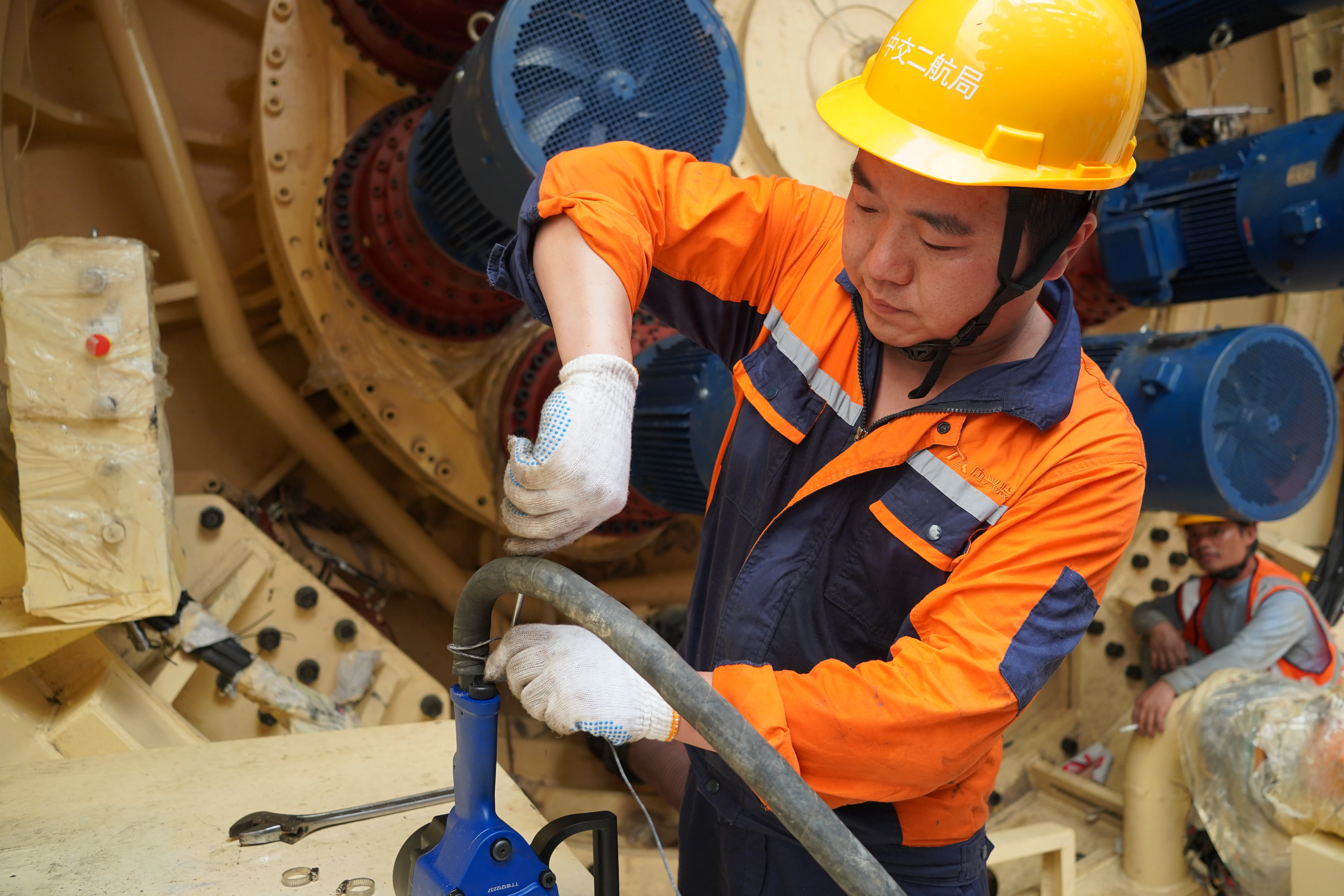
Mechanics of increased loads in curves
When you work on pipe jacking projects, you need to understand how small radius can raise jacking loads for pipe jacking contractors. Curves in the tunnel path change how forces act on the jacking pipe. In a straight line, the jacking force pushes evenly along the pipe. In a curved alignment, the force does not stay centered. The jacking force pushes against the outside of the curve, which increases the pressure on that side. This uneven force makes the jacking pipe face more friction and higher loads.
Mechanical engineering studies show that the highest shear stress happens at the top and bottom of the jacking pipe. Earth pressure in these spots is greater, so friction grows as the jacking distance increases. When you use a tunnel machine in a small radius curve, the jacking force does not line up with the pipe axis. This misalignment causes extra stress, especially on the outer curve. The jacking pipe must handle these new forces, which are much stronger than in straight pipe jacking.
You also see more reaction forces from the tunnel wall. The tunnel boring machine or microtunneling machine must push harder to keep the jacking pipe moving. The pipe may bend or deform if it is not strong enough. The material of the jacking pipe matters a lot. Stiffer pipes can resist bending, but they may also transfer more force to the joints.
-
Small radius can raise jacking loads for pipe jacking contractors because:
-
Friction increases on the outside of the curve.
-
The jacking force becomes misaligned.
-
Reaction forces from the tunnel wall grow stronger.
-
The jacking pipe faces higher risk of bending or deformation.
-
Pipe length, joint articulation, and contact pressure
The length of each jacking pipe and the way the joints move play a big role in small radius curves. Shorter pipes help you make tighter curves, but they also mean you need more joints. Each joint must allow for some movement, or articulation, so the jacking pipe can follow the curve. If the joints are too stiff, the pipe may crack or break. If they are too loose, the jacking pipe may leak or lose alignment.
Contact pressure is another key factor. In small radius curves, the outside of the jacking pipe presses harder against the soil. This pressure can cause wear on the pipe and increase the jacking loads. In long microtunneling projects, you may need to use interjacking systems. These systems use hydraulic devices to push the jacking pipe from several points along the tunnel. They help spread out the force and lower the risk of damage.
Designers of microtunneling projects must think about non-concentric loading. Curves make the jacking force act off-center, which reduces the pipe’s ability to carry loads. Intermediate jacking stations help manage these forces and keep the jacking pipe safe.
Tip: Use shorter pipes and flexible joints for small radius curves. Add interjacking systems in long microtunneling projects to control jacking loads.
Risks: pipe damage, equipment strain, and delays
If you do not manage jacking loads in small radius curves, you face serious risks. The jacking pipe can crack or even break if the force becomes too high. Extra stress on the outside of the curve can cause spalling or leaks. In some cases, like a project in Chongqing, a large concrete jacking pipe ruptured and leaked. The problem started when compressive stress turned into concentrated tensile stress at weak spots in the pipe. This led to fractures and project delays.
Your tunnel machine, whether it is a microtunneling machine or a tunnel boring machine, can also suffer. High jacking loads put more strain on the equipment. Motors, hydraulic systems, and guidance tools may wear out faster. You may need to stop work to fix or replace parts, which adds time and cost.
-
Risks you may face in small radius curves:
-
Pipe cracking or spalling
-
Leaks at joints or along the jacking pipe
-
Equipment breakdowns from high loads
-
Project delays due to repairs or pipe replacement
-
Curved jacking is more complex than straight jacking. You need high-quality guidance systems to keep the jacking pipe on track. Eccentric jacking forces can make the pipe unstable and increase bending stress. If you do not plan for these risks, small radius can raise jacking loads for pipe jacking contractors and cause major problems for your project.
Managing jacking loads in curved alignments
Lubrication and friction reduction
You can make jacking loads lower by using good lubrication. Bentonite and plasticizers help cut down friction by about 25%. If you add polymers, friction can drop even more—sometimes by 75%. This is very useful for curved pipe jacking because friction is higher than in straight lines. Good lubrication keeps the jacking force steady. It also protects the pipe and the tunnel machine.
Tip: Always check what kind and how much lubricant you need for your soil and curve. Better lubrication makes pipe jacking smoother and lowers the chance of pipe damage.
Optimizing pipe and joint design
Picking the right pipe and joint design helps with jacking loads in curves. The table below shows important things to think about:
|
Key Factor |
Description |
|---|---|
|
Eccentric Loading |
Loads move through joints and put extra force on the sides of the pipe. |
|
Joint Articulation |
Flexible joints lower stress from curves. |
|
Pipe Length |
Shorter pipes help with curves but mean more joints, which are weak spots. |
|
Structural Design |
Strong design stops bending and lets you check jacking forces as you work. |
You should use pipes with flexible joints and strong materials. This helps the pipe handle extra force from curves during pipe jacking.
Curve planning and tunnel machine choice
Planning your curve and picking the right tunnel machine are important steps. Steering cylinders help move the pipe and keep it on track. Telescopic stations and main jacking stations help control the push and keep jacking loads safe. New microtunneling machines, like the AVN 800 HR, are made for small curves and high jacking loads.
Advanced guidance systems use lasers, GPS, and gyroscopes to keep your pipe jacking on the right path. These tools help you avoid mistakes and lower the risk of pipe damage.
For expert advice and the best tunnel machine for your project, talk to CEGC. Their team can help you plan, pick equipment, and manage jacking loads for safe and efficient pipe jacking.
Small radius curves in pipe jacking make jacking loads go up. This also makes it more likely for pipes to get damaged. You must plan carefully and pick the right tunnel machine. It is important to keep checking the project as you work. This helps you see changes in stress and pressure. Look at the table below to find the main things to watch. Ask CEGC for help to keep your pipe jacking safe and working well.
|
Parameter |
Observation |
|---|---|
|
Contact Pressure |
Pressure is not even; the top has a bit more than the bottom. |
|
Pipe Stress |
Jacking force changes pipe stress; hoop stress comes from ring load. |
|
Stress Concentration |
Inside the curve, compression and stress build up in one spot. |
|
Monitoring Importance |
Watching data as you work helps you make changes. |
FAQ
Can you use an auger boring machine for curved pipe jacking?
You should not use an auger boring machine for tight curves. It works best for tunnels that are straight or only a little curved.
What is the best tunnel machine for small radius curves?
You should pick a Microtunnelling Machine or a TBM tunnel boring machine. These machines are good for tight curves and can handle higher jacking loads.
How do you lower jacking loads in curved alignments?
You can use more lubrication, shorter pipes, and flexible joints. These steps help lower friction and keep your project safe.


