
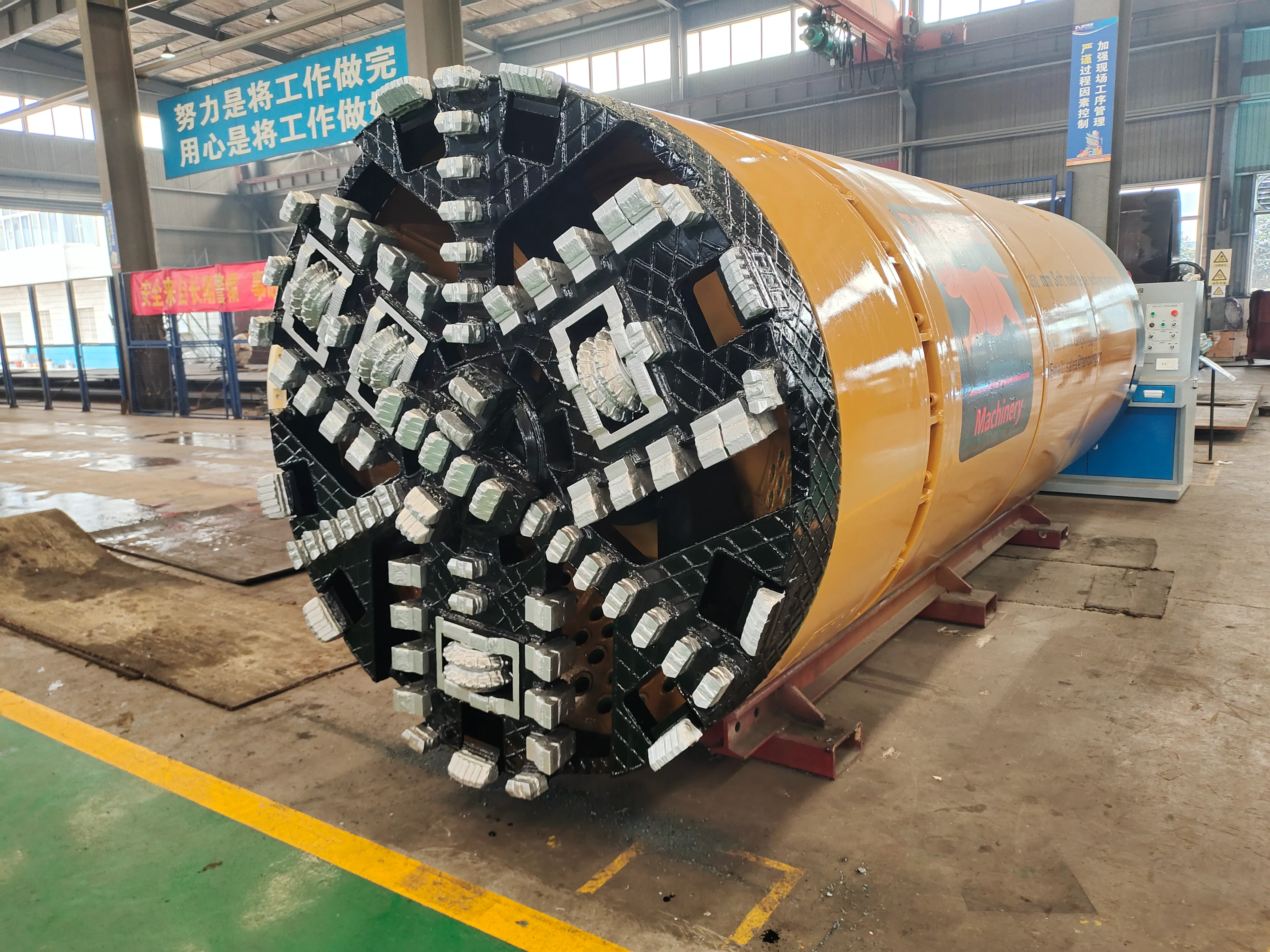
Over 90% of new metro tunnels utilize a tunnel boring machine. These machines are essential for constructing tunnels in urban areas. CEGC provides advanced tunnel machine solutions to numerous countries. Tight yaw control can protect the TBM tunnel schedule, reducing alignment mistakes and minimizing downtime. This ensures that your tunnel project progresses smoothly and efficiently.
Reliable tunnel alignment begins with careful yaw control.
Key Takeaways
-
Tight yaw control helps the tunnel boring machine stay on track. It lowers expensive errors and makes sure the project finishes on time.
-
Real-time monitoring and automated systems find mistakes fast. They fix problems quickly, so work goes faster and delays are less.
-
Training your crew in good methods and technology is very important. It keeps yaw control strong and helps the project do well.
What is yaw control in TBM tunneling
Yaw control and tunnel alignment
Yaw control means watching how the tunnel boring machine turns around. It is about keeping the TBM facing the right way as it moves. If the TBM turns too much or not enough, the tunnel can go off course. This can make the ground sink and add more work for builders. Studies say that yaw problems can change how the ground settles during tunnel work. When you control yaw well, you lower the chance of ground loss. You also keep the tunnel safe and strong.
Yaw control stops expensive mistakes and keeps your tunnel straight.
Yaw control is very important for tunnel alignment. If the TBM does not stay on the planned path, you might have to stop and fix things. This takes extra time and money. Good yaw control helps the TBM stay on schedule by stopping problems before they start.
Role in TBM machine performance
Yaw control also changes how well the tunnel machine works. Problems with steering, ground movement, and heavy pushing can make the TBM go the wrong way. Automated steering and smart navigation tools help control yaw. They change the TBM’s direction right away and help workers make fewer mistakes. These systems make the tunnel more accurate and cut down on lost time.
-
The tunnel is smoother.
-
You do not need to redo work.
-
The project finishes faster.
Good yaw control helps the TBM stay on schedule by making the machine work better. Your project keeps moving and you do not get delayed.
Tight yaw control can protect the TBM tunnel schedule
Preventing misalignment and rework
You want your tunnel to finish on time. If the TBM does not stay on the right path, many problems can happen. The tunnel might get blocked or water may not flow well. You might have to pay more for repairs or fixing things. Sometimes, work must stop so workers can fix the tunnel. This can make the whole project late. People might argue about who should pay for these mistakes, which can slow things down.
-
Misalignment makes the tunnel work less well.
-
You might need to fix or rebuild parts of the tunnel.
-
Delays and extra costs can happen.
-
Arguments about who is responsible can stop progress.
Tight yaw control helps keep the TBM on track. You do not have to redo work, so you save money. Your project keeps moving forward. When you use tight yaw control, your team can finish the tunnel faster and with fewer problems.
Real-time monitoring and automated systems
You can use real-time monitoring to keep the TBM on course. Modern TBMs have sensors like gyroscopes and smart navigation tools. These systems check where the machine is every second. If the TBM starts to turn the wrong way, the system can fix it right away. Some projects use computer programs that learn from the ground and help guide the TBM. This means you do not have to control everything by hand.
A real-time control system can see changes in the ground and change the TBM’s path. This keeps the tunnel straight and stops mistakes. Automated systems help you fix problems fast. You save time and avoid delays. Tight yaw control helps you always know where your machine is and where it needs to go.
Tip: Use automated monitoring to find small errors before they turn into big problems.
Navigating complex urban environments
Building tunnels in cities is hard. You must avoid buildings, roads, and other tunnels. The TBM sometimes needs to turn sharply or follow a curvy path. Tight yaw control helps you steer through these tough spots. With good yaw control, you can handle sharp turns and keep the tunnel safe.
CEGC makes tunnel machines that work well in busy cities. Their TBMs use smart steering and monitoring systems. You get help from experts who know how to keep your project on time. When you use tight yaw control, you can finish your tunnel without causing problems above ground.
You can see that tight yaw control helps the TBM tunnel schedule in many ways:
|
Challenge |
How Tight Yaw Control Helps |
|---|---|
|
Misalignment |
Keeps tunnel on planned path |
|
Urban obstacles |
Allows safe, accurate navigation |
|
Schedule delays |
Reduces need for rework and stoppages |
You want your tunnel project to do well. Tight yaw control helps by stopping mistakes, cutting downtime, and making progress steady.
Strategies for achieving tight yaw control
Technology and monitoring solutions
You need good technology to keep your tunnel boring machine moving straight. Modern systems use sensors and controllers to help steer the TBM. Laser-based targeting systems show you the TBM’s position very clearly. These lasers still work even if the ground shakes. Two-axis gravity-referenced inclinometers measure pitch and roll angles fast. Using both methods together makes the system more accurate and reliable.
Here is a table with some advanced technology solutions:
|
Technology Solution |
Description |
|---|---|
|
Indirect Adaptive Robust Trajectory Tracking Control |
Handles changes in the path when loads change or conditions get tough. |
|
Double Closed-Loop Control Strategy |
Works with loads that are not steady and tricky factors. It has worked well in tests. |
|
Fuzzy PID Controller |
Changes the TBM’s direction and position for better control in hard places. |
Manufacturers now make new tools like servo inclinometers and sensor units that work together. These tools help keep the TBM on its planned path. You get updates right away, so you can fix small mistakes before they get worse. Tight yaw control helps protect the TBM tunnel schedule by using these smart tools.
Crew training and best practices
You need a trained crew to use these systems the right way. Training helps your team read sensor data and make quick choices. Best practices mean checking equipment often and following clear steps. You should help your crew learn new things and keep up with new technology.
Getting better all the time is important. Guidance systems should improve as you work. Accurate attitude detection keeps your tunnel safe and working well. Help from skilled TBM suppliers like CEGC gets your team ready for new problems. You make your project stronger when you focus on training and technology.
Tip: Train your crew often and update your technology to keep your tunnel boring machine on track and your schedule safe.
Tight yaw control helps your TBM tunnel project stay on schedule. You do not waste money fixing mistakes. You also do not have to redo work. Your team can finish the tunnel when they plan to, even in crowded cities.
-
There are less stops.
-
The work goes more smoothly.
-
You can trust the results.
Pick advanced TBM solutions from CEGC to keep your tunnel project on time.
FAQ
How fast can a tunnel boring machine dig?
You can expect a TBM to dig between 10 and 20 meters each day. The speed depends on ground conditions and machine type.
Why does yaw control matter for tunnel projects?
Yaw control keeps your tunnel straight. You avoid costly mistakes and finish your project on time. Good yaw control protects your schedule.
Tip: Use real-time monitoring to catch small errors early.
What is the largest tunnel boring machine in the world?
The largest TBM has a diameter over 17 meters. You can use it for big projects like metro tunnels and water pipelines.


