
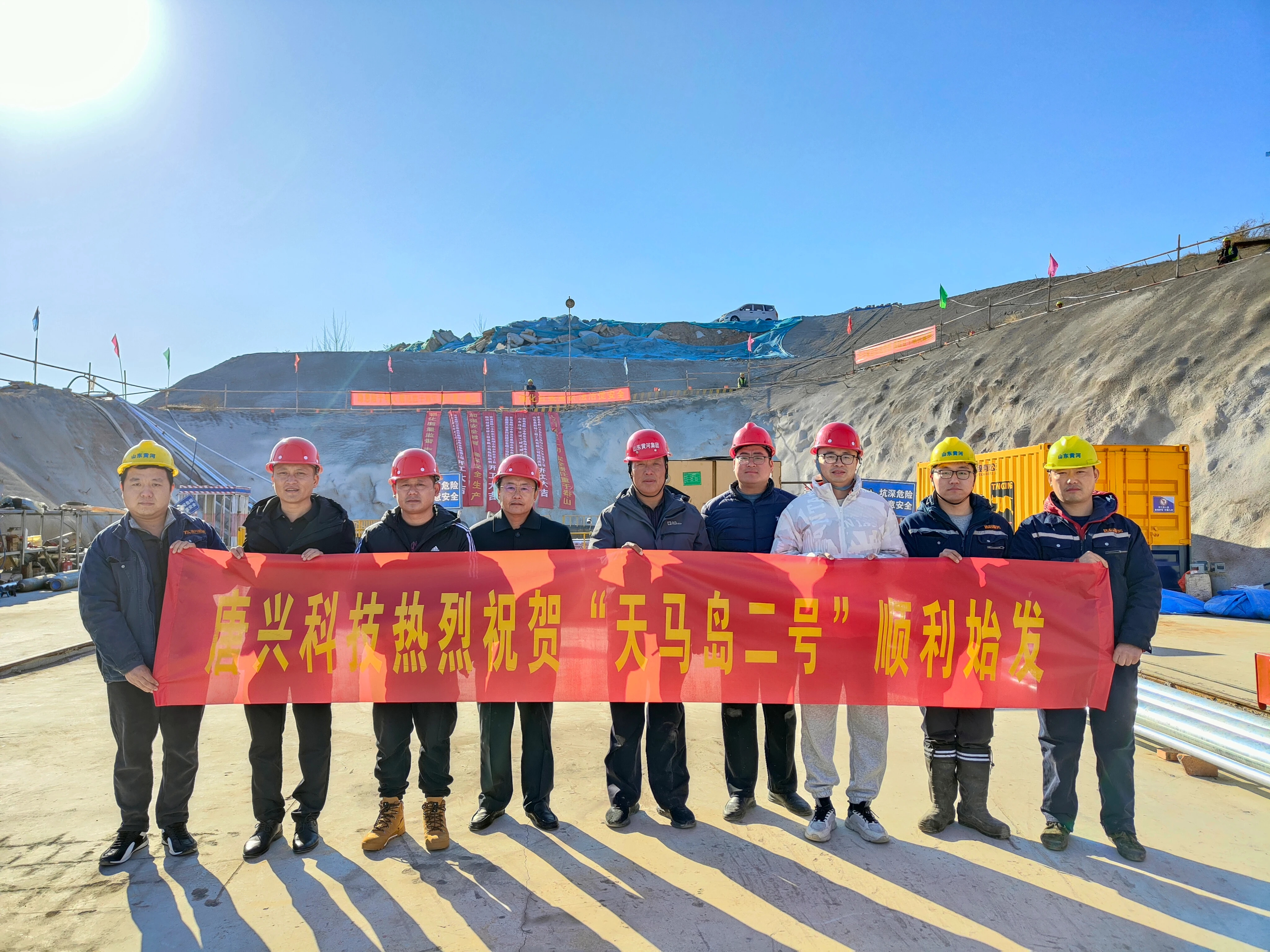
Torque control reduces seal shock on the TBM machine, providing steady torque to prevent force spikes. This results in less damage to seals, allowing your TBM to operate longer with fewer repairs. CEGC offers market-standard specifications and customizable options for every TBM, including microtunnelling machines and auger boring TBM machines.
Key Takeaways
-
Torque control keeps power steady in TBM machines. This lowers seal shock and makes seals last longer.
-
Watching geological parameters helps guess when seal shock might happen. This lets workers act early to keep seals safe.
-
Using torque control systems can cut maintenance costs and downtime a lot. This makes TBM machines work better overall.
Seal shock in TBM machines
What causes seal shock
Seal shock happens when sudden force changes hit the seals inside your tbm. You see this most often when the tbm faces tough geological parameters. Hard rocks, mixed soils, or water-bearing layers can all change the pressure on the seals. When the tbm cutterhead meets a new layer, the geological parameters shift. This shift can cause a spike in force. The seals must handle these shocks every time the tbm moves through different geological parameters. If you do not control the torque, the tbm will send uneven forces to the seals. These shocks can wear out the seals faster.
Tip: Always monitor geological parameters before and during tbm operation. This helps you predict when seal shock might happen.
Effects on TBM performance
Seal shock can hurt your tbm in many ways. First, it can cause leaks. When the seals break down, water and soil can enter the tbm. This can stop your work and make repairs necessary. Second, seal shock can slow down your project. If you need to replace seals often, your tbm will spend more time stopped than moving. Third, seal shock can raise your costs. You will buy more seals and spend more on labor. The tbm must work with many geological parameters, so you need strong seals and good control. CEGC’s sealing and pressure retention architecture helps your tbm handle changing geological parameters. This system keeps the seals safe, even when the geological parameters change quickly. You get better performance and less downtime.
Torque control reduces seal shock on the TBM machine
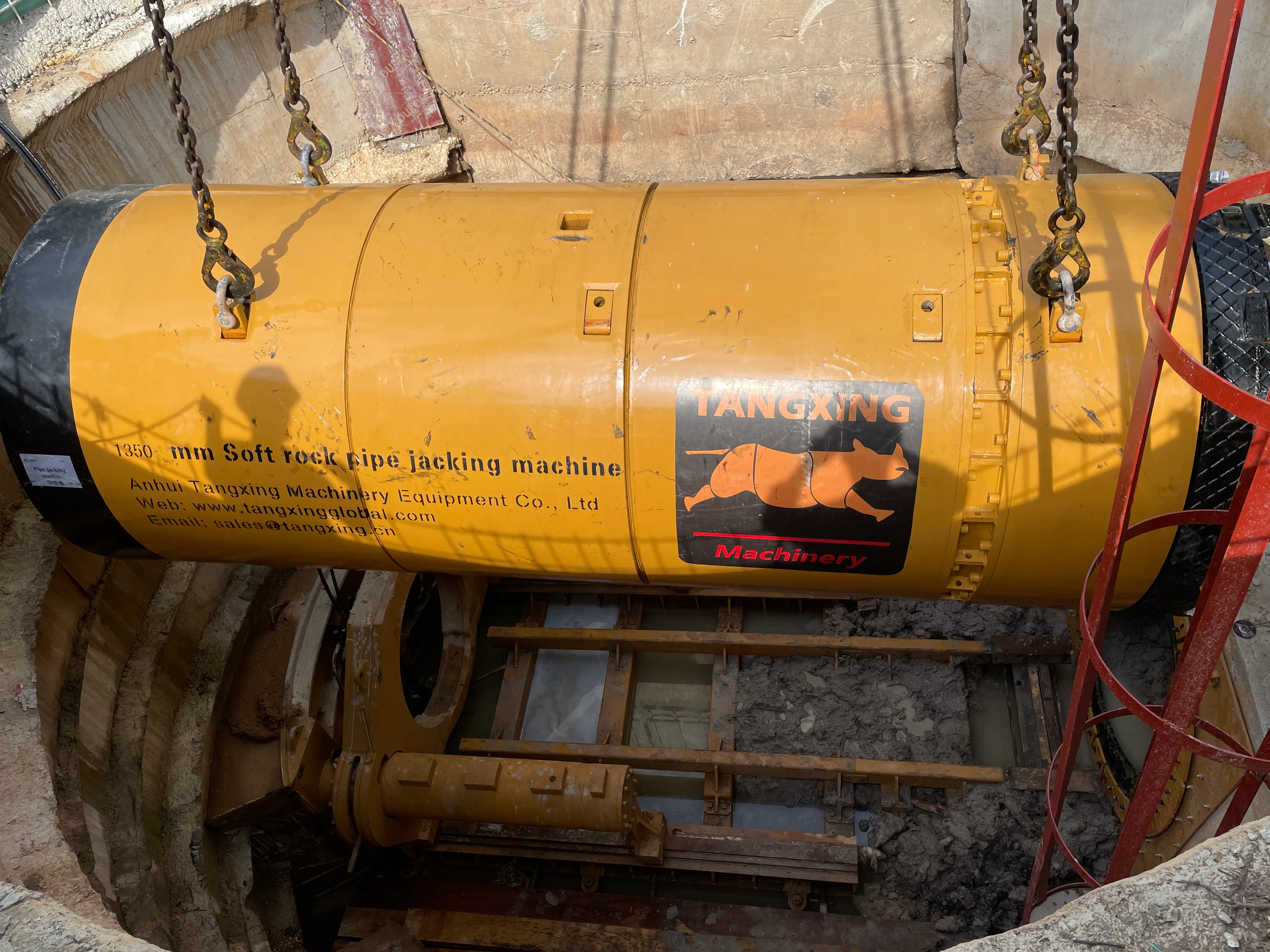
How torque control works in TBM
A tunnel machine needs to work in tough ground. It must keep running without trouble. Torque control reduces seal shock on the tbm machine by keeping the power steady. The cutterhead faces different soils and rocks. If torque changes fast, seals inside the tbm get hit with sudden force. This can cause damage and leaks.
The main parts that help with torque control are gears, hydraulic cylinders, and control systems. The tbm uses a small planetary gear system. This system has sun, planet, and ring gears. It gives strong torque with high efficiency and little backlash. The gear system powers the cutterhead and erector arm. Both parts work smoothly.
|
Feature |
Description |
|---|---|
|
Gear Arrangement |
Compact planetary gears with sun, planet, and ring gears |
|
Torque Delivery |
High output torque, high efficiency, minimal backlash |
|
Application in TBMs |
Powers cutterhead and erector arm |
|
Vibration Management |
Smooth operation, less vibration, less shock to seals |
Hydraulic cylinders must work together. The tbm uses master-slave PID control to keep them in sync. This system checks pressure and movement all the time. It keeps torque stable, even when the ground changes. The closed-loop control system stops sudden jumps in force.
Note: Using a tbm with good torque control means less vibration and fewer shocks. This keeps the seals safe. Your tunnel machine lasts longer.
Minimizing force changes for seal protection
Torque control reduces seal shock on the tbm machine by stopping force spikes before they reach the seals. The right mechanical couplings connect rotating shafts and transfer torque smoothly. These couplings handle small misalignments and cut down on vibration. This is important in tight spaces where a tbm works.
-
Torque control reduces seal shock on the tbm machine by:
-
Managing cutter-head torque and jack speeds for steady performance
-
Helping the tbm break rock and soil more easily, which lowers wear on the cutter tools
-
Keeping the torque stable, so you get faster construction and fewer breakdowns
-
You can protect seals by picking the right cutter arrangement and setting the right excavation parameters. If you keep the penetration depth below 5 mm, you lower force on cutters and seals. This means less wear and longer life for your tbm.
CEGC gives you more choices for torque control. You can pick the torque reserve, cutterhead design, and type of protection for abrasive ground. The high-efficiency cutting and wear management system from CEGC helps your tbm work better and last longer. You get a tunnel machine that meets market standards and fits your project needs.
When you check how well torque control reduces seal shock on the tbm machine, look at these key points:
-
Torque (T)
-
Penetration (p)
If you keep these numbers steady, your tbm will have fewer seal shock problems. You will spend less time fixing things and more time moving forward.
Operational benefits for TBM machines
Improved reliability and maintenance
You want your tbm to run well and not stop often. Torque control systems help make this happen. When you use torque control, your tbm breaks down less. There is less downtime that you did not plan for. Studies show that doing regular maintenance stops over 40% of failures. You also cut downtime by 60%. This means your tbm digs more and waits less for repairs. With good maintenance, pumps and seals last longer. You spend less money on parts and fixing things. Reliability checks help you know when to look at and fix your tbm. This way, you pay less and your tunneling goes better.
Real-world results and examples
Many projects use torque control to work better. You can see the good results in numbers. New tbm machines use smart systems to work faster. These systems change digging settings as the tbm works. This helps the tbm dig faster and do a better job. Projects can also pick what works best for them. For example, CEGC gives torque control choices for your project. You can pick the cutterhead design and how much torque you need. T2 Ultra Precision Shaft Style Rotary Torque Transducers let you check torque while digging. The BX8-AS BlueDAQ Series gives real-time data so you can change things fast. Multi-axis sensors help steer and keep the tbm on the right path. These tools help your project work better and keep the tbm moving.
|
Feature |
Benefit for TBM Projects |
|---|---|
|
Real-time torque monitoring |
Faster response, fewer breakdowns |
|
Custom torque control settings |
Better fit for each tunneling project |
|
Automated excavation parameter optimization |
Higher tbm penetration rate |
You get seals that last longer, less downtime, and lower costs. Each step makes your tunneling and building work better.
You see how torque control protects seals in your tbm. This feature boosts reliability and lowers maintenance. You get better results on every tbm project. Torque control helps you choose the right tbm for tough ground. CEGC offers tbm solutions that fit your needs and keep your seals safe.
FAQ
How does torque control affect cutter head speed in a tbm?
Torque systems help you control cutter head speed. This makes your tbm more stable. The tunnel stays smooth and safe. Excavation is easier. Seals last longer because there are fewer shocks.
Can artificial intelligence in tunnel construction improve fault detection in tbm performance?
Artificial intelligence helps find problems early in tunnel construction. It spots faults in tbm performance quickly. You can fix issues fast. This keeps your tbm working without stopping.
What are the main benefits of torque control for tbm reliability?
Torque control means less downtime for your tbm. Your machine works longer without stopping. You spend less money fixing things. Cutter head speed stays steady. Seals are protected. Tunnel stability and excavation get better.


