
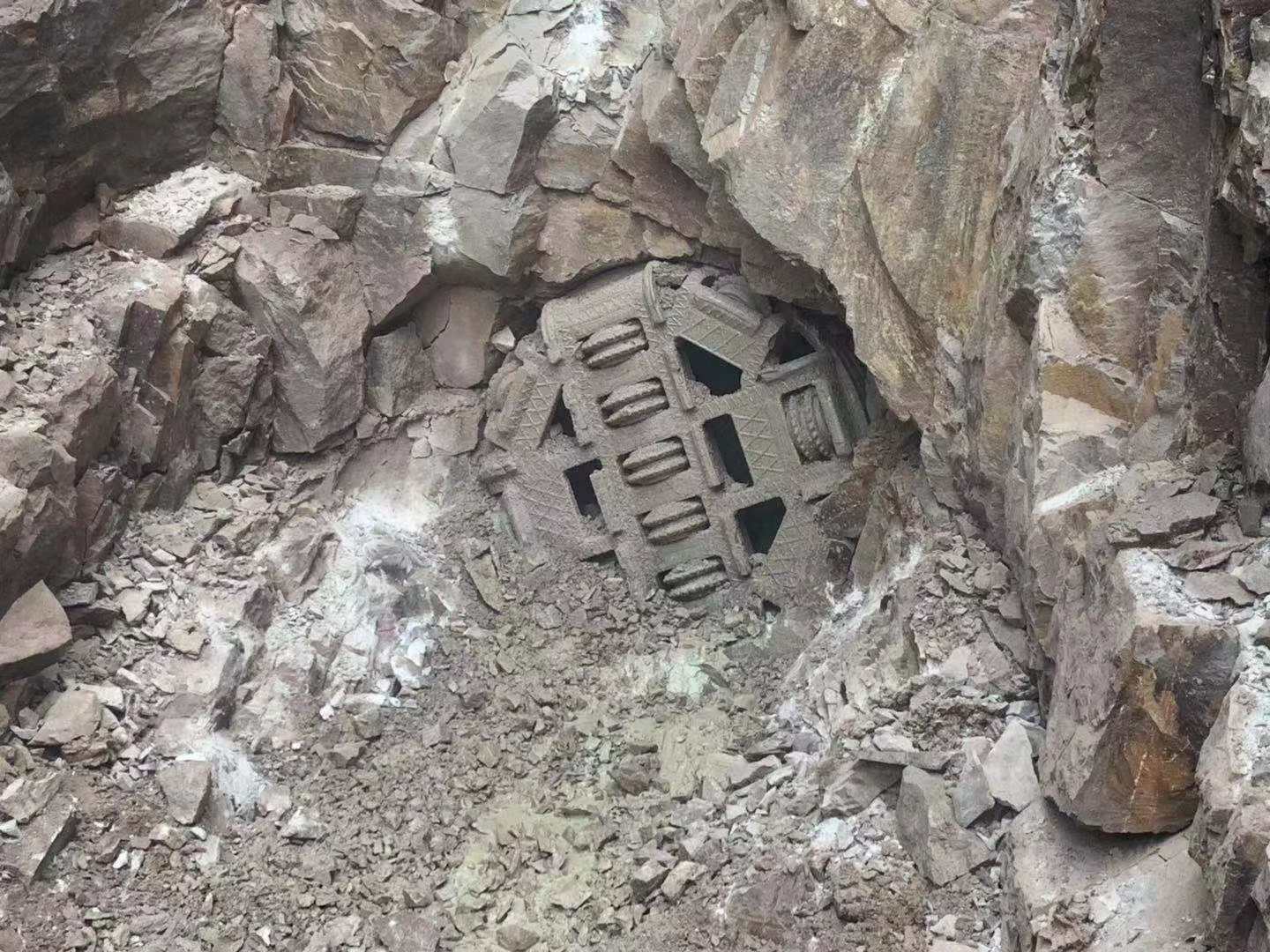
You can see that a tbm tunnel needs torque stability more than peak torque. Changing the torque in real time helps you stop jams and keeps your tunnel boring machine working. Research shows a tbm tunnel needs torque stability more than peak torque for safety, to work well, and to finish the project. CEGC gives answers because a tbm tunnel needs torque stability more than peak torque.
-
A tbm tunnel needs torque stability more than peak torque when you hit hard rock, because drilling does not get faster with more torque.
-
Torque stability helps you find dangers early and stop sudden stops, which helps you keep your tunnel going.
|
Description |
Impact |
|---|---|
|
Keeps your tunnel safe and working well |
|
|
Interchangeable tools |
Help you change for new ground |
|
Immediate support |
Stops your tunnel from falling in |
A tbm tunnel needs torque stability more than peak torque for steady results.
Key Takeaways
-
Torque stability is very important for safe and easy tunneling. It stops jams and helps the tunnel boring machine (TBM) work well.
-
Watching cutterhead torque all the time helps find problems early. This lowers risks and keeps tunneling moving forward.
-
Picking the right TBM with good torque control makes it work better. It helps dig faster and cuts down on waiting time.
Why a TBM tunnel needs torque stability more than peak torque
Torque stability vs. peak torque
It is important to know the difference between torque stability and peak torque. Torque stability means the cutterhead uses steady force while digging. Peak torque is the highest force the cutterhead can use for a short time. In tunneling, you want the cutterhead to use steady torque, not just reach a high number once.
When you use a TBM, auger boring machine, or microtunnelling machine, you check torque stability by watching cutterhead torque and jack speeds. These numbers show if the cutterhead works smoothly. If torque goes up and down, the cutterhead can get stuck or break. If torque stays steady, digging is better and safer.
You can see why torque stability matters by looking at tunneling parameters:
|
Parameter |
Mean Absolute Error (MAE) |
Mean Absolute Percentage Error (MAPE) |
|---|---|---|
|
Rotation Speed (n) |
0.10 r/min |
1.09% |
|
Advance Rate (v) |
3.4 mm/min |
4.50% |
|
Thrust (F) |
270 kN |
N/A |
|
Torque (T) |
178 kN·m |
N/A |
You need to keep these numbers steady so the cutterhead works well. Stable torque lets you control cutterhead-soil interaction and keeps digging going without stops.
Impact on tunneling performance
Torque stability helps you get better tunneling results. When cutterhead torque stays steady, you get smooth digging, face stability, and segment installation. If torque changes too much, the cutterhead can slip or jam, and the tunnel face can become unsafe. This can cause ground to settle or water to rush in.
Check this table to see how stress changes around the tunnel:
|
Distance to section |
Maximum principal stress value of surrounding rock (MPa) |
|---|---|
|
− D |
− 23 |
|
− 0.5D |
− 26 |
|
0D |
− 28 |
|
0.5D |
− 29 |
|
1D |
− 32 |
|
2D |
− 34 |
|
3D |
− 35 |
|
4D |
− 35 |
You need to match support speed with digging speed. If torque stays steady, you can control cutterhead-soil interaction and avoid sudden stress changes. This keeps the tunnel safe and digging efficient.
In mixed ground or city tunnels, high cutterhead torque and big torque changes can slow work. The Mixed-face Torque Penetration Index (MTPI) shows stable torque is key for good tunneling. When torque stays steady, digging is faster and there are fewer problems.
You also need to think about segment installation and tunnel alignment. Using the right torque stops leaks, weak joints, or tunnel shifts. Software helps plan the best way to install segments and checks for ring deformation. This keeps the tunnel strong and straight.
Cutterhead wear and operational risks
If cutterhead torque stays steady, you protect the cutterhead from too much wear. When torque jumps up and down, the cutterhead faces more shock and stress. This can break the cutterhead or make it wear out faster. You want cutterhead-soil interaction to stay smooth so you do not stop for repairs.
You can use advanced monitoring systems to watch cutterhead torque and ground conditions in real time. These systems help you make smart choices and avoid risks. Some TBM machines use AI to improve tunneling precision and predict when you need maintenance. This can cut downtime by 20%.
You can also use soil conditioning to help the cutterhead move through tough ground. The Earth Pressure Balance (EPB) method uses foam, polymer, and bentonite to make soil easier for the cutterhead to cut. This reduces torque and cutterhead wear. Projects like MetroSur and the M30 motorway show soil conditioning can cut cutterhead torque by up to 70%. This means you get better digging and less downtime.
CEGC gives technical solutions to help keep torque stable. Closed-mode face support keeps the tunnel face safe in soft or wet ground. Soil conditioning and muck transport systems help control cutterhead-soil interaction and keep digging steady. Stable torque drive matching makes sure the cutterhead gets the right force at the right time.
When you focus on torque stability, you get safer, faster, and cheaper TBM tunneling. You protect your cutterhead, keep digging moving, and get better results for your project.
Torque stability in tunneling: risks, benefits, and recommendations
Risks of peak torque focus
There are real dangers if you only care about peak torque in a tbm tunnel. If you use too much peak torque, the cutterhead can get overloaded. This can make mud build up on the cutterhead and cause jams. When torque suddenly gets high, the tbm might stop fast. These stops can be dangerous for your team. Many reports say high cutterhead torque comes before a jam. You need to watch cutterhead torque to stop these problems. Fast changes in torque can break the cutterhead or other parts. Keeping torque steady helps protect your tbm and your workers.
Real-world benefits of torque stability
You get better results when torque stays steady in your tbm tunnel. In city projects, steady torque helps you control mud on the cutterhead and keeps the tunnel safe. You can see the good things in this table:
|
Technology |
Description |
Benefits |
|---|---|---|
|
TBM |
Improves efficiency and safety |
|
|
Torque Transducers |
Measures cutterhead torque in real time |
Optimizes performance and steering |
|
Multi-axis Sensors |
Tracks cutterhead position and movement |
Ensures accurate and safe tunnel excavation |
When you dig in mixed ground or wet places, steady torque helps mix soil and keeps the tunnel face strong. You stop mud from building up and lower cutterhead torque spikes. This means you have fewer delays and safer work.
TBM selection and operation tips
Pick a tbm that lets you control cutterhead torque. Find machines with smart cutterhead design and more than one drive system. These things help keep torque steady and stop mud from building up. Use sensors to check cutterhead torque and change your digging speed. CEGC gives special help for your tunnel machine. They help you plan, pick tools, and train your team. Their help keeps torque steady and your project safe.
Tip: Always check cutterhead torque and mud on the cutterhead while you work. This keeps your tbm working well and keeps your team safe.
You should pay attention to torque stability for good TBM tunneling. Watching torque lets you find cutterhead issues early. This helps keep tunneling safe. Checking torque often keeps your cutterhead working well. CEGC gives standard and custom solutions for torque control. These help you get better results and less risk.
FAQ
What is torque stability in a tunnel boring machine?
Torque stability means your TBM uses the same force on the cutterhead. This helps the machine dig without stopping or getting stuck.
Why should you choose torque stability over peak torque?
Torque stability makes tunneling safer and more dependable. It keeps the cutterhead safe, lowers time lost, and helps you finish the job on time.
How does CEGC help you achieve torque stability?
CEGC gives you closed-mode face support, soil conditioning, and stable torque drive matching. These solutions help your tunnel machine stay safe and work well.


