
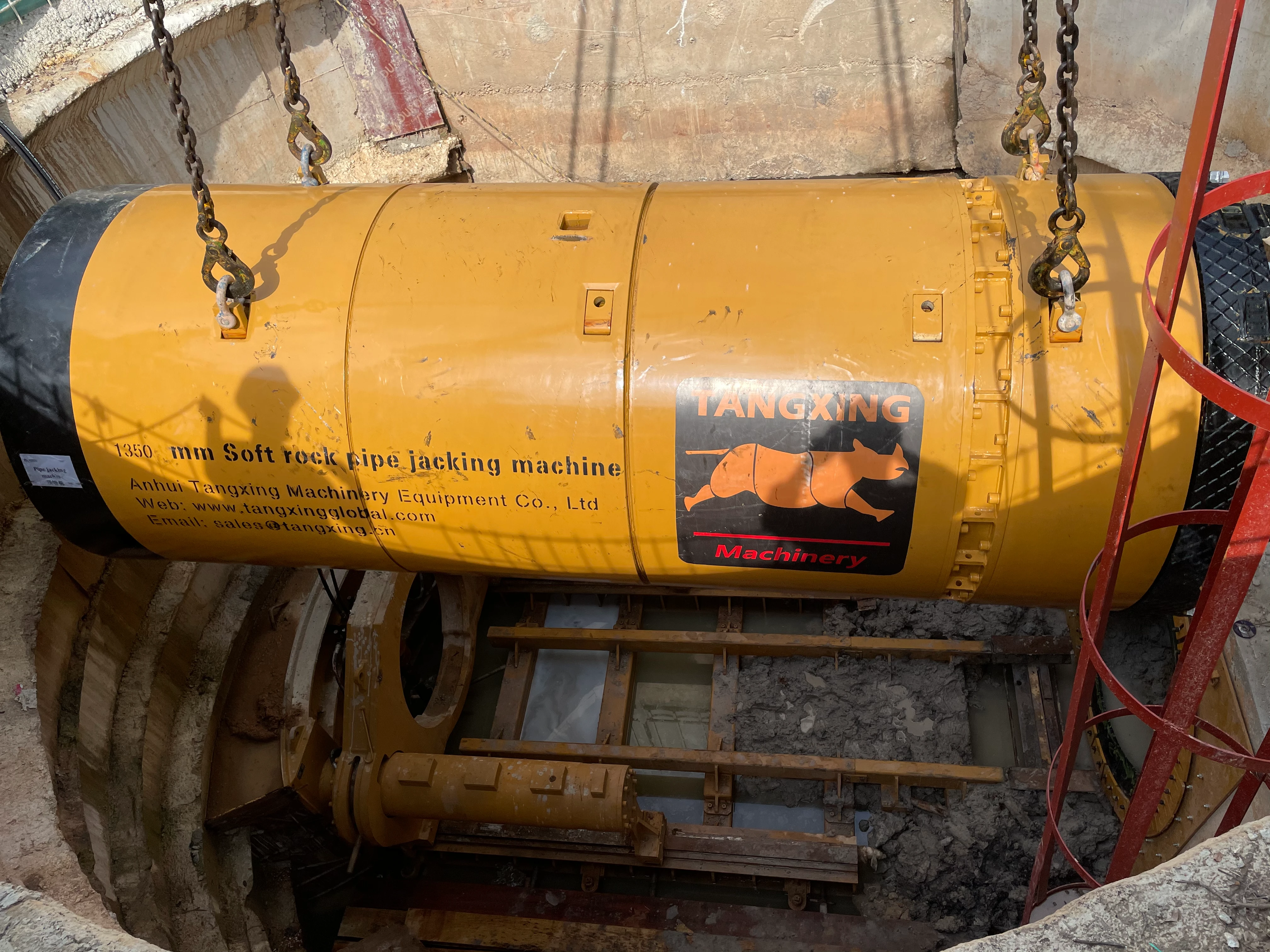
When silt packs tight underground, you face major challenges. That’s where micro tunneling torque helps when silt packs tight—giving your tunnel machine the power to push through tough layers. Research shows that adjusting micro tunneling torque and applying soil conditioners can significantly improve cutterhead performance. With CEGC, you get both standard solutions and custom options to keep your project moving forward efficiently.
Key Takeaways
-
Changing micro tunneling torque is important when silt packs tight. This change helps the tunnel machine keep its power and work well.
-
Watching torque and soil pressure stops the machine from getting stuck. It also helps avoid delays in the project. Checking often makes sure your equipment works safely and smoothly.
-
Using smart sensors and special tools from CEGC makes tunneling better. These tools give live data to help improve work and cut down on stops.
Silt Packing Challenges in Micro Tunneling
Impact on Tunnel Machine Performance
When you do microtunnelling, the ground can be very hard. Silt that is packed tight makes it hard for the tunnel machine to move. The cutterhead has trouble breaking through thick soil. This puts more stress on your equipment. The microtunnelling machine uses more power and moves slower. This means your project can cost more and take longer.
Microtunnelling needs careful control of soil pressure. If you do not control it well, the tunnel face can get weak. The ground above the tunnel might sink. This can hurt roads or buildings above. You must keep the soil at the right pressure to stop these problems. Watch your tunnel machine closely to keep it working well.
Risks for TBM and Microtunnelling Machine Operations
There are many risks when you tunnel in packed silt. One big risk is water getting into the tunnel. Water can wash away soil and make the tunnel face weak. This can stop your work and make things unsafe. Another risk is the ground sinking. If the soil moves too much, it can break things above the tunnel. The tunnel face can also become unstable and collapse.
Tip: Always check your microtunnelling machine’s pressure settings and watch the soil as you tunnel. This helps you avoid delays and keeps your project safe.
Microtunnelling teams need to watch for these problems. If you know the risks, you can plan better and finish your project on time.
micro tunneling torque helps when silt packs tight
Torque Adjustment in Tunnel Boring Machines
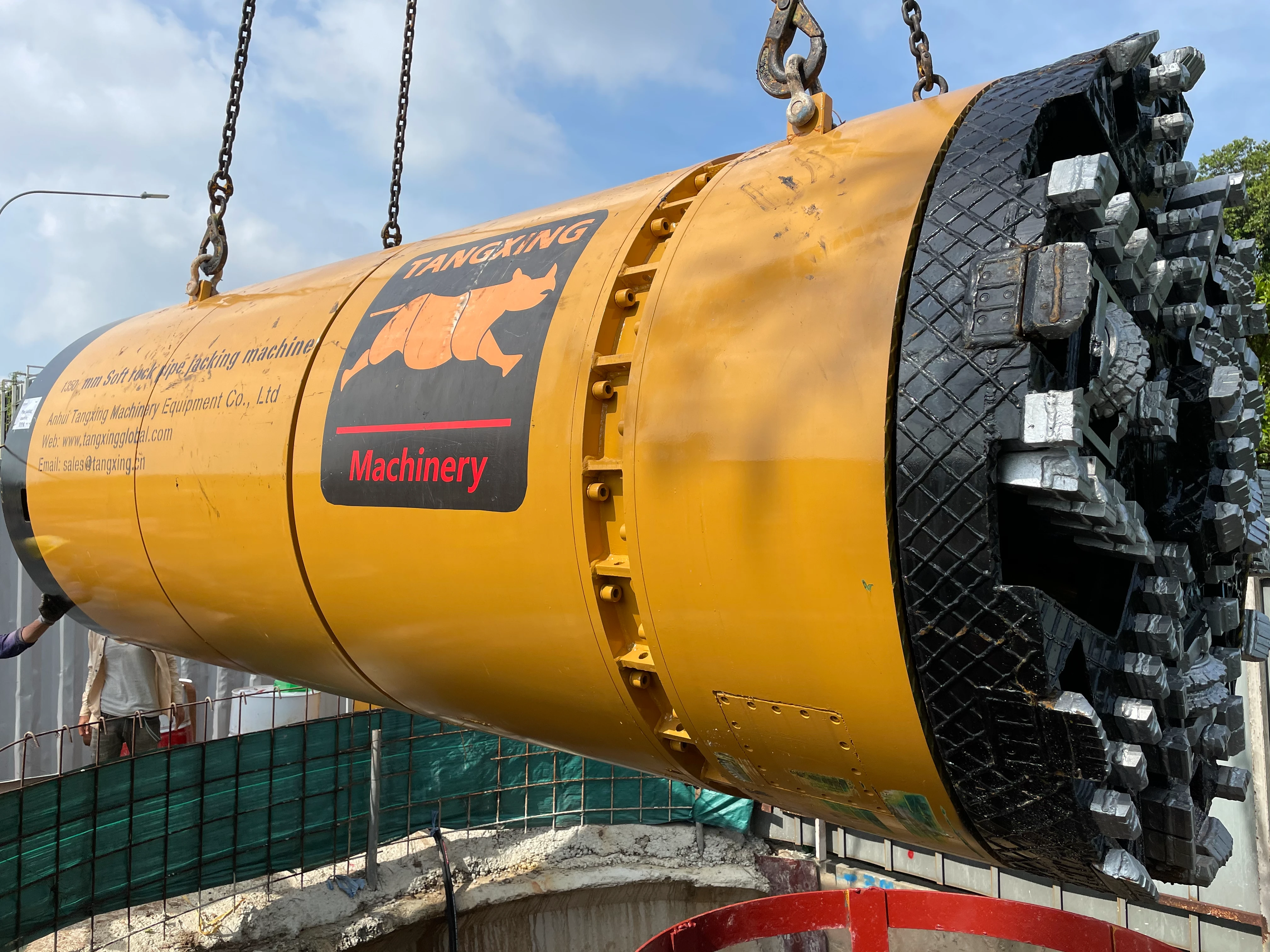
Packed silt underground can make tunneling very hard. Micro tunneling torque helps when silt packs tight by giving your tunnel boring machine more force. You can change the torque to match how tough the ground is. This helps your microtunnelling machine keep moving, even if the soil gets harder. You stop the machine from getting stuck and keep your project going.
Controlling torque also keeps your equipment safe. Knowing the right torque for your cutterhead helps you avoid damage. You lower the chance of jams and breakdowns. Your machine lasts longer and needs fewer repairs. This keeps your tunneling project safe and working well.
Stable Torque Delivery for Efficient Excavation
Micro tunneling torque helps when silt packs tight by making sure your machine gives steady power. When torque is stable, the cutterhead works smoothly and does not slip. You get good performance, which is important in tough ground. You also keep digging fast and avoid delays that cost money.
Here are some ways steady torque helps your tunneling:
-
Cutter performance stays steady, so you finish digging faster.
-
Your tunnel machine wears out less, so it works better.
-
You stop problems like jamming or slipping, so work goes smoothly.
You need to watch torque and pressure as you tunnel. New microtunnelling machines use sensors to check torque, earth pressure, and pipe strain. These sensors give you live data, so you can change things quickly. You also get alarms if something is wrong, which helps you stop damage to the ground or buildings. You can check bentonite lubrication and figure out the right thrust force to keep your project safe.
CEGC Solutions for Torque and Customization
CEGC knows micro tunneling torque helps when silt packs tight. You get standard specs and custom choices for your tunnel machine. CEGC gives you steady torque, so your microtunnelling machine works in tough spots. You can pick different cutterhead setups for the ground you have. You also get choices for pressure control, sealing, and soil conditioning.
You can trust CEGC for smart monitoring systems. Your microtunnelling machine can use up to 50 IoT sensors. These sensors check torque, thrust, and pressure all the time. You get data to help you change your tunneling and stop downtime. You also get help with planning repairs, so your machine stays strong and your project stays on time.
Micro tunneling torque helps when silt packs tight by giving you power, control, and reliability. You can finish your microtunnelling project faster and safer. You also protect your equipment and make it last longer.
Benefits of High Torque and Maximizing Effectiveness
Preventing Machine Stalls and Downtime
High torque helps your tunnel machine move in hard ground. Packed silt can make your machine stop working. This can jam the excavation chamber and cause the ground to sink. Using the right torque stops these problems. Here are some ways it helps:
-
You push through tough ground with more power.
-
You lower the chance of your machine stopping.
-
You keep the ground steady and avoid overmining.
-
Your tunneling equipment works better and lasts longer.
Special tools like engineered slurries and better cutterhead designs help with high torque. These changes keep your machine safe and your project on track.
Maintaining Progress and Project Schedules
You want your tunneling project to finish on time. High torque keeps your equipment working well. The right force helps you tighten fasteners the right way. This lowers the chance of your equipment breaking. You avoid delays and save money. You also see your machine work better and more reliably.
Maximizing Torque in Challenging Conditions
More torque gives your cutterhead extra cutting power. This helps your machine dig faster and better. You finish building sooner and have less downtime. You also save money by lowering mechanical losses. Here are some tips for operators:
-
Use sensors to watch torque and pressure.
-
Change torque settings for different ground types.
-
Check your cutterhead and fasteners often.
Real-World Example: In one city job, a team used CEGC’s microtunneling machine with high torque. They finished early, even when silt was packed tight. The project had fewer problems and better results.
You need strong micro tunneling torque to get through packed silt. This force lets you finish your project quickly and safely. CEGC gives you standard specs and custom choices for your tunnel machine. > Remember: Research shows that using the right torque can make tunneling work better and give you good results.
FAQ
What makes microtunnelling developments important for your project?
Microtunnelling developments help you get better results. These new ideas let you finish projects faster and safer. They work well even when the ground is hard.
How do you handle changing working conditions during tunneling?
You watch your tunnel machine all the time. You change the settings to fit the ground. This keeps your project safe and helps you stay on track.
Why choose small-diameter earth displacement microtunnellers for maximum tunnelling safety?
You use small-diameter earth displacement microtunnellers for tight spots. These machines help you stay safe when tunneling in cities.


