
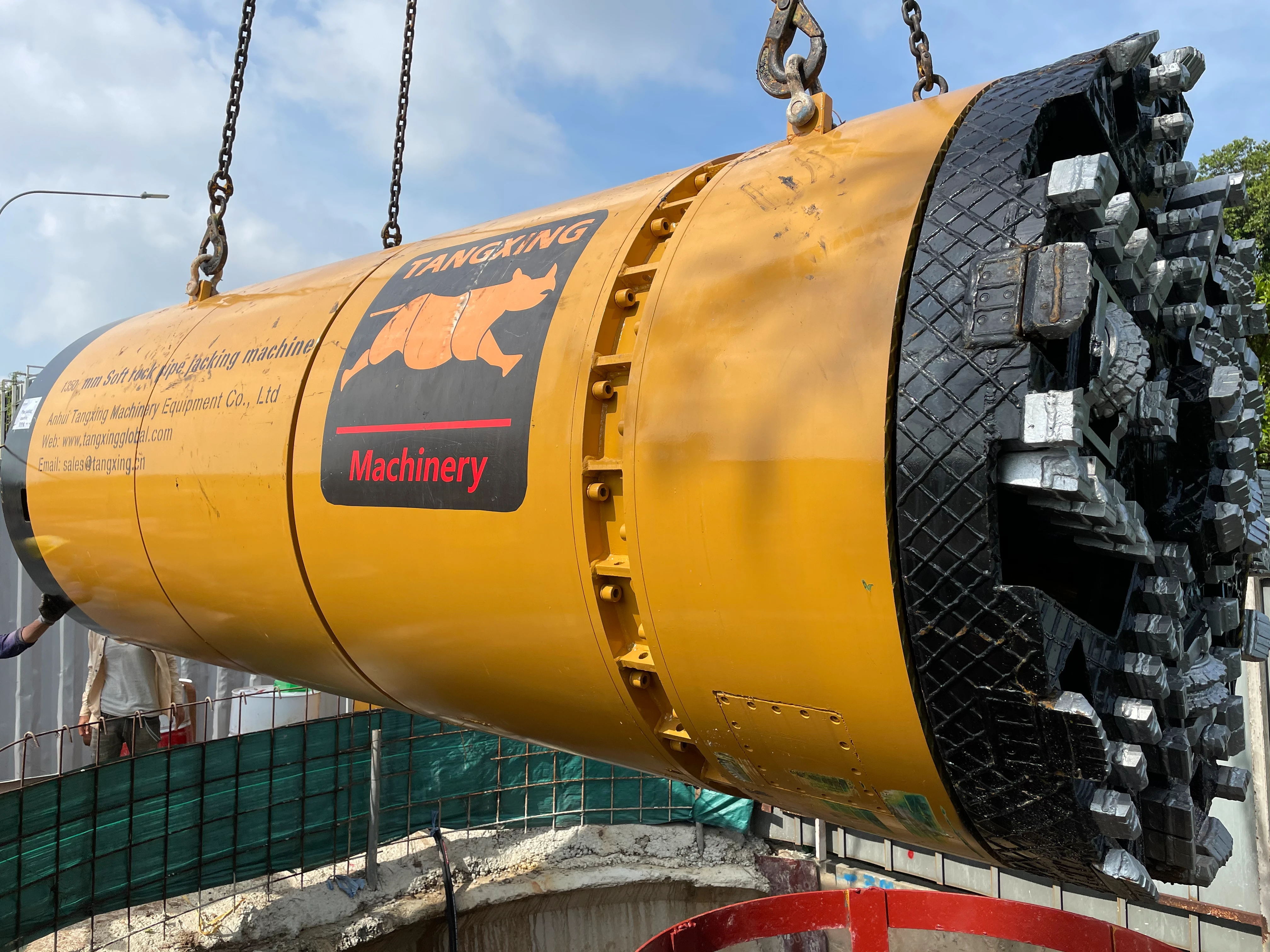
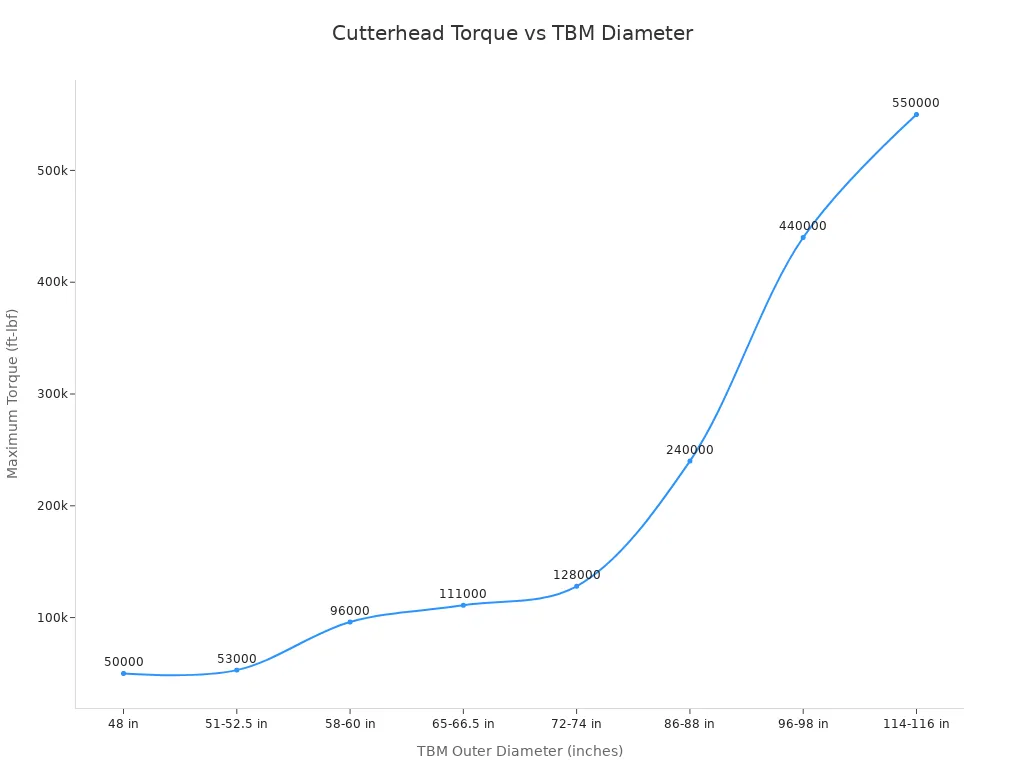
Torque tuning reduces chatter on the TBM machine, enhancing stability and smooth operation. Cutterhead torque control is crucial for all tunnel machines, including microtunnelling machines and auger boring machines. CEGC provides specifications that meet market standards while also offering custom options. See the specs in the table below:
|
Model |
Maximum Torque |
TBM Outer Diameter (Nominal) |
Mode |
|---|---|---|---|
|
WM48SC |
50,000 ft-lbf |
48 in |
Open / Closed Face |
|
WM420D |
53,000 ft-lbf |
51-52.5 in |
Open / Closed Face |
|
WM480D/II |
96,000 ft-lbf |
58-60 in |
Open / EPB / Closed Face |
|
WM540II |
111,000 ft-lbf |
65-66.5 in |
Open / EPB / Closed Face |
|
WM600II |
128,000 ft-lbf |
72-74 in |
Open / EPB / Closed Face |
|
WM720II |
240,000 ft-lbf |
86-88 in |
Open / EPB / Closed Face |
|
WM840II |
440,000 ft-lbf |
96-98 in |
Open / EPB / Closed Face |
|
WM960II |
550,000 ft-lbf |
114-116 in |
Open / EPB / Closed Face |
Key Takeaways
-
Torque tuning lowers chatter in TBM machines. This makes the machine run smoother and more stable. - It is important to watch torque, thrust, and cutterhead speed. Doing this helps with torque tuning and stops machine problems. - Using adaptive control systems can make the machine work better. These systems also help reduce downtime when tunneling.
Chatter in TBM Machines
What Is Chatter?
Sometimes, your tunnel machine shakes or vibrates while working. This shaking is called chatter. Chatter happens when the cutterhead moves in a way that is not steady. Engineers have looked at why chatter starts. Some main reasons are:
-
The cutterhead moves side to side and becomes unstable.
-
The cutterhead bounces up and down all the way.
-
The cutterhead acts in strange ways because of delays in movement.
-
Friction makes the cutterhead stick and slip, changing the cause from bounce to shimmy.
Chatter can begin as a small problem. It can get worse fast if you do not fix it. You may see the cutterhead move back and forth or side to side. This movement is not normal and can cause bigger issues.
Effects on Tunnel Machine Performance
Chatter changes how well your tunnel boring machine works. When chatter happens, the cutterhead does not cut smoothly. You may notice uneven progress and more wear on the cutters. Chatter can also make the machine loud and less efficient. If you ignore chatter, you might need to stop the machine for repairs. This can slow your project and cost more money.
The table below shows how lowering chatter helps your tunnel machine:
|
Feature |
Description |
|---|---|
|
Preloaded for minimal play |
Keeps steady contact with rock and lowers chatter |
|
Reliable performance |
Makes cutters last longer and cuts down on surprise repairs |
Why Chatter Matters for Project Success
Chatter is not just a small issue. If you let chatter keep going, your tunnel machine may break more often. You will spend more time fixing the machine and less time working. Chatter can also make it hard to keep your tunnel straight and safe. When you control chatter, your team can finish the job on time and stay on budget. You also keep workers safer and your equipment in good shape. Watching for chatter helps you finish your tunnel project every time.
Torque Tuning Reduces Chatter on the TBM Machine
Torque Tuning Process
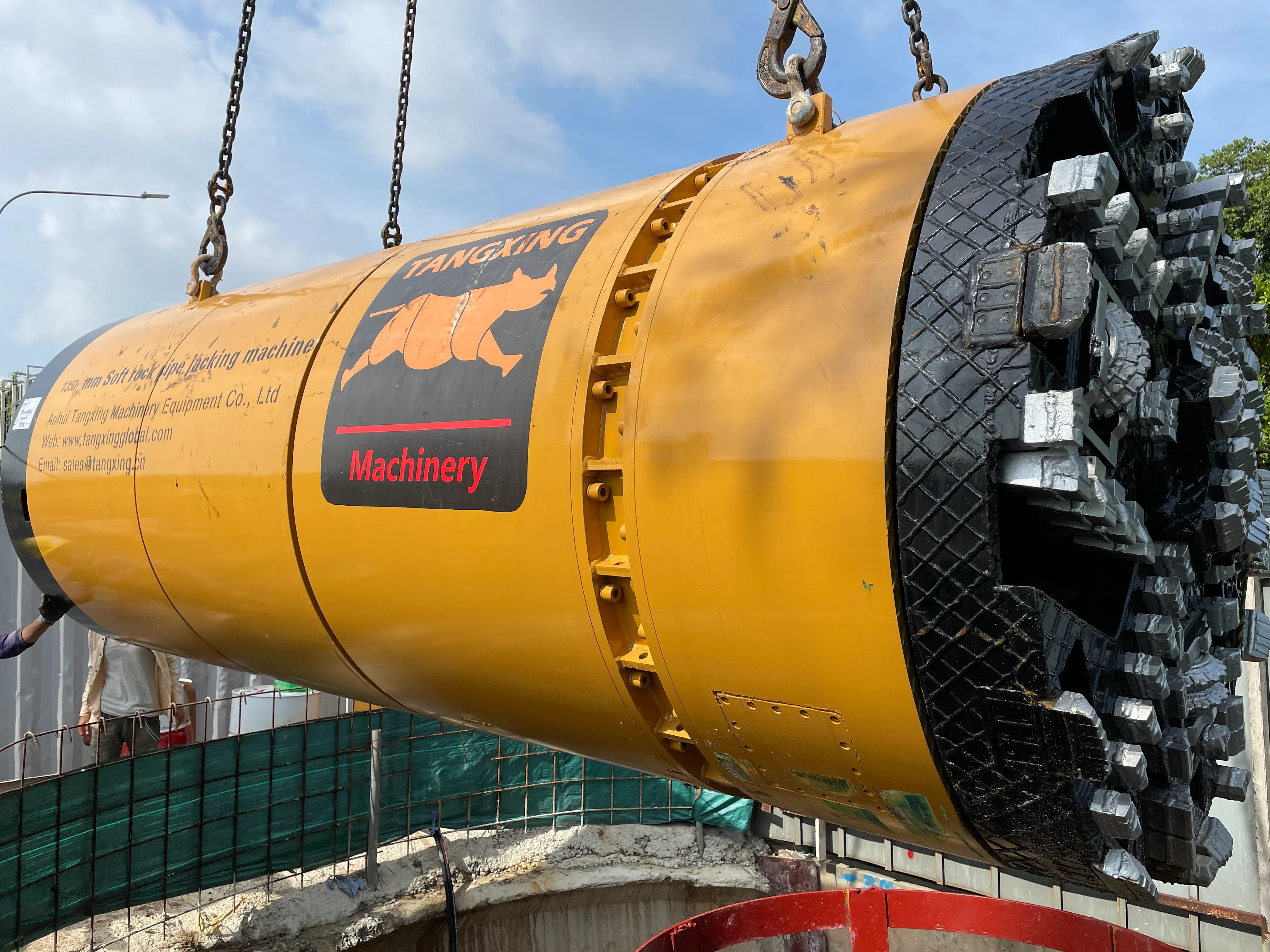
Torque tuning helps stop chatter on the TBM machine. This process lets you control shaking and makes the machine steadier. When you tune torque, you change cutterhead torque and speed. These changes help you avoid problems like regenerative chatter and deep-cavity turning. You must watch important things during torque tuning. These are torque, thrust, cutterhead speed, and earth balance pressure. Each one matters for cutting and keeping the machine steady.
Here is a table that explains why checking these things is important:
|
Aspect |
Description |
|---|---|
|
Importance of Analysis |
Checking cutterhead torque and thrust force helps pick the right TBM or EPB machine. |
|
Efficiency and Effectiveness |
Makes digging work better and faster. |
|
Performance Prediction |
Helps guess how the machine will work, when it needs fixing, and how much it costs. |
|
Geological Suitability |
Different TBMs are made for different ground types based on torque and thrust needs. |
|
Optimization |
Looking at everything helps make tunneling safer, faster, and more productive. |
You also need to check jack speed and torque. Jack speed shows how fast the tunnel machine moves forward. Torque tells how much force the cutterhead uses. By tuning these, you can guess how the machine will work and stop shaking. This process helps predict chatter and manage heavy loads.
Adaptive Control and Stability
Adaptive control systems help keep the tunnel boring machine steady. These systems use real-time feedback to change torque and cutterhead speed. You can use disturbance observer-based adaptive position control. This system uses hydraulic power to move the cutterhead. It helps control shaking and keeps the machine steady during deep-cavity turning and cutting.
You can also use deep reinforcement learning. This technology checks ground conditions and settlement. It helps set the best settings for your TBM machine. Automated position control uses guidance systems and data to make quick choices. These systems help stop regenerative chatter and keep the machine moving right.
Here is a table showing some adaptive control systems:
|
Adaptive Control System |
Description |
|---|---|
|
Disturbance Observer-based Adaptive Position Control |
Uses torque cylinders and hydraulic power to move the cutterhead in real-time, making the machine steadier and more efficient. |
|
Deep Reinforcement Learning |
Looks at ground and settlement to pick the best TBM settings, helping control the ground and keep things steady. |
|
Automated Position Control |
Uses guidance systems and data to make quick choices for position and vibration control. |
With these systems, you can keep the tunnel machine steady. You can also lower shaking and stop problems like regenerative chatter. This means better cutting and less time fixing the machine.
Implementation Steps
You can follow easy steps to use torque tuning and stop chatter on the TBM machine. Start by getting data from sensors about torque, thrust, and pressure. Use this data to set starting values for your machine. Next, change cutterhead torque and speed. Watch for signs of shaking or regenerative chatter. If you see these, make small changes to your settings.
-
Set starting torque and speed values.
-
Change torque and speed to lower shaking.
-
Watch for problems like regenerative chatter and deep-cavity turning.
-
Use adaptive control systems to make quick changes.
-
Do this again as ground conditions change.
Tip: Always check jack speed and earth balance pressure. These help keep the machine steady and stop ground problems.
By following these steps, you can predict chatter and keep your tunnel machine working well.
Benefits for TBM Machine Operations
Torque tuning stops chatter on the TBM machine and gives many benefits. You avoid extra wear on the cutterhead and other parts. This means you spend less money fixing and replacing parts. You also stop expensive breakdowns. Your tunnel machine works better and faster, so you finish jobs on time.
Here are some main benefits:
-
Better stability and less shaking while cutting.
-
Lower chance of problems like regenerative chatter and deep-cavity turning.
-
More control over how the machine works and project costs.
-
Fewer delays from machine breakdowns.
-
Safer work for your crew.
You also get better results in tough ground. Steady torque helps stop machine jamming and ground collapse. You can control jack speed to keep the tunnel face steady. This means you can do hard jobs with less risk.
Note: When you use torque tuning, you help control shaking and keep things steady. This helps you reach project goals and keep your tunnel machine in good shape.
Torque tuning stops chatter on the TBM machine. You get smoother work, better cutting, and more reliable project results. CEGC’s solutions help you use these methods for your tunnel machine, microtunnelling machine, or auger boring machine. You can trust these systems to keep your projects safe, efficient, and on time.
Torque tuning lets you stop chatter in your TBM machine. This makes tunneling smoother and reduces downtime. CEGC offers solutions you can change for any tunnel machine or microtunnelling machine.
-
You get better project results
-
You spend less money
Pick torque tuning for safer and easier tunnel work.
FAQ
What is torque tuning on a tunnel boring machine?
Torque tuning is when you change the cutterhead’s torque and speed. This helps stop the machine from shaking. It keeps the tunnel machine steady while it works.
How does torque tuning help reduce chatter?
Torque tuning lets you control how the cutterhead moves. This stops the machine from shaking too much. Your tunnel machine runs smoother and lasts longer.
Can you use torque tuning on any tunnel machine?
Yes, torque tuning works on TBM machines, microtunnelling machines, and auger boring machines. CEGC has solutions for all these machines.


