
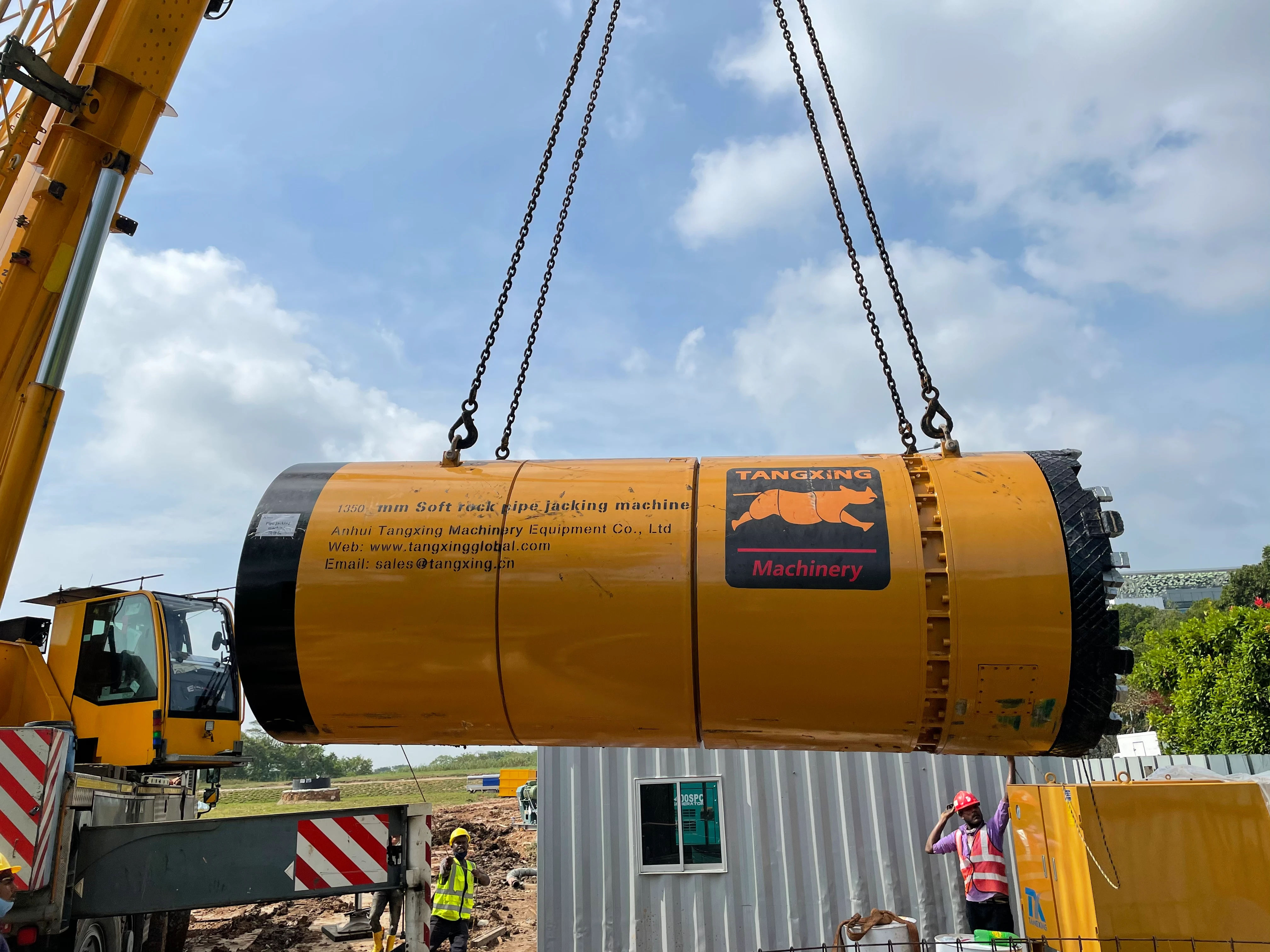
High torque lets a TBM tunnel run at lower rpm safely, ensuring reliable performance even in challenging conditions. This torque is essential for powering through hard ground and maintaining optimal operation of your tunnel boring machine’s cutterhead. CEGC delivers market-standard specifications and offers custom options for tunnel machines, microtunnelling machines, and auger boring machines, specifically designed to meet your cutterhead torque requirements.
Key Takeaways
-
High torque lets tunnel boring machines work at lower RPM. This helps reduce wear and makes the machines more reliable. Using the right cutterhead torque makes things safer and more efficient. It helps machines cut through hard ground without getting stuck. Lower RPM means there is less downtime and fewer cutter changes. This saves time and money on tunneling projects.
High Torque and TBM Performance
Torque in Tunnel Machines
It is important to know how torque works in tunnel machines. Torque gives the machine strength to cut through hard rock and dirt. High torque helps the machine handle heavy work and stress. This makes the machine more dependable and efficient in many types of ground.
-
High torque helps your tunneling machine break through hard rock.
-
High torque manages the stress and load during tunneling.
-
Choosing the right torque improves safety, speed, and cost efficiency.
CEGC builds tunnel machines with standard torque levels. You can also change your machine for special jobs. This helps you get the best results in any ground.
Cutterhead Torque Requirement
The cutterhead is the main part that cuts the ground. You need enough torque to keep the cutterhead working well. If torque is too low, the machine can get stuck or slow down. High torque lets a tbm tunnel run lower rpm safely because it gives the cutterhead more power to break rocks and move soil.
|
Aspect |
Description |
|---|---|
|
Cutter-head Torque |
Gives the force needed to break rocks during tunneling. |
|
Impact on Rock Fragmentation |
Changes how well the cutterhead breaks rocks and touches the ground. |
|
Optimization Benefits |
Makes building faster, lowers machine losses, and saves money. |
|
Monitoring Importance |
Helps you spot problems early and fix your machine before trouble starts. |
CEGC’s tunnel machines help you match the cutterhead torque to your project. You can pick the right torque for soft dirt, hard rock, or mixed ground. This keeps your machine working smoothly and safely.
RPM and Safety in TBM Operations
You want your tunnel machine to work safely and well. High torque lets a tbm tunnel run lower rpm safely. Lower RPM means less wear on the cutterhead and cutters. This matters in broken rock or soft dirt, where high RPM can cause more damage and make jamming more likely.
High torque lets the cutterhead dig into tough ground at lower RPM. This means you can push harder and cut deeper each turn. You move forward faster and avoid problems like cutterhead jamming. New tunnel machines use smart systems and automation to control torque and RPM. These systems help you make good choices and keep your machine safe.
High torque systems also make machines more reliable. You get longer machine life and fewer breakdowns. For example, machines with better torque systems can last almost twice as long between failures compared to older machines. This means you spend less time fixing and more time tunneling.
High torque lets a tbm tunnel run lower rpm safely. You get better control, less wear, and more reliable performance in every project.
Safety Benefits of Low RPM Operation
Reduced Wear and Jamming Risk
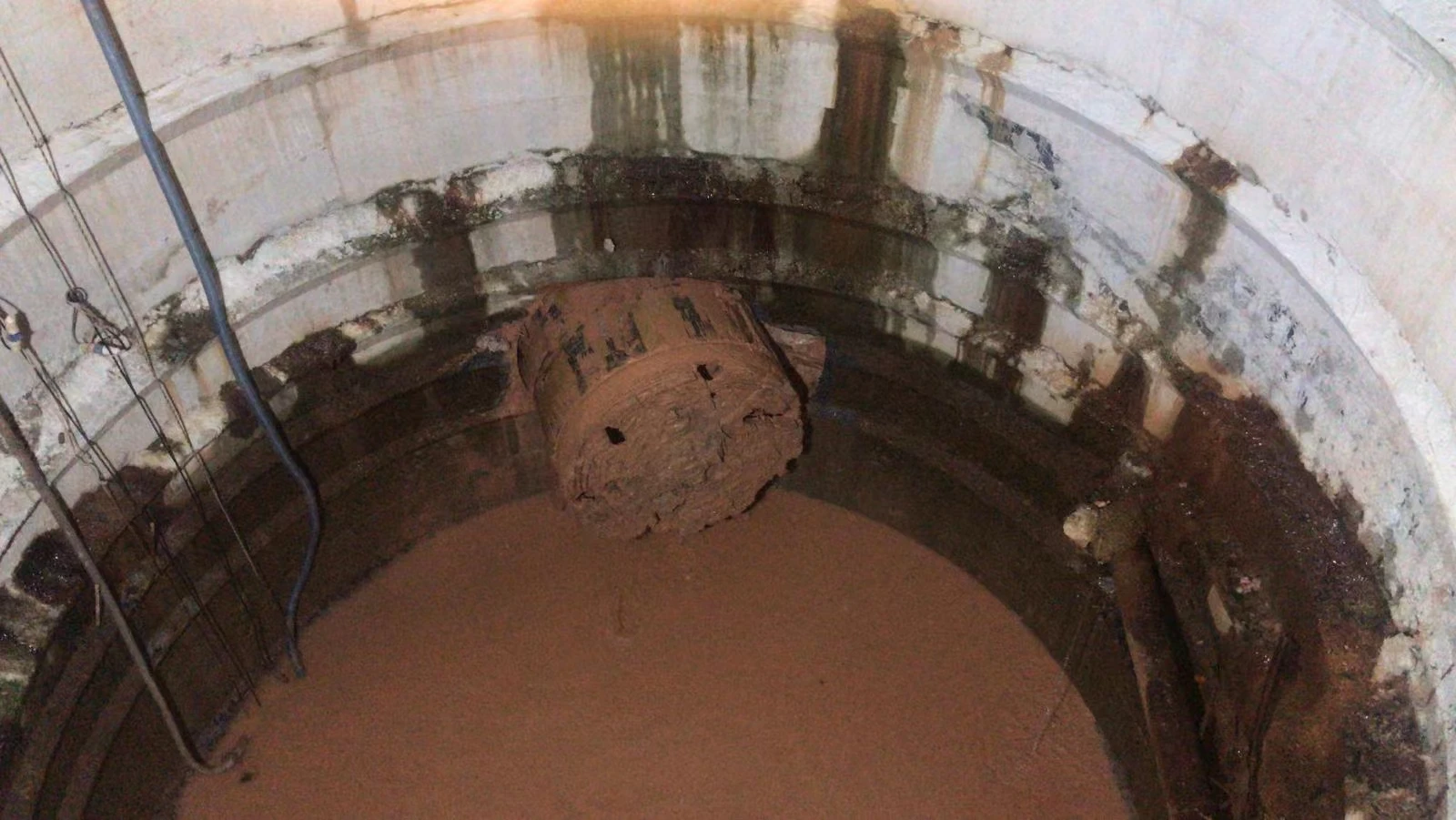
You want your tunnel machine to last longer. You also want fewer stops while working. Running at low RPM helps you reach this goal. When you use lower speeds, you put less stress on the cutterhead. Other parts also get less stress. This means you change cutters less often. You spend less time fixing the machine. You also lower the chance of jamming. Jamming can stop your project and cause delays.
-
Low RPM makes cutterhead parts wear out slower. You need fewer cutter changes.
-
Field tests showed lower RPM made each turn dig deeper. The rate went up by 20%.
-
Downtime dropped. Cutter changes went down by almost 19%. This saves time and money.
You get better performance and more reliable work with high torque at low RPM. Your tunnel machine keeps moving forward. You avoid expensive repairs.
Enhanced Control in Challenging Ground
You face tough ground in cities and mixed soil. Low RPM gives you more control over the cutterhead. You can change speed and torque to fit the soil or rock. This helps you avoid sudden stops or jumps. You keep the machine steady. You protect the tunnel face.
CEGC’s tunnel machines use closed-mode face support. This system keeps pressure steady at the tunnel face. You can handle soft ground, wet soil, or lots of water. Soil conditioning and muck transport work together. They help remove spoil smoothly. You keep the tunnel safe and stable, even when the ground changes.
Tip: Changing RPM and torque helps you react fast to new ground. You protect your project and keep your team safe.
Face Pressure and Ground Protection
You must control face pressure to stop ground sinking and water leaks. Low RPM lets you manage face pressure more exactly. You avoid sudden changes that cause problems or leaks. CEGC’s sealing design keeps water out. It holds pressure at the tunnel face. You protect the surface and nearby buildings.
You use soil conditioning to make spoil easier to handle. This helps remove muck and keeps the tunnel face stable. You lower the risk of blowouts. Your tunnel machine works smoothly. Safety gets better. You meet strict project rules.
You see the good effects of low RPM in every step of tunneling. You protect your equipment, your project, and the ground above.
Practical Solutions and Customization
CEGC Project Examples
You can see how CEGC tunnel machines perform in real projects. Many soft ground tbms and hard rock tbms use high cutterhead torque at low speed. This helps you get better excavation performance and safer excavation. In one underwater project, the machine worked at about 4.32 RPM. The cutterhead torque reached a peak of 16.02 Nm. The machine kept a steady angular position with very low error. These results show that high torque and low speed help you control the cutterhead and improve excavation performance.
-
Soft ground tbms and slurry tbms keep stable thrust force and cutterhead torque.
-
Hard rock tbms use high thrust force and cutterhead torque for tough ground.
-
Slurry tbms keep speed low to protect the cutterhead and reduce wear.
-
You get better tbm thrust capacity and less downtime.
Custom Torque and Guidance Options
You can choose the right cutterhead torque and thrust force for your project. CEGC lets you pick custom options for soft ground tbms, hard rock tbms, and slurry tbms. You can adjust the cutterhead torque, thrust force, and speed to match your ground. You also get guidance systems that help you keep the tunnel on line. These systems work well for both hard rock tbms and slurry tbms.
|
TBM Type |
Custom Options Available |
Guidance System |
|---|---|---|
|
Soft ground tbms |
Cutterhead torque, speed, thrust force |
Yes |
|
Hard rock tbms |
Cutterhead torque, speed, thrust force |
Yes |
|
Slurry tbms |
Cutterhead torque, speed, thrust force |
Yes |
Addressing Cutterhead Wear and Alignment
You face cutterhead wear and alignment problems in every project. High cutterhead torque at low speed helps you solve these issues. Chamber pressure, cutter installation radius, and torque can cause cutterhead wear. If you keep the cutterhead torque steady and use low speed, you lower the risk of abnormal wear. Hard rock tbms and slurry tbms need this control to keep the cutterhead safe. You also need strong thrust force and good guidance to avoid alignment problems. CEGC machines give you the right tbm thrust capacity and guidance for both soft ground tbms and hard rock tbms. You get better excavation, less cutterhead wear, and more accurate tunnels.
High start-up and operating torque keeps your tunnel boring machine safe and working well. The cutter head can turn right, even in tight ground. High torque helps the machine cut better and dig faster.
When you use high torque and low RPM in city projects, you get many good results: You spend 30% less on running the machine. Projects finish 40% faster. Vibration goes down by 85%, so buildings nearby stay safe. Dust in the air drops by 92%. The carbon footprint is 45% lower. Safety gets better, with 73% fewer accidents at work.
You can count on CEGC for tunnel machines that keep earth pressure balanced and work well in hard jobs.
FAQ
What does installed cutterhead torque mean for your TBM?
Installed cutterhead torque shows how much power your TBM uses to turn the cutterhead. You need enough installed cutterhead torque for hard ground. It also helps with high thrust and safe epb operation.
How does epb technology help with cutterhead wear?
You use epb to keep face pressure balanced. This keeps the cutterhead steady. The cutterhead lasts longer. Installed cutterhead torque and thrust work together to stop fast wear.
Why is thrust important for cutterhead performance in epb machines?
Thrust pushes the cutterhead forward. You need enough thrust for the cutterhead to cut soil. Installed cutterhead torque and epb systems help the cutterhead move safely.
-
You should check installed cutterhead torque often. This keeps the cutterhead and thrust working well in epb mode.
-
The cutterhead needs steady thrust and installed cutterhead torque for best results.
-
You can use epb to control thrust and installed cutterhead torque. This helps the cutterhead avoid overload.
-
The cutterhead works better with the right installed cutterhead torque and thrust. You get safer epb tunneling.
-
You must keep the cutterhead, installed cutterhead torque, and thrust balanced. This is key for epb machines.
-
The cutterhead design, installed cutterhead torque, and thrust all affect epb performance.
-
You can adjust installed cutterhead torque and thrust for different soils. The cutterhead stays safe in epb mode.
-
The cutterhead needs high installed cutterhead torque for hard ground. Thrust helps the cutterhead keep moving in epb.
-
You should use epb to manage thrust and installed cutterhead torque. The cutterhead will last longer.
-
The cutterhead, installed cutterhead torque, and thrust work as a team in epb machines.
-
You can trust your cutterhead with the right installed cutterhead torque and thrust. Epb keeps the cutterhead safe.
-
The cutterhead faces less risk with good installed cutterhead torque and thrust in epb.
-
You get better results when the cutterhead, installed cutterhead torque, and thrust match your epb needs.
-
The cutterhead needs both thrust and installed cutterhead torque for deep tunnels. Epb helps balance both.
-
You can rely on epb to keep the cutterhead, installed cutterhead torque, and thrust steady.
-
The cutterhead stays strong with enough installed cutterhead torque and thrust in epb.
-
You should always monitor the cutterhead, installed cutterhead torque, and thrust during epb tunneling.
-
The cutterhead, installed cutterhead torque, and thrust are key for safe epb tunneling.
-
You can improve cutterhead life with the right installed cutterhead torque and thrust in epb.
-
The cutterhead works best when installed cutterhead torque and thrust are set for epb conditions.
-
You can count on epb to protect the cutterhead with good installed cutterhead torque and thrust.
-
The cutterhead, installed cutterhead torque, and thrust make epb tunneling safe and efficient.


