
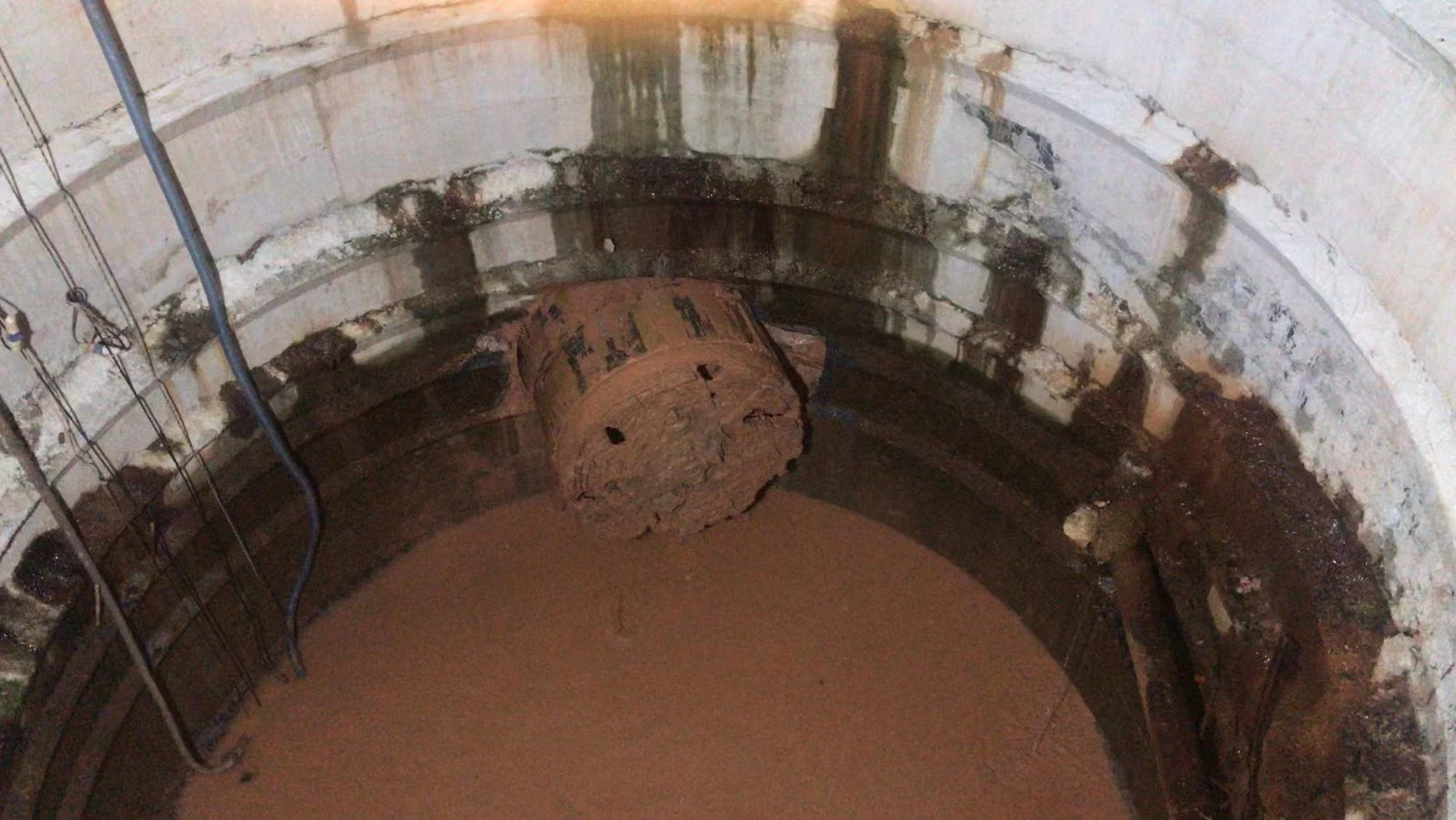
Micro tunneling torque errors can trigger sudden blockage. This occurs when stress is uneven, leading to equipment failure. Effective torque management is crucial for tunnel machines and TBM tunnel boring machines. CEGC provides standard specifications and offers customization for each project to effectively control torque. Urban tunnel projects require machines that perform reliably to prevent delays and financial losses.
|
Aspect |
Impact |
|---|---|
|
Enhances rock breaking efficiency and prevents machine issues |
|
|
Jack Speed |
Ensures the tunnel face remains secure and minimizes ground movement |
|
Optimization Benefits |
Accelerates construction and reduces costs |
|
Prediction of Torque |
Prevents machines from becoming stuck and facilitates quick problem resolution |
Key Takeaways
-
Check torque numbers often to find mistakes early. This helps stop sudden blockages and keeps your project moving.
-
Use tools that are set up right and follow the correct torque settings. This lowers the chance of equipment breaking and helps your machines last longer.
-
Teach operators the best ways to work and how to use real-time monitoring systems. This cuts down on errors and makes tunneling work better.
micro tunneling torque errors and blockage risks
torque error definition in tunnel machines
It is important to know about torque errors in tunnel machines. Torque errors happen when the force turning the cutterhead does not fit what the ground needs. These errors can show up because the soil changes, there are hidden things in the way, or the machine is not set up right. If torque is too strong or too weak, the tunnel boring machine or microtunnelling machine may have trouble moving forward. You might see these errors as sudden jumps or drops in torque numbers. Micro tunneling torque errors can trigger sudden blockage because the machine cannot cut or move soil well. CEGC makes tunnel machines with smart torque monitoring systems. These systems help you find errors early and keep your project going.
Tip: Always look at torque numbers while tunneling. Finding problems early stops bigger trouble.
stress, friction, and cutterhead performance
Stress and friction are very important for tunnel machine work. When the cutterhead spins, it pushes against dirt and rocks. If friction changes fast, torque errors can happen. You might see the cutterhead slow down or speed up. These changes make it harder for the machine to cut and move dirt. Micro tunneling torque errors can trigger sudden blockage if friction gets higher and the cutterhead cannot push through. CEGC’s tunnel boring machines and microtunnelling machines use steady torque to work in hard ground. They check lateral friction resistance, shoveling torque, and rolling resistance torque. This helps you guess and control torque errors.
Here is a table that shows how friction and stress change torque:
|
Parameter |
Description |
|---|---|
|
Lateral Friction Resistance |
Changes in this resistance cause torque errors and affect cutterhead motion |
|
Cutterhead Torque Composition |
Includes shoveling, transporting, rolling, and lateral friction torque |
|
Relative Error |
Accurate torque prediction improves by 6.97% when lateral friction is measured |
Note: Watching friction and stress helps you stop sudden blockages and keeps the machine working well.
sudden blockage mechanisms
Sudden blockages happen when torque errors build up and the machine cannot go forward. You see this when the cutterhead faces too much pushback or when thrust does not match torque. Micro tunneling torque errors can trigger sudden blockage by making soil pile up in front of the cutterhead or by stopping the ground from settling. If torque problems last for many rings, the soil may rise or settle in strange ways. You need to control both torque and thrust to stop these issues.
Here is a table that shows blockage mechanisms:
|
Mechanism |
Description |
|---|---|
|
Surface Heave |
Torque problems make soil rise, especially over many rings |
|
Surface Settlement |
Torque problems stop settlement, mostly when covering four rings |
|
Vertical Stress Changes |
Problems with torque and thrust change stress in the soil |
|
Combined Parameter Response |
Ground heave reacts to many ring problems in a straight line |
CEGC’s tunnel boring machine and microtunnelling machine specs help you handle these risks. They use real-time torque prediction models, like BLSTM networks, to keep torque errors small. You get good accuracy and machines that can adjust during tunneling. This means fewer blockages and safer work.
Micro tunneling torque errors can trigger sudden blockage, but you can stop them with good checking and picking the right machine. CEGC gives you standard specs and custom choices for your project to help you control torque and keep your work moving.
types of torque errors and prevention strategies
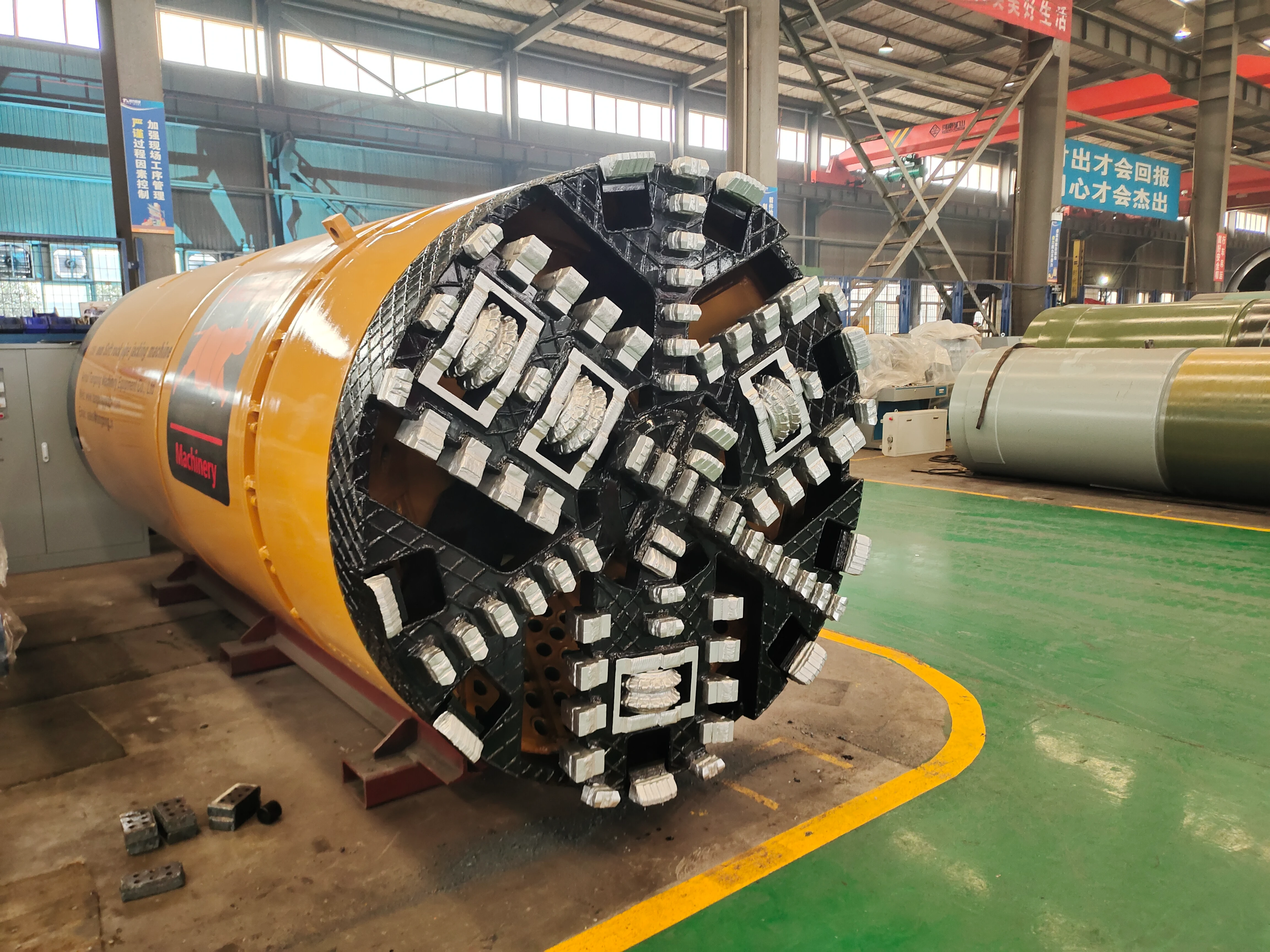
under-torquing and blockage triggers
Under-torquing is when the torque on the cutterhead or fasteners is too low. The tunnel machine may have trouble breaking through soil or rock. The cutterhead might slip or stop, which slows down the work. Micro tunneling torque errors can trigger sudden blockage if the machine cannot move forward. Sensors like torque transducers help you find under-torquing. These sensors show real-time data, so you can fix torque fast. Keeping torque at the right level stops soil from piling up and keeps the tunnel boring machine moving.
Tip: Always watch torque numbers while digging. Fixing problems quickly stops blockages and keeps your project going.
over-torquing and equipment stress
Over-torquing means using too much force. This can break fasteners and cause parts to fail. You might see stripped threads or broken bolts. The cutterhead gets more stress, which can cause cracks and wear it out faster. Micro tunneling torque errors can trigger sudden blockage if equipment breaks or stops working well. Over-torquing also makes the tunnel boring machine last less time. You need to control torque to keep your machine safe and avoid expensive repairs.
Here is a table showing what happens with over-torquing:
|
Impact of Over-Torquing |
Result |
|---|---|
|
Stripped Threads |
Assembly failures |
|
Increased Cutterhead Stress |
Cracks and faster wear |
|
Reduced Equipment Reliability |
More downtime and maintenance |
|
Shorter Machine Life |
Higher costs and project delays |
incorrect torque and operator error
Incorrect torque often happens because of operator mistakes or changes in the ground. You might see problems if the operator uses wrong settings or skips steps. Micro tunneling torque errors can trigger sudden blockage if the machine cannot handle new soil or hidden things. Training helps stop these mistakes. Machine learning and AI systems can guess the best torque settings. These tools change speed, pressure, and cutterhead setup as you work. You get fewer stops and better results. Support Vector Machine methods help pick the right settings for the ground. Using these systems lowers the chance of wrong torque and keeps your tunnel machine working well.
Note: Training and real-time checks help stop operator mistakes and keep torque safe.
prevention: tool calibration and inspection
Stopping torque errors starts with checking and setting tools right. You should calibrate torque wrenches every twelve months or after five thousand uses. This keeps readings correct and stops assembly mistakes. Follow ISO rules for calibration and control temperature during checks. Look at tools often, especially if they look worn out. If you check calibration every six to twelve months, you stop product failures and keep your tunnel boring machine safe.
Here are best ways to stop torque errors:
-
Use a calibrated torque wrench for correct numbers.
-
Check the manufacturer's torque rules.
-
Clean and oil threads when needed.
-
Follow the right torque order for even stress.
-
Use multi-pass tightening for important parts.
-
Add lock washers or thread lockers to stop loosening.
-
Check bolted connections often.
-
Train workers on how to use torque tools.
-
Pick fasteners made from matching materials.
-
Think about the environment when setting torque.
Reminder: Checking and setting tools often keeps them working and your tunnel machine safe from sudden blockages.
Micro tunneling torque errors can trigger sudden blockage, but you can stop them with careful checks, training, and real-time watching. CEGC gives you steady torque and maintenance help to manage these risks. When you follow best ways, you protect your tools and keep your project moving.
You keep your tunnel machine safe by controlling torque errors. Checking tools often helps stop sudden blockages. Using tools the right way makes work safer and faster.
-
Daily checks help you find worn parts early.
-
Training helps workers avoid accidents.
-
Monitoring systems watch torque as you work.
|
CEGC Solution |
Benefit |
|---|---|
|
Matches what your project needs |
|
|
Engineering Support |
Helps you install things the right way |
FAQ
What causes sudden blockages in micro tunneling?
Sudden blockages happen when torque errors cause stress to be uneven. Micro tunneling torque errors can trigger sudden blockage because soil builds up in front of the cutterhead.
How do you prevent torque errors in tunnel machines?
You can stop torque errors by checking tools, teaching workers, and using systems that watch in real time. These actions help tunnel machines work without problems.
Why is torque management important for urban tunnel projects?
Good torque management stops work from slowing down or costing more. The right torque keeps tunnel boring machines safe and helps finish projects on time.


