
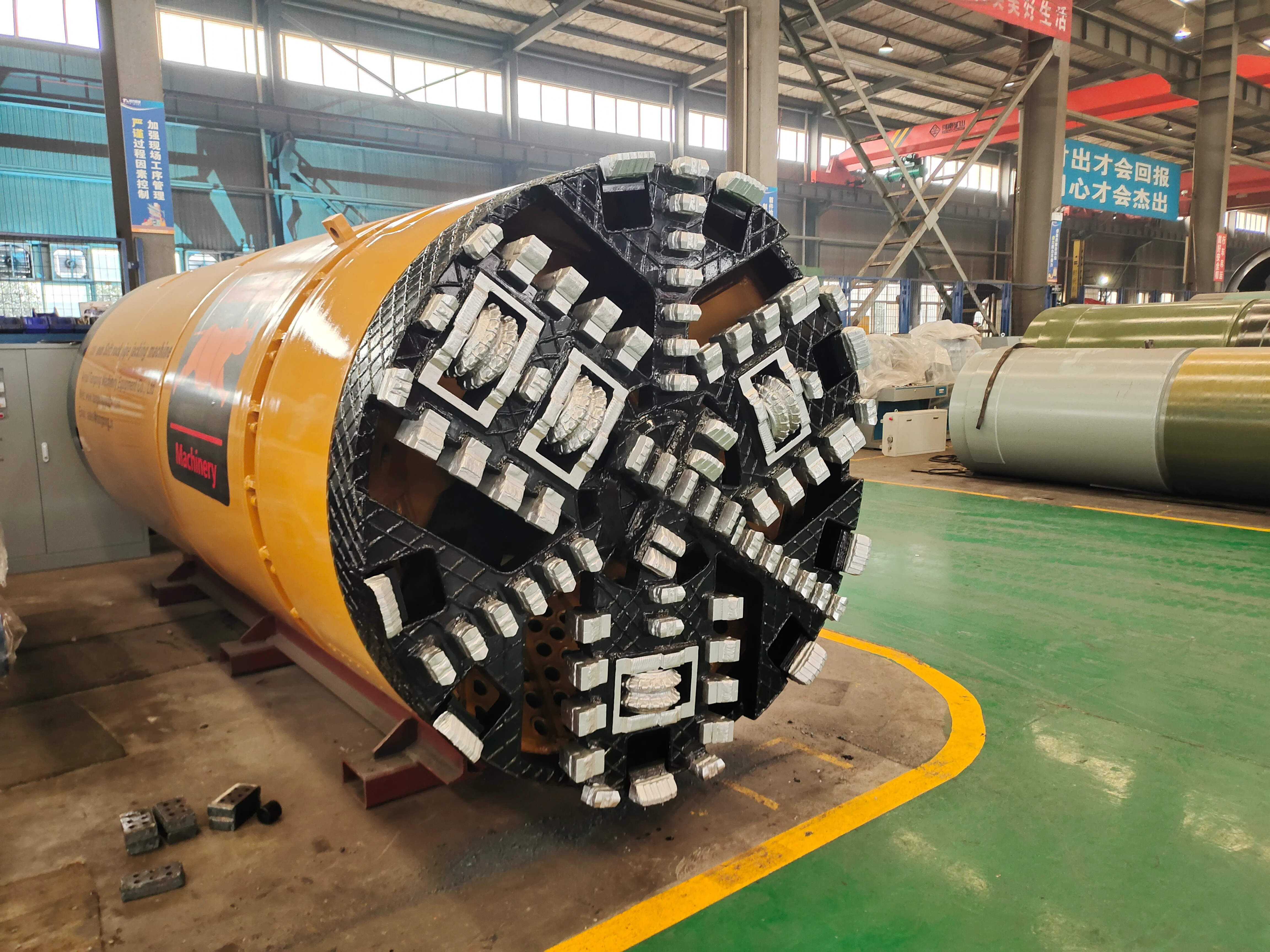
When constructing a tunnel, having reliable data is essential. Torque logs can support claims on a TBM tunnel job by providing clear evidence of the TBM's performance and the ground conditions encountered. CEGC offers TBM solutions that ensure compliance with project regulations. With accurate torque logs, you can feel confident in every aspect of the tunnel construction process.
Key Takeaways
-
Torque logs give you live data about TBM performance. This helps you find problems fast and keeps your tunnel project moving.
-
When you use torque logs, your claims about ground conditions are stronger. You also have proof about how the machine works if there is a disagreement.
-
Checking the data often makes sure it is correct. This helps you see problems before they happen and makes the project work better.
What Are Torque Logs?
Torque Logs in TBM Operations
You use torque logs to watch how your tbm works during tunnel building. These logs show the torque and thrust the machine uses as it moves. You get this data from special sensors on the tbm. The sensors give you real-time details about the force and resistance the machine meets. This helps you see how the tbm acts in different ground types.
Torque and thrust are the main things you check. These numbers help you know if your tbm is working well. If the data changes, you can find problems like more resistance or harder ground. You use this to change your plan and keep the tunnel job going.
Tip: Watching the sensors all the time helps you stop delays and make better choices during tunnel work.
Why Torque Logs Matter
Torque logs are very important in tunnel jobs. You use them to see how your tbm deals with the ground. The sensor data tells you when the machine hits hard soil or rock. This helps you find risks early and get ready to fix them.
Torque logs and tbm performance are closely linked. You can see this in the table below:
|
Metric |
Value |
|---|---|
|
96% |
|
|
Mean Squared Error (MSE) for Jack Speed |
119.7 |
|
Mean Absolute Error (MAE) for Jack Speed |
4.42 |
|
Correlation Coefficient (R²) for Torque |
83% |
|
Mean Squared Error (MSE) for Torque |
0.62 |
|
Mean Absolute Error (MAE) for Torque |
0.42 |
You need this data to make things better and to prove ground conditions. When torque goes up fast, you know the tbm has a problem. This helps you change your plan and keep the tunnel job safe and smooth.
How Torque Logs Can Support Claims on a TBM Tunnel Job
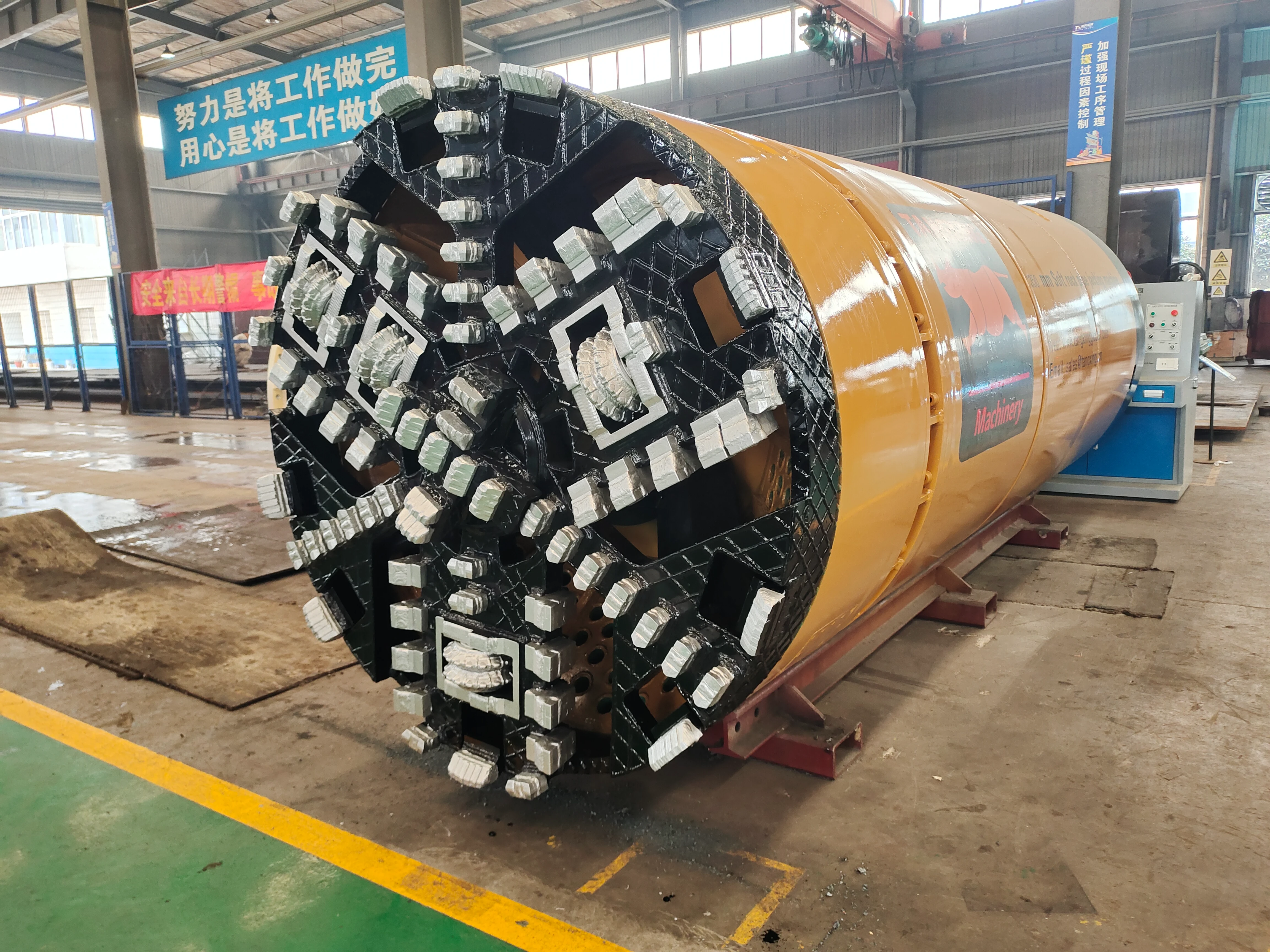
Types of Claims Supported
Tunnel construction has many problems. Torque logs can help you prove what happened. You might need to make claims for things like ground changes, machine problems, delays, ground sinking, cutterhead wear, tunnel not straight, or moving supplies. Each claim needs good proof.
Torque logs let you see how your tbm acts when the ground changes. If torque goes up fast, the ground is different. This helps you show proof for ground change claims. Torque logs also show when your tbm faces more pushback, which can cause delays or more ground sinking. These logs help you keep track of cutterhead wear and tunnel not being straight. You use this data to check claims and risks.
You trust torque logs because they record every step of digging. You can use this data to guess what might happen next and make your project better. This helps your tunnel work go faster and stops fights about what happened.
Evidence from Torque Logs
Torque logs give you facts to back up your claims. You get sensor numbers and readings while digging. These logs show how your tbm works right away. You can use this data to prove you followed the rules and did things right.
-
You can find out how bad a problem is with over 98% accuracy using electric torque signals.
-
Six torque log features can reach over 98% accuracy, and four features can get 100% accuracy with vibration signals.
-
Electric torque features work as well as Poincaré plot features, with 98.15% accuracy and 98.40% precision.
You watch torque and thrust to check the cutterhead. If thrust and torque are high but speed is low, the cutterhead is wearing out. This means you can use torque logs to spot problems and prove your claims. More cutter resistance makes torque go up and digging slower. You can see these changes in your data and use them to guess future problems.
Face instability is another danger. You can show this by looking at penetration test data, which links how fast you dig to net cutter thrust. This helps you spot stress problems at the tunnel face. You can use this for planning and making things better.
Note: Torque logs help you keep track of ground sinking, water leaks, and other dangers. You can use this data to make your work better and plan your project.
Best Practices for Data Use
You need to follow good steps to get the best from torque logs. You should use sensors to watch torque, thrust, and pressure all the time. This helps you fix problems fast and keep your tbm working well.
|
Best Practice |
Description |
|---|---|
|
Use of Appropriate Sensors |
Put in sensors to watch torque, thrust, and pressure for quick feedback. |
|
Real-Time Monitoring |
Change things fast using real-time data to work better and lower risks. |
|
Data Quality Checks |
Check your data often to make sure it is right and fix mistakes fast. |
You should make tools to see your data easily and quickly. Checking your data often keeps it correct and trustworthy. You can use your data to guess problems and plan repairs. This helps you stop delays and make your project better.
You can use torque logs to help your claims by following these good steps. You will have strong proof for checking claims and risks. You can show you followed the rules and keep your tunnel job going well.
Tip: CEGC’s tunnel machine and Microtunnelling Machine have smart tools for real-time watching, guessing problems, and collecting data. You can set up these machines for your job and get better digging results.
Torque logs help you prove your claims in TBM tunnel jobs.
-
You get better results when you keep good records and look at the data closely.
-
You make people trust you when you show your data in a clear way.
Tip: Pick CEGC’s tunnel machine if you want good data and help from experts on every tunnel job.
FAQ
What is the main benefit of using torque logs on a TBM tunnel job?
You get good data that helps prove your claims. This data shows how the machine works and what the ground is like. It also helps you show you are following project rules.
How do you collect data from a tunnel boring machine?
You put sensors on the tunnel machine. These sensors track things like torque, thrust, and pressure. You watch this data as it comes in to help you make better choices.
Can you use data from torque logs to predict future problems?
Yes. You look at the data to find risks early. This helps you plan fixes, stop long delays, and make the tunnel job safer and better.


