
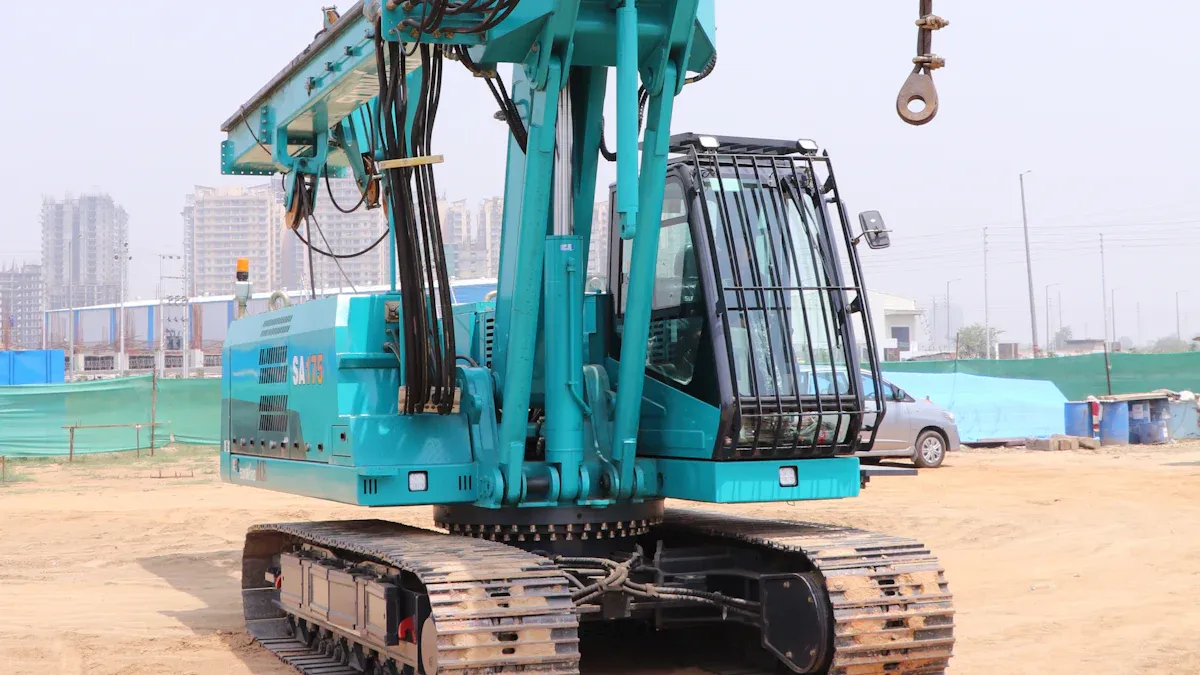
Cities are growing. Old pipes need fixing. We need to be very careful underground. Old ways often cause mistakes. They also make things slow and expensive. The trenchless drilling rig 0.4° control beats errors. It will be very exact. It will work well by 2026. This much care changes drilling. It makes sure things turn out great. CEGC is leading this new way.
Key Takeaways
-
New drilling rigs use 0.4° control to be very exact. This stops mistakes and makes projects better.
-
This exact control uses smart sensors, AI, and better drill designs. It helps the drill stay on its path.
-
Being very exact means less rework, safer work, and less harm to nature. It also lets us drill in tough places.
Precision Imperative: Why 0.4° Matters
Defining Drilling Error: Deviation, Cost, and Risk
Drilling deviation is when the drill path is not where it should be. This means the drill goes off course. It can go too far left or right. It can also go too far up or down. The angle of the drill can also be wrong. Many things can cause these mistakes. The drill rig might not be steady. The drill rod might be shaky. The ground itself can be a problem. Some rocks are soft, some are hard. This makes the drill bit move off track. Old drill parts can cause issues. The drill bit might be wrong. The person drilling can make a mistake.
These mistakes cost a lot of money. Bad soil needs expensive fixes. Hitting unknown rocks means more digging. Finding hidden holes stops the work. This makes projects take longer. It also makes them cost more. Hitting pipes or wires costs money to fix. It also leads to big fines. Fixing damaged pipes is expensive. Hitting things causes delays. These delays can last weeks. Many mistakes hurt a company's name.
Past Limitations: Control Systems and Trajectory Analysis
Old control systems were not very exact. Their path analysis was not as good. These systems depended on the driller's skill. They struggled to stay accurate. This was true in difficult ground. This caused more mistakes. It made projects riskier. They lacked detailed, live information. This made quick fixes hard. It limited how fast they could correct errors.
The 0.4° Benchmark: Real-World Application
The 0.4° control is a new goal. This exactness fixes old mistakes. It keeps the drill path correct. This greatly lowers the chance of errors. The trenchless drilling rig 0.4° control beats errors. It is very accurate. This accuracy is key for big projects. It helps projects succeed. This is true even in tough places. This new standard makes work better and safer.
Achieving 0.4° Control: How Trenchless Drilling Rig 0.4° Control Beats Errors
Getting 0.4° control is a big step. It needs new tech. Modern trenchless drilling rig 0.4° control beats errors by using smart systems. These systems work together. They guide the drill. They keep it on its path.
Advanced Sensors and Real-time Feedback Loops
Good sensors help with exactness. Motion Reference Units (MRUs) are strong sensors. They measure many things. These include pitch, roll, heave, and heading. They also measure speed and turns. MRUs are for water use. They work well. They are easy to add.
Different MRU models have different exactness:
|
Model |
Heading Accuracy |
|---|---|
|
MRU-E |
0.6 degrees (RMS) |
|
MRU-P |
0.4 degrees (RMS) |
|
MRU-PD |
0.05 degrees (RMS) |

These sensors give live data. This data is key for feedback. These loops watch drilling. They change things as needed.
-
Real-time perception of drilling and production status: Data comes from many places. Computers use this data.
-
Monitoring drilling speed and torque: Strong sensors track these. This stops jams and breaks.
-
Real-time geological steering: Logging-while-drilling gives info. Smart computers use it to change the path. This stops mistakes.
-
Pressure measurement and risk assessment: Exact sensors check pressure. Smart systems check risk. This stops blowouts.
-
Accurate perception of drilling conditions: Small sensors and smart computers watch conditions. They check data for safe drilling.
-
Drill bit wear monitoring: Pattern finding and regression analysis track wear. This sets alarms.
-
Stuck-pipe monitoring: Sensor data and smart computers guess stuck pipe. They give warnings.
-
Well kick early warning: Flow and pressure sensors get data. Smart computers check it for warnings.
Accelerometers are also important. They watch drilling parts. They check vibration data. This helps make drilling better. These systems find problems. They guess when things will break. They suggest changes. This makes drilling work better. When used together, accelerometers give live feedback. This controls speed, force, and twist. Exact checks of speed and vibration let them make changes. This makes things work best. It stops damage. Using accelerometers with other sensors gives more data. This includes pressure, heat, and flow sensors. This data lets workers watch drilling liquid. They can see ground changes live. They can make mud flow better. This makes the hole stronger. This detailed vibration analysis is very important.
AI and Machine Learning for Predictive Correction
AI and Machine Learning (ML) are changing drilling. They help stop path mistakes. AI uses old ground data. It makes 3D models of underground. These models guess how the ground will act. They find the best drilling spots. This can make success higher.
AI also makes drilling settings better. These include pressure, speed, and direction. ML changes how much is taken out. This gets the most out. It stops damage. This has cut down stopped time a lot. AI watches work at many places. It gives live alerts. These tell workers about mistakes. This lets them fix things fast. This makes work better. It makes response time faster.
AI systems use smart rules. These include learning and networks. They change drilling settings fast. Examples are weight, speed, and liquid pressure. These models work with drilling controls. They make changes on their own. This means less human work. This leads to more exact and faster drilling. It cuts delays and extra costs. BP used AI to make things better. It guides drill bits. It guesses bad well conditions live. By using predictive analytics, BP drilled more wells each year. It cut project time. This made safety and money better.
A new online ML system was made. It finds ground conditions live. It uses Measure-While-Drilling (MWD) data. This study links drilling settings to rock types. It made a list of drilling settings and samples. It made a smart model to find ground conditions. This model stays exact even in tough spots. It also made an online system for constant learning. This lets it always change. This system uses principal component analysis for data. This helps guess ground conditions well.
Enhanced Steering and Drill Head Design
Better steering and drill heads are key. They work with sensors and AI. This keeps the drill on track. New drill heads are stronger. They are made for exact moves. This includes new Down-The-Hole (DTH) hammer tech. This tech makes drilling in hard rock better. It sends more power to the bit. This cuts vibration and makes things work better.
Better pullback force models also make things more exact. ML models guess pullback force better. This is true during building. Mixed models show better exactness and steadiness. They have low Mean Absolute Percentage Errors (MAPE). This is in real Horizontal Directional Drilling (HDD) projects. These models run fast. This makes them good for live changes. This makes work better during building. This detailed vibration analysis helps make the drill head work best.
Quantifiable Benefits of 0.4° Precision in 2026
Using 0.4° exactness in trenchless drilling has many clear benefits. These help project times. They lower costs. They make things safer. They also let us do more types of projects. This level of exactness sets new rules. It changes how we build underground.
Reduced Rework and Project Delays
Very exact drilling means less rework. If a bore goes off course, fixing it costs a lot. Sometimes, we must redo the whole bore. This makes projects take longer. It also raises costs for workers and materials. With 0.4° control, the drill stays on its path. This means fewer mistakes from the start. Projects can finish on time. They might even finish early. This also saves a lot of downtime. Hitting targets right the first time avoids costly errors. It keeps projects moving well.
Minimized Environmental Impact and Frac-Out Risk
Exact drilling helps the environment. Old ways can disturb the ground more. This can hurt nature. The 0.4° control places things exactly. This makes the project area smaller. It disturbs less soil. It also lowers the risk of frac-outs. A frac-out is when drilling fluid leaks out. This can dirty soil and water. Exact steering and live checks stop these problems. This protects sensitive areas. It also follows environmental rules.
Improved Safety: Utility Collision Prevention
Safety is very important underground. Hitting old pipes is a big risk. These hits can cause bad accidents. They can also cause costly damage. The trenchless drilling rig 0.4° control beats errors by guiding exactly. This greatly lowers the chance of hitting buried lines. Directional drilling, with smart sensors, installs utilities exactly. It disturbs the surface less. Live checks make sure things are placed right. This avoids breaking existing things. Hydro excavation also helps. It uncovers utilities with great care. It uses strong water and vacuum. This finds buried things without touching them. This almost removes the chance of breaking things. Utility damages in the U.S. cost about $30 billion each year. This includes fixing, delays, and legal issues. Exact drilling helps lower this number. It stops problems that cause these costs. This keeps projects on time. It also stops emergency fixes. It lowers legal risks.
Expanded Project Scope: Complex Geologies and Urban Environments
The 0.4° exactness allows for harder projects. It lets us drill in tough ground. These places were once too hard or risky. Now, projects can go through:
-
A 20-meter wide old river channel. This channel is in the river bed. It is full of packed rocks and boulders.
-
Upright rock layers. These include hard sandstone, softer claystone, and siltstone.
-
A 6-meter thick top layer of river gravel and rocks. This is on the exit side.
-
Upright rock layers almost parallel to the crossing. They have an average tilt of only 12 degrees.
-
Constantly changing rock angles and directions. This is compared to the boreholes. It causes different drilling responses. For example, wet sandstone quickly drops angle. Hard sandstone needs much effort to lower the angle.
This exactness also makes drilling possible in busy cities. It causes less trouble like traffic jams. It also means less land needs to be bought. This makes it great for city upgrades.
CEGC's Solutions: Addressing Core Drilling Pain Points
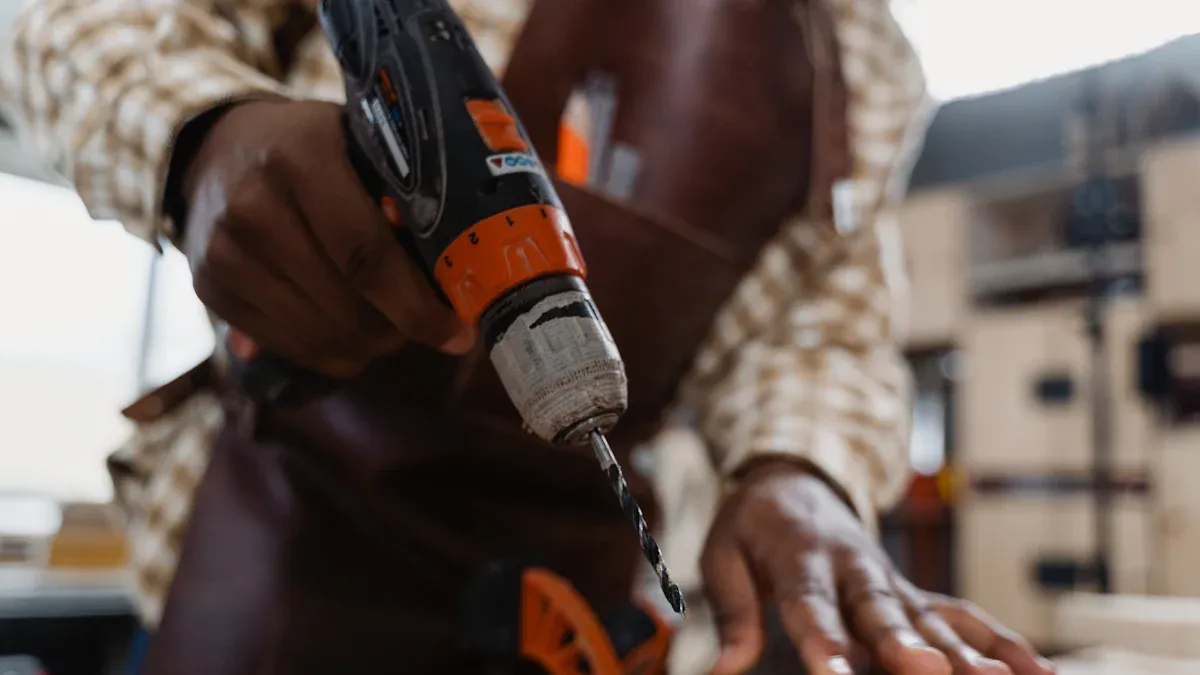
CEGC's Horizontal Directional Drilling Machine fixes common problems. Our machines help contractors. They help utilities. They help city projects. We have standard features. We also change them for special jobs.
Eliminating Bore Deviation with Precision Guidance
Bore deviation means doing work again. It causes fines. CEGC uses exact guidance. Our system controls push, pull, and spin. It has a strong frame. This lowers vibration. Carriage alignment also helps. This keeps the drill straight. Our machines work with tracking systems. This makes accuracy reliable.
Preventing Stuck Pipe with Anti-Stall Powertrain
Stuck pipe wastes money and time. Sudden torque hurts tools. CEGC's anti-stall powertrain stops this. It gives strong torque. It has a wide speed range. Hydraulic sensors control pressure. Smooth start and stop reduce shocks. This protects rods and tools. It makes production steady. This is key for drilling and production in petroleum. Too much vibration can show problems here.
Reducing Tool Wear and Consumables Cost
Fast reamer wear costs more. Wrong tools cause issues. CEGC machines work with many reamers. They give smoother torque. This stops shaking and uneven wear. Easy access makes maintenance quicker. This lowers maintenance costs. Regular vibration analysis helps guess wear. This makes the machine's health better.
Optimizing Fluid Performance and Management
Bad fluid performance causes problems. It raises stuck pipe risk. Frac-out risk is also a worry. CEGC helps size pumps. We ensure good flow paths. Our systems are ready for filters. Good mud plans are important. This stops rule problems. It helps in the petroleum industry. Our solutions help good production. This is key for the petroleum industry. Regular vibration analysis can also check pump vibration and health.
Future Outlook for Ultra-Precise Horizontal Directional Drilling
Operator Training and Skill Development
Future operators need many skills. They must know advanced trenchless drilling rig systems. Training will teach digital screens. It will teach how to read data. Operators will use AI guidance. This makes sure they use the 0.4° precision well. Ongoing classes will keep their skills good.
System Maintenance and Calibration
Keeping things exact needs careful work. Regular system maintenance is very important. This means checking sensors. It means checking steering parts. Predictive maintenance will be normal. It uses data to see problems early. This stops machines from breaking. Good calibration makes the rig work best. This lowers mistakes. It makes equipment last longer.
Integration with Digital Twin and BIM
Digital twins will change planning. These computer models copy real projects. Building Information Modeling (BIM) will join all project data. This helps with deep analysis. It helps make better choices. Teams can try out different plans. This makes project forecasting better. It also helps use resources well. This joining makes teamwork and work better.
Beyond 0.4°: The Next Frontier in Directional Drilling
We keep trying for more exactness. Future steps will aim for even smaller errors. Better data analysis will help this. Methods like principal component analysis will make us understand systems better. This will lead to new levels of exactness. Better forecasting models will guess ground conditions very well. This will allow for hard scenario optimization. The goal is to always make almost perfect drill paths.
The 0.4° control changes trenchless drilling. It makes things work better. It also makes them safer. This control stops mistakes. It saves money. It helps the environment. Projects can do more things. CEGC leads this change. Their machines are the best. They help with hard projects. This will be true in 2026. It will be true after that.
FAQ
What does 0.4° control mean for drilling projects?
This exactness keeps the drill on its path. It lowers mistakes. It stops rework. Projects become faster. They are safer.
How does CEGC's machine prevent stuck pipes?
CEGC machines have an anti-stall powertrain. It gives strong power. It uses hydraulic sensors. This saves tools from harm.
What are the main benefits of this precision?
There is less rework. Projects finish faster. It helps the environment. It stops hitting pipes. Projects can go through tough ground.


