
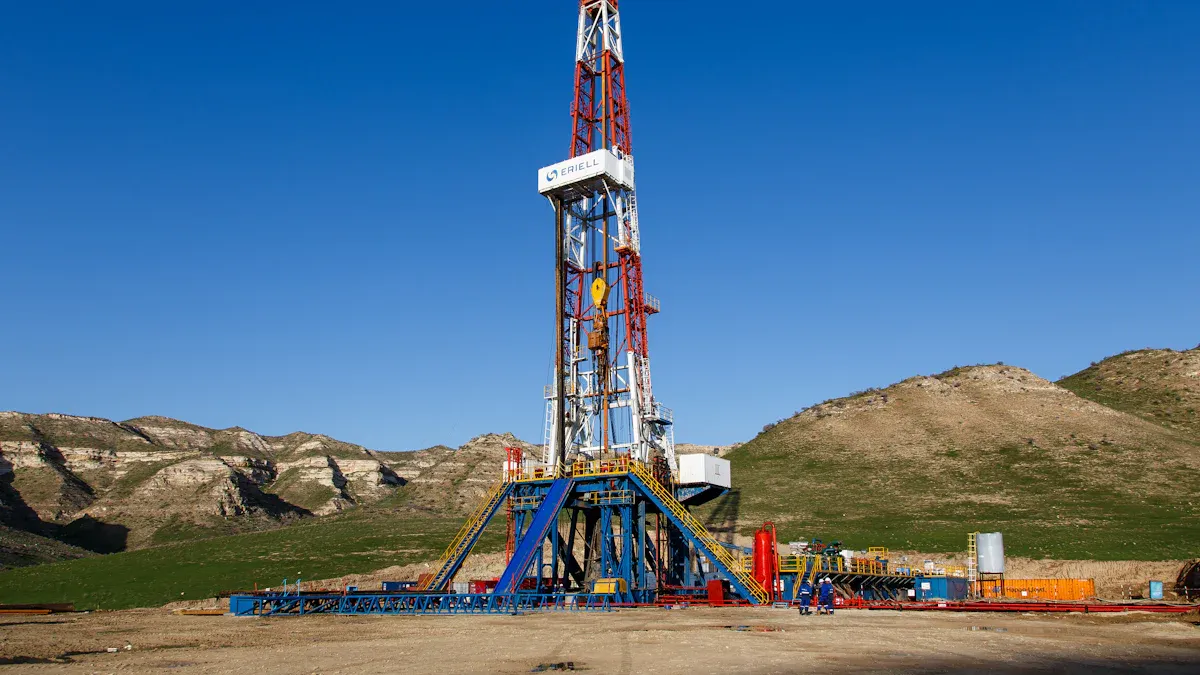
You have to keep your trenchless drilling rig safe from heat. If you do not, the rig can fail. Heat can make things unsafe for the equipment and the crew. The main reasons for heat problems are heat check cracking, lateral contact pressure, and not enough lubrication.
|
Cause |
Explanation |
|---|---|
|
Heat Check Cracking |
Heat from side pressure and bad lubrication causes fatigue failure. |
|
Lateral Contact Pressure |
Wrong alignment, high torque, and thrust make more heat. |
|
Insufficient Lubrication |
Not enough lubricant makes more friction and heat when drilling. |
You must pay attention to heat and safety at every step. CEGC gives trenchless drilling rig solutions that fit market rules and help your project. If you use Trenchless Drilling Rig Heat Protection Beats Failure, your team can work safely every day.
Key Takeaways
-
Check your cooling system often to stop overheating. Make sure the water tank is full. Make sure the coolant works well. Check that the fan is working.
-
Use the correct hydraulic oil and lubrication to lower friction and heat. Check your rig often to find problems early. This helps your rig last longer.
-
Plan work for cooler parts of the day to keep your crew and equipment safe. Give everyone lots of water. Watch for signs of heat stress.
Trenchless Drilling Rig Heat Protection Beats Failure
Cooling System Checks
You should check your rig for heat problems every day. Looking at the cooling system helps you find trouble before it gets bad. If you check the water in the tank, the engine stays cool. You also need to look at the coolant and see if the fan works. Clean the water tank a lot. Dirt and scale can stop heat from leaving. These steps help stop heat damage. Many crews have less overheating when they check the cooling system often. You keep your trenchless drilling rig heat protection beats failure plan strong by making these checks part of your work.
-
Look at the water tank to see if there is enough water.
-
Check if the coolant is good and the fan works.
-
Clean the water tank to get rid of dirt and scale.
Hydraulic Oil & Lubrication
Hydraulic oil and lubrication are important for keeping your rig safe from heat. If you use the right oil and check it often, you stop leaks and overheating. You can also find problems early and fix them fast. Upgrading hydraulic parts makes the rig work better and break less. You make your horizontal directional drilling machine last longer when you take care of oil and lubrication. The table below shows how checking and looking at parts helps your trenchless drilling rig heat protection beats failure plan.
|
Aspect of Maintenance |
Impact on Lifespan |
|---|---|
|
Routine checks |
Stops leaks and overheating |
|
Regular inspections |
Finds problems early |
|
Upgrading components |
Makes the rig work better and break less |
You do not have to pay for big repairs and your rig works longer. You also follow safety rules and keep your crew safe from heat. CEGC gives anti-stall powertrain and overload protection. These things help you control torque and pressure. You stop shock loads and keep your trenchless drilling rig heat protection beats failure plan working.
Electrical System Care
Electrical systems need care to stay safe from heat. You should check wires, connectors, and control panels for damage. If you clean and look at these parts, you stop overheating and electrical problems. Heat can hurt sensors and electronics, so you protect them from high heat. You keep your directional drilling machine working well by making electrical system care part of your trenchless drilling rig heat protection beats failure plan. CEGC makes rigs with steady power and overload protection. You get good performance and do not lose time from heat.
You keep your equipment and crew safe when you care about cooling, oil, and electrical parts. You make trenchless drilling rig heat protection beats failure something you do every day. You build drilling projects that are safer and work better.
Environmental & Operational Adjustments
Work Scheduling In Heat
You can keep your crew and equipment safe by working when it is cooler. Try to work early in the morning or late in the day. This helps you avoid the hottest part of the day. Pick someone to watch for heat safety and make sure everyone drinks water. Give water to your team many times during the day. Watch your team for signs like dizziness or confusion. These can mean someone is getting too hot. Start each day with a short meeting about heat safety. Remind everyone how to stay safe in the heat. Doing these things helps your trenchless drilling rig work safely. Your crew will also stay healthy.
-
Pick a person to watch for heat safety.
-
Give water to everyone on the team.
-
Look for signs of heat stress.
-
Talk about heat safety every day.
Mud Management For Cooling
Mud management helps control heat when you drill. You can use special cooling systems to keep the drilling fluids cool. These systems can make the return fluid much cooler, sometimes by 20–50 °C. This keeps the hole from getting too hot and protects your tools. Pick the right fluids, like water, bentonite, and polymers, to keep things cool and stable. Mix the fluids to match the type of ground you are drilling in. CEGC’s mud and fluid solutions help keep your horizontal directional drilling machine safe from heat.
-
Use cooling systems for the mud.
-
Pick fluids like bentonite and polymers to cool.
-
Mix fluids to fit the ground you are drilling in.
Adapting To Weather
Weather can change quickly. You must change your work to keep your rig safe from heat or cold. The table below shows ways you can adjust:
|
Adjustment Type |
Description |
|---|---|
|
Equipment Modifications |
Use engine anti-freeze, pre-heaters, and hydraulic heaters to stop freezing. |
|
Personnel Safety Measures |
Set up tents or cabins to keep the crew safe from bad weather. |
|
Drilling Fluid Considerations |
Keep drilling fluids above zero so they work well, even when it is cold. |
You help your trenchless drilling rig work well by making these changes for heat and weather.
Material & Tool Protection
Anti-Rust Measures
You have to keep your trenchless drilling rig safe from rust. This is very important when you work in hot places. Rust can make your drill pipe and other parts weak. Clean the rig and put on anti-rust oil after every use. This stops rust from growing. When the air is wet, rust gets worse. So, you need to be extra careful in those times. Some drilling fluids have corrosion inhibitors. These help keep your equipment strong and make it last longer.
|
Measure |
Description |
|---|---|
|
Anti-rust of drill pipe |
Clean and apply anti-rust oil after use, especially in high humidity conditions. |
|
Corrosion Inhibitors |
Essential additives in drilling fluids that prevent corrosion and extend equipment lifespan. |
Tip: Always look at your drill pipe for rust before you start. If you find rust early, you can protect your rig better.
Sensor & Electronics Shielding
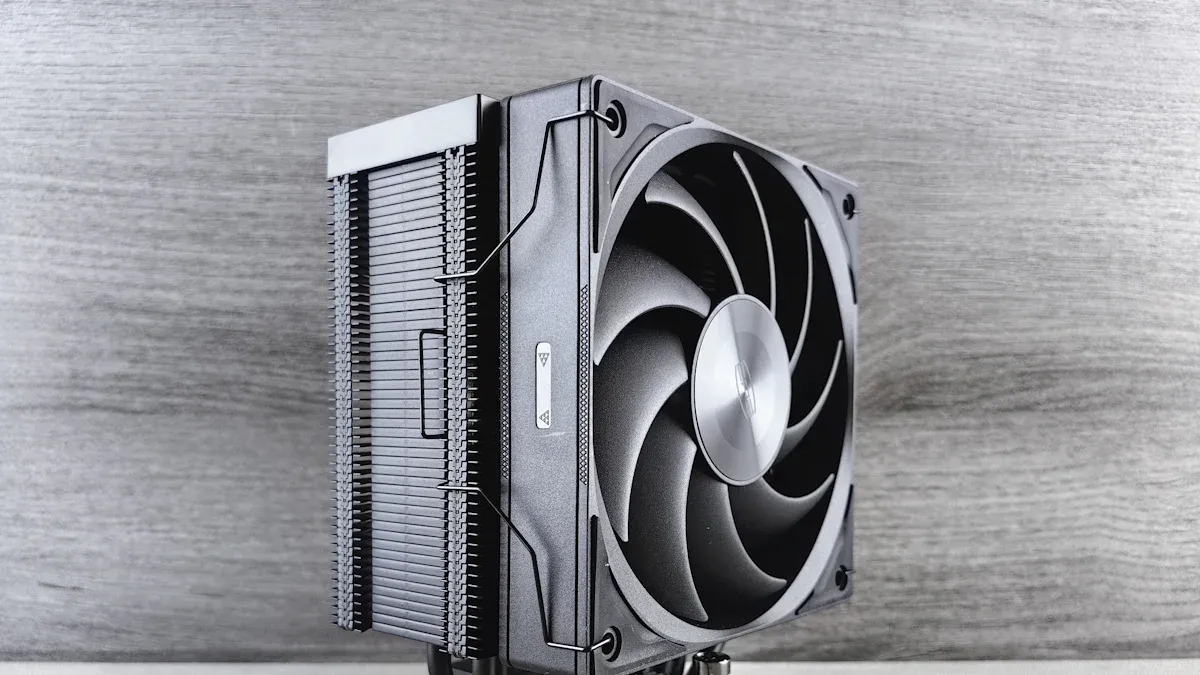
Sensors and electronics need special care when it is hot. You can use heat shields to keep these parts safe. Heat shields stop heat and damage from hurting circuit boards and solder joints. If you control the temperature, you keep these parts safe. Using shields and keeping the heat steady lowers the chance of damage. This helps your directional drilling machine work well.
|
Evidence |
Description |
|---|---|
|
Heat Shield Use |
Heat shields are employed to prevent thermal or mechanical damage to electronic components, including PCBs and solder joints. |
|
Temperature Management |
They help minimize temperature differences during processes like hot air reflow, reducing heat exposure to sensitive components. |
|
Damage Prevention |
Proper use of heat shields can prevent unintentional reflow of solder joints, which can lead to component damage. |
Note: If you protect sensors and electronics from heat, you save money on repairs and your rig works longer.
Crew Safety & Heat-Related Illnesses

Hydration & Rest Breaks
You have to drink water often when you work with a trenchless drilling rig. Water helps stop heat sickness. Drink water before you feel thirsty. Keep water close and take small sips many times. Try to drink water every 15 to 20 minutes. Eating fruits with lots of water can also help you stay cool.
-
Everyone on the team should drink enough water.
-
Taking breaks and drinking water stops heat sickness for trenchless drilling rig crews.
-
Always make sure there is enough water for all workers.
-
Set up shady spots for resting and drinking water.
Taking breaks in cool shade helps stop heat exhaustion and heat stroke. You also keep your body healthy and have more energy when it is hot outside.
Protective Gear
Wear the right clothes to stay safe from heat. Light-colored and loose clothes help you stay cool. A wide-brimmed hat keeps the sun off your head. Sunglasses protect your eyes from bright light. Gloves keep your hands safe from hot things. Use sunscreen so your skin does not burn. These steps help you stay safe and healthy when you work in the sun for a long time.
Heatstroke Prevention
You need to know what to do if someone gets heat stroke. Acting fast can save a life. The table below shows what to do for first aid:
|
First Aid Measure |
Description |
|---|---|
|
Transfer |
Move the person to a cool, air-conditioned area |
|
Heat Dissipation |
Unbutton clothing to aid breathing and cooling |
|
Cooling |
Use warm water to wipe key areas (armpits, neck, groin) |
|
Rehydration |
Provide electrolyzed water and light salt water in small amounts after ensuring no convulsions |
Sometimes, the weather at offshore sites can get as hot as 50°C. This puts drill engineers at risk for dehydration and heat sickness.
You should check the temperature and watch for signs of heat stroke or heat sickness. You lower the risk by stopping heat stroke and making sure everyone knows what to do. Talking with your team helps everyone stay safe and cool when it is hot.
Emergency & Backup Plans
Responding To Overheating
You must act fast if your trenchless drilling rig starts to overheat. First, stop the machine and let it cool down. Check the temperature gauges and warning lights. If you see high readings, turn off the engine right away. Open the engine cover to help heat escape. Do not touch hot parts with bare hands. Use gloves to protect yourself. Look for leaks or broken hoses. If you find a problem, fix it before you start the rig again. Always keep a fire extinguisher nearby. This tool can help you stop a fire if one starts because of overheating.
Tip: Practice emergency shutdowns with your crew. This helps everyone know what to do when the rig gets too hot.
Equipment Failure Protocols
You need a clear plan for equipment failure. When a part breaks, stop drilling and move everyone to a safe spot. Use your checklist to find the problem. Check the hydraulic system, electrical parts, and cooling system. Replace damaged parts with the right tools. If you cannot fix the problem, call for help from your support team. Keep spare parts and repair kits on site. This helps you fix small problems quickly and get back to work.
|
Step |
Action |
|---|---|
|
Stop drilling |
Move crew to safety |
|
Inspect equipment |
Use checklist |
|
Repair or replace |
Use proper tools and parts |
|
Call for support |
If you cannot fix the issue |
Communication Steps
You must set up strong communication steps for emergencies. Make sure everyone knows who to contact during a heat-related incident. Assign roles and responsibilities to each team member. Use radios or phones to report problems quickly. Create clear procedures for each hazard. Tell your team what to do and how to respond. Review these steps often so everyone remembers them.
-
Establish emergency communication protocols for your crew.
-
Define responsibilities and communication channels.
-
Develop response procedures for each hazard.
-
Train your team on expected actions during emergencies.
Note: Good communication keeps your crew safe and helps you solve problems faster.
You keep your trenchless drilling rig and crew safe by controlling heat. Always use these tips for every horizontal directional drilling machine job.
-
Make sure your equipment does not get damaged
-
Help your team stay healthy
CEGC gives you special plans for heat protection and strong drilling.
FAQ
What is the main cause of overheating in a horizontal directional drilling machine?
Overheating happens when you do not check the cooling system. It can also happen if there is not enough lubrication or if something blocks the air. Always look at these things before you start drilling.
How can you protect sensors and electronics from heat damage?
You can put heat shields on sensors and electronics. Keep these parts clean too. This helps your directional drilling rig last longer and saves money on fixing it.
Why is mud management important for heat protection?
-
Drilling fluids stay cool.
-
Tools do not get too hot.
-
Your horizontal directional drilling hdd works better.


