
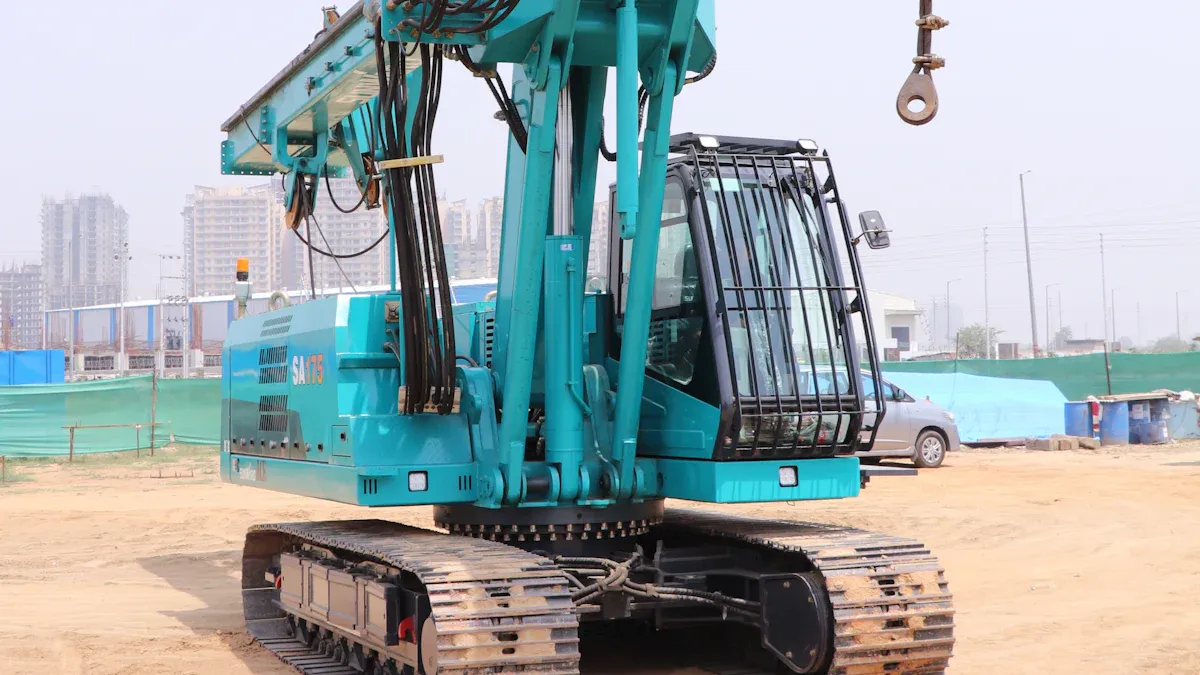
Less friction and drag are crucial for optimizing trenchless drilling operations. They enhance efficiency and productivity, allowing for faster drilling, reduced fuel consumption, and extended equipment lifespan. The Trenchless Drilling Rig Low Drag Beats Friction principle significantly improves the overall drilling experience. Addressing friction and drag isn't merely about problem-solving; it's a strategic approach to drilling. CEGC recognizes this, understanding that low drag is essential for maximizing the performance of trenchless drilling rigs.
Key Takeaways
-
Special oils make drilling easier. They are in your drilling fluid. They lower rubbing and twisting.
-
Plan your drill path well. Pick the right tools. Lighter pipes help. They avoid sharp turns. This lowers resistance.
-
New technology helps. Regular care of your rig helps. This keeps friction low. Drilling becomes faster. It saves money.
Several factors cause downhole drag. Soil conditions are a major source. Differences in soil layers or the presence of cobbles can create unintended curves, or "dog-legs," in your bore path. This extra curvature significantly increases drag. In formations with alternating soft and hard layers, reamers experience severe lateral vibration. This vibration causes premature tool failure and adds to the drag. The intensity of this reamer vibration, and thus the drag, grows with pullback force, especially in hard-soft formations. Fluid viscosity also contributes to drag; thicker fluids create more resistance. The material of your pipe and the design of your bore path also influence the amount of drag you experience. Accurately estimating these friction forces is challenging due to complex boundary conditions in trenchless laying.
Ways to Lower Downhole Friction
You can use smart ways to lower friction when drilling. These ideas make drilling work better.
Making Drilling Fluid Better with Special Oils
Making your drilling fluid better is a main plan. You can lower friction and twisting a lot. Use special drilling oils. These good oils help in many ways:
-
They make the filter cake smoother. This lowers rubbing on the drill pipe.
-
They lessen how much the drill bit touches. They also lessen how much the drilling tool touches. They lessen how much the drilling dirt touches. This lowers rubbing deep down.
-
Oils with a small contact angle make a smooth film. It sticks well to the steel.
-
Polyethylene glycol (0.1 wt%) can lower the filter cake's friction by 44.5%. It does this by making a water-repelling film. It also makes bentonite particles bigger. This lowers the surface area. It also lowers rubbing.
-
Mixing polyaspartic acid and polyethylene glycol can lower the water-based fluid's friction to 0.094. It also makes the filter cake less sticky. Polyaspartic acid makes a smooth film on metal. Polyethylene glycol adds a second layer. It uses hydrogen bonds. This makes a 'ball bearing effect' on the mud cake.
Good drilling oils greatly stop bit and stabilizer balling. This happens when drilled dirt builds up. It builds up on spinning parts. This buildup stops them from working well. Oils create a surface tension effect. They also make mud flow better. They carry dirt away from the bit. This keeps the bit clean. It makes cutting better. It keeps things working well. It stops expensive stops.
Special drilling oils work great to lower twisting. For example, one study used BaraLube W-1070. It was a fluid-friendly friction reducer. They added small amounts of 0.5% vol./vol. oil. They added it each time the fluid went around. They added up to 3% vol./vol. total. They added this while drilling from the side part. They added it until the very end (TD). This oil was picked after a careful lab study. The study checked 11 possible oils. It checked if they worked together. It checked if they could handle heat (250-270°F BHT). It checked for the lowest friction (CoF) numbers.
|
What was measured |
How much it got better |
|---|---|
|
Friction Factors (FF) |
Went down by 10% |
|
Time to finish |
12 hours less |
|
Liner Running Work |
No turning or moving fluid needed |
|
RPMs and WOB |
Stayed at best levels |
|
CoF numbers |
Lowest of 11 oils checked |
These results show how well good oils work. They lower friction. They make drilling faster. They make drilling work better overall. You can drill better. Just use the right drilling oils and extras.
Picking Low-Friction Drill Pipe and Tools
Picking the right drill pipe and coatings also helps. It lowers friction. Aluminum Drill Pipe (ADP) is a low-friction choice. It is lighter than regular steel drill pipe. This lighter weight directly helps. It lowers drag friction. Swapping regular steel drill pipe. Use lighter ADP instead. This makes drilling faster (ROP). It also makes the side drilling part longer.
Polyurethane pipes are very good at not wearing out. This is because they have less friction than metal. This quality lets things slide very well. It greatly lowers wear. This helps lower resistance. It helps where fluid changing direction causes big hits and wear. Picking these materials can greatly lower drag. It can make your drilling work better.
Smart Path Planning to Lower Resistance
Smart path planning is very important. It helps you avoid sharp turns. It lowers resistance. Path planning lowers the chance of hitting things. It lowers problems. It sets a path before you start drilling. This plan helps find possible problems. These include bases, buildings, pipes already there. Also, height differences and very sharp turns. There are tools and computer programs. They help with mapping and planning. They offer other paths. This helps lower problems. This makes a successful drill more likely.
Good planning looks at:
-
How much the pipe will bend. How much stress bending causes.
-
The shape of the site. The land's features. What limits there are.
Careful design and planning lower friction and drag. This makes your drilling work better. It makes drilling smoother.
Less Drag on the Surface and Rig
Keep Rig Parts Working Well
You must keep your rig parts in good shape. Fix them often. This stops many issues. Grease tracks, rollers, and pumps. Good grease makes less rubbing. It also makes less drag. This makes your tools last longer. It stops unexpected breaks. Good grease helps things run smoothly. It makes drilling work better. Always use good grease for all moving parts. This special grease makes less wear. It also makes things run well. Always have the right grease ready. Different parts need special grease. Picking the right grease is key. This grease keeps your tools safe. Read your manual for grease tips. Using wrong grease can cause harm.
Set Up Rig the Right Way
Setting up your rig right is very key. It puts less stress on the drill string. Always use a guide on the rig floor. This is when you put a pin into a box. This makes sure things line up. It stops damage, especially for XT parts. Your threads must be clean. They should have no dirt. Use the right tightening force. Use power tools for this. Only use tools that don't harm, like a rubber hammer. This is for breaking rod parts. You can make drilling straighter. You can also make pulling back easier. Make string grease better. Use rod grease or drilling liquids. These are types of grease. This makes less rubbing. It also makes less drag. Don't mix rods from different brands. This stops tools from breaking. It also stops harm to workers. Watch the joint's weight limit. Use a meter for this. Change the tightening force on each joint. Match it to the drilling force you expect.
Move Pipes Well and Connect Them
Move pipes with care. This makes less surface drag. Surface shaking tools help a lot. These are also called drilling stir tools. They greatly cut down drag. They make the drill string shake. This breaks still rubbing. It helps move weight better. It also helps control the tool's face. Using these tools makes drilling better. It makes drilling work well. It also makes bits last longer. This makes less rubbing overall. It makes your drilling smoother.
New Ways to Drill Better
New technology helps drilling. It makes less friction and drag. These tools make work smoother. They make work better. You can drill more. You can drill well.
Smart Drilling and Watching in Real Time
Smart drilling systems give facts fast. They watch torque and push. This data helps you choose well. You can change drilling as you go. This stops problems early. You can keep drag low. This makes work better. It makes drilling faster.
Less Shaking and Sticking
Shaking causes big problems. Stick-slip is one. The drill bit sticks. Then it slips. Then it sticks again. This makes much unwanted friction. You can make changes. Reduce weight on the bit. Make the top drive faster.
Oil companies have auto systems. These use smart software. They control friction better. Special controllers find and stop shakes. Other systems stop stick-slip. Better models look at the drill string. Sliding controllers help with stick-slip. They handle drill string moves.
Downhole tools also help. They add force. Hydraulic tools make pushes. Torsional tools make side shocks. These tools push the drill bit. This changes how rock breaks. It makes drilling efficiency better. It lowers drilling costs. It makes penetration faster.
Auto Oiling for Steady Friction Control
Auto oiling systems are useful. They give oil when needed. This keeps friction reduction steady. You do not stop to oil parts. This saves time. It stops breaks. Good oiling keeps tools smooth. It keeps drag low.
CEGC Guiding and Steady Systems
CEGC has good solutions. These are for your horizontal directional drilling machine. Their systems are key. They use load control. This control links push, pull, spin, and feed. This control lessens shakes. It stops the rig from moving. This fixes bore errors. It lessens side friction. You get more exact bores. This makes your drilling performance better.
CEGC Anti-Stall Power and Overload Guard
CEGC also has Anti-Stall Power. It has Overload Guard. This system has high torque. It works at many speeds. It uses oil sensing. It also handles pressure. It has slow start and stop. These features lessen shocks. Shocks on rods, swivels, and tools. This stops stuck pipe. It stops torque spikes. Spikes happen from much friction. This tech helps your trenchless drilling rig low drag beats friction. It stops costly issues. It helps keep penetration steady.
Making the Most of Supplies and Liquid Control
Tools That Work Well and Last Long
You need the right tools. They cause less wear. Good tools stop shaking. They stop uneven wear. This affects drag on your gear. Look at flute styles. They move chips differently. This changes friction and drag.
|
Flute Style |
Chip Movement |
Best For |
Key Advantages |
|---|---|---|---|
|
Left-Hand Spiral |
Pushes chips forward |
Through holes, cross-hole interruptions |
Chips exit ahead, less wall scoring, resists self-feeding |
|
Right-Hand Spiral |
Pulls chips back |
Blind holes, gummy materials |
Excellent chip evacuation from blind holes |
|
Straight Flute |
Minimal axial chip bias |
Short holes, hard materials |
Highest structural stiffness, good for size holding |
Shaking causes problems. Too much space on the reamer causes it. Weak holding or tool hanging causes it. Loose holders and straight reamers add to it. Strong tools last longer. Hard stuff needs strong reamers. Angles must match hardness. Carbide tips may be needed. Solid reamers are more exact. This lowers unwanted drag. Bad chip removal breaks tools. Trapped chips cause overheating. Chip breakers stop clogs. This also helps lower drag. Bad alignment causes hard hits. This chips cutting edges. It shortens tool life. Shaking makes it worse. Steady feed is important. This helps control drag.
CEGC Mud Mix and Liquid Control
CEGC helps with drilling liquids. They guide pump size. This matches flow and pressure. They help with flow paths. Filtering is important. These solutions keep liquid good. This lowers torque. It lowers stuck pipe risk. It stops frac-out. You control liquid friction better. This keeps your bore steady. This makes your drilling efficiency better.
Less Wear on Horizontal Directional Drilling Machine
Good supplies and liquid control reduce wear. This makes your horizontal directional drilling machine last. You will have less down time. This means more work hours. It means less money for fixes. This way greatly lowers friction. It makes your gear run well. You get better performance with less drag. This helps keep high penetration rates. Less drag means smoother drilling. You also save energy.
Measuring and Monitoring Friction for Optimal Performance
Key Performance Indicators for Operational Insight
You watch important numbers. These are called KPIs. They include twist, push, and fluid force. These numbers show how well you drill. They show where rubbing and drag happen. You use them to see how good your work is. This helps you make good choices.
Data Analysis for Identifying High-Friction Zones
You look at this data closely. This helps you find spots with much rubbing. You can see how drag acts. This look helps you drill better. It helps you make good choices later. You can guess problems before they start. This makes drilling smoother.
Preventative Maintenance for Sustained Low Drag
You need to fix things often. This stops parts from wearing out. It keeps drag low. Regular care keeps rubbing low. This helps your tools last longer. It keeps them working best. Remember, less drag beats rubbing for better drilling. This care helps you drill well.
You have learned ways to cut down rubbing and drag. These ideas make drilling better. They save money. They make tools last longer. Taking care of rubbing and drag helps drilling. It makes projects smoother and faster. Remember, less drag is better for success. Less rubbing means less drag. You cut rubbing in every step. This lowers all drag for drilling.
FAQ
What is the main benefit of reducing friction in drilling?
Reducing friction helps you drill faster. It saves fuel. Your equipment lasts longer. This lowers project costs.
How does CEGC help reduce bore deviation?
CEGC uses load-matched control. It has a strong frame. This reduces vibration. It keeps your bore path straight.
What causes stuck pipe in drilling?
Stuck pipe happens from high friction. It can also come from torque spikes. Hard ground conditions often cause this problem.


