
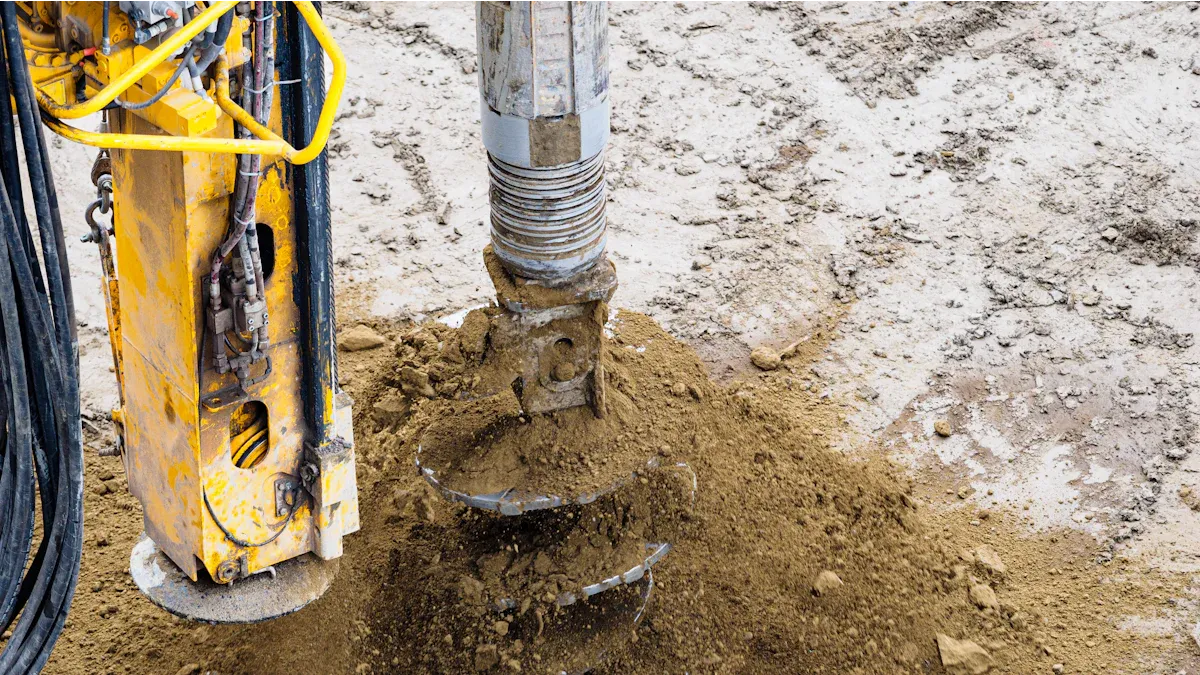
You often encounter stuck pipe and bore deviation, especially when drilling in clay. The global horizontal directional drilling market is projected to reach $17.6 billion by 2033, highlighting the need for robust solutions. A Trenchless Drilling Rig Strong Torque Beats Clay is crucial for success. Choosing the right trenchless drilling rig with powerful torque is essential. CEGC offers excellent options that will help your project succeed.
Key Takeaways
-
Clay soil makes horizontal directional drilling hard. It causes stuck pipes and makes the drill go off course.
-
A trenchless drilling rig with strong torque helps drill through sticky clay. It prevents the drill from stopping and keeps it moving smoothly.
-
Good planning, the right tools, and proper fluid management are important. They help you drill safely and successfully in clay.
Clay Soil Challenges in Horizontal Directional Drilling
Horizontal directional drilling (HDD) is hard. Some soil conditions make it harder. Clay is a very tough material. It has special traits. These traits can slow down work. They can also cost more money. Knowing these problems helps you get ready.
Understanding Clay's Unique Properties
Clay is very soft. It can be sticky. It sticks to drilling tools. It balls up. Wet clay is worse. It is hard to keep the hole clean. Clay is sticky. Cuttings clump together. This makes a thick mix. It is hard to get out of the hole.
Bore Deviation and Crossing Failure Risks
Drilling in clay can make the drill go off course. The soft soil conditions let the drill string move. It is hard to stay on track. This can cause problems. Especially under roads or rivers. You need to be exact in hdd. This avoids extra work. It avoids fines.
Stuck Pipe and Downtime in Clay
Stuck pipe is a big problem. This happens in hdd with clay. Many things cause it. Chemicals in clay react with drilling fluid. This causes hole problems. Wet clay is called 'Gumbo.' It is very soft. It makes many cuttings. These clog lines. They form clay balls. Swelling shale has bentonitic clay. It can get wet. It gets bigger. It goes into the hole. This makes tight spots. Bad hole cleaning also causes stuck pipe. Cuttings build up. They are around the drill string. This is true near the Bottom Hole Assembly (BHA). Shale swelling causes stuck pipe. Bad cleaning also causes downtime.
High Torque: The Solution for Clay
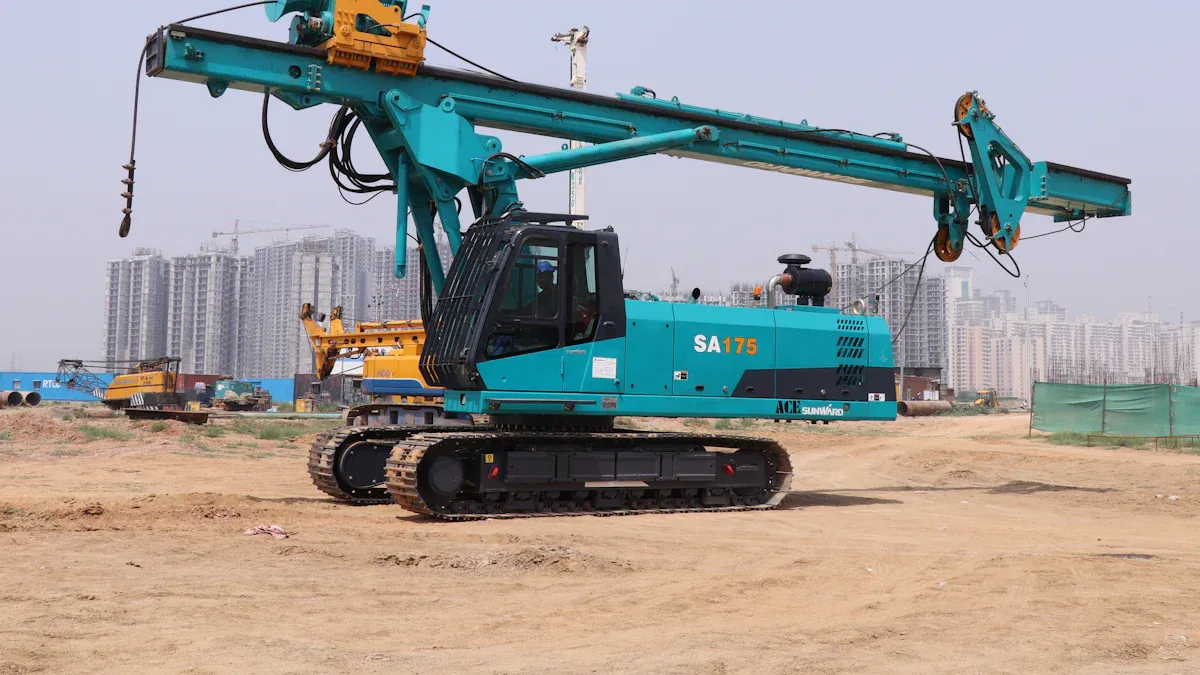
A trenchless drilling rig strong torque beats clay. It fixes your problems. High torque drills through tough ground. It makes your horizontal directional drilling smoother. You will get better results.
Torque: Overcoming Clay's Cohesion
High torque is important. It beats clay's stickiness. Your drill cuts soil better. A wide RPM range helps. You can change drilling speed. This lessens rod shock. It protects your tools. Hydraulic load sensing manages pressure. It stops equipment damage. Controlled ramp-up and ramp-down reduce stress. This keeps pipe from sticking. You drill steadily. This means less hdd downtime.
Anti-Stall Powertrain and Overload Protection
An anti-stall powertrain keeps the drill working. It stops the motor from stalling. This is key in tough clay. Overload protection is also vital. It protects your rig from harm. These systems use smart tech.
-
Digital tools show live data. You see torque and force easily. This makes work simple.
-
Electronic sensing gives instant feedback. It protects your rig from stress.
-
PE pipeline elastic balance release prevents damage. It protects gear during pulling. This makes building reliable.
-
Digital pressure tech allows exact settings. You can change rig rotation torque. You can set push/pull force. Vice clamping force can be set for protection.
These features make your hdd machine safe. They stop costly repairs. They also have emergency stops. These add more safety.
Precision Guidance and Stability Systems
You need drilling precision in horizontal directional drilling. Especially crossing roads or rivers. A good rig has load-matched control. This links thrust, pullback, and rotation. It also handles feed. This boosts your precision. Stiff frames cut vibration. They keep your carriage straight. This stops the drill from straying. Tracking-system integration helps you stay on target. You can add data logging. You can add process control. These advanced control systems give exact accuracy. They keep your bore straight. This means less rework. It saves time and money.
Selecting Your Ideal Trenchless Drilling Rig
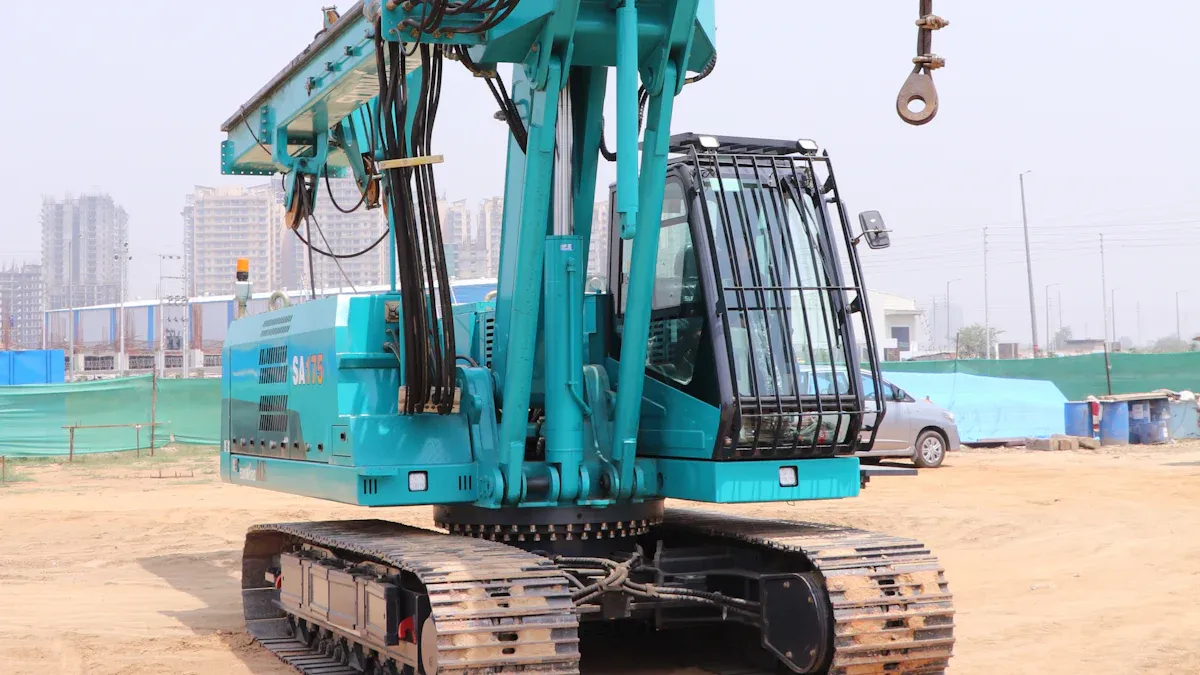
Choosing the right hdd drilling machine is very important. You need to pick one that can handle tough ground. This section helps you find the best rig for your projects. You will learn about key features and specs.
Torque, Thrust, and Power Matching
You need to match your rig's power to the job. This means looking at torque, thrust, and engine power. These numbers tell you how strong your rig is. For tough clay jobs, you need high power.
|
Parameter |
Value |
|---|---|
|
Max Torque |
45000 N.m |
|
Max Pulling/Thrusting Force |
1000/1500KN |
|
Engine Power |
264kw |
These values show what a strong hdd drilling machine can do. You must know how to use this power.
“Regardless of the bit type you choose to operate, it is very important to know how to manage rotation speed and torque, as well as thrust, to help maximize your productivity on the jobsite,” says Jason Zylstra, Vermeer Lifecycle Product Manager.
This means you need to match your tools and speed to the ground. This helps you work better. It also makes your tools last longer. Different soils need different thrust.
|
Soil Type |
Thrust Requirement (kN/m²) |
|---|---|
|
Cohesive Clay |
12 to 18 |
|
Granite |
35 to 50 |
Modern machines have smart controls. They check the ground as they drill. They change speed and thrust automatically. This keeps them working well. They can be 93% to 97% efficient. Machines that are not strong enough wear out faster. Their parts can wear 40% quicker. A powerful horizontal directional drilling rig saves you money.
Tooling Compatibility and Durability
Your tools must be strong and work well with your rig. This is true for horizontal directional drilling in sticky clay. You need tools that last.
-
CLAY CUTTER drilling fluid additive helps in all bore sizes. It stops cuttings from sticking. It prevents bore swelling. It lowers rotation and pullback pressures.
-
CLAY CUTTER DRY works in fresh or saltwater. It helps bring cuttings back. It lowers torque and drag in reactive clay. It also stops bit-balling.
-
INSTA-VIS DRY is a strong granular polymer. It is good for sticky clays and shale. It helps you drill faster. It makes the bore more stable.
You need to pick the right tools for the ground. Clay needs strong tools to cut well. Tools made from tough steel last longer. They resist wear. Soil type and moisture also affect how long tools last.
-
Directional blades work best in soft, sticky soils. They help you steer well.
-
Drill bits are for hard ground. They cut better than blades in tough spots.
-
Blade-reamers cut, mix, and clean the hole at the same time. They are good for changing soils.
Tools need to be tough. They need to last a long time.
-
Wear-resistant materials like Hardox steels make tools strong.
-
NC11LV steel is extra durable. It has special heat treatment.
-
Steel with high chromium and other metals resists wear.
-
Protective coatings can make tools last even longer.
-
Special heat treatments also help tools last.
-
Some tools have hard ceramic parts. This makes them strong where they need to be.
Clay Mitts, Clay Towels, and Clay Pads are also important. They help clean and maintain your rig. They are made to be strong and last.
Fluid Management Integration
Good fluid management is key for your hdd drilling machine. It helps prevent problems. It keeps your bore stable.
-
Centrifugal Pumps mix mud. They feed hydrocyclones.
-
Hydrocyclones separate heavy solids from the mud. They use spinning force.
-
Shale Shakers with Screens are your first defense. They shake out big pieces. The screen size is important.
You must keep your drilling mud right. This includes its thickness and how much flows. This helps remove cuttings. The right mud program balances drilling and recycling. The ground you drill in changes what mud you use. You need to size screens correctly. This keeps things flowing well. You mix mud in a certain order: water, soda ash, bentonite, dry polymers, then liquid additives. Good water quality is important. Bentonite makes the mud thick. PAC polymer makes it strong. Biopolymers also help. Be careful with liquid additives. They can change the mud.
Drilling fluid additives filter and suspend materials. These are important for long bores. Without them, you risk frac-outs. You can also have ground heaving. Pullback failures can happen.
-
In non-reactive clay, bentonite flushes the hole. A lubricant stops sticking.
-
In reactive clay, PHPA polymers stop clay from swelling. They wrap around clay particles. This keeps the bore stable.
You need the right amount of drilling fluids. This depends on the hole size and soil. You also need to check the soil safety factor. This compares fluid pumped to soil conditions. Proper pump sizing and filtration help prevent frac-out. They keep the bore stable.
CEGC: Customization for Clay Projects
CEGC understands your needs. We offer market-standard specs for our hdd drilling machine models. We also offer project-based customization. This means we can change the torque and thrust for your specific job. We can also customize rod systems. We can change control packages. This ensures your heavy duty hdd drilling machine is perfect for your clay projects. Our trenchless horizontal directional drill rig is built to perform.
How to Drill in Clay
You need good plans. These plans help you drill in clay. They make work better. They keep your project safe.
Best Drilling Liquids
Your drilling liquid plan is key. It helps you drill in clay. Tramfloc products stop clay from getting wet. They stop bits from sticking. They make things slide better. Tramfloc® 1019 does many jobs. It stops clay from swelling. It makes liquid thicker. It makes things slide. It also clumps things. Sodium Silicate liquids make clay stable. They stop bits from sticking. They stop tight holes. They stop stuck pipes. These liquids make clay stable. They form a gel. This gel coats the hole. It coats the cuttings. A KCL-PHPA Polymer system works well. It uses Potassium. This makes clay stable. PHPA coats holes. It coats cuttings. This stops clay from swelling. It stops it from spreading. Lubricants make drilling easier. They lower friction. This helps with bent holes.
How to Plan Your Path
Good planning makes your drilling work. You must check the soil. Know the clay type. Plan your path well. Avoid other pipes. This makes it exact.
Right Tools for Clay
Picking the right tools is key. You need strong drill bits. These bits handle sticky clay. They help you be exact. Find bits made for tough drilling.
Stop Spills and Follow Rules
You must follow rules. Protect the earth. Get all permits first. Follow rules from OSHA, EPA, and DOT. This makes digging safe. It sets depths. Follow rules to save soil. Protect water. Stop pollution. Follow EPA rules for waste. Follow rules for liquids. Check the soil first. Know its type. Know its strength. This helps you drill. It helps pick tools. It helps pick liquids. This makes a stable path. Fix areas you disturb. Make them like new. Update your maps. Send reports to officials.
Maintenance and Safety for Clay Operations
Rig Longevity Through Proper Maintenance
You must care for your rig. This makes it last longer. Check it often. This stops breakdowns. Clean your tools daily. Especially after working in clay. Grease all moving parts. This is very important. Good care saves money. It stops big repairs. A good rig is safer. It avoids surprises. This keeps your work on time. It stays on budget.
Operator Skill and Training
Good operators are key. They know how the rig works. They handle tough clay well. Training makes them better. It teaches them good ways to drill. This keeps everyone safe. Trained operators work fast. They make fewer errors. This makes the site safer. They also react fast. They handle surprises well.
Site Safety and Risk Mitigation
Site safety is most important. Follow all rules closely. Check the ground first. Clay can be tricky. Use supports if needed. Your rig has safety parts. These keep workers safe. Always hold safety meetings. Talk about the plans. Keep everyone safe first. This stops accidents. It makes work smooth. It follows rules.
You know how a trenchless drilling rig strong torque beats clay. Pick the right hdd drilling machine. It is very important. Use your hdd drilling machine with smart hdd methods. This makes horizontal directional drilling work well. Buy a good hdd drilling machine from CEGC. It stops work delays. Your hdd drilling machine will make money. It helps your hdd project succeed. Choose the best hdd drilling machine.
FAQ
What is the biggest challenge when drilling in clay?
Clay is sticky. It balls up. This causes stuck pipe. It also makes your bore go off course. You face rework and delays.
How does high torque help in clay?
High torque cuts through sticky clay. It prevents stalling. This keeps your drill moving. It reduces shock loads on your tools. You get smoother progress.
Why is fluid management important in clay?
Good fluid management prevents frac-out. It keeps your bore stable. It removes cuttings. This stops pipe from getting stuck. You avoid environmental issues.


