
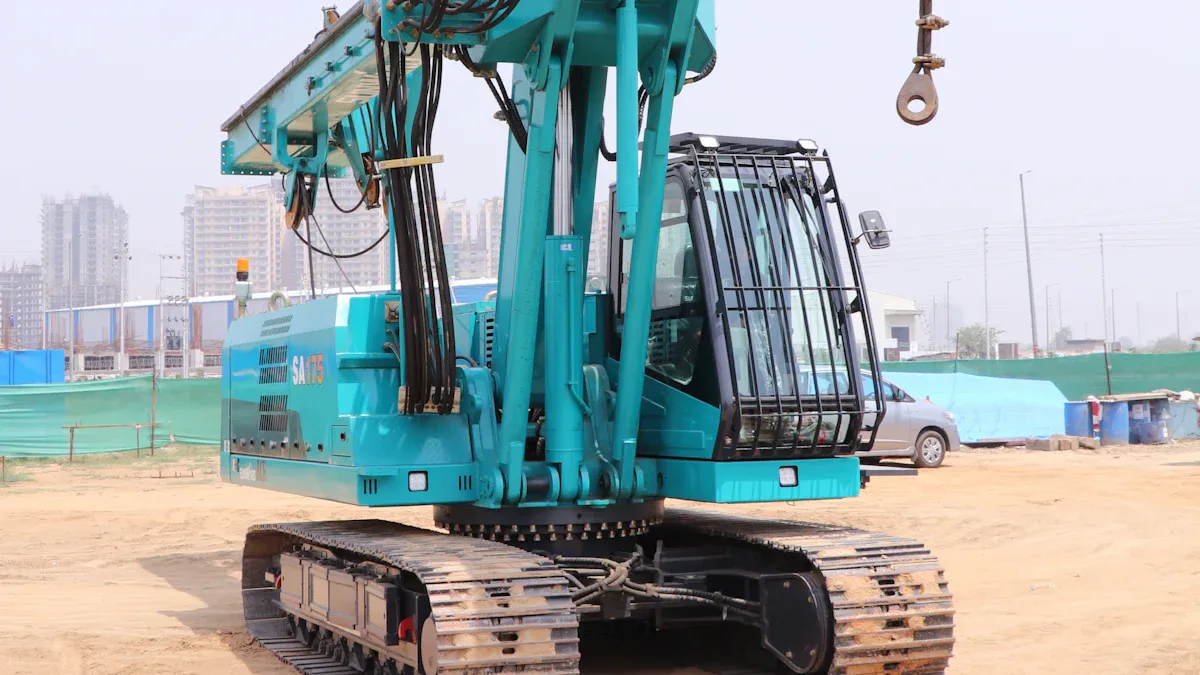
You deal with hard ground all the time. Trenchless Drilling Rig Variable Mud Beats Conditions because you can change things for each problem. With CEGC’s horizontal directional drilling machine, you can change mud properties to fix problems like:
-
Bore deviation by making mud flow better
-
Stuck pipe by lowering pressure and making it more slippery
-
Fluid loss by watching and controlling the fluid carefully
Key Takeaways
-
Variable mud systems let you change mud properties right away. This helps drilling work better and keeps it steady in tough soils.
-
Advanced fluid control cuts down on delays and saves money. It makes drilling fluids last longer and creates less waste.
-
Picking the right mud for each job makes drilling more exact and lowers risks. This makes trenchless drilling safer and works better.
Trenchless Drilling Rig Variable Mud Beats Conditions
Variable Mud System Basics
You need a trenchless drilling rig variable mud beats conditions approach to handle every job. Mud systems let you change the mix for each ground type. You can use mud mixing systems with different tank sizes, from 300 to 1,000 gallons. These systems help you keep the right mud flow and pressure for your trenchless drilling project.
-
Advanced drilling technology lets you adjust mud properties for each soil.
-
You get more power and better fluid control, so you can drill through tough ground.
-
Intelligent controls help you set the right torque and speed for each geology.
Tip: Modular mud systems save space and let you match the setup to your trenchless drilling rig variable mud beats conditions needs.
Performance in Unstable Soils
Unstable soils can cause borehole collapse or fluid loss. You need a trenchless drilling rig variable mud beats conditions solution to keep your project on track. Variable mud systems let you change the mud in real time. Automated controls use sensors to check mud properties and suggest changes as you drill. This helps you avoid stuck pipe and keeps the borehole stable.
|
Solution |
Benefit |
|---|---|
|
Stops mud solids from settling and reduces mud loss in tricky formations |
|
|
CWD and CCS Together |
Cuts down on lost time from geomechanical issues |
|
CWD Use |
Speeds up casing and keeps mud moving to prevent kick flows |
You also help the environment. Mud systems with drying shakers and dryers cut landfill waste by up to 70%. You can even recycle dried cuttings for road work. With trenchless drilling rig variable mud beats conditions, you get better control, less risk, and a cleaner job site.
Trenchless Technology and Ground Challenges
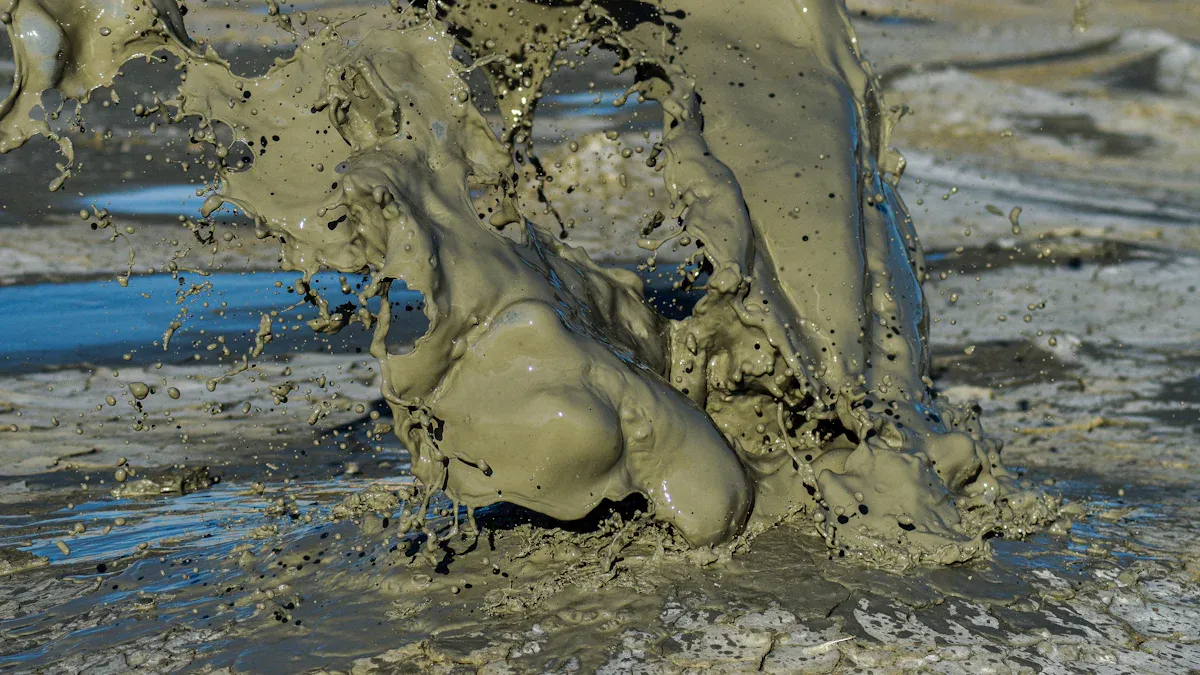
Challenging Clay Formations
Drilling through clay is often very hard. Clay can swell when it touches water. This makes the borehole unstable. You might see bit balling, fluid loss, or problems with long shale intervals. These problems slow down work and cost more money in trenchless jobs.
-
Drilling and casing off long shale can take extra time.
-
Bit balling makes it tough to keep the borehole clean.
-
Fluid getting in can weaken the ground and cause collapse.
Variable mud systems help with tough clay. You can use special water-based fluids to keep the borehole stable. These fluids also help stop fluid loss. Shale inhibitors stop clay from swelling and keep the borehole strong. Using the right mud helps you drill better in clay. CEGC’s trenchless technology lets you change mud for each job. This keeps your project moving forward.
Fluid Control and Bore Stability
You must control mud flow and pressure to keep the borehole safe. Pumping enough mud balances the pressure and stops blowouts. You can change mud density to support the walls and stop collapse. Mud makes a thin filter cake on the walls. This seals them and keeps the borehole strong.
-
Pressure control keeps the borehole safe from too much fluid.
-
Supporting the ground stops the walls from falling in.
-
Filter cake seals the borehole and adds strength.
-
Lubrication and cooling protect the borehole from heat.
-
Less fluid loss keeps the borehole strong and safe.
Advanced fluid control systems give you clear benefits. Removing solids makes the fluid last longer and saves money. A balanced mud system means less downtime. You spend less because you waste less and need less new fluid. Equipment lasts longer because mud cuts down on damage.
|
Benefit |
Description |
|---|---|
|
Extended fluid lifespan |
Removing solids makes fluid last two to three times longer, saving money. |
|
Reduced downtime |
Balanced mud systems mean less downtime and better drilling. |
|
Lower operational expenses |
Less waste and less new fluid means lower costs. |
|
Improved equipment longevity |
Less damage to equipment means it lasts longer. |
Precision and Directional Control
You need to be accurate when crossing roads or rivers. Trenchless technology uses smart mud systems for better control. Changing mud properties can make accuracy about 30% better. This is important in different types of ground. You must keep the borehole on target.
Research shows more mud flow and pipe rotation moves cuttings better. This keeps the borehole clean and helps you stay on track. New drilling models use more data, like cutting amount and bed height, to predict the path. You get better control and accuracy.
Tool wear is a big problem in trenchless drilling. Tools can get damaged by abrasion, sticking, breaking, or rust. Mud and additives help by making a protective layer and making things slippery. For smooth tool joints, mud type and additives matter most. For rough tool joints, the roughness is the main problem.
You can use cement mud mixers, real-time checks, automatic dosing, and quality systems. These tools help you handle tricky ground and get better results. CEGC’s drilling machine lets you match mud to each job. This gives you good results every time.
Technical Solutions and Real-World Impact
Advanced Mud Integration
Trenchless technology gets better every year. Now, you can use new drilling fluids that help the environment and keep your project safe. These fluids help keep the ground stable, cool the drill, and make things slippery. The HDD Mud Recovery System uses three steps to clean the mud. It takes out solid bits and saves energy. This system makes less waste and helps keep jobs cleaner.
The GSME1200 pump mixes hdd mud well. It finds problems by itself and has a big electric drive. You can control the mud flow with a PLC. This makes it easy to run from far away. You can change the mud flow fast and keep drilling going. These tools help you use more mud and handle ground changes. You move cuttings better and lower the chance of stuck pipe.
-
Better wellbore stability keeps the hole safe.
-
Good cuttings transport stops blockages.
-
Being able to change helps in different ground.
Case Study: HDD Success with CEGC
You want to see real results in trenchless work. CEGC’s drilling machine shows how good mud systems help. In a recent job, you watched mud properties in real time. Automation made fewer mistakes and kept the site safe. You made fluid treatments better and worked on important tasks.
|
Evidence Point |
Description |
|---|---|
|
You changed mud treatments fast and stopped lost circulation. |
|
|
Automation |
You made drilling safer and more accurate in tough jobs. |
|
Optimization |
You saved time and made the project work better. |
You can see how trenchless technology and better mud systems make drilling safer and more successful.
Variable mud systems make it easier to fix hard ground problems in trenchless work. You can change the system for each project and get help from experts. It is important to be able to adapt and use different tools together.
|
Description |
|
|---|---|
|
Engineering Consultation |
Experts give you advice for your project |
|
On-Site Technical Support |
Helpers come to your site and solve problems |
Check out CEGC’s solutions for your next job.
FAQ
What is a variable mud system in trenchless drilling?
A variable mud system lets you change mud properties during drilling. You can adjust for different soils and keep your borehole stable.
How does CEGC’s horizontal directional drilling machine help with stuck pipe?
You use CEGC’s machine to control mud flow and pressure. This reduces stuck pipe risk and keeps your project moving.
Can you recycle drilling mud on site?
Yes, you can recycle drilling mud. Modern systems clean and reuse mud, which saves money and helps protect the environment.


