
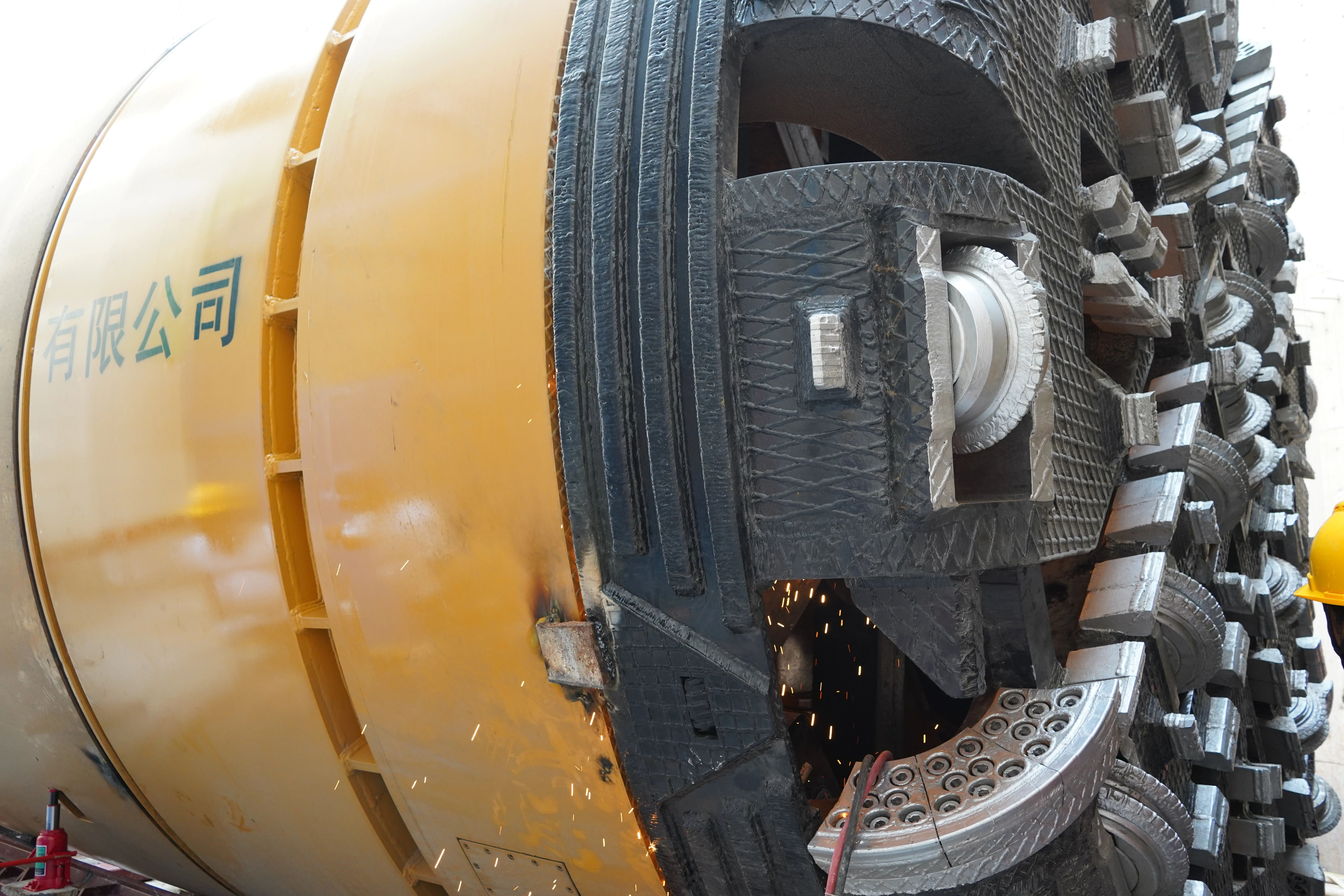
Uneven thrust can drive yaw in a TBM tunnel, altering the tunnel’s path and leading to costly alignment issues. It is crucial to address this concern, as it can result in additional stress and ground sinking, as demonstrated in the studies below.
|
Aspect |
Description |
|---|---|
|
Key Findings |
Yaw in shield tunneling raises stress and ground sinking, potentially impacting the overall project outcome. |
CEGC provides solutions that assist in managing thrust balance, ensuring that your tunnel boring machine maintains a straight trajectory.
Key Takeaways
-
Uneven thrust can make a tunnel boring machine yaw. This can cause the machine to go off track. It may lead to problems with alignment and cost more time and money.
-
It is important to watch yaw with guidance systems and sensors. This helps keep the tunnel on its planned path. It also stops the ground from settling too much.
-
Changing the thrust and setting up the machine right can help control yaw. This makes tunneling safer and helps the work go faster.
Yaw in TBM Tunnels
What is yaw?
You may hear the term yaw when working with a tunnel boring machine. Yaw describes the rotation of the machine around a vertical axis. Imagine looking down at a TBM from above. If the front of the machine turns left or right, that movement is called yaw. This rotation does not move the machine forward or backward. Instead, it changes the direction the tunnel will follow. Yaw can happen for many reasons, but uneven thrust is a common cause. When the forces on each side of the TBM are not equal, the machine can start to rotate. You need to understand yaw because it can change the path of your tunnel.
Why yaw matters for tunnel alignment
Yaw plays a big role in tunnel construction. If you do not control yaw, your tunnel may drift away from its planned path. This can lead to problems with alignment. You might face extra costs or delays if the tunnel does not match the design. Yaw can also make it harder to connect the tunnel to other structures. In some cases, too much yaw can cause the ground above the tunnel to settle or crack. You want to avoid these risks by watching for yaw and correcting it quickly.
Tip: Use guidance systems and regular checks to keep yaw under control during your project.
Uneven Thrust Can Drive Yaw in a TBM Tunnel
Causes of uneven thrust
Operating a tunnel boring machine is not easy. Uneven thrust can cause yaw in a TBM tunnel. You need to know how this happens. Many things can lead to uneven thrust. Here are some main reasons:
-
Hydraulic jacks push the machine forward. Sometimes, they do not work together well.
-
The ground changes as you dig. Soft soil, hard rock, or mixed layers can make the machine unstable.
-
How you set up the machine matters. If the setup is wrong, the machine can drift.
-
Cutters wear out faster in tough ground. This makes one side work harder.
-
Water can make the ground soft. The machine may lose balance.
-
Steering gets harder when the tunnel boring machine faces uneven surfaces.
Each part affects uneven thrust. The table below shows how these parts impact your tunnel boring machine:
|
Component |
Role in Uneven Thrust |
|---|---|
|
Hydraulic Jacks |
Control thrust and move the TBM. Each jack’s thrust is managed by an algorithm. |
|
Ground Conditions |
Change how the TBM works. They affect stability and how fast it moves. |
|
Machine Setup |
How you set up the TBM helps it stay straight and avoid drifting. |
Ground conditions are very important for uneven thrust. Discontinuity orientation and strength-stress ratios change how stable the tunnel face is. If the ground is not lined up well, blocks can slide toward the cutterhead. This makes the surface uneven and changes thrust. Lower strength-stress ratios create plastic zones. When these ratios are less than 0.6, you see more face extrusion. This causes uneven thrust and makes the tunnel boring machine harder to control.
How uneven thrust leads to yaw
Uneven thrust can cause yaw in a TBM tunnel. The machine rotates around its vertical axis. If you push harder on one side, the machine turns. This turning is called yaw. If you do not fix it, the tunnel boring machine will leave its planned path.
Here is how it happens:
-
Hydraulic jacks push the tunnel boring machine forward.
-
If one jack pushes harder, the machine turns toward the weaker side.
-
Ground changes make the machine face more resistance on one side.
-
The tunnel boring machine rotates, and the tunnel path changes.
You need to watch for uneven thrust. If you see yaw, act quickly. CEGC has guidance systems to keep your tunnel boring machine on track. These systems use real-time data to change the machine’s direction. You can also change your tunnel machine to fit your project. CEGC’s solutions help you manage uneven thrust and reduce yaw. You get better alignment and fewer risks.
Note: Uneven thrust can cause yaw in a TBM tunnel. You can control it with the right tools and support. CEGC gives guidance, steering, and machine customization to help you succeed.
Effects and Control of Yaw
Consequences of yaw and ground settlement
Yaw can cause many problems in tunneling. If the shield tunnel starts to yaw, it may not follow the planned path. This can make the tunnel bend or change shape. The ground above the tunnel can sink. This is called settlement. Settlement is a big problem, especially in cities. Too much settlement can hurt roads, buildings, or pipes above the tunnel. You might see cracks or dips on the ground. There are strict rules about how much the ground can settle. If you go over these rules, you may have to stop work or fix the tunnel. Tunnel bending and settlement can also make it hard to connect the tunnel to other places. You want to stop these problems by controlling yaw during tunneling.
Monitoring and mitigating yaw
You need to watch yaw closely in every tunneling project. Sensors on the tunnel machine measure yaw, pitch, and roll. Laser guidance systems help you see where the shield is.
During digging, it is very important to know the TBM’s position. The position has three angles: yaw, pitch, and roll. Sensors on the TBM measure these angles. Laser guidance systems are used a lot. In these systems, a laser tool is put in the jacking shaft. The laser shines on a target board on the TBM. By looking at the laser spots, you can find the angles.
You can change thrust to keep the shield on track. Here are some ways to balance thrust and lower yaw in tunneling:
-
Change the gripper cylinder pressure to fix sideways moves.
-
Change the torque cylinder pressure to fix up and down moves.
-
Change both if there are problems in both ways.
Guidance, steering, and pressure control systems are very important in tunneling. These systems help keep the tunnel straight and at the right level. The table below shows how these systems help with tunnel alignment:
|
Evidence Description |
Role in Tunnel Alignment |
|---|---|
|
The system makes correction curves if the TBM moves too far. |
It keeps the tunnel in the right shape. |
|
A good guidance system is needed for microtunneling. |
It helps control the tunnel’s line and level. |
|
The laser system has a laser, a target, a control box, and a data logger. |
It finds the tunnel’s line and level by looking at laser spots. |
|
Modern TBMs use laser, gyroscope, and GPS together. |
They keep the tunnel in the right place by checking its position all the time. |
You can also use other ways to stop settlement and tunnel bending. You may need to slow down the digging, change the cutter head, or change hydraulic pressure. These steps help keep the shield steady and lower settlement during tunneling.
There is a clear connection between uneven thrust and yaw angle in TBM tunnels. Watching for these problems early makes the tunnel safer and faster to build. Guidance systems help you control yaw and finish the tunnel with fewer delays. CEGC gives you tools to keep the tunnel straight and lets you change settings for your project. The table below lists important ways to measure how well the tunnel is being built.
|
Description |
|
|---|---|
|
Average Rate (AR) |
Measures the average speed of TBM |
|
Performance Ratio (PR) |
Compares actual performance to expected performance |
|
Utilization (U) |
Indicates the efficiency of TBM usage across different rock types |
FAQ
What is the main cause of yaw in a TBM tunnel?
You often see yaw when thrust is not balanced. Uneven force from hydraulic jacks or changing ground makes the tunnel machine turn.
How can you control yaw during tunneling?
You can use guidance systems, adjust thrust, and monitor sensors. These tools help you keep your TBM tunnel boring machine on the right path.
Why should you care about ground settlement?
Ground settlement can damage roads and buildings above your tunnel. You must control yaw and thrust to protect the surface and meet project rules.


