
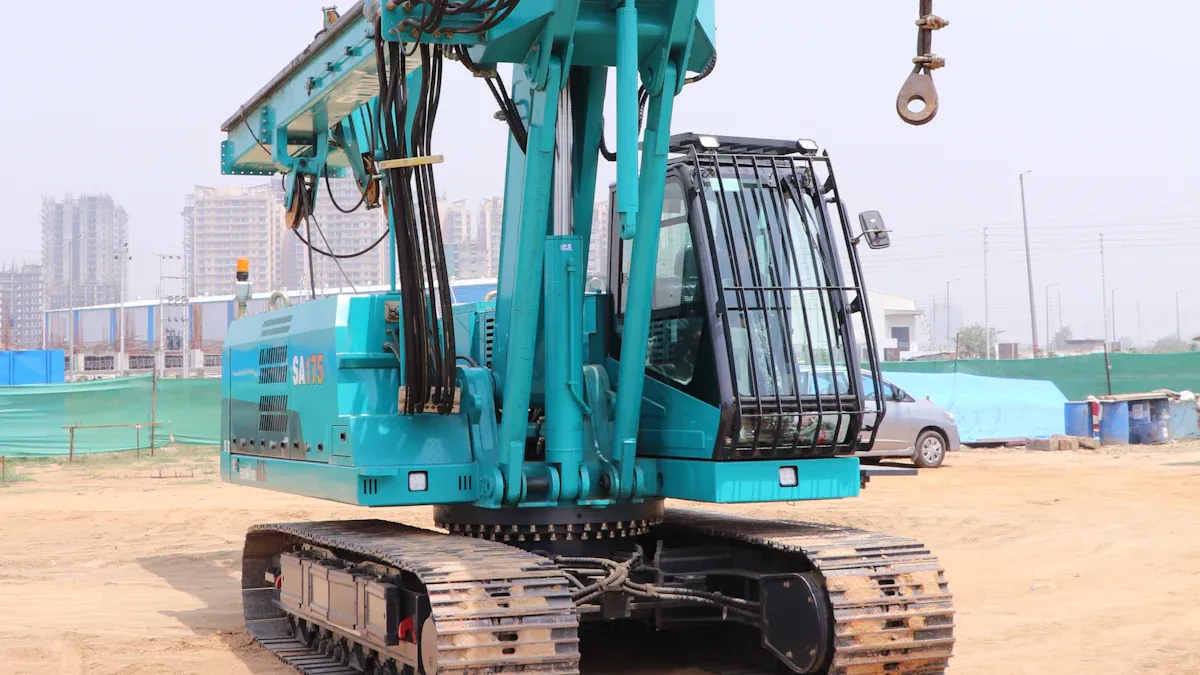
You can make work faster and save money with CEGC’s horizontal directional drilling machines. Our well drilling rig 90% mud reuse handles long work efficiently by utilizing smart recycling systems. This mud reuse not only enhances productivity but also helps comply with environmental regulations. Look at the table below to see the impressive results:
|
Metric |
Value |
|---|---|
|
Fresh mud needs (bbl/bbl hole) |
Reduced from 3.0 to 1.6 |
|
Cost savings per m³ |
$40–50 USD |
|
Percentage of mud cleaned |
>90% |
Key Takeaways
-
You can use up to 90% of drilling mud again. This helps save money and makes less waste. This way, you spend less on new mud and throwing away old mud.
-
Use advanced mud recycling systems to make drilling better. These systems keep the mud good and help the environment.
-
Use a clear process for mud management to recycle well. Check the mud often and take care of equipment. This keeps drilling safe and running smoothly.
Well Drilling Rig 90% Mud Reuse—Core Process
Mud Reuse in Directional Drilling
You face many challenges when you try to keep your drilling projects efficient and clean. Well drilling rig 90% mud reuse handles long work by using advanced systems that help you save money and protect the environment. When you use horizontal directional drilling machines or trenchless drilling rigs from CEGC, you can cut down on drilling fluid waste and lower disposal costs. You also make your worksite safer and more organized.
Here are some common challenges you might see:
-
High disposal costs make it hard to manage drilling fluid waste.
-
You need strong mud recycling systems to keep the quality of your mud high.
-
Keeping your mud recycling units working well is important for every project.
-
Mud recycling helps you manage logistics on long, deep bores with large machines.
-
The cost of getting rid of drilling wastes is high, so you need the best cleaning equipment.
John Miller, a leader in the drilling industry, says that recycling mud saves water and bentonite. This means you save time and money. When you use well drilling rig 90% mud reuse handles long work, you get better results and fewer problems.
Mud Recycling System Components
You need the right tools to make sure your mud stays clean and ready for reuse. Each part of the mud recycling system has a special job. Here is a quick look at the main components and what they do:
|
Equipment |
Function |
|---|---|
|
Separate large solid particles from the drilling mud. |
|
|
Mud Cleaners |
Remove finer particles and improve the quality of the mud. |
|
Desanders |
Use centrifugal force to take out medium-sized particles. |
|
Desilters |
Target even smaller particles for better mud quality. |
|
Centrifuges |
Separate very fine solids from the mud. |
|
Degassers |
Take out gases to keep the mud stable and safe. |
|
Agitators |
Keep the mud mixed so solids do not settle. |
|
Centrifugal Pumps |
Move mud between tanks and different parts of the system. |
|
Jet Mud Mixing |
Mix new mud quickly and evenly when needed. |
These parts work together to help well drilling rig 90% mud reuse handles long work. You use less fresh water and lower your costs. You also help the environment by reducing drilling wastes and following rules for safe disposal.
Process Steps for Long-Term Operations
You need a clear process to keep your mud clean and ready for recovery and reuse. Well drilling rig 90% mud reuse handles long work by following these steps:
-
Collect Used Mud: You gather the mud that comes out of the borehole.
-
Initial Separation: Shale shakers remove large solids from the mud.
-
Further Cleaning: Mud cleaners, desanders, and desilters take out smaller particles.
-
Gas Removal: Degassers pull out any gases to keep the mud safe.
-
Fine Particle Removal: Centrifuges get rid of the finest solids.
-
Mix and Adjust: Jet mud mixing units add new materials if needed.
-
Storage and Circulation: Pumps and tanks keep the mud moving and ready for reuse.
-
Thermal Desorption (for oil-based mud): You heat the mud to separate oil from solids, which lets you reuse both.
-
Regular Monitoring: You check the mud quality and adjust the system as needed.
The closed-loop system can eliminate or greatly reduce the use of open pits. Closed-loop systems are better for the environment, lower your well construction costs, and reduce risks from spills and leaks. You also have fewer worries about rules and fines. This system makes your solids control better and helps you drill faster with less fluid loss.
You must follow good habits to keep your system working well:
-
Focus on total fluids management to use less and waste less.
-
Design your mud to reduce waste and think about environmental impacts.
-
Keep your mud in good shape by choosing the right materials and managing solids.
-
Try to lower the amount of drilling wastes you need to throw away.
Strict process management helps you get the most out of your mud recycling. You need to control solids, keep mud properties steady, and balance reuse with good drilling. When you do this, well drilling rig 90% mud reuse handles long work and gives you better results for every project.
You also need to take care of your equipment. Check pumps, tanks, and sensors often. Clean and fix parts before they break. Train your team so they know how to run and maintain the system. This keeps your mud recycling strong and your drilling smooth.
By following these steps, you make sure your drilling mud stays useful. You cut down on drilling wastes, save money, and help the environment. Well drilling rig 90% mud reuse handles long work and gives you a smart, safe way to drill.
Technologies and Benefits of Mud Reuse
Advanced Separation and Monitoring
You can get better drilling results with advanced separation and monitoring. Modern mud recycling systems use shale shakers, desanders, and desilters. These tools take out solids and contaminants from mud. This process makes your drilling fluid last longer and costs less. You also control drilling wastes better and lower impacts on your site.
Real-time monitoring systems help you work safely and quickly. You see data right away and make fast changes. Sensors and data systems keep mud properties steady. This helps you avoid wellbore problems and keeps your project moving.
Operational and Environmental Advantages
You get many benefits when you reuse mud at high rates. The table below shows some main advantages:
|
Advantage |
Description |
|---|---|
|
Cost Savings |
Cuts costs for new mud and waste disposal, including transport. |
|
Environmental Protection |
Lowers impacts and reduces risk of soil and water contamination. |
|
Operational Efficiency |
Keeps drilling going without long stops for fluid replacement. |
|
Improved Performance |
Maintains mud quality, boosts drilling speed, and protects equipment. |
You also spend less on waste management and reclaim useful parts from drilling wastes. By recycling mud, you help the environment and follow rules for safe disposal. You make fewer truck trips, which lowers the risk of spills and other impacts.
Custom Solutions for B2B Projects
You can pick a system that fits your project needs. CEGC offers standard specs and custom options. For example, a 500GPM mud recycling system works well for horizontal directional drilling and coal bed methane projects. It uses three-stage separation, dual pumps, and strong materials. If you need to handle oily slurry, you can use a compact system with a 3-phase decanter centrifuge. This setup treats tank cleaning wastewater and separates solids, liquids, and oil.
You can add modules for oily slurry transfer or wastewater treatment. These custom solutions help you manage drilling wastes and lower impacts on every job. You get reliable mud performance and meet all environmental needs.
You can reuse up to 90% of mud with CEGC’s horizontal directional drilling machines. Advanced recycling systems clean the mud and make it good again. This process saves money and cuts down on waste. It also helps you follow environmental rules. Pick CEGC for solutions you can trust and change to fit your project. These systems help your next trenchless or directional drilling job.
FAQ
How does mud reuse help your drilling project?
You save money and protect the environment. You use less water and reduce waste. Mud reuse also keeps your worksite cleaner and safer.
What equipment do you need for 90% mud reuse?
You need shale shakers, mud cleaners, desanders, desilters, and pumps. These tools clean and move the mud so you can use it again.
Can you customize the mud recycling system for your project?
Yes! CEGC offers standard and custom solutions. You can choose the right system for your drilling needs and site conditions.


