
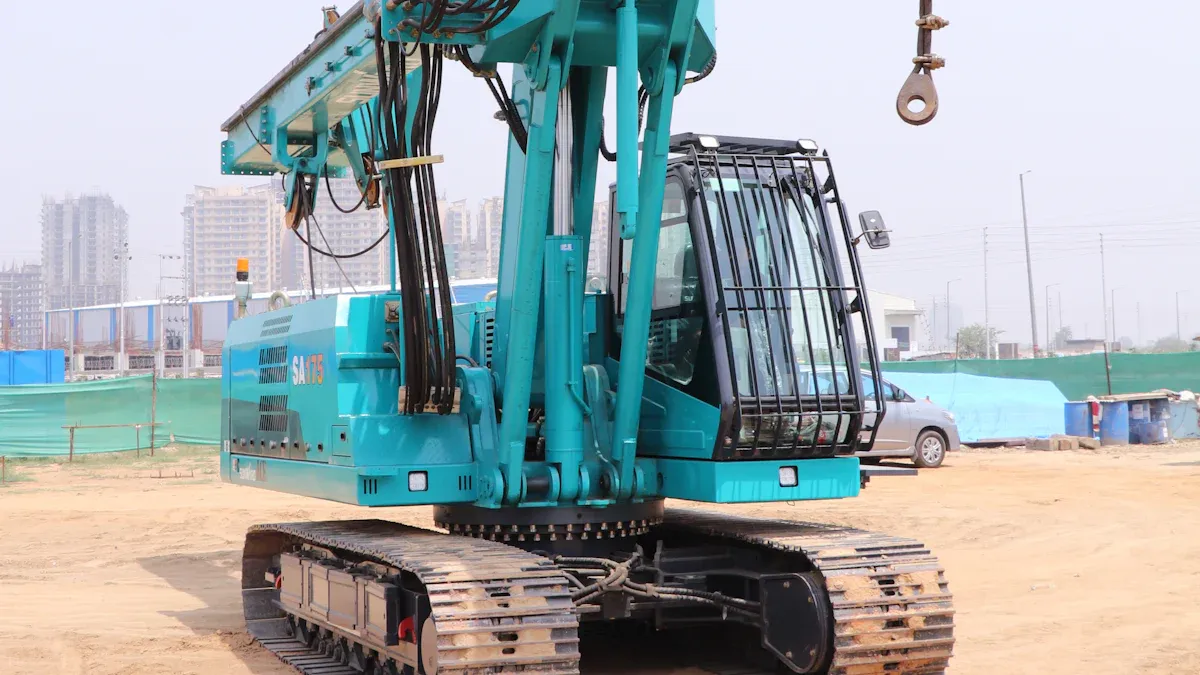
You need a drilling rig that works for every job. A Well Drilling Rig Adjustable System Handles Any Load, ensuring it matches power to what you need. CEGC’s horizontal directional drilling machine incorporates this advanced system. The system allows you to change thrust, torque, and speed seamlessly. This adjustable system utilizes load-matched control, keeping load handling safe and efficient. You can drill through hard rock or soft soil with confidence. The adjustable system helps you stay on target, while its anti-stall powertrain prevents the pipe from getting stuck. Adjustable controls are designed to help you avoid downtime. Each adjustable drilling rig system employs precision guidance for accuracy. The system’s adjustable rod pullers and variable frequency drives are suitable for both big and small jobs. You can trust the adjustable system with every drilling load. Many contractors prefer an adjustable system because it reduces tool wear. The adjustable drilling rig system minimizes operational risk, providing you with flexibility for every drilling project. CEGC’s horizontal directional drilling machine is capable of handling loads from 5 to 1000 tons, fitting industry needs perfectly. You will notice more electric and modular adjustable rigs in the field, and the adjustable system’s digital monitoring enhances safety. A Well Drilling Rig Adjustable System Handles Any Load, making it the ideal choice for your drilling project.
Key Takeaways
-
Adjustable drilling rigs can work with many different loads. They are good for hard rock and soft soil. This makes drilling easier and faster. You do not need many machines for the job.
-
Adjustable rigs have real-time monitoring and advanced controls. These help stop problems and keep workers safe. Operators can find issues early. They can fix problems quickly.
-
Using adjustable rigs can save a lot of money. They also make work faster. Contractors finish jobs sooner with fewer workers. This lowers the total cost of the project.
Well Drilling Rig Adjustable System Overview
Core Components and Technologies
An adjustable drilling rig has many advanced parts. These parts help the rig handle any load. The drilling system has a remotely operated adjustable stabilizer. This stabilizer lets you change the drilling path fast. You can control the stabilizer from the surface. This means you can make changes while drilling. The drilling rig power system gives energy for hard jobs. Draw works and drilling draw works help lift and lower heavy tools. The hoisting system works with the well control system. This keeps drilling safe. You can use the rig for many drilling jobs, like directional drilling. The system is easy to upgrade. You can add new technology without stopping work.
|
Feature |
Description |
|---|---|
|
Equipment Agnostic |
SmartROS™ can be used on third-party rigs, allowing for integration without standardization. |
|
Compatibility with Control Systems |
It interfaces with various control systems, enabling seamless communication and automation. |
|
Easy Upgrades |
New equipment can be added without significant downtime, enhancing operational efficiency. |
|
Standard Interface |
A developed standard interface allows communication with different machines on the rig. |
Comparison with Traditional Drill Rigs
There are big differences between adjustable rigs and traditional rigs. The adjustable system lets you move the rig in smaller parts. This makes it easy to transport. You need fewer crew members. This lowers your costs. The drilling rig power system and adjustable stabilizer make drilling faster and safer. Draw works and drilling draw works save time. The hoisting system and controls help you set up fast. You can start drilling in less than 72 hours. Sometimes you can start in under 48 hours.
Mr Grant said, "The rig can be broken into small pieces. These pieces can be rolled to the next site. The pieces are smaller and cost less. You spend less money to get the same results as a big rig. We use fewer crew members. Staff costs are much lower. If you drill shallow wells, the total cost is much less. It is about two-thirds the cost of a big rig."
Adjustable rigs work well in extreme weather. You can use the system in very cold places. The rig is easier to winterize than old rigs. The system gives better safety and efficiency. It works well even in tough drilling places. Directional drilling is much easier with an adjustable rig. The system supports many drilling jobs.
Load Handling Mechanisms and Efficiency
How Adjustable Systems Handle Any Load
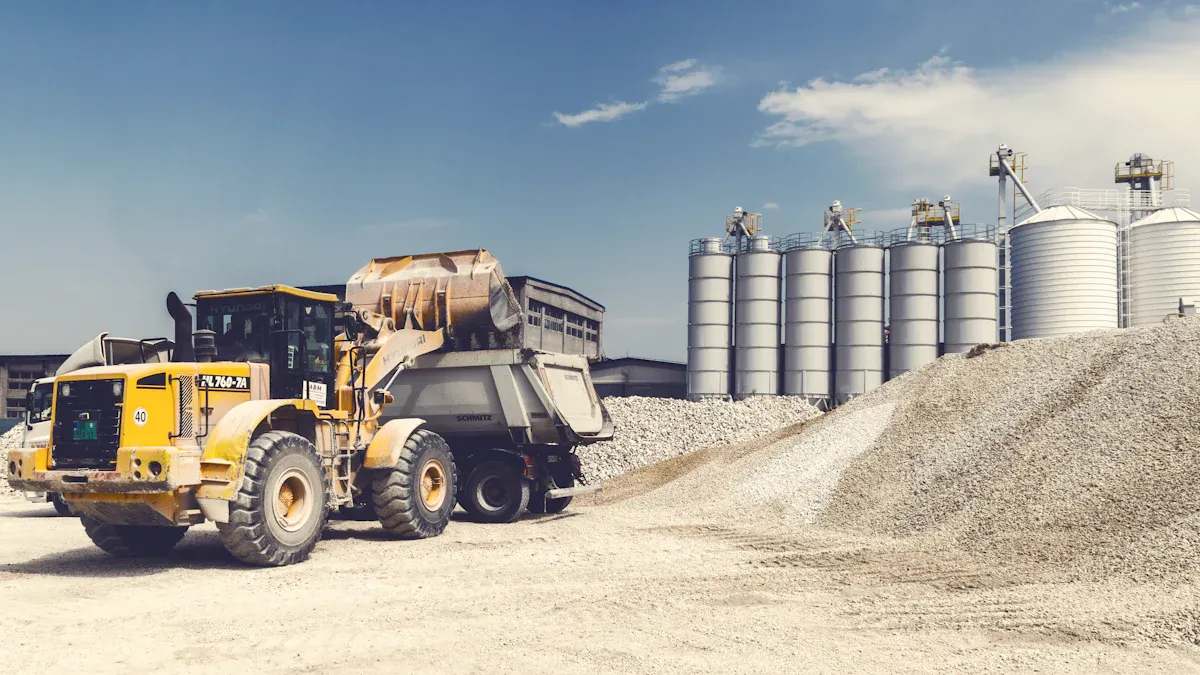
Drilling jobs can be tough. The ground changes fast. Hard rock and soft soil need different ways to drill. An adjustable rig helps you handle any load. The system uses load-matched control. It matches thrust, pullback, and rotation to the ground. This keeps the rig from being overloaded. It also stops the rig from working too little in hard spots.
Modern rigs like the CEGC horizontal directional drilling machine have special features. The hydraulic head clamp can pull back up to 80,000 pounds. The telescoping winch mast goes up to 24 feet. This lets you use long tools. The adjustable swing-arm control panel helps you line up the system. It makes drilling more accurate and comfortable.
|
Feature |
Description |
|---|---|
|
Adjustable Swing-Arm Control Panel |
Lets you do many tasks and move for better alignment. |
|
Hydraulic Head Clamp |
Handles up to 80,000 lbs of pullback for safe, efficient load management. |
|
Telescoping Winch Mast |
Changes height up to 24 feet for long tooling sections. |
You also get premium slip lifters and power drill pipe slips. These features help keep the crew safe and less tired. They hold the pipes tight during drilling. This makes drilling safer and helps you work faster.
Adjustable systems use anti-stall powertrains and overload protection. These features stop pipes from getting stuck. They also prevent torque spikes. You avoid losing time and damaging tools. The system senses changes in pressure and load. It changes power to keep drilling steady. This works well in hard or mixed ground.
Variable frequency drives (VFDs) are important in these rigs. VFDs change motor speed as you drill. You get the right power for each job. This saves energy and stops overloads. It also helps your equipment last longer. You get steady performance even when drilling conditions change.
Improve Drilling Efficiency with Advanced Controls
You want to drill faster and better. Adjustable rigs give you advanced controls. You can change weight on bit and flow rate quickly. This helps you reach the best rate of penetration (ROP). You do not spend extra money. LOGIX automation systems show a 43.6% increase in ROP. You finish jobs faster.
Real-time monitoring helps you spot problems early. Vibration analysis finds mechanical wear before it gets bad. Temperature monitoring finds electrical and lubrication issues. Pressure monitoring shows when the system needs care. Contamination monitoring tells you about equipment health. These tools help you plan maintenance. You avoid surprise downtime.
|
Monitoring Technology |
Benefits |
Impact on Downtime Reduction |
|---|---|---|
|
Vibration Analysis |
Finds mechanical problems early |
Helps plan maintenance |
|
Temperature Monitoring |
Spots electrical and lubrication issues |
Stops failures with quick action |
|
Pressure Monitoring |
Finds system problems |
Supports better maintenance planning |
|
Contamination Monitoring |
Shows equipment health |
Enables predictive maintenance |
Adjustable systems make drilling safer. Managed Pressure Drilling (MPD) systems help you control wells better. You can change pressure as needed. This lowers the risk of well kicks or blowouts. The system changes to real-time conditions. It keeps bottom hole pressure steady. This makes tough drilling safer and more reliable.
Operator safety gets better with improved tripping margins and simple controls. You can make changes fast without stopping work. This lowers mistakes and keeps your team safe.
You see adjustable rigs help every drilling job. You lose less time, save tools, and lower risks. You also drill faster and better. The CEGC horizontal directional drilling machine stands out with these features. You get a system that handles any load, gives steady results, and keeps your team safe.
Precision Guidance and Borehole Control
Control the Borehole Trajectory
It is important to control the borehole path. If you do not, mistakes can cost a lot of money. The borehole can go off track or cross the wrong spot. This means you might have to redo work or pay fines. Drilling has many challenges. The ground type, water pressure, and drilling fluid all matter. Loose or sandy soil can fall in and block the hole. Soft soil can also make the fluid leak out. Hard rock wears out tools faster. It also makes it harder to keep the hole straight. Water from the ground can get into the hole. This can make the fluid leak and not work well. If you do not control the pressure, the hole walls can break or fall in.
Guidance systems help you keep the borehole on track. Measurement While Drilling gives you live data about where you are drilling. Logging While Drilling tells you about the rocks and fluids underground. Rotary Steerable Systems let you change direction without stopping. These tools help you drill straight and stay on the right path.
Casing advancement keeps the hole open and safe. Casing stops the hole from falling in. Tracking tools show you where the hole is going. You can see the path and fix problems fast. Adjustable rigs help you drill in hard places. You pick the best way to drill for the ground. This keeps the hole safe and stops crossing mistakes.
Tip: Always watch the borehole path as you drill. Live tracking lets you find problems early and change your plan.
Real-World Applications in Trenchless Drilling Rigs
Precision guidance is very useful in trenchless drilling. CEGC horizontal directional drilling HDD projects show how to keep the borehole on track. You start by planning the path carefully. Surveys help you find pipes and check for risks. You steer the hole and control how you pull back. You pick the right tools for the ground. Drill heads that match the soil help you steer better and work faster.
You talk with your team to keep the hole on track. Operators and locators work together to steer right. You change the drilling fluid to keep the hole open. Changing the fluid stops the hole from falling in or leaking. You drill at a steady speed to stay accurate. Making changes as you go helps you keep the hole on track.
You watch for changes in the ground and change your plan. You keep notes on the hole for quality and future jobs. Recording data helps you learn how to control the path. Adjustable rigs help you keep the hole on track in every job.
-
Controlling the borehole path helps you:
-
Stop the hole from going off track or crossing wrong.
-
Drill more accurately.
-
Use tools longer and avoid delays.
-
Finish more jobs successfully.
-
You use adjustable rigs and smart guidance tools to keep the hole on track. CEGC horizontal directional drilling machines give you what you need for any ground. You can control the borehole path and finish drilling jobs well.
You get steady load handling and better drilling with CEGC’s adjustable systems. These rigs work in any ground. They use less energy. They help you plan maintenance before problems happen.
|
Benefit |
Impact |
|---|---|
|
Safety |
Fewer accidents happen, setup is quicker |
|
Cost Savings |
You save more than $500,000, 700% ROI |
|
Sustainability |
Less pollution, drilling fluids are reused |
FAQ
What makes an adjustable drilling rig better for different ground types?
You can change thrust, torque, and speed. This lets you drill through hard rock or soft soil without stopping work or changing equipment.
How does CEGC’s system help you avoid downtime?
You get real-time monitoring and anti-stall powertrains. These features spot problems early. You fix issues before they stop your drilling job.
Can you use the same rig for many projects?
Yes. You adjust the system for each job. You handle small or large loads. You finish more projects with one CEGC horizontal directional drilling machine.


