
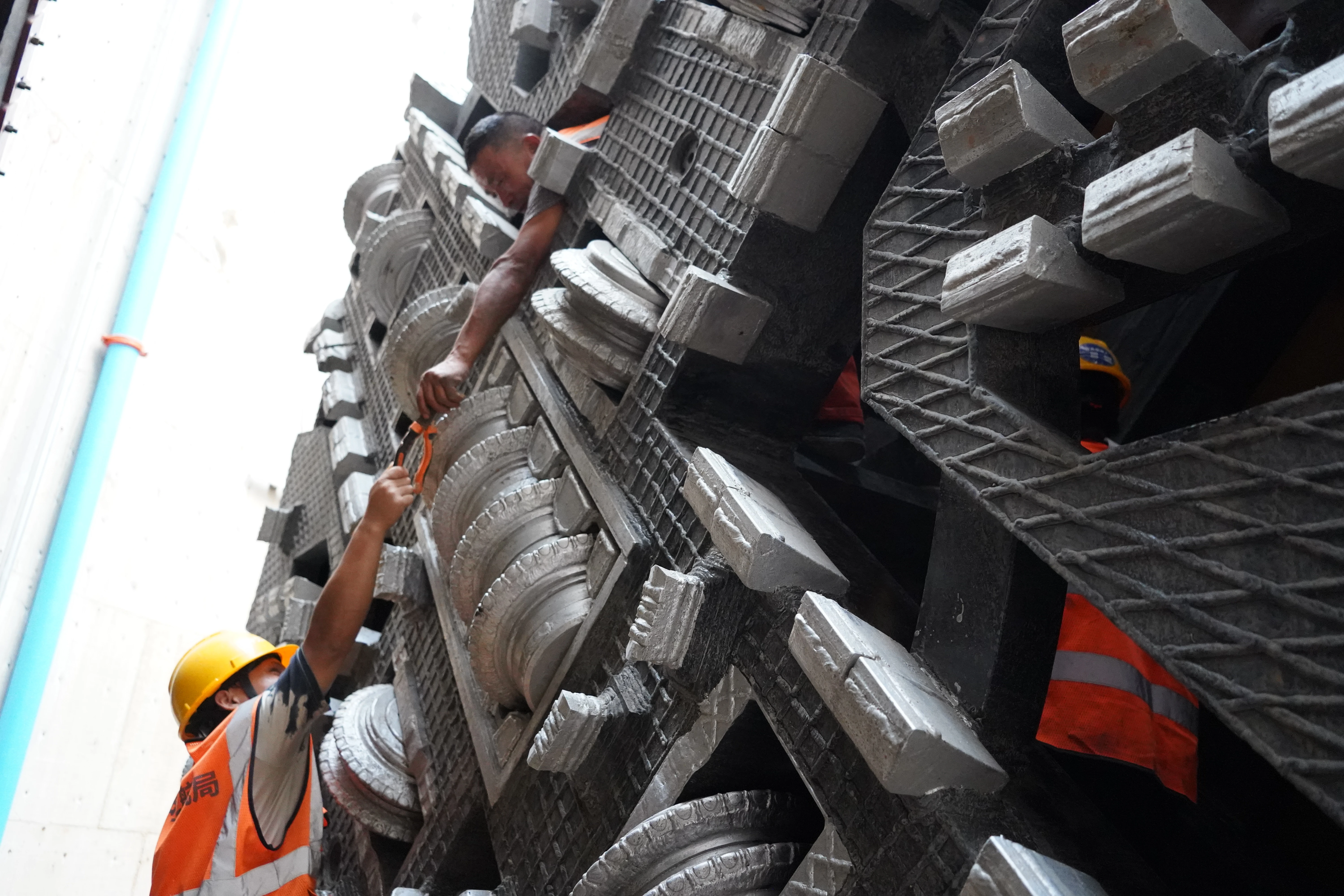
Yaw stability beats peak thrust in TBM tunnel drives, ensuring that your tunnel machine remains on the correct path. This critical aspect protects your project from costly errors and safety issues. CEGC provides trusted solutions that are recognized in the market, and they also customize your tunnel boring machine to meet the specific needs of your project.
Key Takeaways
-
Focus on yaw stability instead of peak thrust. This helps your tunnel boring machine stay on the right path. It lowers mistakes that cost a lot of money. It also makes the work safer.
-
Use real-time guidance systems to help with yaw stability. Watch face pressure closely. These steps stop the machine from going off track. They make tunneling smoother.
-
Pick a tunnel boring machine made for stability. This keeps parts from wearing out fast. It means fewer breakdowns and less money spent fixing things. Your tunneling project will work better.
Yaw stability beats peak thrust in TBM tunnel drives
Yaw stability in TBM operations
It is important to know why yaw stability matters more than peak thrust in tbm tunnel drives. Yaw stability means your tbm stays pointed in the right direction. This helps your tunnel stay straight and avoids mistakes that cost money. When you use a tbm, you want it to go forward without turning left or right. Even a small yaw mistake can make the tunnel miss its goal. This can cause expensive fixes and slow down the work.
Yaw stability keeps your equipment safe. If your tbm stays steady, the cutterhead and other parts are less stressed. You avoid quick moves that can break parts. This helps you finish your tunnel on time and not spend extra money.
Good yaw stability also makes the job safer. Workers are safer when the tbm moves smoothly. You lower the risk of ground loss or sudden sinking. In city tunnels, you must follow strict rules about settlement. Yaw stability helps you avoid problems and work stoppages.
CEGC builds tunnel machines with yaw stability as a main goal. The guidance, steering, and line/grade systems help keep your tbm on the right path. These systems use real-time data to change the machine’s direction. You get accurate results, even on long tunnels or with different teams. CEGC’s closed-mode face support design also helps keep the tunnel stable. It controls face pressure, which keeps yaw stability in soft or wet ground.
Peak thrust and its limitations
Some operators think more thrust is always better for tunneling. But yaw stability is more important than peak thrust in tbm tunnel drives. Peak thrust is the strongest push your tbm can give. You use thrust to move forward and break tough ground. If you only care about peak thrust, you can cause new problems.
Too much thrust makes the cutterhead face big changes in load. This causes strong shaking during tunneling. The shaking wears out the cutterhead and cutters faster. You will need to change tools more often, which costs more and slows the project. Too much thrust also makes tools work harder. Your tbm will have trouble breaking rock well. You might see slower progress and use more energy.
Here are some common problems caused by too much peak thrust in tbm tunnel drives:
-
The cutterhead shakes more, so it does not last as long.
-
Tools wear out quickly, so you need to fix them often.
-
The machine cannot break rock as well, so tunneling is slower.
You want your tbm to move forward with steady force. Yaw stability is better than peak thrust because it keeps the machine straight and reduces wear. CEGC’s face pressure control and ground protection systems help you manage thrust and keep stability. The soil conditioning and muck transport interface also help remove spoil smoothly. This keeps the tunnel face stable and stops sudden changes.
When you pick a tunnel machine from CEGC, you get standard specs and custom options for your project. You can choose the pressure range, sealing design, and guidance system to fit your needs. This way, yaw stability beats peak thrust in tbm tunnel drives, giving you better results for every tunnel job.
Impact of yaw stability on tunnel quality and safety
Alignment and grade assurance in TBM drives
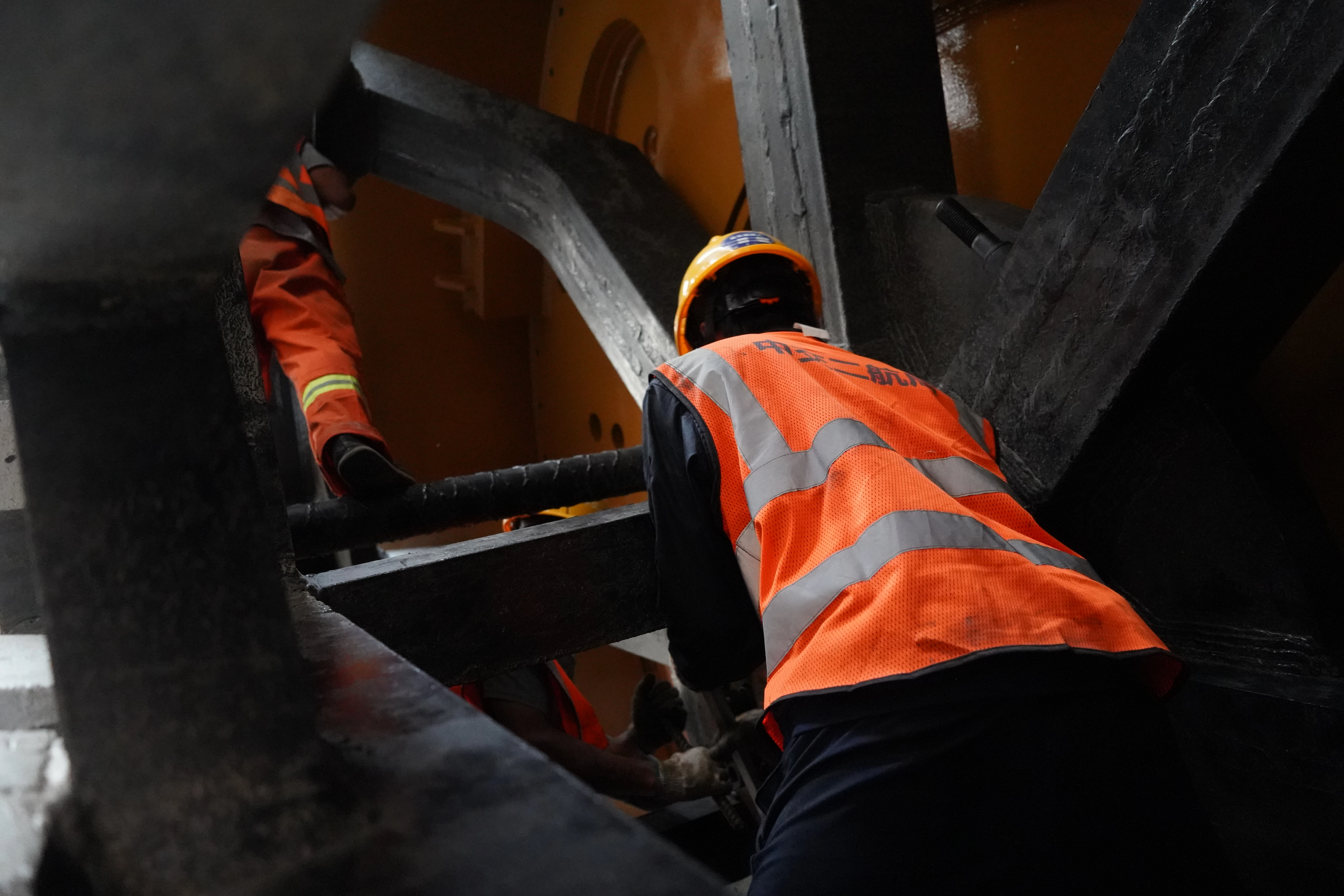
You need your tbm to follow the planned path with high accuracy. When you keep yaw stability, your tbm stays on the right line and grade. This means your tunnel will not drift or curve away from the design. If your tbm loses yaw stability, you can face misalignment. This can lead to expensive rework and delays. For example, in a city project, even a small shift can cause your tunnel to cross into another utility line or miss a connection point. You may have to stop tunneling and fix the mistake, which costs time and money.
CEGC’s guidance and steering systems help you keep your tbm on track. These systems use real-time data to adjust the machine’s direction. You get steady progress and fewer surprises. You can trust your tbm to deliver the tunnel where you want it, even on long drives or with different crews. This reduces stress and helps you meet project deadlines.
Tip: Always check your guidance system before starting a new shift. This keeps your tbm moving in the right direction and avoids costly errors.
Managing ground settlement and water ingress risks
You face many risks during tunneling, especially in cities. Ground settlement and water ingress can cause big problems. If your tbm does not stay stable, the ground above can sink. This can damage roads, buildings, or pipes. Water can also leak into your tunnel if you lose control. This can stop your work and create safety hazards.
Here are some ways yaw stability helps you manage these risks:
-
You keep the tunnel face steady, which stops the ground from moving too much.
-
You control face pressure, so water does not rush in and cause flooding.
-
You use real-time monitoring to spot changes in soil or water pressure early.
-
You can use smart systems to find unusual patterns and fix problems before they get worse.
When you use a tbm with good yaw stability, you protect the surface and keep your team safe. CEGC’s closed-mode face support and ground protection systems help you control these risks. You can adjust face pressure to match the ground and keep the tunnel stable. This is very important in soft or wet ground, where problems can happen fast.
Long-term reliability and project outcomes
You want your tunneling project to last for many years. Yaw stability helps you build a tunnel that stays strong and safe. When your tbm moves smoothly, you see less wear on the cutterhead and other parts. You do not need to stop often for repairs. This saves you money and keeps your project on schedule.
Stable excavation also means you get a tunnel with the right shape and size. You avoid overcutting, which can make the tunnel too big and weak. You also avoid undercutting, which can block pipes or cables. With yaw stability, you can trust your tbm to deliver the results you need.
CEGC supports you with modular designs and service packages. You get help with training, spare parts, and maintenance. This keeps your tbm running well and your tunneling project on track.
-
Controlled face pressure keeps the tunnel face stable and limits ground movement.
-
Good yaw stability means fewer breakdowns and less downtime.
-
You get a tunnel that meets all safety and quality standards.
Note: Always monitor your tbm’s performance during tunneling. Early action can prevent big problems and keep your project safe.
Recommendations for TBM operators and project managers
Risks of prioritizing peak thrust
You might think that more thrust means faster tunneling. This is not always true. If you focus only on peak thrust, your tbm can lose control. You may see the machine drift off course. This can cause misalignment in your tunneling project. You may also face more cutter wear and higher costs. When you push your tbm too hard, you risk damaging the tunnel face. This can lead to ground loss or water entering the tunnel. You want to avoid these risks by keeping your tbm stable.
Tip: Always check your tbm’s alignment before increasing thrust. This keeps your tunneling safe and on track.
Strategies for maintaining yaw stability
You can use several strategies to keep your tbm stable during tunneling. First, use real-time guidance systems. These help you steer your tbm and keep it on the planned path. Second, monitor face pressure closely. This prevents sudden ground movement and keeps your tunneling smooth. Third, train your team to spot early signs of yaw drift. Quick action can stop small problems from growing. You should also choose a tbm with a strong structure. This reduces mechanical drift and helps you keep control.
-
Use guidance and steering systems for accurate tunneling.
-
Monitor face pressure to protect the tunnel face.
-
Train your team to react fast to changes.
Real-world project comparisons
You can see the difference when you compare projects. Teams that focus on yaw stability finish tunneling with fewer delays. Their tbm machines need less maintenance. Their tunnels stay on line and grade. Projects that chase peak thrust often face more breakdowns. They spend more time fixing alignment and repairing the tbm. CEGC supports you with modular design and strong service. This helps you keep your tbm running and your tunneling project moving forward.
Note: Stable tunneling leads to better results and lower costs for your project.
You need to make yaw stability your main focus in TBM tunnel drives. This helps you build tunnels that are safer and better. You also save money by avoiding mistakes.
-
You get a strong support design. This lowers the chance of ground moving.
-
You can use CEGC’s guidance and steering systems. These help you work safely and get accurate results.
FAQ
What is yaw stability in a tunnel boring machine?
Yaw stability means your tunnel machine stays pointed in the right direction. You avoid drifting off course and keep your tunnel straight.
Why should you not focus only on peak thrust?
-
You risk damaging your TBM.
-
You may cause misalignment.
-
You increase repair costs.
How does CEGC help you maintain yaw stability?
You get advanced guidance systems, real-time steering, and strong machine structure. These features help you keep your TBM on track and safe. 🚧


