
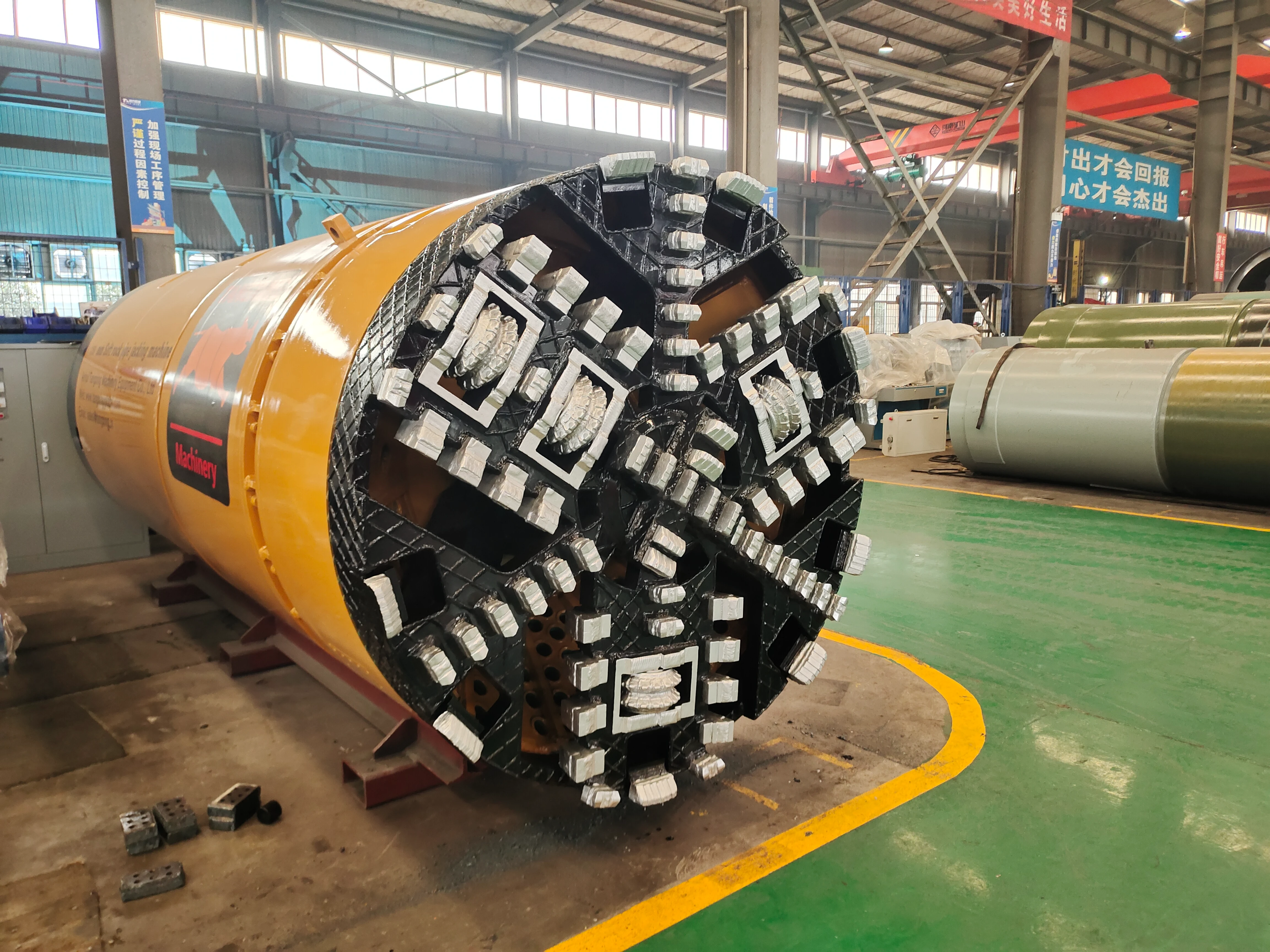
A TBM machine blowout starts with bad pressure habits. Problems arise when individuals fail to control pressure effectively, disrupting the balance of rock and groundwater. According to CEGC reports, neglecting to monitor chamber pressure can lead to ground collapses and even cause the surface above to sink. Bad pressure habits indicate a lack of vigilance in checking, adjusting, or responding to pressure fluctuations.
Bad pressure habits can jeopardize your project and safety. It is essential to monitor pressure consistently.
Key Takeaways
-
Always check pressure to stop TBM blowouts. Checking often helps keep things safe and stops big problems.
-
Watch for early signs like pressure changes or the ground sinking. If you act fast, you can stop small problems from getting worse.
-
Use smart pressure habits and new monitoring tools. These steps make things safer and help your tunnel project go well.
A TBM machine blowout starts with bad pressure habits
Common Pressure Mistakes
A TBM machine blowout can happen from bad pressure habits. Many workers forget to check the pressure inside the TBM. Some do not watch chamber pressure or act fast when it changes. These habits can make big trouble for tunnel jobs. If you do not pay attention, you could have serious failures and breakdowns. Mud and water might get into the tunnel, and the cutter head can get stuck. The ground can fall in and the surface above can sink if you do not manage pressure well. You should not dig too much or let the tunnel face become unstable. Good habits help you avoid these problems.
Always look at pressure readings and act if they change. This easy step keeps your tunnel safe and protects your project.
Pressure Imbalance Risks
Bad pressure habits can cause a TBM machine blowout because they make pressure uneven. Wrong chamber pressure can hurt the bentonite filter cake that keeps the tunnel face strong. Too much pressure can make blowouts and let water in. In some tunnels, air got through the filter cake and made the riverbed fall in. The ground can fall into the tunnel face when the soil collapses. This gets worse if you loosen the soil while digging. If you use too much support pressure, you push harder and wear out TBM parts. Studies show that bad pressure habits make jamming more likely, which can cause failure. You need to control pressure inside the TBM to stop these risks and keep your tunnel safe.
How Blowouts Happen
From Bad Habits to Blowout
You can see how small mistakes with pressure turn into a big problem. When you do not control the pressure at the tunnel face, you start a chain reaction. Here is how a blowout can happen, step by step:
-
You set the slurry pressure to balance the water and ground outside the tunnel.
-
If you let the slurry pressure get too high, it pushes harder than the ground above.
-
This extra force can open a path from the tunnel to the surface.
-
Slurry and water rush up through this path.
-
The ground above may break or sink, and you get a blowout.
You must remember that the tunnel face needs the right pressure. If you do not keep this balance, you put your project and your team at risk. The soil can move or collapse. The tunnel can flood. You may lose control of the machine.
Tip: Always check your pressure readings before you dig. Small changes can warn you before a blowout starts.
Early Warning Signs
You can spot trouble early if you know what to look for. Watch for these warning signs in your tunnel:
-
The pressure readings change quickly or do not match your plan.
-
You see water or slurry leaking into the tunnel.
-
The ground near the tunnel face looks soft or starts to move.
-
The surface above the tunnel sinks or cracks.
-
The machine slows down or gets stuck.
If you notice these signs, stop and check your system. You can fix small problems before they grow. You protect your tunnel and your team when you act fast.
|
Warning Sign |
What It Means |
What To Do |
|---|---|---|
|
Fast pressure change |
Possible leak or blockage |
Check valves and gauges |
|
Water in tunnel |
Loss of face support |
Adjust pressure, inspect |
|
Surface sinking |
Ground loss above tunnel |
Stop work, investigate |
You can lower the risk of a blowout if you stay alert. Good habits and quick action keep your tunnel safe.
Preventing TBM Blowouts
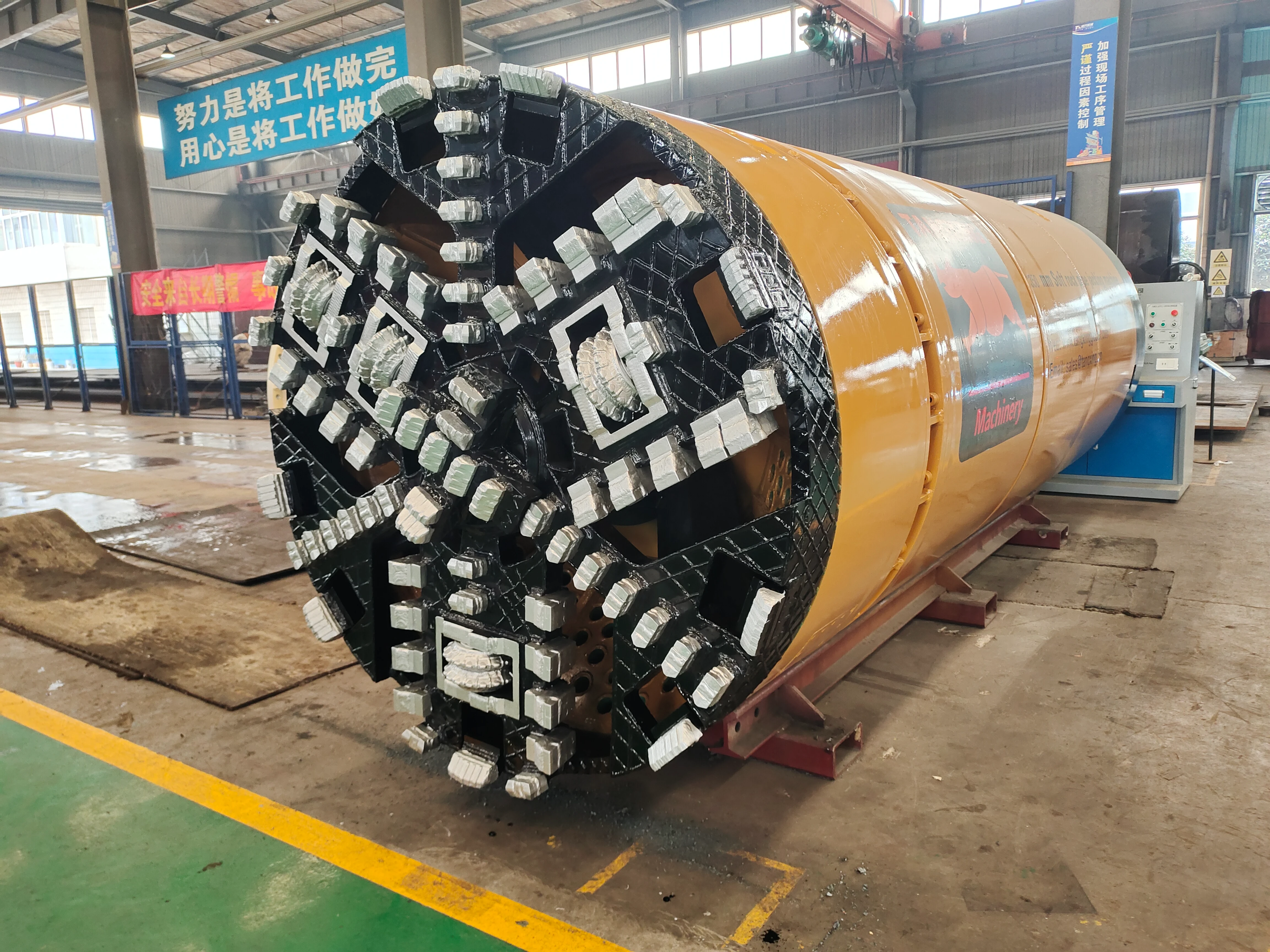
Best Pressure Practices
You can stop a blowout if you use good pressure habits. Start with a balanced pressure system for drilling. This keeps the tunnel face strong and stops water or soil from coming in. Always use a face support system like earth pressure balanced tbm or slurry. These systems keep the pressure steady and protect the tunnel from falling in. Before you drill, do a geotechnical investigation. This helps you know the soil and water conditions. Use one-pass pre-cast concrete segmental linings for extra safety.
-
Keep the face support system working all the time.
-
Match the face and grout pressures to the groundwater head.
-
Condition the soil so water cannot move through it easily.
-
Use risk steps like pre-excavation grouting if needed.
Tip: Training and teamwork matter a lot. Make sure everyone knows how to use the balanced pressure system and what to do if things change.
Monitoring and Response
You must watch the pressure while drilling. Use modern tools to see changes and act fast. Load cells, torque transducers, and multi-axis sensors help you check the drilling process closely. These tools give you data so you can change the pressure and keep the tunnel safe.
|
Technology |
Function |
|---|---|
|
Load Cells |
Measure weight and pressure to keep things stable. |
|
Torque Transducers |
Watch torque to make things work well and stop equipment failure. |
|
Multi-Axis Sensors |
Get data from many directions for better monitoring. |
|
Specialized Instruments |
Give special data for tunnel monitoring and pressure control. |
Real-time data helps you find problems early. You can stop water and soil from coming in by acting quickly. Always write down pressure readings and drilling details. This habit helps you learn from each tunnel job and make it safer.
You can stop TBM blowouts if you manage pressure well. You need to watch the pressure all the time. Some projects show you should make the ground stronger. You can use pre-grouting and check the ground carefully before you start.
-
Use venting boreholes to handle methane gas dangers
-
Change TBMs to work in hard tunnel places
Keep watching for problems and make safety important for everyone.
FAQ
What causes a blowout in tunnel boring machines?
A blowout can happen if you do not watch pressure. Bad habits let water and dirt get inside and hurt the tunnel.
How do you prevent pressure mistakes with tunnel boring machines?
You need to check pressure all the time. Use alarms and sensors to help you. Teach your team how to see changes. Good habits keep the tunnel boring machine safe and working.
Why is pressure balance important in a tunnel boring machine?
Pressure balance makes the tunnel face strong. It stops flooding and keeps the tunnel boring machine from breaking. Always set pressure to match the ground and water around you.


