
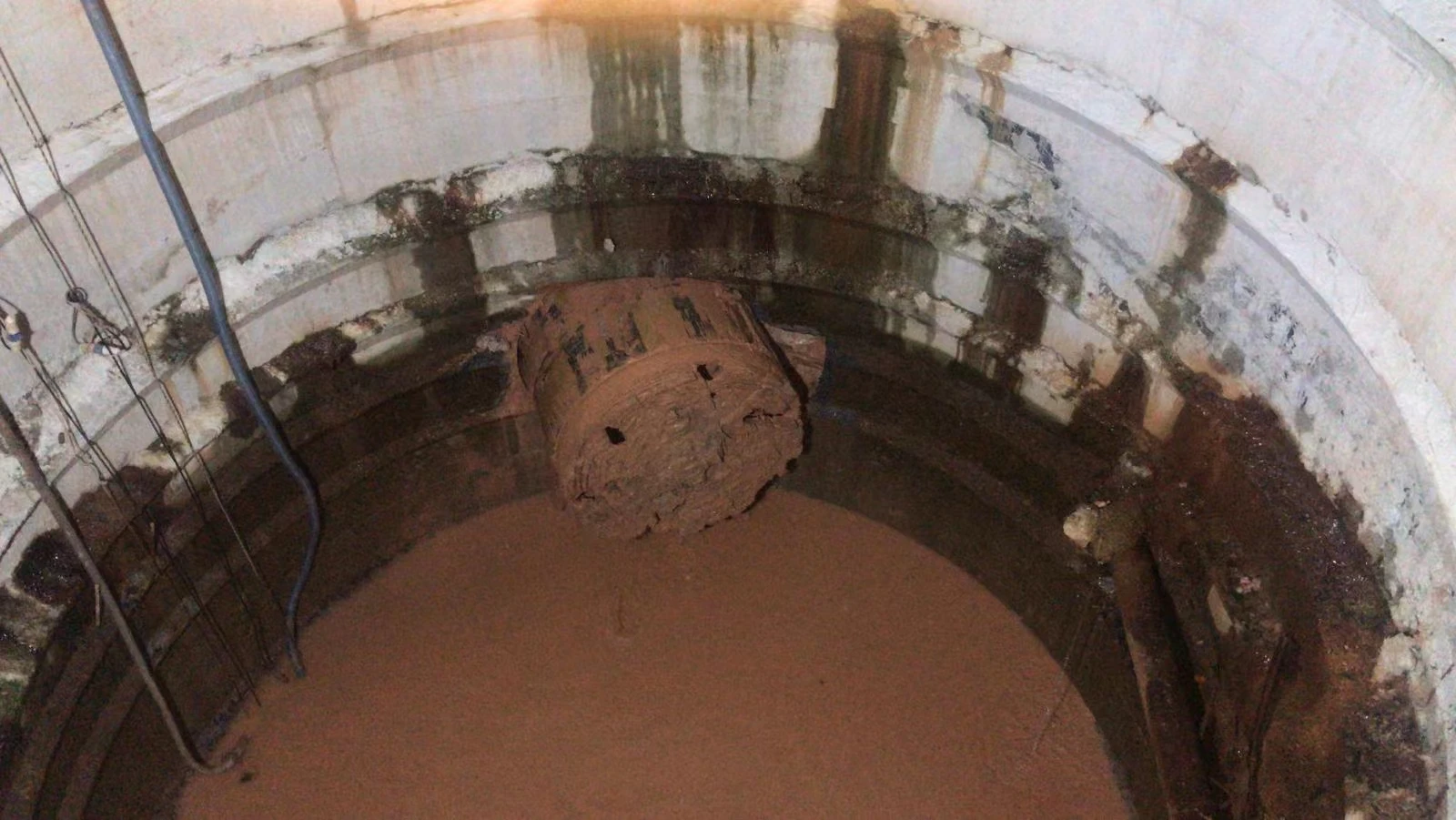
Achieve highly precise outcomes with micro tunneling pressure control supports tight tolerances. CEGC utilizes advanced guidance systems to ensure exceptional accuracy for metro, water, railway, and mining projects. Maintaining tight tolerances is crucial, as even minor deviations can impact overall project performance. See the typical results achieved below:
|
Metric |
Error Value |
|---|---|
|
Horizontal Axis Deviation |
|
|
Vertical Axis Deviation |
Less than 0.16 mm |
|
Inclination Angle Error |
About 0.002° |
Key Takeaways
-
Micro tunneling helps keep measurements very exact. This makes sure projects do not go off track. It also helps avoid expensive errors.
-
Advanced pressure control and guidance systems make work more accurate. They help make tunneling safer. They also make it more efficient.
-
Using the right equipment for each project helps finish faster. It also lowers harm to the environment.
Tight Tolerances in Micro Tunneling
Defining Tight Tolerances
It is important to know what tight tolerance means in micro tunneling. Tolerance is how much the tunnel can move away from its planned path. In micro tunneling, the tunnel can only be off by a small amount, like plus or minus 1 inch, plus or minus 0.1 feet, or even just half an inch. These numbers tell you how close the tunnel stays to the plan. If the tunnel stays in this small range, you stop problems like the tunnel not lining up or hurting things nearby.
Tight tolerance lets you get very accurate results, which matters for every project. It also keeps workers safe because machines do the digging underground. You help the environment because there is less mess on the surface.
|
Advantage |
Description |
|---|---|
|
Precision |
Gets tight tolerances for line and grade, which is needed in many fields. |
|
Safety |
Makes it safer for workers since they do not have to go inside the tunnel. |
|
Environmental Impact |
Less mess on the ground, so nature is not hurt as much. |
Industry Requirements and Applications
Different jobs need different tolerances. In metro projects, the tunnel must follow a strict path so it does not hit buildings or other tunnels. Water tunnels need to be straight so water can move easily. Railway tunnels need to be exact so trains and tracks are safe. Mining projects often have tricky paths, so machines must turn sharp corners and fit in small spaces.
CEGC knows how to work in all these areas. You can count on their tunnel machines to meet the hardest tolerance rules, whether you are in a city, far away, or deep in a mine. Their machines help you finish your work safely, on time, and with fewer problems.
How Micro Tunneling Pressure Control Supports Tight Tolerances
Pressure Control Mechanisms
You must watch pressure closely during micro tunneling. Micro tunneling pressure control supports tight tolerances with three main ways: face pressure, slurry pressure, and annular space management. Face pressure keeps the ground steady at the tunnel’s front. This is very important if the soil is wet or loose. Slurry pressure helps balance water that tries to get in. Most jobs keep this pressure between 0.5 and 2 bar. This stops water from coming in and keeps the ground from moving.
You also need to manage the annular space. This is the gap between the pipe and the ground. You fill this gap with bentonite slurry. This makes the pipe slide easier and holds up the soil. Doing this stops the ground from sinking or shifting. Micro tunneling machines use sensors to check these pressures all the time. If something changes, you can fix the pressure right away. This helps keep the tunnel on track and avoids mistakes.
Tip: Real-time data from your microtunnel boring machine helps you act fast. You can find problems early and fix them before they get worse.
Guidance Systems and Alignment
Micro tunneling pressure control supports tight tolerances by using smart guidance systems. You use laser and gyro navigation to keep the tunnel straight. The laser system shines a beam on a target inside the microtunnel boring machine. You watch the data on a screen. If the tunnel starts to drift, you steer it back.
Gyro systems work well for small tunnels and sharp turns. They help when a laser cannot reach. Some machines use both laser and gyro together. This gives you more choices and better accuracy. The TUnIS Navigation MT system uses these tools and does many checks by itself. You do not need to send workers into the tunnel to measure.
Automated monitoring makes your job easier. You get updates on the tunnel’s position right away. Machine learning and AI help you see changes in the ground. You can change the path of the microtunnel boring machine quickly. This cuts down on mistakes and keeps the tunnel inside the tight limits.
-
Real-time monitoring checks the soil and tunnel position.
-
Laser-assisted navigation keeps the tunnel on the right line.
-
Automated systems cut mistakes and save time.
Role of Micro Tunneling Equipment
Micro tunneling pressure control supports tight tolerances because you can change your micro tunneling equipment for each job. Every project is different. Metro tunnels need big machines that are very accurate. Water tunnels need steady speed and smooth pipes. Railway tunnels need strong support and exact curves. Mining tunnels need small, flexible machines that can turn easily.
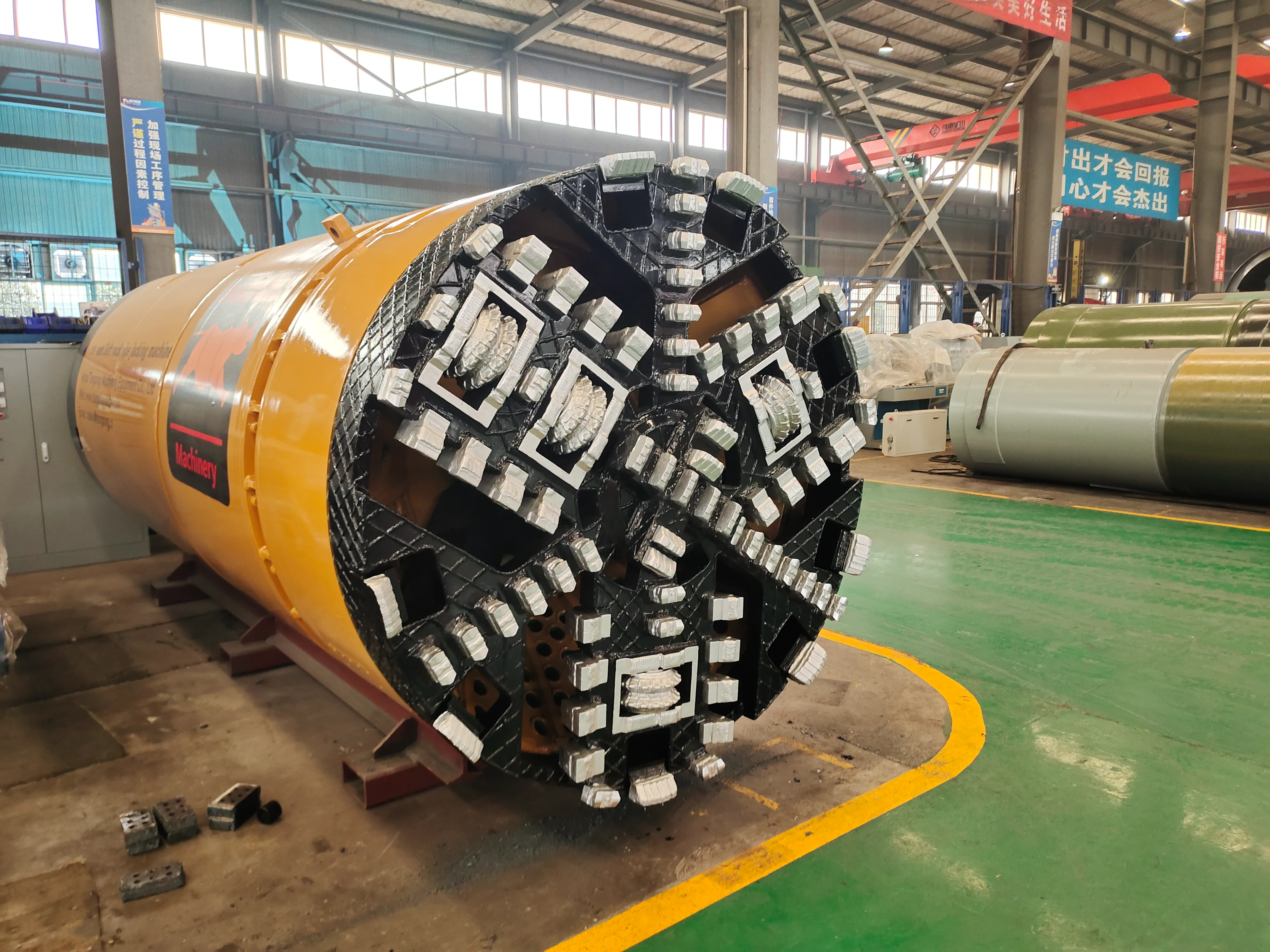
You can adjust your micro tunneling equipment for the ground, tunnel size, and path. CEGC has many types of microtunnel boring machine and pipe-jacking solutions. You can pick HDD systems for long, straight tunnels. Pipe jacking works well for sewer lines and utility corridors. TBM engineering gives you big machines for metro and utility tunnels.
|
Application Area |
Key Features |
|
|---|---|---|
|
HDD Systems |
Urban infrastructure, pipelines |
Steering accuracy of ±0.1°, pipelines up to Φ1200mm, distances over 2000m |
|
Pipe Jacking Solutions |
Urban sewer networks, utility corridors |
Auger boring (DN220-DN600), microtunnelling (DN400-DN2400), automated guidance |
|
TBM Engineering |
Metro and utility tunnels |
Customized machines (3-12m diameter), real-time geological monitoring |
You get better results when you use the right micro tunneling equipment for your job. Customizing lets you meet the strictest tolerance rules. You finish faster, with less rework and lower costs. Micro tunneling pressure control supports tight tolerances by making sure every part of the process fits your needs.
Note: Projects with advanced guidance and pressure control finish up to 32% faster and stay within 97% of their planned path. You save money and avoid problems.
Micro tunneling pressure control supports tight tolerances better than old tunneling ways. You get much smaller errors—only about 50mm instead of 2 meters with old digging. You also help the environment. You move less dirt, use fewer trucks, and lower carbon emissions. Safety gets better because workers do not need to go underground. You control everything from above ground.
Micro tunneling equipment and pipe-jacking systems help you avoid common problems. You need good planning, skilled surveyors, and clear communication. When you use the right microtunnel boring machine and guidance systems, you make 40% fewer mistakes. You also keep the tunnel safe and strong for many years.
You can get tight tolerances by using good pressure control. Special micro tunneling equipment helps a lot. CEGC gives you solutions made just for your project. They work for metro, water, railway, and mining jobs.
Ask CEGC if you need help picking a tunnel machine. They give you support and results you can trust for your work.
FAQ
What is trenchless technology and why should you use it?
Trenchless technology lets you make tunnels without digging up the ground. This way, cars can still use the roads. It also helps nature and saves time on your project.
How do micro tunneling machines achieve precise excavation capabilities?
Micro tunneling machines use special guidance and pressure control. These systems keep the tunnel on track with tiny mistakes.
What are future developments in micro tunneling technology?
In the future, machines will get smarter and have better sensors. More automation will help projects go faster, be safer, and get even more exact.


