
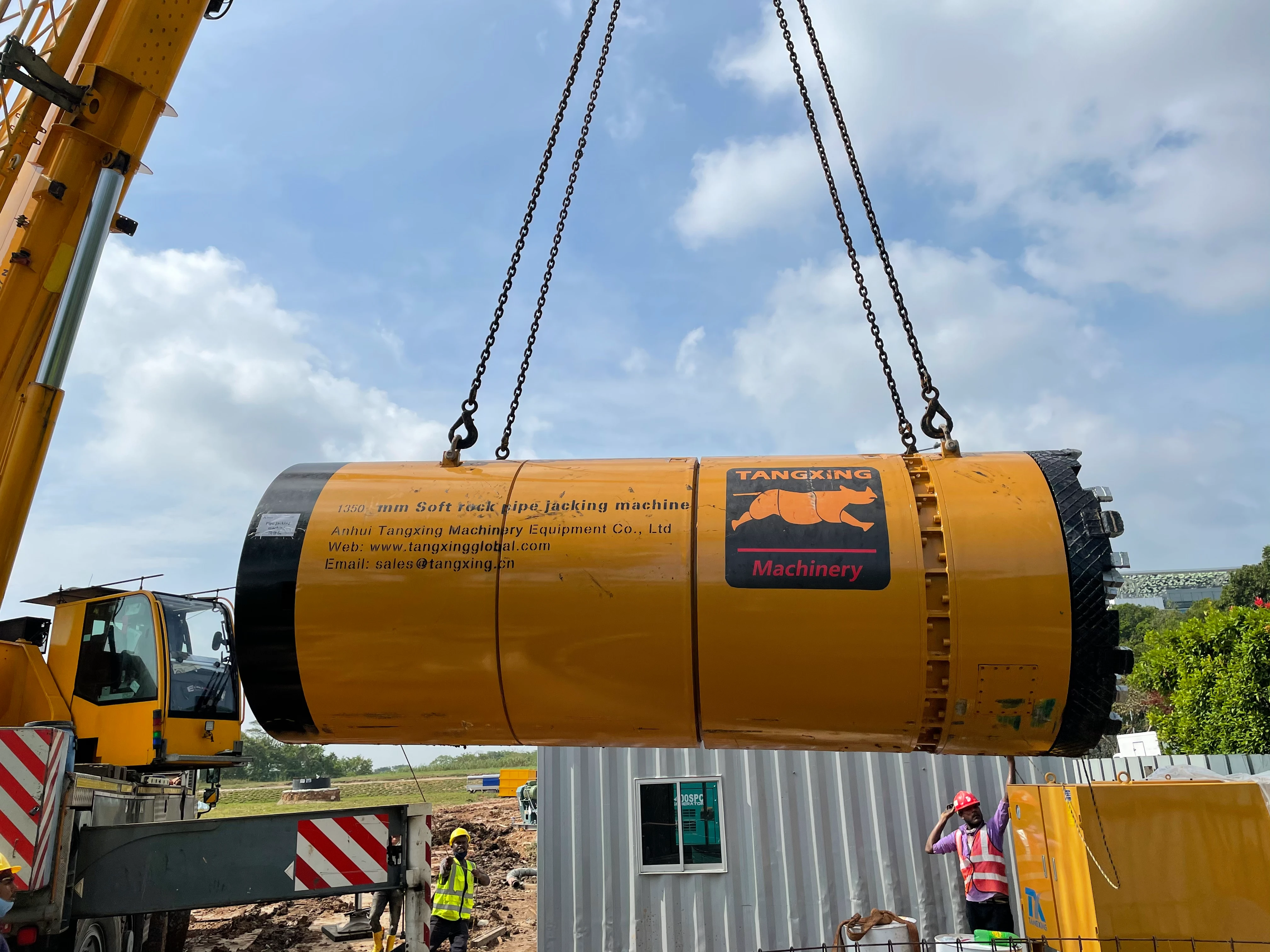
Stable pressure helps a TBM tunnel avoid face collapse, ensuring safety during the tunneling process. It is essential to maintain a steady front of the tunnel while using a TBM. The tunnel boring machine effectively manages earth and water pressure. CEGC designs systems that assist in balancing these forces. Various methods, including TBM, auger boring, and microtunneling, utilize different techniques to achieve this balance. You can think of stable pressure as similar to holding sand in a bucket.
Stable pressure keeps the TBM safe and stops sudden collapse.
Key Takeaways
-
Stable pressure is very important to stop tunnel face collapse. It holds the ground steady and keeps workers safe while tunneling.
-
Pick the best way to keep pressure, like earth pressure balance, slurry, or compressed air. The choice depends on the soil and water at the site.
-
Check and change the pressure at the tunnel face often. Fast action when pressure changes keeps things safe and steady.
Stable Pressure and Tunnel Face Stability
What Is Stable Pressure?
Stable pressure at the tunnel face stops the ground from moving in. This pressure comes from the earth and water in the soil. Engineers use math to figure out how much support pressure is needed. The kind of soil and how much water is in it both matter. These things change the amount of pressure you need. The formula below shows how different things add up to the total support pressure:
The effective support pressure can be written as: $$\sigma T = \gamma D N\gamma + q N_q - c N_c$$, where (\gamma ) is the soil unit weight, D is the tunnel diameter, q is the surcharge load at the ground level, and c is the cohesion. This equation shows how earth and water pressure work together at the tunnel face.
There are two main ways to pick the right pressure:
-
One way is to stop collapse by finding the lowest safe pressure.
-
The other way is to limit ground movement by setting a pressure based on how much movement is okay.
Why Tunnel Face Collapses Without Support
If you do not keep enough pressure at the tunnel face, soil can fall in. This can make the tunnel collapse quickly. Many things can make this happen:
-
Support pressure math is very important for safety.
-
The type of soil changes how much pressure you need.
-
Water in the ground can make collapse more likely.
-
The design must think about what happens if the ground moves or fails.
The table below shows common reasons for tunnel face collapse:
|
Cause |
Effect |
|---|---|
|
Inadequate face pressure |
Instability and ground loss |
|
Soil flows into tunnel, causing collapse |
|
|
Excessive face pressure |
Ground heave or blow-outs |
Soil Arching Effect
Soil arching helps lower the support pressure you need. When soil above the tunnel makes an arch, it can hold itself up for some time. This means you might not need as much pressure, especially in sandy soil. Studies and tests show that:
-
The support pressure can drop to less than 22% in dry sand.
-
A self-supporting soil arch forms above the tunnel and stops the loose zone from getting bigger.
-
Trapdoor tests and computer models show how soil arching changes how pressure spreads around the tunnel.
Soil arching matters because it helps keep the tunnel face safe, even when things change.
Mechanisms That Maintain Stable Pressure
Earth Pressure Balance (EPB) Method
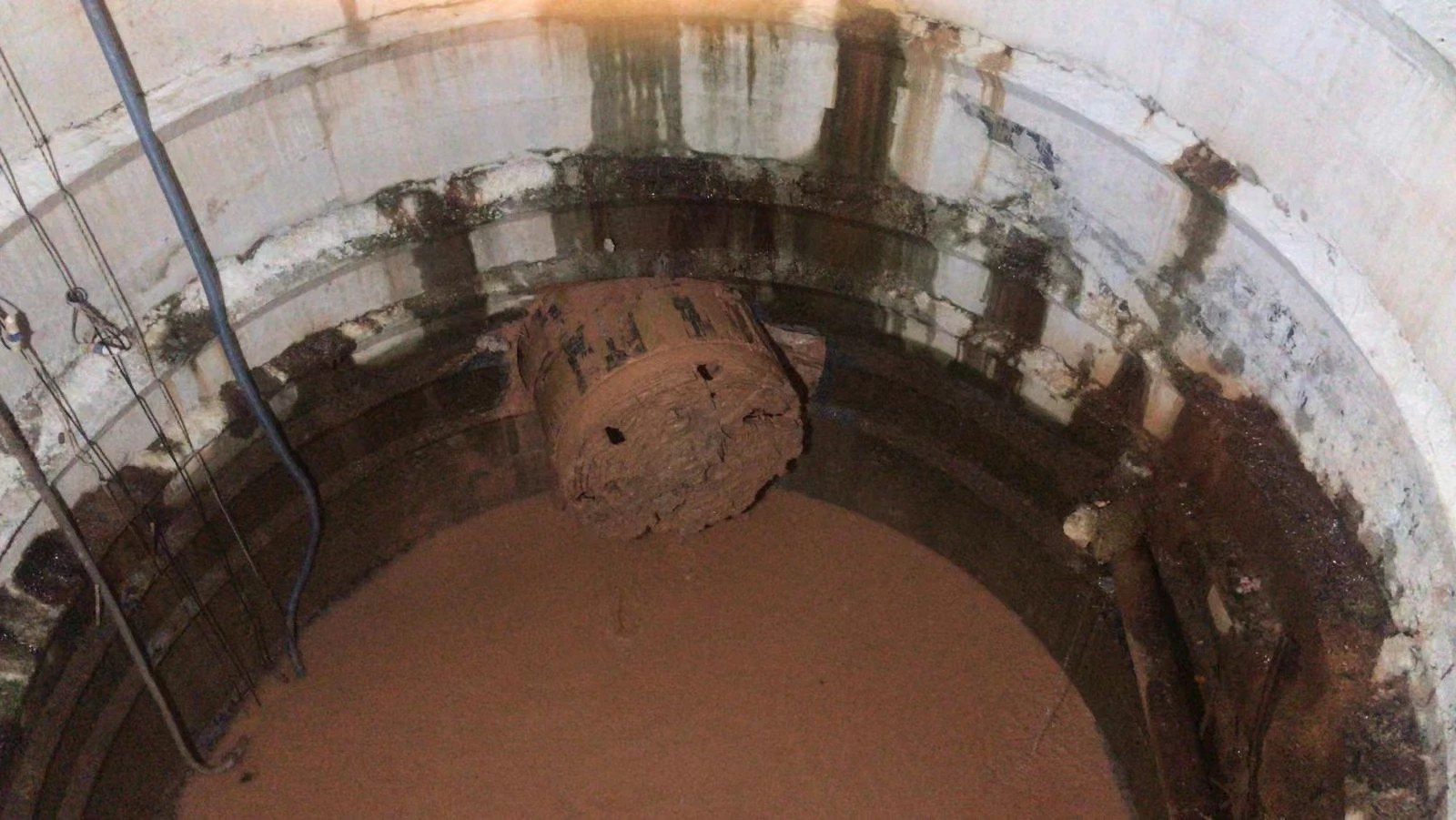
The earth pressure balance method helps keep the tunnel face safe. In this method, the soil that is dug up helps support the tunnel face. The TBM mixes the soil with water foam inside a cutting chamber. This mix helps keep the pressure just right. The TBM pushes forward and stops dirt from falling in. You can pick different ways to control the pressure:
|
Mode |
Pressure Condition |
Description |
|---|---|---|
|
Close Mode |
Under pressure |
The whole chamber gets pressurized to keep the tunnel safe. |
|
Semi-Close Mode |
Semi-pressurized |
Only part of the chamber gets pressurized for some ground types. |
|
Open Mode |
Not under pressure |
The chamber is not pressurized, so collapse is more likely. |
The support pressure should be less than 90% of the vertical stress at the top of the tunnel. This rule helps stop the ground from breaking or blowing out.
Slurry and Compressed Air Support
Slurry shield machines use bentonite slurry to hold up the tunnel face. The pressurized slurry makes a layer that blocks water from coming in and keeps the tunnel strong. This way works well in wet and loose soils. Compressed air support helps balance water pressure and stops water from leaking in during repairs. Workers use compressed air when they need to go inside the chamber to fix things. Slurry cannot be used for these jobs, so compressed air is needed for safety.
Monitoring and Control Systems
You have to watch and control the pressure while tunneling. EPB TBMs use sensors to check and change the pressure inside the cutterhead chamber. This keeps the pressure even with the earth and water outside. Watching the pressure all the time helps keep the tunnel safe and steady.
-
Good monitoring keeps the tunnel strong and safe during and after digging.
-
The highest support pressure should stay under 90% of the vertical stress at the top.
The method was tried in the Yuelongmen tunnel and worked the same as the real digging, so it is a good way to tunnel.
You must always balance earth pressure to keep the tunnel safe. The earth pressure balance and slurry shield methods work together to stop collapse and keep workers safe.
How Stable Pressure Helps a TBM Tunnel Avoid Face Collapse
Balancing Pressures at the Face
You must keep the right pressure at the tunnel face. Stable pressure helps a TBM tunnel avoid face collapse by matching ground and water force with support inside the machine. You control this balance using earth pressure balance, slurry, or compressed air. Each method keeps the tunnel face steady and stops soil from moving in.
When digging with a TBM, you need to watch the water level and opening ratio. Water level changes can make the failure zone bigger and cause small ground movements. If you make the opening ratio higher, the failure zone gets wider and support pressure goes down. Cover-to-diameter ratio makes the ground more stable, but it does not change the limit support pressure much. The table below shows how these things affect tunnel face stability:
|
Parameter |
Effect on Stability |
|---|---|
|
Water Level Variation |
Makes the failure zone wider and causes smaller ground movements. |
|
Opening Ratio (λ) |
Higher ratio means a wider failure zone and lower limit support pressure (Plim). |
|
Cover-to-Diameter Ratio |
Makes ground more stable but does not change Plim much compared to other factors. |
Sensors and control systems help keep the pressure steady. These tools let you react fast if the pressure changes. Stable pressure helps a TBM tunnel avoid face collapse by making sure the tunnel face stays strong and does not move.
Preventing Sudden Collapse
You must keep support pressure at the right level to stop sudden collapse. If pressure drops, soil can rush in and fill the tunnel. This can cause damage and put workers in danger. Stable pressure helps a TBM tunnel avoid face collapse by stopping soil and water from entering the tunnel. You need to check the pressure often and adjust it when needed.
When using a TBM, you mix soil with water or foam to keep pressure balanced. This mix supports the tunnel face and stops loose soil from falling. You can use earth pressure balance, slurry, or compressed air to keep the tunnel safe. Each method helps control pressure and protect the tunnel face.
Tip: Always watch the pressure at the tunnel face. Quick action keeps the tunnel safe and stops collapse.
Consequences of Pressure Loss
If you lose pressure at the tunnel face, big problems can happen. Soil can collapse into the tunnel, and water can flood the area. You may see ground loss above the tunnel, which can damage roads or buildings. Stable pressure helps a TBM tunnel avoid face collapse by keeping the ground in place and stopping sudden failures.
You must use the right method for the soil and water conditions. If you do not, you risk losing control of the tunnel face. A TBM needs steady support to keep the tunnel safe. Stable pressure helps a TBM tunnel avoid face collapse by making sure the tunnel face does not fail. You protect workers and keep the project moving forward.
Note: Keeping stable pressure is the key to safety in TBM tunneling. You avoid collapse and protect the tunnel by using the right support methods.
You are important in tunnel building because you keep pressure steady at the tunnel face. EPB, slurry, and compressed air methods help keep workers and machines safe. Managing pressure well makes your project safer. When you control pressure well, you get better results and can finish tunnels without worry.
FAQ
What happens if you do not keep stable pressure at the tunnel face?
You risk tunnel collapse, ground loss, and water flooding. Stable pressure keeps the tunnel safe and protects workers.
How do you monitor tunnel face pressure during TBM tunneling?
You use sensors and control systems. These tools help you check and adjust pressure quickly to keep the tunnel stable.
Which method works best for wet soil conditions?
|
Method |
Best Use |
|---|---|
|
Slurry Shield |
Wet, loose soils |
|
EPB |
Mixed soils |
|
Compressed Air |
Repairs, safety |


