
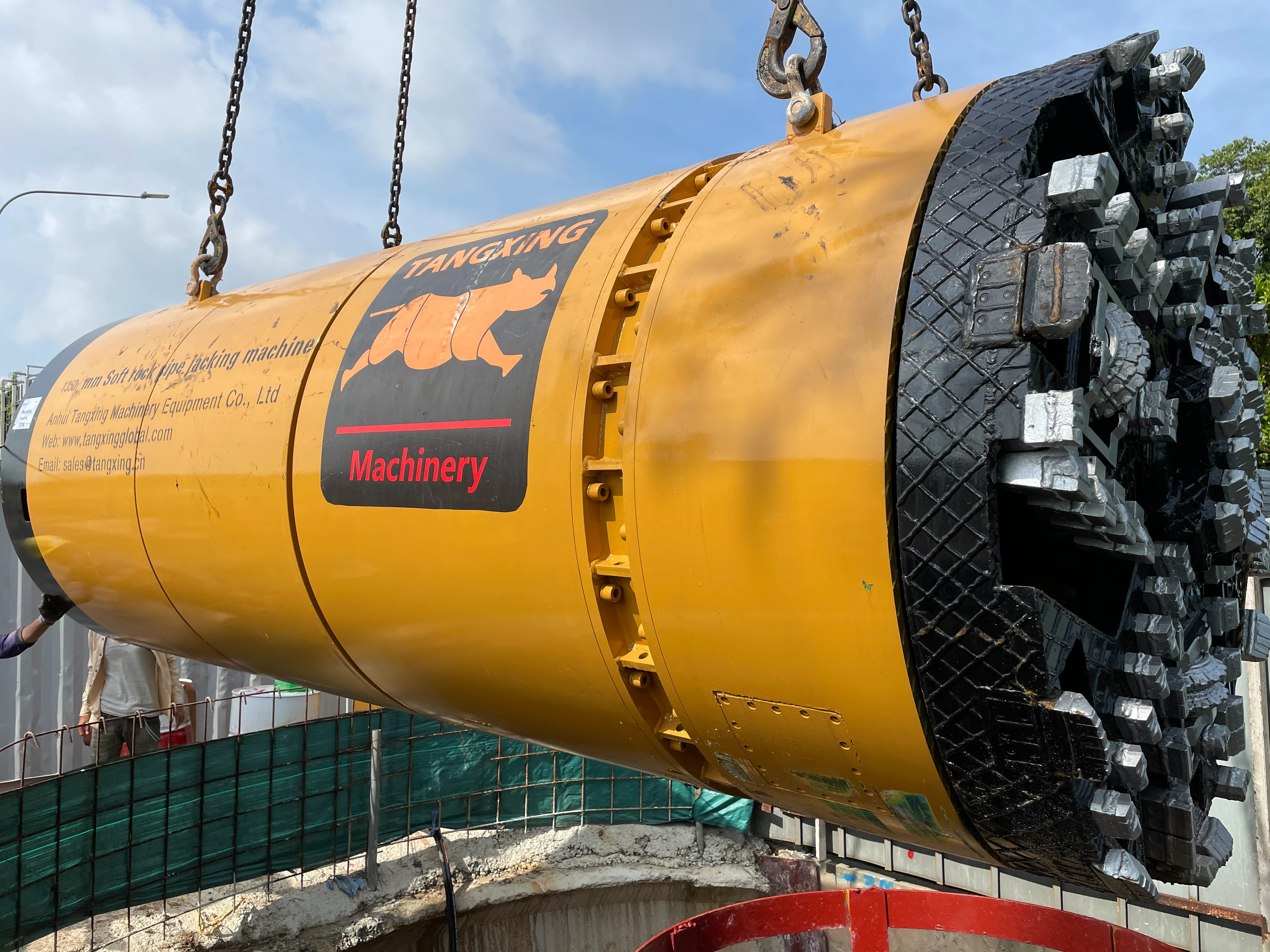
You can reduce project costs with micro tunneling pressure tuning lowers treatment cost. This advanced method speeds up work and enhances safety in microtunneling operations. In metro, railway, water, and mining projects, precise pressure control prevents soil collapse and maintains ground stability. CEGC leverages innovative tunnel machine technology to deliver safe, reliable, and cost-effective results.
Key Takeaways
-
Microtunneling helps save money on projects. It makes less debris, noise, and surface damage. Good pressure control stops the soil from falling in. This keeps workers safe and the job running well. Picking the best tunnel machine for your soil helps control pressure. It also helps keep the project cost low.
microtunneling and pressure control
what is microtunneling
Microtunneling helps build tunnels underground without big trenches. This method is good for cities and places that need care. There are many reasons to pick microtunneling instead of open-cut construction:
-
You cut carbon emissions by over 75%.
-
You use less dirt for digging and filling.
-
You make work safer and bother people and nature less.
-
You do not risk traffic or hurt pipes and wires.
-
You finish faster, so people and workers are in danger for less time.
Microtunneling lets you finish jobs with less mess on top. Roads stay open and important things stay safe.
why pressure matters
You need to control pressure in microtunneling to keep the ground safe. If soil and water pressure are not balanced, the ground can fall in. This can slow down your job and hurt the environment. The table shows how different ways to control pressure work:
|
Method |
Description |
|---|---|
|
Mechanical Balancing |
Uses an Earth Pressure Balance Shield to keep soil steady while digging. |
|
Air Balancing |
Puts compressed air in the chamber to balance soil pressure and keep workers safe. |
|
Slurry Balancing |
Pumps a slurry mix into the chamber to stop water from making the ground fall in. |
Sensors can check pressure all the time. This helps you fix problems fast. Good pressure control is very important for safe trenchless work.
tunnel machine types
There are different tunnel machines for microtunneling. The main ones are:
-
Slurry machines put bentonite in to stop the ground from sinking. These are best for silt and sticky soils.
-
Earth Pressure Balance (EPB) machines collect dirt in a chamber and move it out. These are good for sticky soils and use special stuff to get the ground ready.
-
Auger boring machines use a turning screw to take out dirt. These are good for short, straight tunnels in strong ground.
Slurry machines help keep pressure at the digging face, so the ground stays safe. EPB machines let you change the ground, which helps control pressure. You should pick the right tunnel machine for your soil and project. This will help you control pressure and keep your project safe and on budget.
micro tunneling pressure tuning lowers treatment cost mechanisms
pressure tuning methods
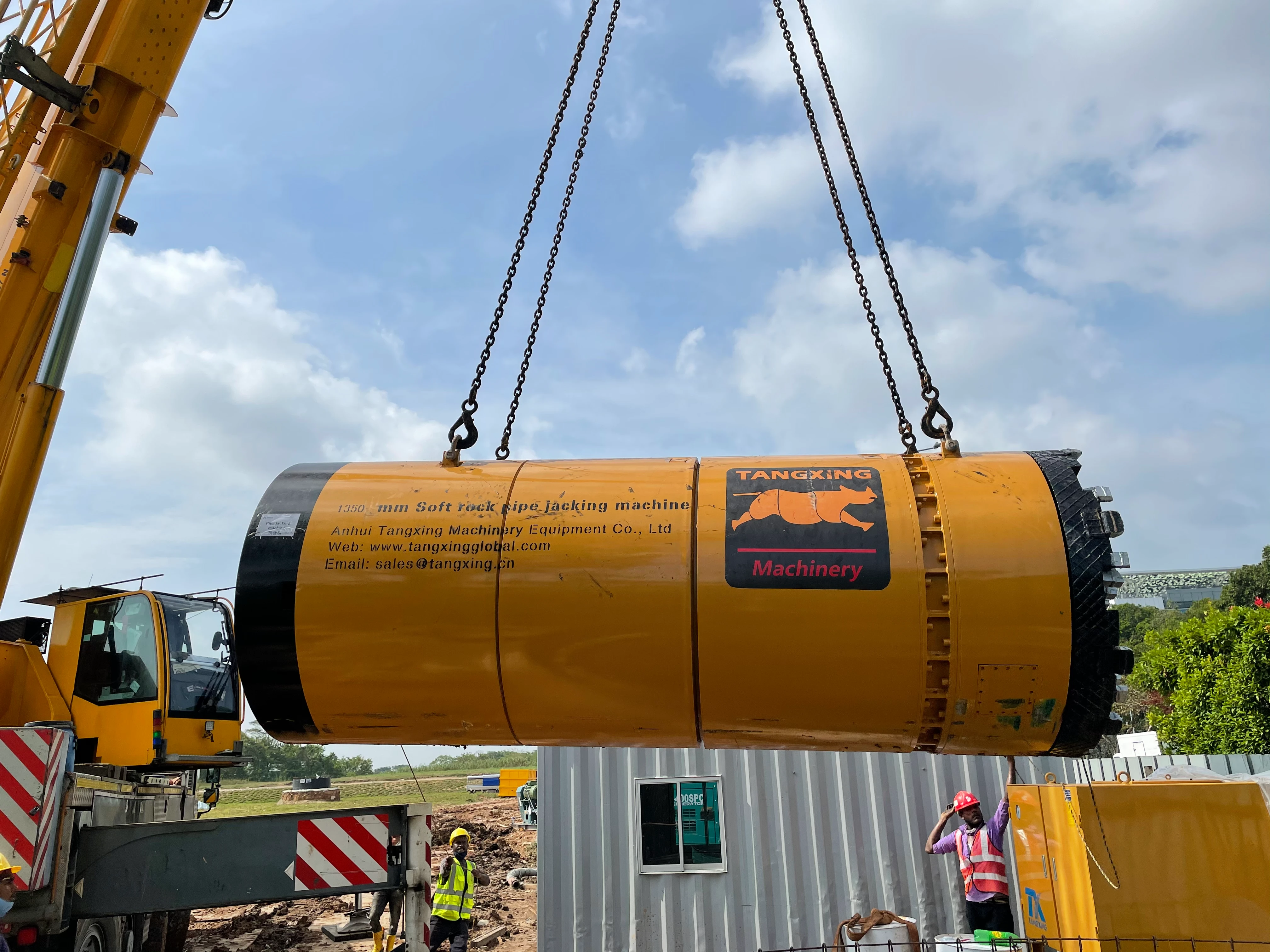
There are different ways to control pressure in microtunneling. Each way helps keep the ground safe and lowers risk. Mechanical systems use earth pressure balance to hold up the tunnel face. Air balancing uses compressed air to keep soil pressure steady. Slurry systems pump water and bentonite to balance soil and water pressure. Mixed methods use more than one approach for special ground types.
The ASCE guidelines say the slurry method uses hydraulic jacking and steady face pressure. This keeps the tunnel strong and stops the ground above from sinking. The slurry system can change to fit different soils. This makes work safer and more efficient. Picking the right pressure tuning method helps you work safely and quickly.
cost reduction mechanisms
Micro tunneling pressure tuning lowers treatment cost by making less debris, less noise, and fewer surface repairs. You can see how each system works in the table below:
|
Mechanism |
Function |
|---|---|
|
Microtunnel Boring Machine (MTBM) |
Holds up the whole area dug out and sets earth balancing pressure to cut down debris. |
|
Slurry Pressure System |
Balances water pressure in the ground to keep the tunnel face steady and make less debris. |
|
Pipe Lubrication System |
Lowers jacking loads, makes work smoother, and keeps soil from being disturbed. |
You keep tunnel face pressure steady. This means less soil falls in and less dirt needs to be taken away. You make less noise because the ground is not disturbed much. You also do not need to fix the surface as often. Balancing soil pressure helps finish trenchless jobs with fewer problems and lower costs.
direct and indirect savings
Micro tunneling pressure tuning lowers treatment cost in many ways. You save money directly by hauling away less dirt and debris. You also spend less on repairs and surface restoration. Indirect savings come from finishing projects faster and having fewer delays. You avoid extra costs from accidents or ground collapse.
If you compare projects with and without pressure tuning, you see clear cost savings. CEGC has worked on metro, railway, water, and mining tunnels. In every project, pressure tuning helped lower costs and made work safer. You get a strong tunnel with less risk and lower cost. Soil pressure balancing and earth pressure balance systems help you control trenchless jobs and keep your budget safe.
Tip: Always check soil conditions before starting a microtunneling project. The right pressure tuning method can make your tunnel safer and cheaper.
challenges and recommendations
common pressure management issues
There are some pressure problems you might face in microtunneling. These problems can make your project cost more and take longer. Here are some common problems and how to fix them:
-
In shallow spots or where there is not much groundwater, you must check face pressure often.
-
If you use a slurry system, keep the charge pressure under 0.1 bar for each meter deep. This stops hydraulic fracturing and keeps the tunnel safe.
-
Putting more cover over the Microtunneling Boring Machine can help stop the ground from sinking or breaking.
-
Groundwater can push up hydrostatic pressure and make trenchless work harder.
-
You need to control water getting in to keep the dig safe. Dewatering or using pressurized systems can help manage groundwater.
selecting the right tunnel machine
Picking the right tunnel machine helps you control pressure and save money. The table shows which machine works best for different soils and jobs:
|
Tunnel Machine Type |
Suitable Soil Conditions |
Key Features |
|---|---|---|
|
Earth Pressure Balance Machine (EPBM) |
Cohesive soils |
Full-face tunneling, pressure control, works with additives for mixed faces |
|
Slurry Balance Machine |
Water-bearing silts, sands, fine gravels |
Maintains slurry pressure, reduces ground settlement, has stone crusher |
You should choose a tunnel machine that fits your soil and project. This can help you spend less and keep your trenchless job safe.
practical steps for implementation
You can follow these steps to keep your trenchless project safe and on budget:
-
Check the soil and groundwater before you start.
-
Pick a tunnel machine that matches your ground and project.
-
Use sensors to watch pressure during the job.
-
Change pressure tuning as you dig to avoid extra costs.
-
Work with a company like CEGC. They can help you pick the best machine and method for your project.
Note: Good planning and the right tools can help you finish your tunnel safely and save money.
You can make your project cost less with micro tunneling pressure tuning. You work better and safer by using real-time checks. You watch how soil, lubricant, and pipe work together. You use smart tools to help your team. These steps stop extra costs and help you finish jobs safely. If you want to spend less, ask CEGC for help and training.
-
Real-time checks help you work quickly and safely.
-
Watching soil-lubricant-pipe helps stop surprise costs.
-
Smart tools fix design problems and keep your team safe.
|
Service Type |
Description |
|---|---|
|
On-site installation services |
Factory-trained workers build and test, so you save money. |
|
Experts help you with hard projects for better results. |
|
|
Training programs |
Your team learns how to work, stay safe, and fix problems. This means fewer mistakes and lower costs. |
FAQ
What tunnel machine do you need for metro projects?
You need a tunnel boring machine with high precision. This machine keeps the ground safe and supports fast, trenchless construction in busy city areas.
How long does a trenchless tunnel project take?
You can finish a trenchless tunnel project in a few weeks or months. The time depends on the ground, tunnel length, and machine type.
Is trenchless tunneling safe for water pipes?
You keep water pipes safe with trenchless tunneling. This method avoids digging up the surface and lowers the risk of damage.


