
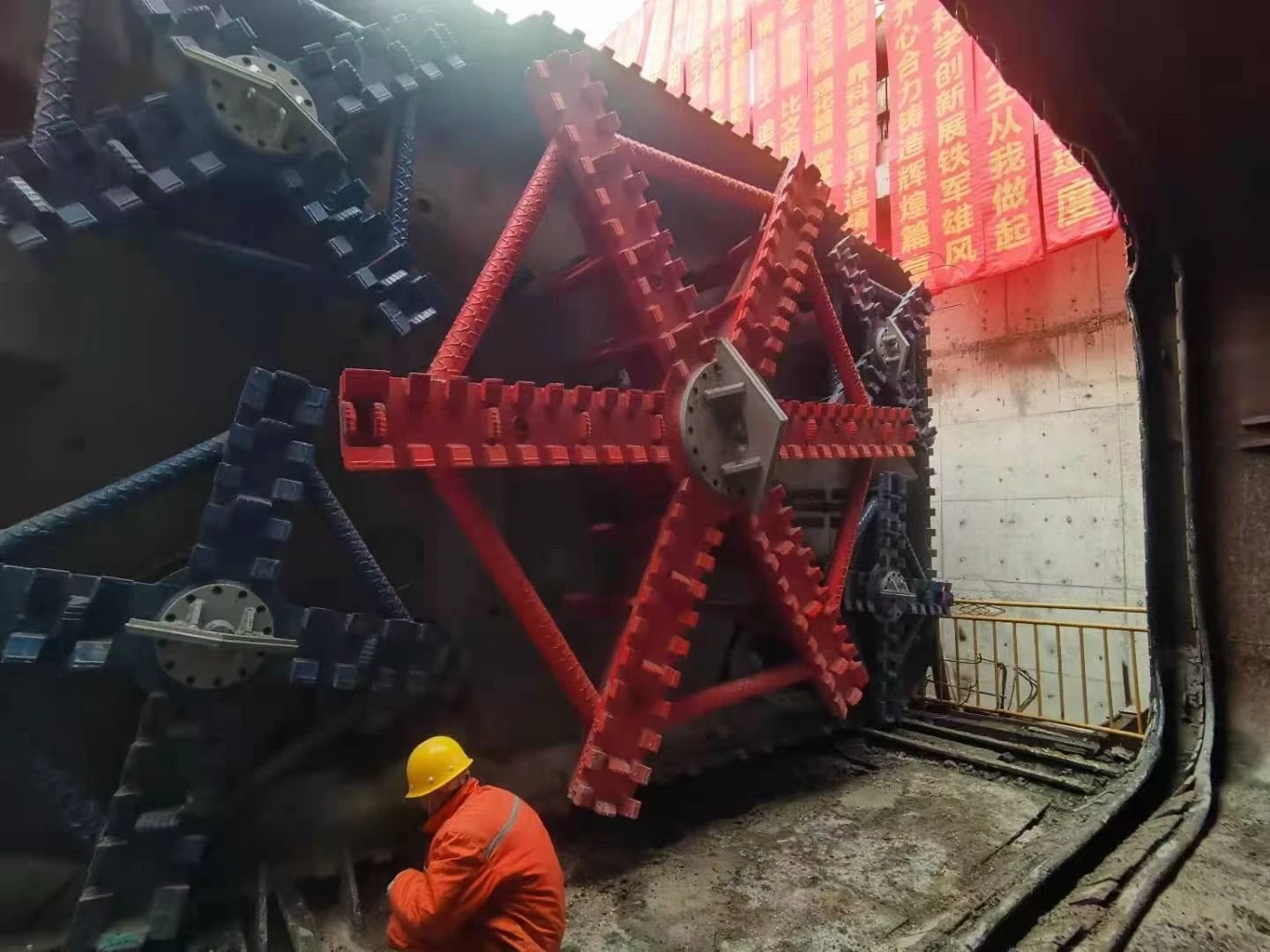
You might not realize how often a TBM tunnel curve can slow output more than expected in tunneling projects. When you use a TBM tunnel boring machine, curves do more than just cause a minor delay. They introduce mechanical, operational, and logistical challenges that can significantly hinder progress. You may encounter jamming risks, unforeseen ground issues, and even difficulties in muck disposal. The table below outlines common problems:
|
Challenge Type |
Description |
|---|---|
|
Mechanical |
Jamming risks that can lead to costly delays and damage to equipment. |
|
Operational |
Unexpected ground conditions that slow boring and require real-time assessments. |
|
Logistical |
Issues with muck handling and disposal, particularly in urban areas with limited above-ground space. |
|
Safety |
Unique safety requirements for working in confined spaces, such as ventilation and emergency protocols. |
A TBM tunnel curve can slow output more than expected, so it's essential to familiarize yourself with the TBM tunnel boring machine, auger boring machine, and Microtunnelling Machine before commencing any tunneling project. CEGC provides expert guidance and manufactures each type of tunnel machine. You need to select the appropriate tunnel machine and consider how a TBM tunnel curve can slow output more than expected during your planning phase. In tunneling, understanding that a TBM tunnel curve can slow output more than expected is crucial for avoiding complications. Always keep in mind that a TBM tunnel curve can slow output more than expected if you do not account for the specific requirements of tunnel boring.
Key Takeaways
-
A TBM tunnel curve can really slow down work. This happens because of machine, work, and moving problems. Picking the best tunnel machine helps a lot. Planning for curves can make work faster and stop delays. Checking TBM things like cutterhead speed is very important. Watching thrust helps keep the work going well. This can stop slowdowns that you did not expect.
Why a TBM Tunnel Curve Can Slow Output More Than Expected
Mechanical Constraints on TBM Machines
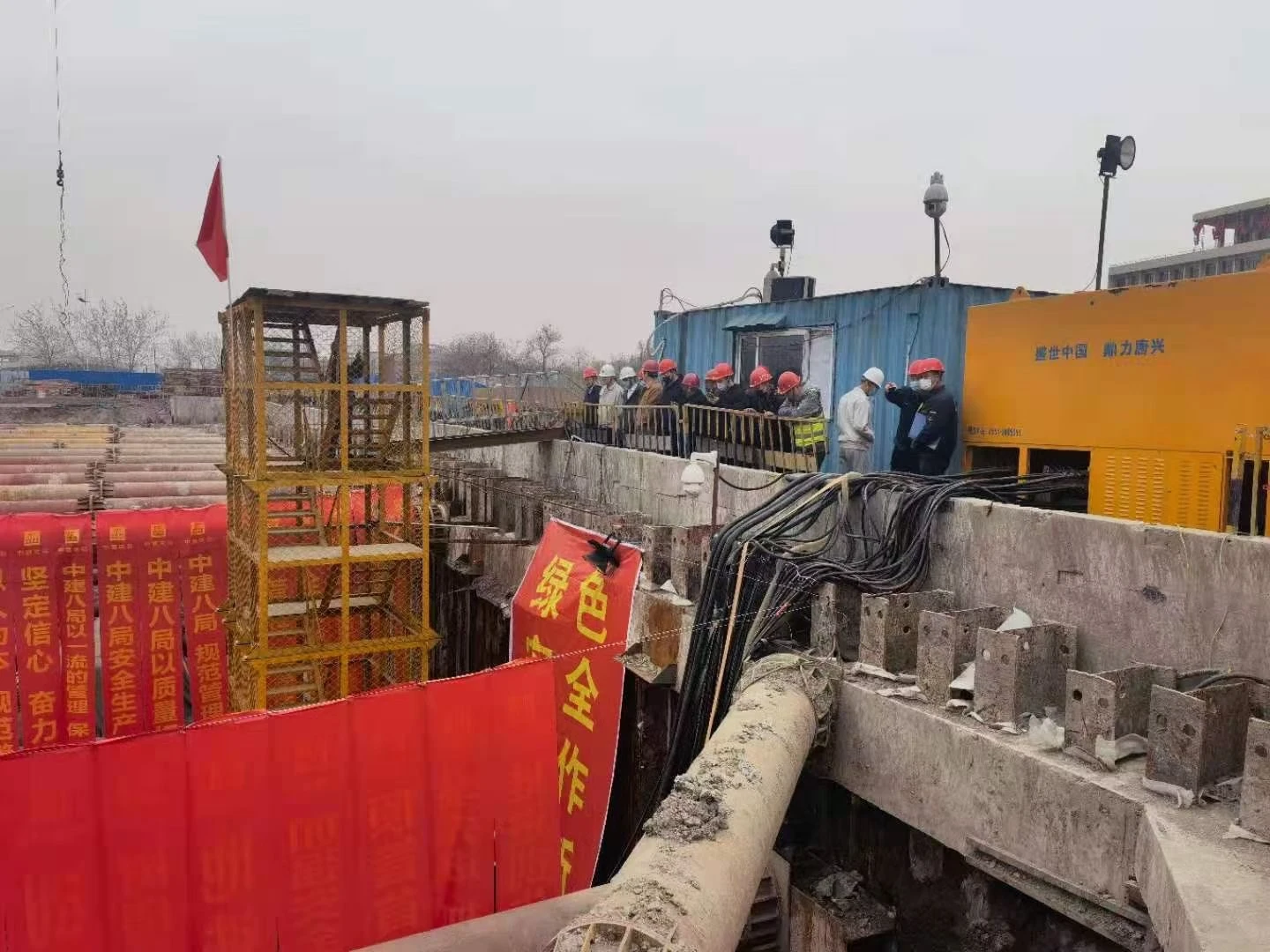
A TBM works best when it moves in a straight line. The TBM is made to go straight so it can dig fast and well. When the tunnel has a curve, the TBM faces new problems. The machine has to turn its big body through the curve. This makes more friction and wears out the cutterhead and seals faster. More friction means the TBM uses more energy and goes slower.
The TBM needs to push harder to get through a curve. The shield length, tunnel lining shape, and ground type decide how sharp the curve can be. If the curve is too tight, the TBM might jam or get out of line. This can break the machine and make tunneling slower.
Here is a table that shows common alignment difficulties for TBMs in curved tunnels:
|
Category |
Description |
|---|---|
|
Steering Behaviors |
Small-radius curves need bigger steering each meter; large-radius curves need smaller changes. |
|
Geotechnical Constraints |
The sharpest curve depends on TBM shield length, tunnel lining shape, and ground type. |
|
Mechanical Constraints |
How much the TBM can push and the ground’s reaction can make steering harder. |
|
Mitigations |
Using shorter ring segments, special segments, and different cutterhead tools can help. |
|
Operational Considerations |
You have to go slower and do more maintenance because cutters and seals wear out faster. |
Every part of the TBM has to work harder in a curve. The machine needs more changes to stay on the right path. This means you have to slow down and watch the TBM closely. The machine also wears out faster, so you need more repairs. This makes tunneling less efficient.
Operational and Logistical Challenges
When you use a TBM in a curved tunnel, you have to slow down. TBMs can go through curves, but they move slower than on straight paths. The machine’s centerline turns slowly, and you need steering and guidance systems to keep control. You have to check the TBM all the time. You must look at the alignment, cutter wear, and ground conditions at every step.
Curves mean you have to stop more often to check and fix things. Every stop makes the TBM go slower. You also have to move tunnel pieces and muck out of the tunnel. In a curve, these jobs are harder because the space is tight and not straight. This slows down the whole job and uses more energy.
You need more people and tools to watch the TBM in curves. The team must look for jamming or if the TBM is not lined up right. If you miss a problem, the TBM or tunnel can get damaged. This risk means you have to go even slower, which makes tunneling less efficient.
Tip: You can make tunneling faster and better in curves by using shorter ring segments, special segments, and special cutterhead tools. CEGC can help you pick the right TBM and give advice on how to dig better and watch the TBM in real time.
All these mechanical, operational, and logistical problems add up. A TBM tunnel curve can slow output much more than you think. You need to think about all these things when you plan your TBM work and check how well tunneling is going. CEGC knows how to pick and use tunnel machines to help you plan for these problems and make tunneling faster and better.
TBM Performance Estimation and Tunneling Parameters in Curves
Key TBM Tunneling Parameters Affected by Curves
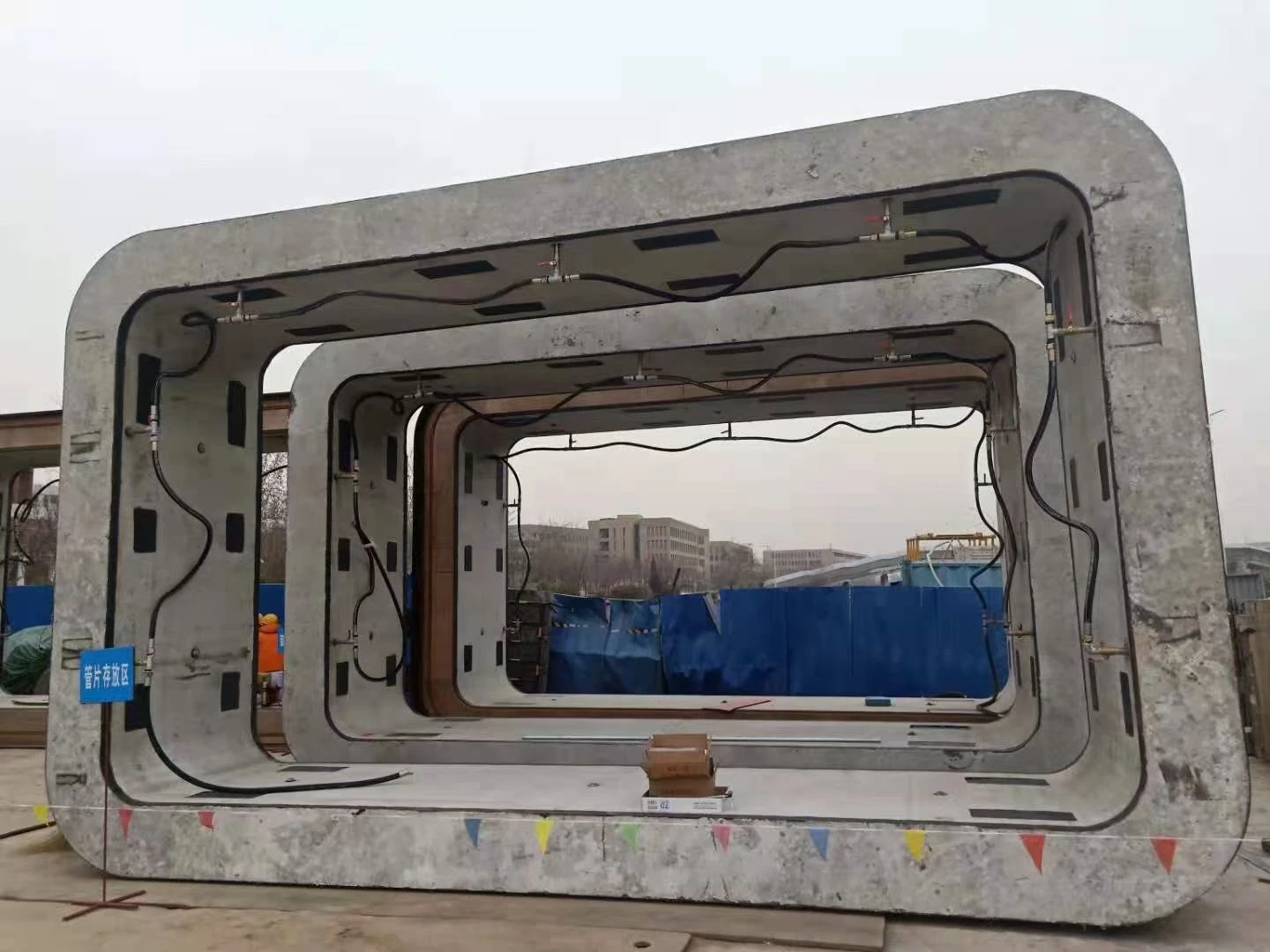
When a TBM goes through a tunnel curve, many things change. The most important are cutterhead speed, thrust, and segment transport. You need to watch these closely to keep the TBM working well. The table below shows how cutterhead speed and thrust change in curves:
|
Cutterhead Speed (r/min) |
Median Thrust (kN) |
Upper Quartile Thrust (kN) |
|---|---|---|
|
3.5 |
1.50 × 10⁴ |
1.88 × 10⁴ |
|
5.0 |
1.16 × 10⁴ |
1.82 × 10⁴ |
When the speed changes, the thrust changes too. This affects how fast the TBM moves and how much energy it needs. You must adjust these things to keep the TBM safe and working well.
Why Slowdown Exceeds Simple TBM Performance Estimation
You might think you can guess how a TBM will work in a curve with a simple model. But the slowdown is much bigger than you expect. Many TBM tunneling parameters change at the same time. For example, models can predict thrust force that is 24 to 30 times higher than what you see in real life. This happens because curves make more friction, alignment problems, and wear. The table below shows the difference between predicted and real thrust force:
|
Model Type |
Predicted Thrust Force (MN) |
Overestimation Factor |
|---|---|---|
|
Continuous Time-Independent |
720 (110 mm overcut) |
24-30 times higher |
|
Continuous Time-Independent |
920 (60 mm overcut) |
24-30 times higher |
There is also a difference between predicted and real advance rates. For example, one TBM was expected to go 7.0 meters per day, but it only did 6.0 meters per day. This means you need to look at all TBM tunneling parameters together, not just one.
Mitigating Curve Impacts with the Right Tunnel Machine
You can make things better by picking the right tunnel machine for your job. If you have sharp curves, you might use a Microtunnelling Machine or an auger boring machine for small tunnels. For bigger tunnels, you should pick a TBM with good steering and monitoring. You can also use shorter ring segments and special cutterhead tools to help the TBM move through curves.
Tip: CEGC can help you make TBM tunneling parameters better. They give advice on picking machines, segment design, and real-time monitoring. This help keeps your TBM fast and working well, even in hard curves.
You should always check all TBM tunneling parameters and change your plan if needed. This helps your tunnel project stay on track and work better.
You can see that a TBM tunnel curve can slow things down more than you think. Mechanical, operational, and logistical problems all work together in tunneling. You need to check TBM speed, cutterhead speed, and segment speed to make things work better. If you know how well the TBM works, you can plan the tunneling speed. For the best results, you should ask CEGC for help.
-
Important tunneling things to check:
-
Thrust
-
Penetration
-
Cutterhead rotation speed
-
Penetration rate
-
Field penetration index
-
Torque penetration index
FAQ
Can an auger boring machine replace a Microtunnelling Machine on a sewer project?
You can use an auger boring machine for short, straight tunnels. A Microtunnelling Machine is better for long or curved tunnels. It gives you more control when the tunnel is not straight.
At what project scale does a TBM machine become more economical than a Microtunnelling Machine?
A TBM machine is cheaper for big tunneling jobs. If your tunnel is longer than a few hundred meters, a TBM saves money and time.
Does CEGC offer a combined auger boring machine and Microtunnelling Machine package?
CEGC can give you both machines in one package. This helps you do different tunneling jobs and makes your project easier to run.


