
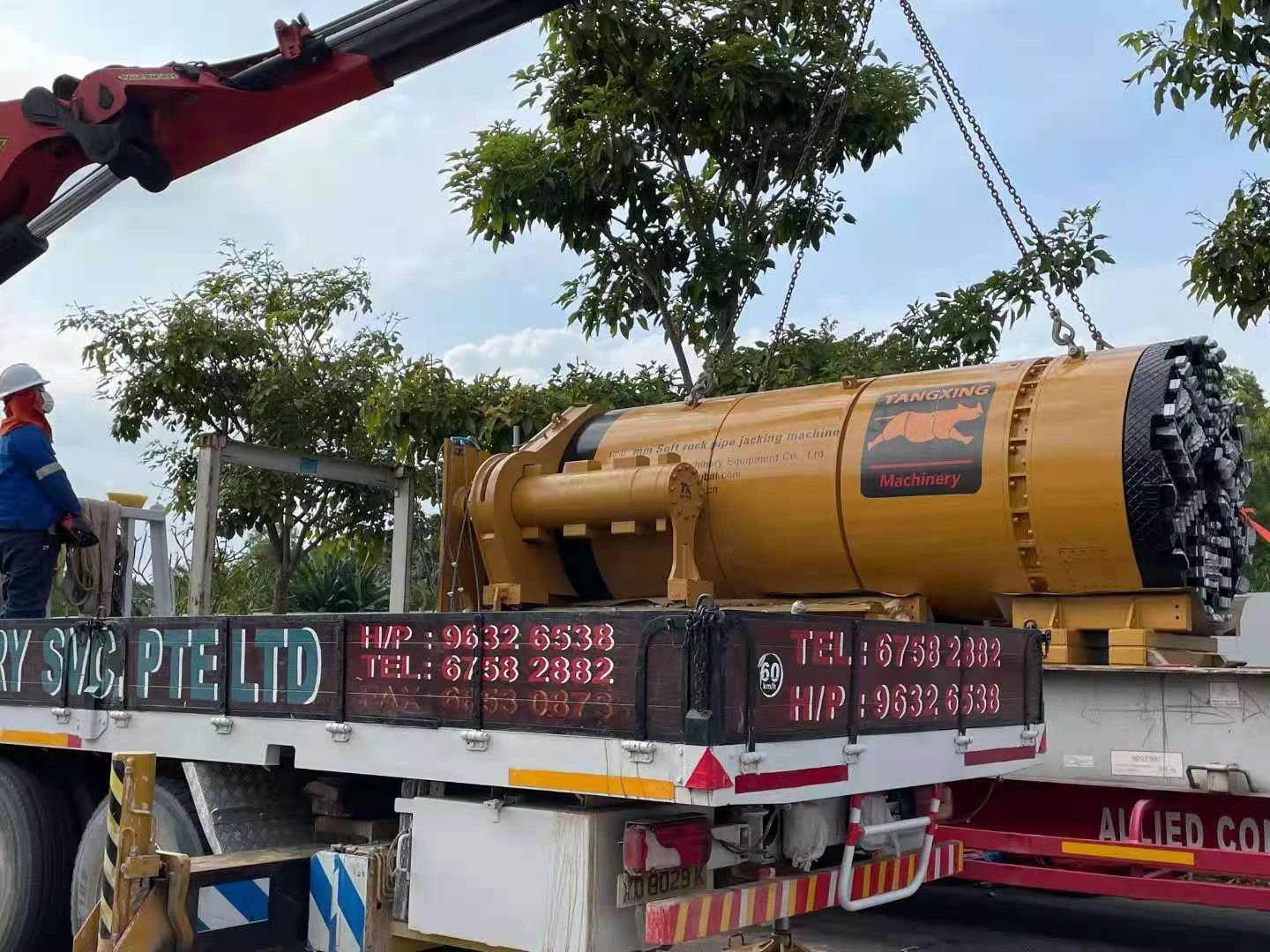
A small radius can increase wear on a TBM tunnel drive, as tighter curves generate more friction and heat. To mitigate this wear, additional lubrication is necessary. When comparing a TBM machine, auger boring machine, and Microtunnelling Machine, CEGC is here to assist you in selecting the right tunnel machine.
-
Higher maintenance and running costs can negatively impact your budget.
-
Delays caused by slower penetration rates can disrupt your schedule.
Key Takeaways
-
Tight curves cause more wear on TBM machines. This happens because there is more friction and heat. Extra lubrication helps lower damage and makes machines last longer.
-
Pick the best tunnel machine for your job. Some machines are made for tight curves. These machines have special parts to handle stress and wear.
-
Always check lubricant levels and machine parts often. Fast maintenance stops expensive repairs. It also keeps your project moving on time.
Small Radius Can Increase Wear on a TBM Tunnel Drive
Friction and Contact Forces in Curves
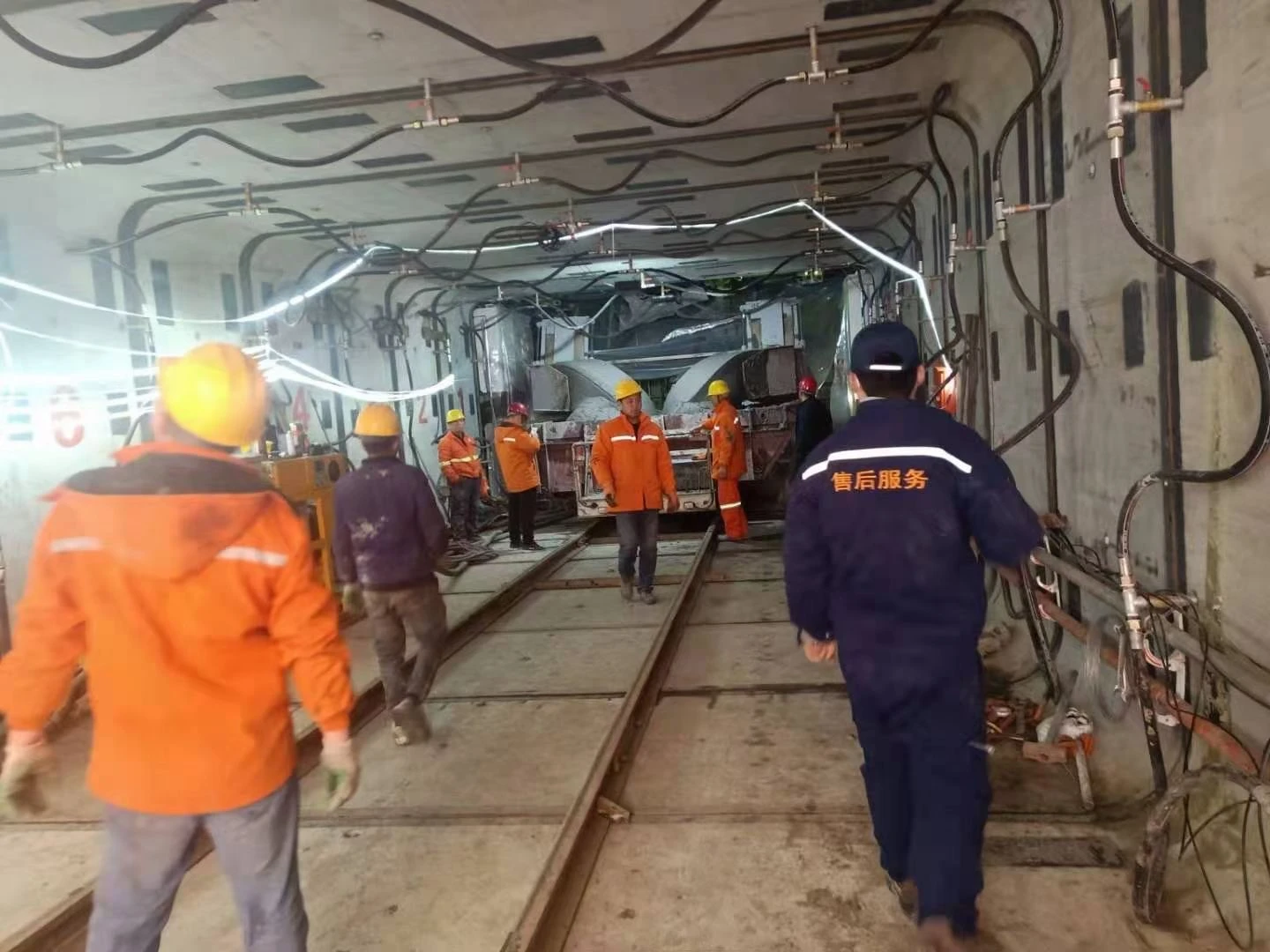
When a tunnel machine goes through a tight curve, it pushes harder against the tunnel walls. This makes more friction between the cutterhead and the ground. The disc cutters and other moving parts have to work harder. The contact forces get much stronger in these spots. This means the cutterhead, bearings, and seals wear out faster. Small radius can increase wear on a TBM tunnel drive because the machine faces more resistance each time it turns. If you look at a straight drive, you will see less wear. Microtunnelling Machine operators also deal with these problems in curves, but sometimes not as much.
Temperature Effects on Wear
When friction goes up, heat also goes up. The cutterhead can get 1.5 to 2 degrees Celsius hotter during normal tunneling. In curves, the temperature can jump even higher. Sometimes, the cutterhead can reach about 75 degrees Celsius, which is twice as hot as normal. These jumps happen when thrust and torque also go up. For example, thrust can reach 80,000 kN and torque can reach 7,000 kN·m. High heat makes metal parts softer and they wear out faster. Small radius can increase wear on a TBM tunnel drive because heat and pressure break down the machine’s parts. You should watch for these signs to stop expensive repairs.
Tip: Always check temperature and force readings in curves. Quick action can stop big problems.
Machine Adaptations for Tight Curves
You can lower wear by picking the right tunnel machine and making smart changes. TBM tunnel boring machine designs for tight curves have flexible joints and better steering systems. These features help the machine handle extra stress without breaking. Some Microtunnelling Machines use special lubrication systems to keep parts cool and moving well. Using extra lubrication in the curve can also lower friction and heat. Small radius can increase wear on a TBM tunnel drive, but with the right machine and good care, your project can stay on track. Always ask your equipment provider, like CEGC, for the best ideas for your tunnel’s path.
Components and Lubrication Strategies
Cutterhead and Drive System Wear
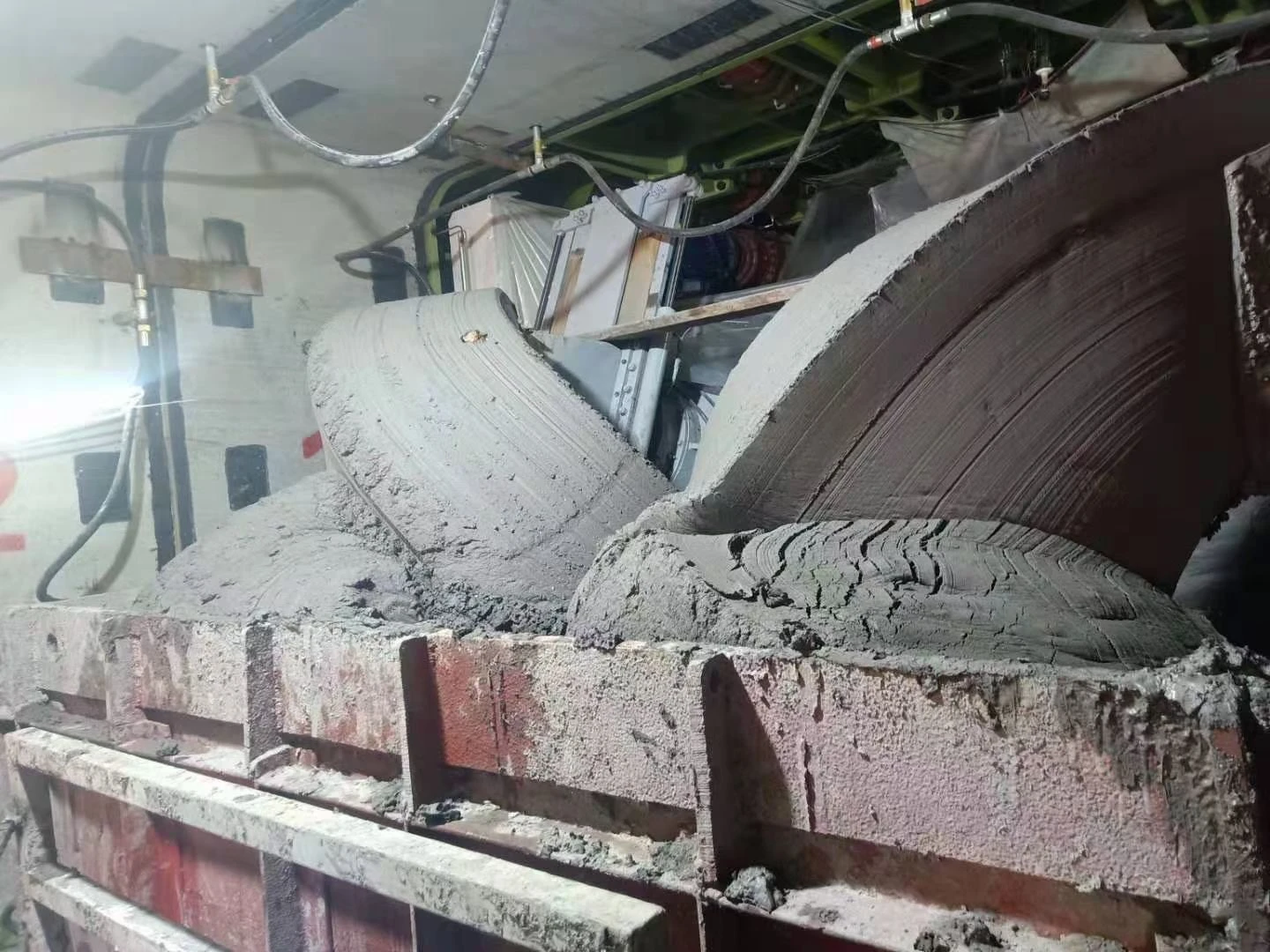
The cutterhead, bearings, and seals wear out most in tight curves. Small radius can increase wear on a TBM tunnel drive because the cutterhead gets more pressure and friction. Bearings and seals break down faster. The drive system works harder, so it gets hotter and breaks sooner. Microtunnelling Machine parts can wear like this, but auger boring machine parts face less stress since they do not go through sharp curves.
Lubrication Methods for Curved Drives
Extra lubrication helps stop friction and heat. You can use bentonite, polymers, or special greases to protect the cutterhead and drive system. CEGC has soil-adjusted bentonite systems that match the lubricant to the ground. This keeps the tunnel boring machine working well, even in curves.
One important way to make drives longer is to keep jacking forces low. Lang says, 'Pipe jacking needs good lubrication around the pipe.' He said, 'We spent years in R&D to lower frictional loads, and we made a soil adjusted bentonite lubrication system. The operator can change the lubrication system to fit the soil.'
You need to watch for common lubrication problems. The table below shows what you should do:
|
Lubrication Issue |
Recommended Action |
|---|---|
|
Low lubricant level |
Add lubricant right away |
|
Dirty lubricant |
Change lubricant and filter |
|
Leaks |
Check and fix seals |
|
Overheating |
Look for blockages and clean |
Practical Tips for Reducing Wear
You can lower wear by checking lubricant levels often and using the right type for your soil. Small radius can increase wear on a TBM tunnel drive, so you should check seals and bearings after every curve. Clean filters and fix leaks fast. Microtunnelling Machine operators also get help from these steps. Auger boring machine users should check lubrication, but they have fewer problems in curves. CEGC can help you pick the best tunnel machine and lubrication system for your project.
You see more wear in small radius curves. This happens because friction and heat go up quickly. Using extra lubrication helps stop damage. Picking the right machine also helps you avoid repairs that cost a lot.
-
New models, like the one used in the Sutong GIL Yangtze River Crossing, can guess wear better. These models help workers know when to do maintenance.
-
Making good choices helps the work go faster and keeps people safe.
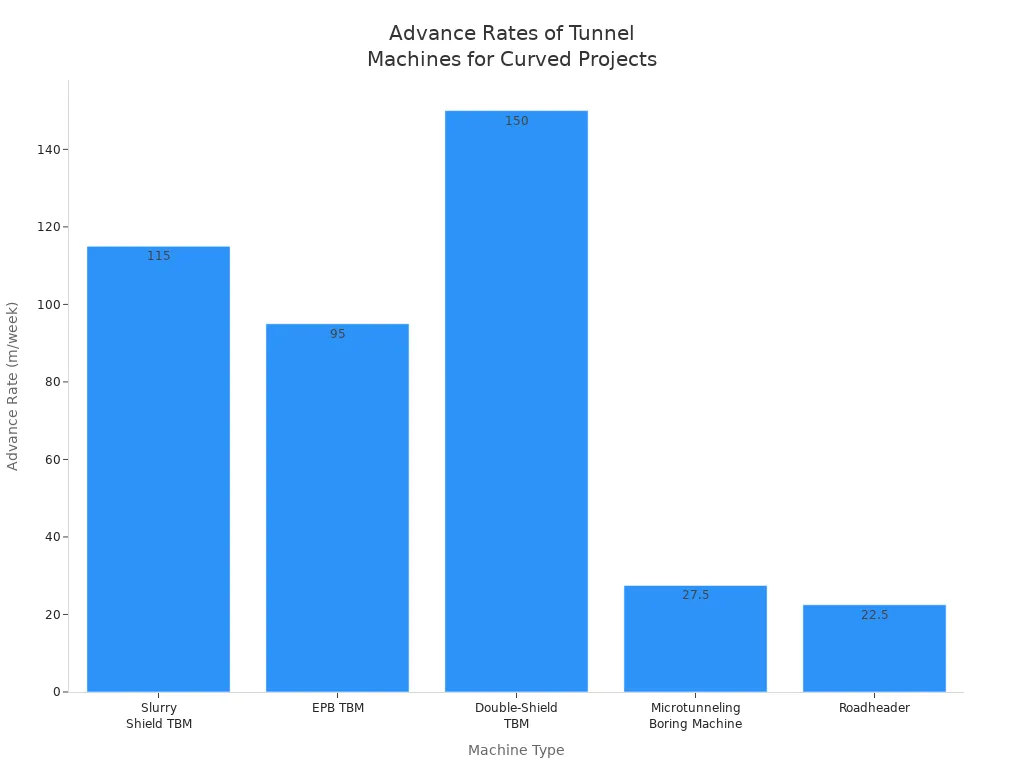
|
Machine Type |
Best Use Case |
Min. Radius |
Max. Gradient |
Typical Advance Rate (m/week) |
Critical Limitation |
|---|---|---|---|---|---|
|
Slurry Shield TBM |
Water-bearing sands, gravels, soft clays |
300 m |
5% |
80–150 |
Needs a slurry separation plant; not good for dry or gassy ground |
|
EPB TBM |
Cohesive soils, variable face conditions |
250 m |
10% |
70–120 |
Needs the right amount of foam or bentonite; does not work well if soil is too wet or dry |
|
Double-Shield TBM |
Hard rock with some fault zones |
500 m |
15% |
100–200 |
Can get stuck in squeezing ground; hard to reach the face |
|
Microtunneling Boring Machine (MTBM) |
Small pipes (0.6–2.4 m), city tunnels |
150 m |
8% |
15–40 |
Only remote operation; no people inside during work |
|
Roadheader |
Short tunnels, odd shapes, careful rock work |
Unlimited (steerable boom) |
30% |
10–35 |
Needs lots of workers; moves slowly; needs ground support often |
You can ask CEGC for help and tools. They can help you pick the best machine for your curved tunnel job.
FAQ
Can an auger boring machine replace a Microtunnelling Machine on a sewer project?
Auger boring machines are good for short and straight tunnels. Microtunnelling Machines are better for long, curved, or deep sewer jobs.
At what project scale does a TBM machine become more economical than a Microtunnelling Machine?
-
Pick a TBM tunnel boring machine if your project is over 500 meters. Microtunnelling Machines are best for shorter tunnels and smaller pipes.
Does CEGC offer a combined auger boring machine and Microtunnelling Machine package?
CEGC has packages with both auger boring machines and Microtunnelling Machines. You can ask them for help to find what fits your project.


