
A small radius can increase wear on a TBM tunnel drive, causing the tunnel machine to experience more stress and friction. This can lead to difficulties in maintaining alignment. In large projects such as the Pahang Selangor Water Tunnel, adjusting machine settings proved effective in reducing wear. CEGC is here to assist you in selecting the best TBM tunnel boring machine to achieve optimal results.
Key Takeaways
-
A small radius makes TBM parts wear out faster. This causes more stress and friction. Pick machines made for tight curves to lower wear.
-
It is important to check and fix cutter wear often. This keeps the work going well and cuts down on delays in tunnel jobs.
-
Picking the right tunnel boring machine matters a lot for success. Talk to experts like CEGC to get the best machine for your needs.
Mechanical Stress and Wear in Small Radius Drives
Increased Pressure on TBM Components
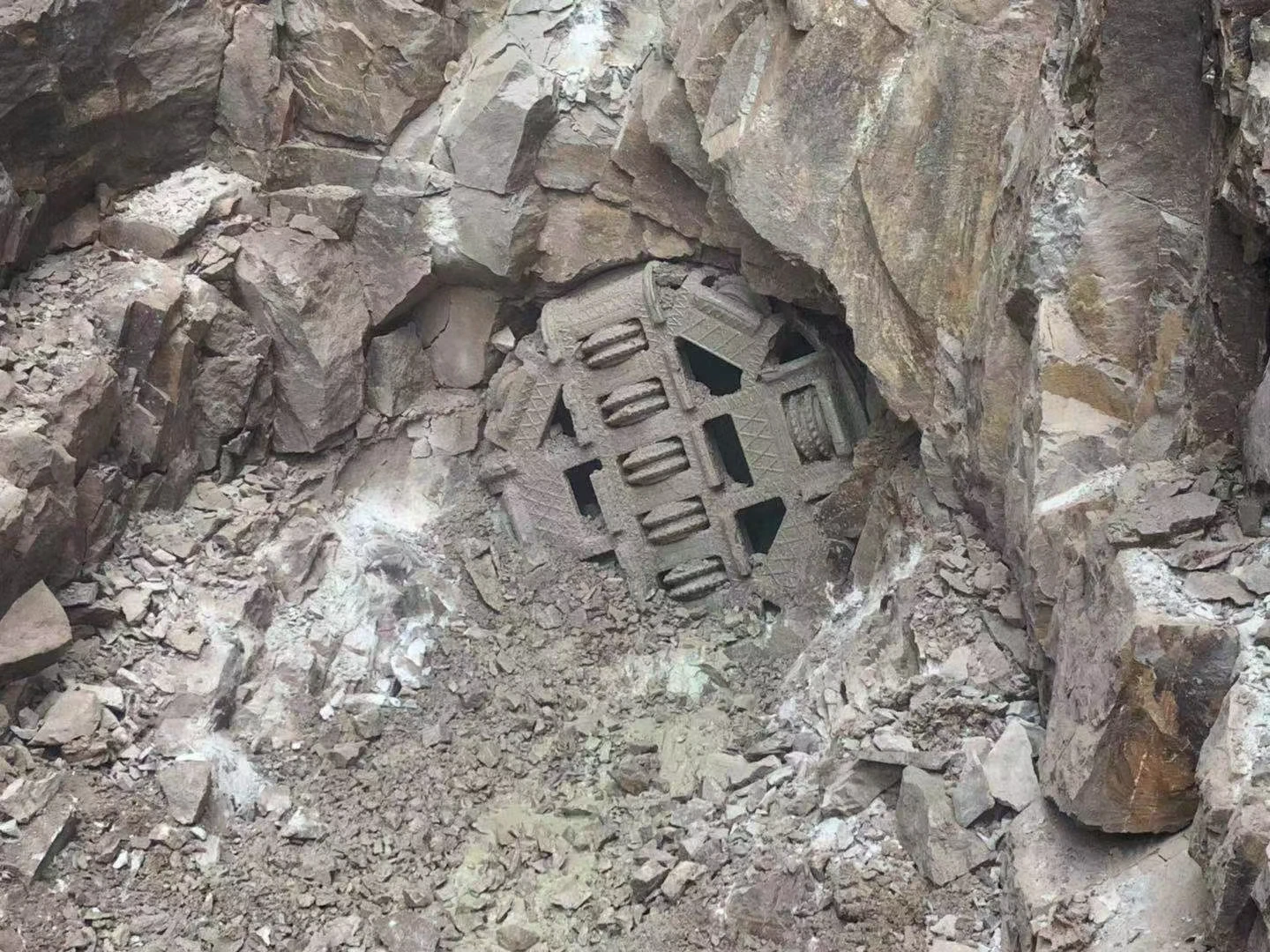
When a tunnel machine goes through a sharp curve, it puts more stress on the cutterhead, bearings, and seals. The machine has to push harder against the ground in a small radius. This makes the parts wear out faster. It can also make the tunnel less stable.
You can see what happens in the table below:
|
Impact Type |
Description |
|---|---|
|
Face Pressure |
More face pressure can make the ground less stable during shield TBM tunneling. |
|
You must keep backfill pressure at the right level to keep the tunnel safe. |
|
|
Surface Settlement |
More pressure does not always mean less surface settlement. |
Over time, measurements show that pressure in small-radius tunnels can be two to five times higher than in straight tunnels. This means you need to watch tunnel support and stability closely.
Companies like CEGC make tunnel boring machines with special features for these problems. You can pick a tunnel machine with a short shield length. This helps the TBM turn easier and lowers squeezing forces. Some machines have a flat, low-profile cutterhead for better support in broken rock. Back-loading cutters let you change blades safely in loose ground. Tail seals with grease keep muck out and protect the tunnel lining.
|
Design Feature |
Benefit |
|---|---|
|
Short shield length |
Lets the TBM turn in a small space and lowers squeezing ground forces. |
|
Flat, low profile cutterhead |
Gives better support in broken rock. |
|
Back-loading cutters |
Makes it safer to change cutters in loose rock. |
|
Tail seals with grease system |
Stops muck from getting between the shield and the lining. |
CEGC can help you pick the right tunnel boring machine for small-radius jobs. You can trust their advice to match your project with the best machine.
Accelerated Cutter Wear and Energy Consumption
A small radius can make cutter blades work harder on a TBM tunnel drive. When the TBM goes through a tight curve, the cutters must cut more rock at sharper angles. This makes the blades wear out faster. Studies show that when cutter blades wear more than 12 mm, the machine uses much more energy. Tunneling speed can drop by 25–30% because the TBM needs more power to move.
As cutter wear gets worse, the TBM needs more torque. This means you spend more time and energy on each job. The work gets slower, and you may need to replace parts more often. Picking the right tunnel machine helps you deal with these problems. CEGC can help you choose a tunnel boring machine, auger boring machine, or Microtunnelling Machine that fits your tunnel curve and ground type.
You can lower wear by choosing a machine made for tight curves. You should also plan for regular maintenance and check cutter wear often. When you know how a small radius affects your tunnel drive, you can make better choices and keep your project running well.
Friction, Alignment, and Operational Challenges
Increased Friction and Contact Forces
When a tunnel machine goes through a tight curve, friction gets higher between the TBM and the tunnel lining. This extra friction makes the machine work harder. The cutterhead and bearings have to handle more force. Over time, these forces cause more wear and tiredness in the drive parts. The cutterhead and bearings may not last as long as they do in straight tunnels.
The table below shows what happens when loads get bigger for the main TBM parts:
|
Key Findings |
Description |
|---|---|
|
Impact of Loads |
More friction and contact forces cause a lot of wear and tiredness in TBM parts, especially cutterheads and bearings. |
|
Strength Design |
You need to look at working loads, not just still loads, to see real wear and tear. |
|
Bearing Reliability |
Disc cutter bearings get hit with strong, changing forces, which makes them less reliable over time. |
|
Reliability Decline |
Bearings lose reliability after many uses, so more friction means these parts do not last as long. |
You should check your TBM drive parts often during a project with a small radius. This helps you stop sudden problems and keeps your tunnel machine working well. Remember, a small radius can make a TBM tunnel drive wear out faster, so you need to plan for more checks and repairs.
Alignment Difficulties and Uneven Loading
It is hard to steer a tunnel boring machine through a sharp curve. You have to keep the machine on the right path, but the tight space makes it tough. The TBM can get uneven loading, where one side pushes harder than the other. This uneven force can make the tunnel move or the lining crack.
You might see these problems:
-
The TBM can move off the planned path, so the tunnel is less exact.
-
The machine might tilt or twist, which puts more stress on the frame and drive system.
-
The tunnel lining might not fit right, so there could be gaps or leaks.
To fix these problems, you can use special plans. For example, you can pick a tunnel machine with a shorter shield. This helps the TBM turn better in small spaces. Some jobs use special machines, like a rectangular tunnel boring machine, to keep the tunnel lined up right. In one job, the RTBM kept the tunnel off by only 31 mm sideways and 36 mm up and down during jacking. After fixing, the final numbers were just 12 mm sideways and -11 mm up and down. These numbers are much better than the biggest allowed, so the right machine can help you stay on track.
Tip: Even if you use these plans, you still need to check the tunnel line often. Tight curves make steering harder, so you should check a lot.
You should know that a small radius can make a TBM tunnel drive wear out faster and make lining up harder. If you pick the right tunnel machine and use smart plans, you can lower these risks and finish your project well.
Small Radius Can Increase Wear on a TBM Tunnel Drive: Evidence and Mitigation
Case Examples of Wear in Small Radius Drives
You can see how small radius can increase wear on a TBM tunnel drive by looking at real projects and research. Studies show that cutter wear rates rise when you use a tight curve. For example:
-
Research on disc cutter wear patterns shows that both ground type and cutter design change how fast cutters wear out.
-
An empirical model for cutter life finds that different soils and rocks lead to different wear rates. This matters most in small-radius drives.
-
In a study of twin tunnels in rock, a rise of 18% in average cutter force led to a 50% jump in cutter wear. This shows a strong link between tunnel curve and wear.
You can also look at project data:
|
Project Name |
Tunnel Length (km) |
Excavation Diameter (m) |
Burial Depth (m) |
UCS Value (MPa) |
Rock Class (%) |
|---|---|---|---|---|---|
|
Zhuxi |
22.501 |
4.0 |
150 ~ 800 |
65.4 ~ 240.1 |
II & III: 75% |
|
Nabang |
9.8 |
4.5 |
100 ~ 600 |
91 ~ 219 |
II & III: 77% |
These projects used TBM tunnel boring machines in tough ground and tight curves. The data shows that small radius can increase wear on a TBM tunnel drive.
Practical Steps to Reduce Wear
You can take action to lower wear in small-radius drives. The right tunnel machine and smart strategies make a big difference.
|
Strategy |
Description |
Results |
|---|---|---|
|
Optimized Cutter Configuration |
Use double disc cutters and rippers together |
Cutter life improved to 2105 m³ per cutter type |
|
Reduced Cutter Spacing |
Place cutters closer together (from 100 mm to 50 mm) |
Penetration rate rose to 39 mm/min (peak 70 mm/min) |
|
Adjusted Installation Heights |
Realign tools to cut straight and reduce side loads |
Torque dropped by 52%, thrust by 36% |
You should also choose the right cutter type for your tunnel machine. TCI or button cutters last longer in small diameter drives. Milled tooth cutters work well in soft rock. Tricone cutters fit smaller tunnels and resist wear.
CEGC can help you select the best tunnel boring machine, auger boring machine, or Microtunnelling Machine for your project. You get expert advice for challenging alignments. With the right plan, you can reduce downtime and keep your project on track.
You get more TBM drive wear with a small radius. The table shows how bigger force and stronger rock make it harder to dig and cause more wear:
|
Factor |
Relationship |
Description |
|---|---|---|
|
Average Normal Force (FN) |
Goes up |
More FN makes digging slower |
|
Uniaxial Compressive Strength (UCS) |
Goes up |
More UCS makes digging slower |
|
TBM Drive Wear |
Goes up |
Small radius makes FN and wear higher |
Tip: Pick the right tunnel machine and check the path often. CEGC can help you lower wear and finish your project well.
FAQ
Can you use an auger boring machine instead of a Microtunnelling Machine for sewer projects?
An auger boring machine works for short and straight tunnels in dry dirt. Microtunnelling Machines are better for long, curvy, or wet ground jobs.
When does a TBM tunnel boring machine become more economical than a Microtunnelling Machine?
A TBM tunnel boring machine saves money on big projects. If the tunnel is over 500 meters or has a large diameter, TBMs cost less.
Does CEGC offer a combined auger boring machine and Microtunnelling Machine package?
CEGC gives you a package with both machines. This lets you work with many tunnel sizes and ground types using one solution.


