
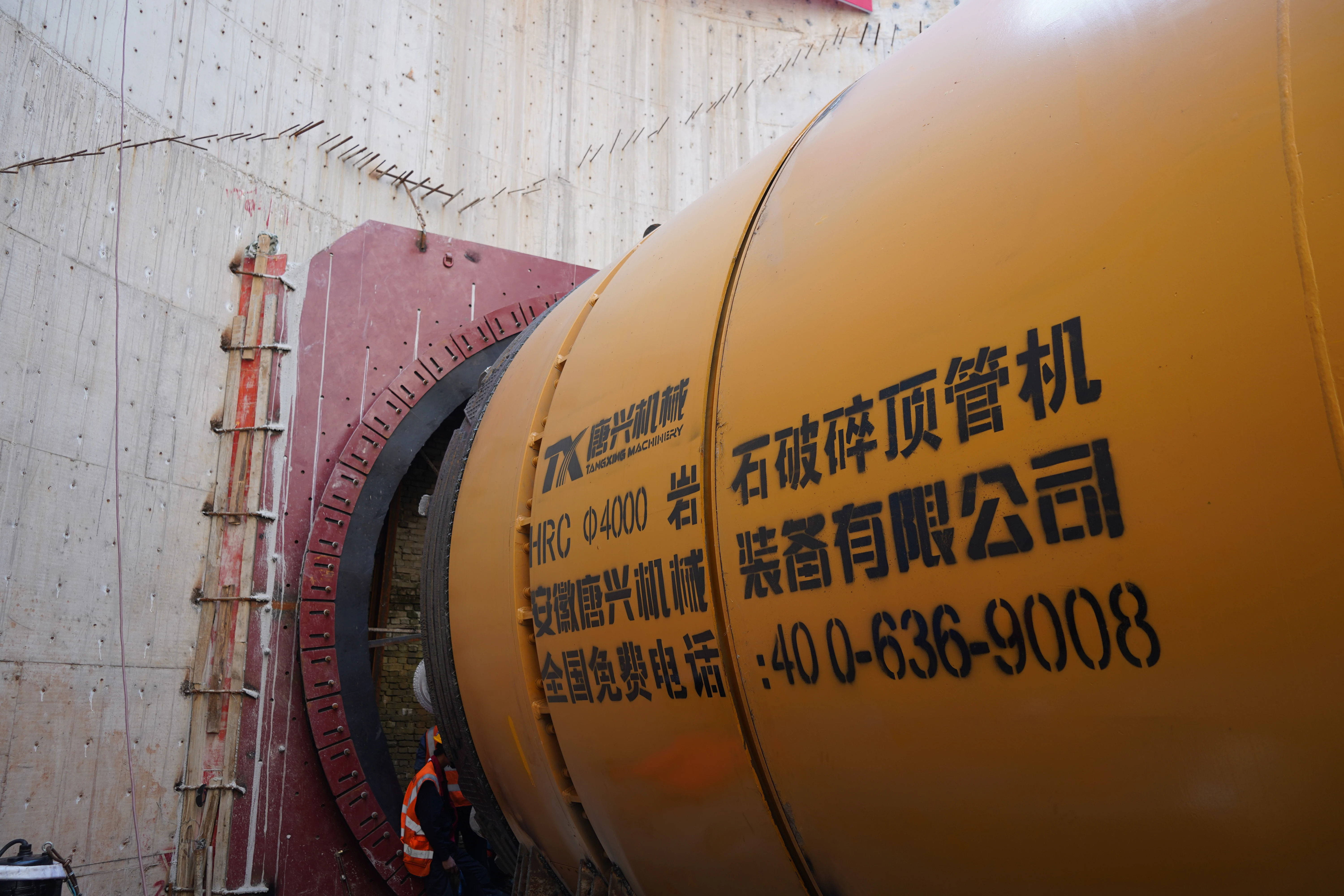
You see it on every project—a tbm tunnel stalls when thrust and torque fight. When a tbm tunnel stalls when thrust and torque fight, you lose valuable time. Industry experts agree that a tbm tunnel stalls when thrust and torque fight because proper balance drives efficiency. A tbm tunnel stalls when thrust and torque fight, so managing this keeps your tunnel moving. CEGC knows a tbm tunnel stalls when thrust and torque fight, so you need the right system.
Key Takeaways
-
Keep thrust and torque balanced so your TBM tunnel boring machine works well. Good control stops the machine from getting stuck or slowing down.
-
Watch how the TBM works by using sensors for thrust, torque, and vibration. This lets you find problems fast and keep the machine moving.
-
Change thrust and torque settings when the ground changes. Making these changes can stop jams and help the TBM work better.
TBM Tunnel Stalls: Thrust and Torque
Thrust and Torque in TBM Machines
You work with a tunnel machine every day. You see how thrust and torque drive the TBM forward. Thrust pushes the TBM into the ground. Torque spins the cutterhead so it can cut through soil or rock. You need both thrust and torque to make the TBM move and dig. Thrust comes from hydraulic cylinders that press the TBM against the tunnel face. Torque comes from motors that turn the cutterhead. You adjust thrust and torque based on the ground. In rocky ground, thrust must be strong enough to push the cutting tools. Torque must be high to turn the cutterhead through hard rock. You ignore some forces, like friction, when you work in rock. This helps you calculate the right thrust for your TBM tunnel boring machine.
How Thrust and Torque Work Together
You balance thrust and torque to keep your TBM tunnel boring machine moving. If thrust is too high and torque is too low, the cutterhead stalls. If torque is high but thrust is weak, the TBM does not advance. You need both thrust and torque to work together.
When thrust and torque fight, your tunnel machine stops. You lose progress and face delays.
-
Torque turns the cutterhead for cutting.
-
You optimize thrust and torque for efficient tunneling.
You select the right TBM machine by looking at thrust and torque data. You study how ground conditions affect thrust and torque. You use models to estimate thrust and torque for hard rock. If you do not balance thrust and torque, your TBM tunnel boring machine slows down. You see poor excavation and risk project failure. You keep thrust and torque balanced for safe and steady progress.
Causes and Effects of Thrust-Torque Conflict
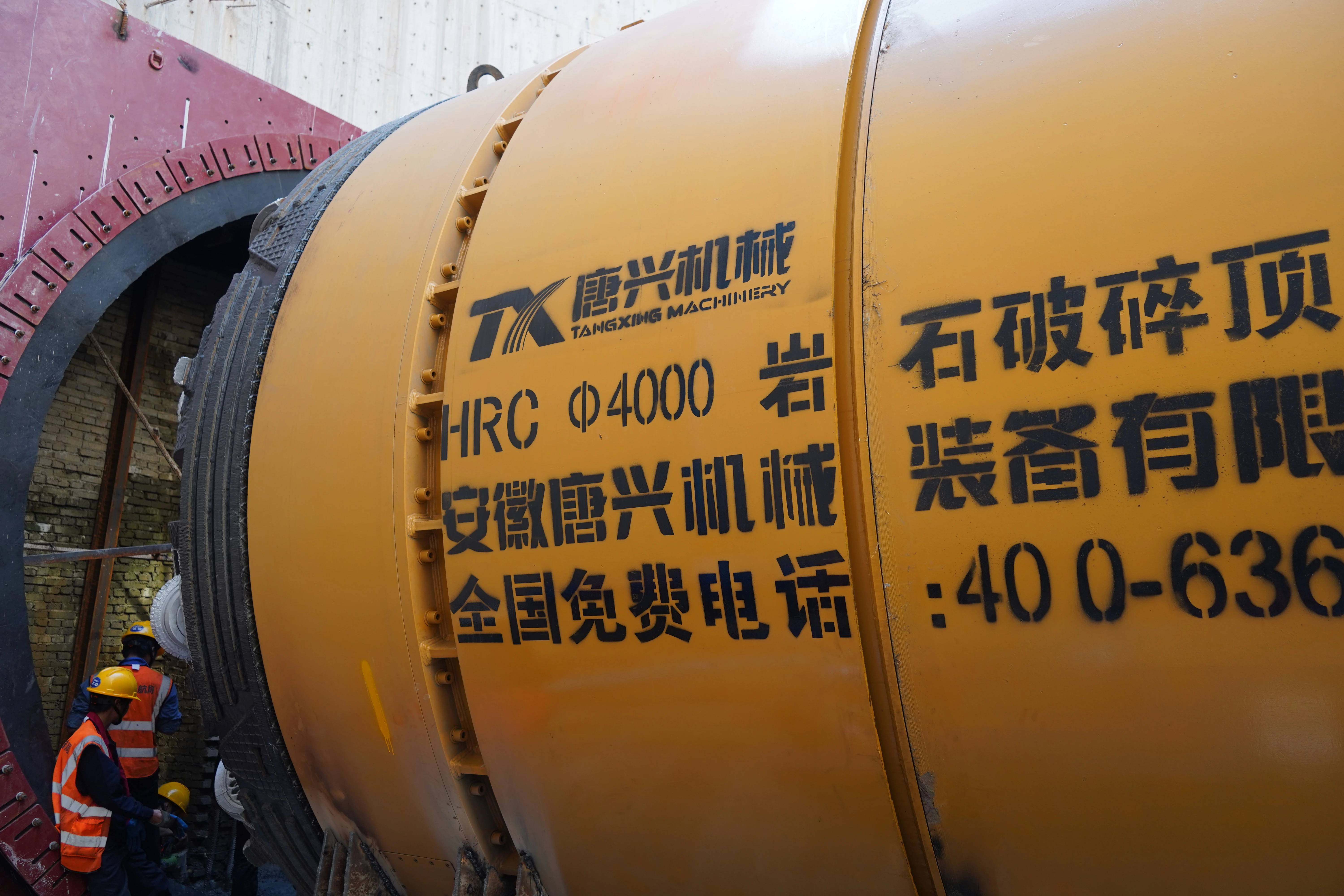
Why a TBM Tunnel Stalls When Thrust and Torque Fight
You see a tbm tunnel stall when thrust and torque fight. You notice the cutterhead stops spinning. You feel the tunnel machine lose progress. You watch the thrust push against the tunnel face, but torque cannot turn the cutterhead. You see jamming happen when thrust and torque do not match. You hear the motors strain. You see muck build up at the face. You feel resistance increase. You see weak zones cause sudden changes in thrust and torque. You notice stress rise in the tunnel machine. You see tunneling slow down. You watch the tbm stop in weak ground. You see thrust push harder, but torque cannot break through resistance. You see jamming become worse. You notice tunneling delays. You see stress build up in the cutterhead. You see weak zones cause more jamming. You feel the tunnel machine shake. You see thrust and torque fight in weak zones. You see tunneling stop. You notice stress increase. You see resistance rise. You see jamming happen again. You see thrust and torque fight in weak ground. You see tunneling stall. You see stress grow. You see resistance block progress. You see jamming become frequent. You see thrust and torque fight in weak zones. You see tunneling stop. You see stress peak. You see resistance win. You see jamming take over.
Mechanical Impact and Stalling Symptoms
You see mechanical impacts when thrust and torque fight. You notice the cutterhead stops. You see the tunnel machine lose power. You feel resistance rise. You see weak zones cause jamming. You see thrust push, but torque cannot turn. You see tunneling slow down. You see muck pile up. You see stress build up in the cutterhead. You see weak zones cause more jamming. You see thrust and torque fight. You see tunneling stop. You see stress increase. You see resistance block movement. You see jamming happen. You see thrust and torque fight in weak ground. You see tunneling stall. You see stress grow. You see resistance win. You see jamming become frequent. You see thrust and torque fight in weak zones. You see tunneling stop. You see stress peak. You see resistance take over. You see jamming symptoms like cutterhead stops, muck builds up, and tunnel machine shakes. You see thrust and torque fight in weak zones. You see tunneling stop. You see stress rise. You see resistance block progress. You see jamming happen again.
Common Causes: Ground, Settings, and Errors
You see common causes of thrust-torque conflict in tbm tunneling. You see unexpected ground conditions cause jamming. You see weak zones appear without warning. You see resistance rise in fault zones. You see thrust push, but torque cannot turn. You see tunneling stop. You see stress build up. You see jamming happen. You see operator errors cause thrust-torque conflict. You see thrust drop. You see resistance rise. You see jamming happen. You see tunneling slow down. You see stress increase. You see thrust and torque fight. You see tunneling stop. You see resistance win. You see jamming become frequent. You see thrust and torque fight in weak zones. You see tunneling stop. You see stress peak. You see resistance take over.
-
The MKTVARI project in Georgia faced cavernous conditions. You saw the tbm advance well, then hit a fault zone with unstable material. You saw delays. You saw expert intervention needed to stabilize tunneling. You saw ground conditions change quickly. You saw thrust and torque fight in weak zones. You saw tunneling stop. You saw stress rise. You saw resistance block progress. You saw jamming happen again.
-
Operator errors cause thrust-torque conflict. You see insufficient thrust fail to overcome resistance. You see jamming happen. You see thrust and torque fight. You see tunneling stop. You see stress increase. You see resistance win. You see jamming become frequent. You see thrust and torque fight in weak zones. You see tunneling stop. You see stress peak. You see resistance take over.
-
You see operational parameters change. You see cutterhead torque and thrust force vary. You see tunneling become unstable. You see thrust and torque fight. You see tunneling stop. You see resistance rise. You see jamming happen.
You see technical solutions for face pressure control. You see pressure applied to the tunnel face in weak soil. You see earth pressure balance machines work in soft ground. You see muck used to maintain face pressure. You see additives like bentonite, polymers, and foam injected to stabilize ground. You see tunneling become safer. You see thrust and torque work together. You see resistance drop. You see jamming decrease.
You see empirical analysis use engineering experience. You see theoretical analysis explain tbm interaction with rock. You see numerical analysis simulate tbm interaction with weak zones. You see tunneling improve. You see thrust and torque balance. You see resistance drop. You see jamming decrease.
You see cutterhead configuration affect torque management. You see different cutterhead types work in different conditions.
|
Cutterhead Type |
Torque Characteristics |
Rock-Breaking Efficiency |
Optimal Conditions |
|---|---|---|---|
|
Conical |
Highest torque fluctuations, 7% lower thrust |
30% faster than planar |
Unstable hard rock, aquatic formations |
|
Composite |
Moderate torque requirements |
N/A |
High-pressure, transitional strata |
|
Planar |
Superior load uniformity |
N/A |
Soft rock, clay environments |
You see CEGC offer solutions for face pressure control, cutterhead configuration, and torque management. You see tunneling become more reliable. You see thrust and torque balance. You see resistance drop. You see jamming decrease. You see tunneling speed up. You see stress drop. You see weak zones managed. You see tunneling stay safe. You see project timelines improve. You see costs drop. You see tunneling become efficient.
Preventing and Resolving TBM Stalls
Operator Best Practices for Torque and Thrust
You must watch tbm performance to stop jamming. Use sensors to check thrust, torque, and vibration. These tools help you see changes in excavation and cutterhead torque. The table below lists ways to monitor tbm:
|
Monitoring Technique |
Description |
Effectiveness |
|---|---|---|
|
Sensors (Thrust, Torque, Vibration) |
Put on rotary cutting machines to check ground conditions. |
Gives real-time data to find problems fast. |
|
Stacking Ensemble-Learning Model |
Uses thrust, torque, and vibration data to sort rock mass. |
Makes predictions more accurate and stable. |
You should change total thrust and cutterhead torque if you notice jamming. Controlling thrust and torque helps you lower jamming risk and boost performance. Always check risks after tbm stops. Make sure the tunnel face is stable before starting again.
-
Use predictive maintenance to stop jamming
-
Check risks after every stoppage
Adapting to Ground Conditions
You deal with many ground types during tbm excavation. Weak zones and high thrust resistance can cause jamming. You must set thrust and torque to fit the ground.
Many bad ground conditions, like squeezing and face collapse, slowed tbm work and caused stoppages and jamming. The study shows weak rock structures made the tunnel close in fast, which caused most jamming.
You need to look for changes in thrust resistance and cutterhead torque. Change total thrust and torque to keep tbm digging steady. This lowers jamming risk and makes performance better.
CEGC Solutions for Reliable TBM Operation
CEGC gives tbm and Microtunnelling Machine solutions with standard specs. You get positive face support, controlled sheeting, and remote control for all functions. The table below shows main specs:
|
Specification |
Description |
|---|---|
|
Positive Face Support |
Gives positive face support for any MTBM type. |
|
Controlled Sheeting |
Lets you control sheeting up and down or side to side within ±1 inch of design. |
|
Remote Control |
All functions are run from a surface control unit. |
|
Rotation Control |
Can control rotation with a bi-directional drive or anti-roll fins/grippers. |
You can change tbm settings for tough ground. Use soil conditioning and foaming agents to help digging. CEGC helps you manage total thrust, cutterhead torque, and thrust resistance. This lowers jamming risk and keeps tbm excavation reliable. You keep performance high and avoid jamming failures. CEGC helps you with jamming risk checks and solutions for every project.
You see the tbm tunnel stop when thrust and torque do not match. You notice cracks in segments and see them move out of place.
Sometimes, segments crack or move after being put in the tunnel. If parts of a support ring or rings are not lined up right, problems can happen. These problems can hurt how well the segment lining keeps water out and stays strong. For strength, you need to check if the extra force from the offset is too much for the segment lining. This offset makes stress go up in the concrete because the touching area between segments gets smaller. This can be a big problem when building the tunnel, since the TBM thrust forces push hard on the segment lining.
You must keep thrust and torque balanced for safe tbm work. You change settings when the ground changes and use special solutions. CEGC’s tbm and Microtunnelling Machine help stop thrust-torque problems and keep the machine working well.
-
You learn about cutterhead torque and thrust forces to make the tbm work better.
-
You study these forces to keep things safe and stop machine problems.
-
You guess when maintenance is needed to stop delays and help the tbm work better.
FAQ
What happens when a tbm stalls?
You see the tbm stop moving. The cutterhead does not turn. You notice muck build up. You must check thrust and torque to fix the tbm.
How do you prevent tbm stalls?
You monitor tbm sensors. You adjust thrust and torque. You check ground conditions. You use CEGC solutions. You keep the tbm working and avoid delays.
Why does a tbm need balanced thrust and torque?
You need thrust to push the tbm forward. You need torque to turn the cutterhead. You balance both to keep the tbm digging and avoid jamming.


