
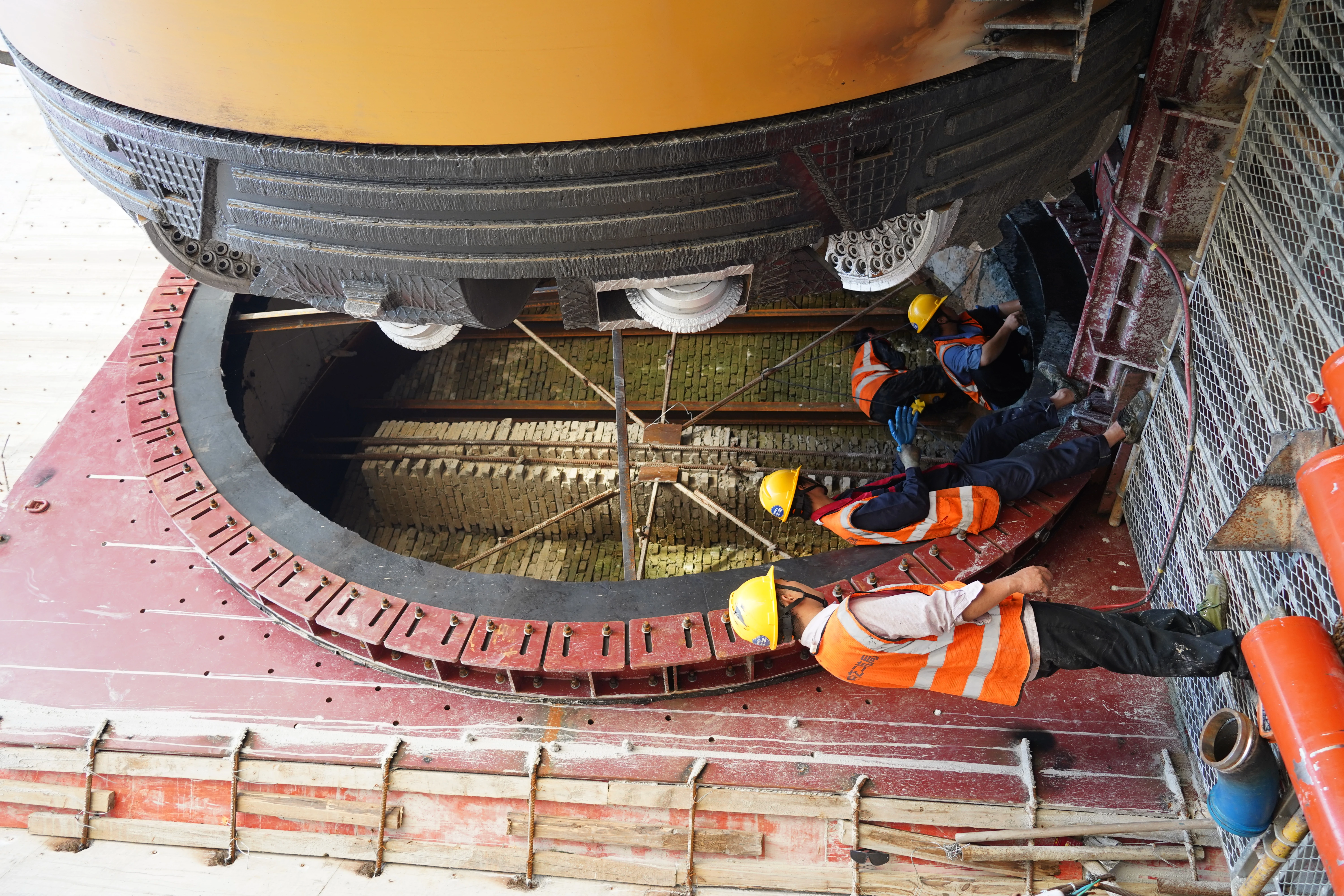
Thrust imbalance can make the TBM machine walk sideways, leading to issues such as ground sinking or an unstable tunnel face. These challenges can jeopardize the tunnel's integrity and the surrounding environment. CEGC employs advanced guidance and thrust control systems to ensure that your tunnel boring machine maintains a straight path.
-
Tunnel structural safety
-
Surrounding environmental safety
Key Takeaways
-
Thrust imbalance can make the TBM move to the side. This can cause the tunnel to not line up right. It may also lead to problems with the tunnel’s structure.
-
Checking and fixing TBM parts often, like the cutterhead and jacks, can stop thrust imbalance. This helps keep the tunnel straight.
-
Using smart guidance systems and thrust-vectoring technology helps control the TBM. This makes the work safer and faster.
What is thrust imbalance in tunnel boring machines?
Thrust application in TBMs
Tunnel boring machines dig tunnels in many types of ground. They move forward by pushing with hydraulic jacks. The jacks press on tunnel segments or the tunnel wall. This push gives the machine power to move ahead. Sometimes, a Double Shield TBM grips the tunnel wall in strong ground. It pushes on segments in weak ground. Single Shield TBMs work best in broken ground. How you push affects how well the machine moves. It also affects how straight the tunnel stays.
Causes of thrust imbalance
Thrust imbalance means the jacks push unevenly on the machine. This can happen if the ground is weak or unstable. Sometimes, the jacks push harder on one side. Soil pressure can change while tunneling and make the machine shift. Blockages or maintenance can also change how force is applied. You must watch for these problems. They can make the machine go off the planned path.
Note: CEGC gives standard specs and custom options for TBM and microtunnelling machines. This helps you control thrust and manage the machine in different ground types.
Role in tunneling alignment
Thrust imbalance can make the machine move sideways. This can cause the tunnel to miss its planned path. If you do not control thrust, the tunnel may bend or break. You might see damage or changes in the tunnel shape. Keeping thrust steady stops the tunnel from going off course. It keeps the tunnel safe and straight.
|
Key Findings |
Description |
|---|---|
|
Small changes in thrust can make the machine move sideways. |
|
|
Shield Attitude Deviations |
Changes in shield position affect tunnel direction and quality. |
|
Hydraulic Thrust System |
Grouped controls help adjust the machine’s pose and direction. |
How thrust imbalance can make the TBM machine walk sideways
Mechanics of lateral movement
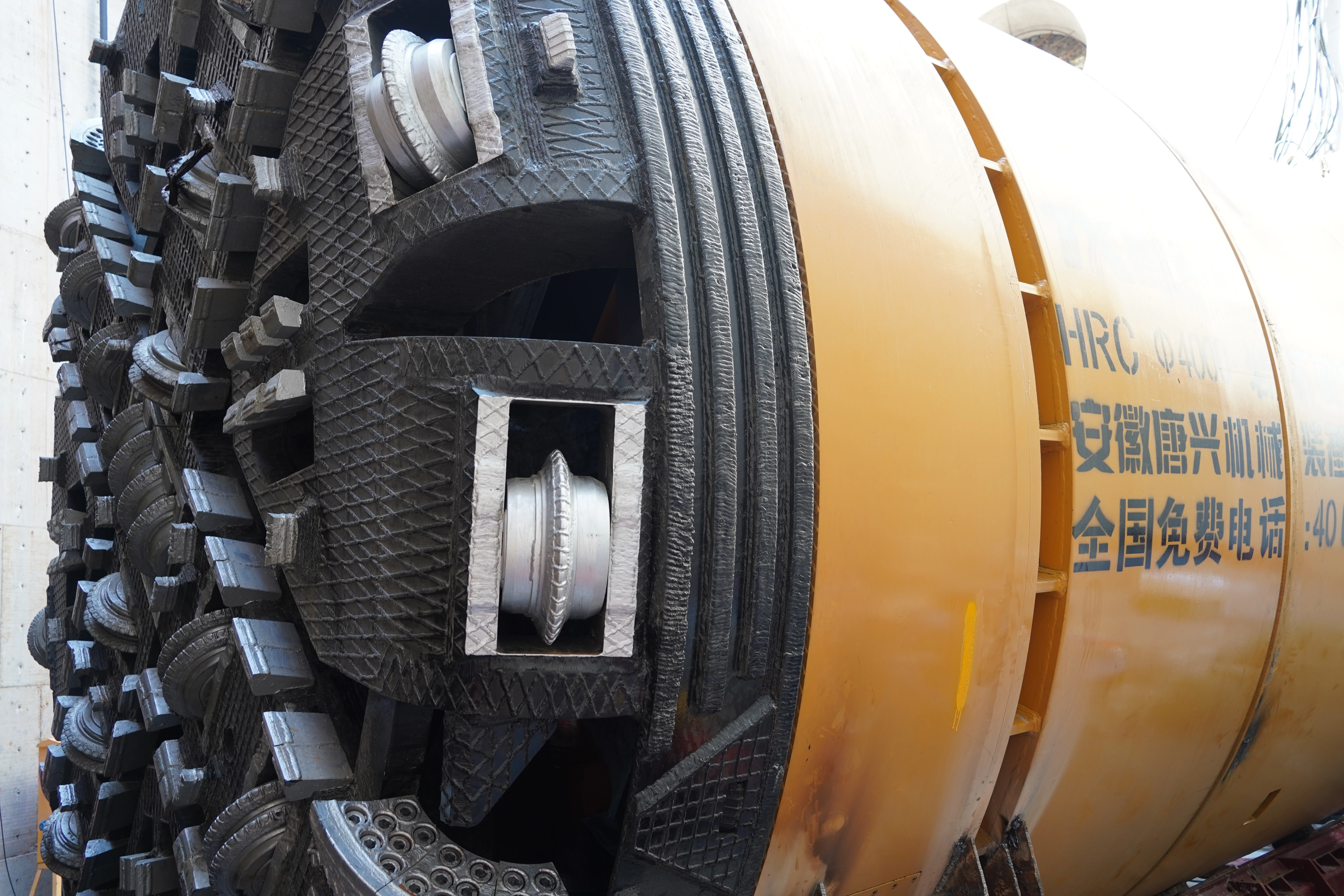
You might wonder how thrust imbalance makes the TBM machine move sideways. It happens when the hydraulic jacks push harder on one side. This uneven push makes the machine shift from its planned path. The shield can tilt or turn. The cutterhead then digs more on one side. This causes the tunnel machine to move sideways, not straight. You may see the tunnel start to curve or bend. Even a small force difference can cause a big change over time. If you do not fix the imbalance, the machine keeps drifting. This sideways movement can hurt the tunnel lining and make it unsafe.
Common triggers in tunneling
Many things can cause thrust imbalance and make the TBM machine move sideways. You might see these problems during tunneling:
-
High thrust from the TBM jacks on one side
-
Uneven segment ring surface under the machine
-
Eccentric compression on segments caused by the jack gripper
-
Mismatching of TBM attitude to the curve section of segment lining
-
Over pressure of grouting behind the segments
Operator mistakes can also cause trouble. If you do not check the machine’s position or change the controls, thrust imbalance can make the TBM machine move sideways. Broken jacks or old parts can make things worse. Uneven ground or sudden soil changes can push the machine off track. You need to watch for these triggers to keep your TBM on course.
Effects on tunnel alignment
When thrust imbalance makes the TBM machine move sideways, you will notice some effects on tunnel alignment:
-
Attitude deflection causes big gaps between segments.
-
The key segment gets the most damage and becomes weak in the same ring.
-
Irregular movement and gaps show up in the whole tunnel.
-
Circumferential joints get squeezed more than longitudinal joints by the TBM.
These problems can cause leaks, cracks, or even tunnel collapse. You might have to pay for repairs or face project delays. To stop these issues, you need strong control systems. CEGC gives advanced guidance, steering, and line/grade assurance systems. These tools use lasers, real-time data, and automatic steering. You can always check the machine’s position, grade, and direction. The system helps you fix any mistake fast. With CEGC’s solutions, you can keep your TBM moving straight and safe, even in tough ground.
|
Solution Type |
Description |
|---|---|
|
Advanced Automation Systems |
Improve productivity and safety outcomes in TBM operations. |
|
AI-Driven Guidance Systems |
Use machine learning to optimize excavation parameters in real time. |
|
Real-Time Data Analytics |
Provide informed decision-making based on performance and geological data. |
|
Sophisticated Guidance Systems |
Use laser technology and computerized navigation for precise tunnel alignment. |
Tip: Always use a guidance system and check thrust to stop sideways movement and keep your tunnel project on time.
Preventing thrust imbalance in tunneling
Monitoring and maintenance
You can stop thrust imbalance by having a good plan. Check the cutterhead and its parts often. This helps you find broken or worn pieces early. If a cutter gets blocked, change it right away. The tunnel machine will work better if you do this. Look at the bucket lips often to make sure they are not damaged. Try using different cutter types and settings to see what works best. Doing these things lowers the chance of the machine going off course. Your tunnel boring machine will stay steady if you keep up with these jobs.
-
Change blocked cutters right away
-
Look at bucket lips for damage
-
Try different cutter types and settings
If the tooling system wears out, thrust imbalance can happen. Disk cutters are very important. When they wear down, the machine can lose balance. It also digs slower. If the main bearings break from too much use, thrust imbalance can happen. Bad oil or dirt can hurt the bearings. This makes it hard to control the machine.
Operator best practices
You help keep the tunnel machine moving straight. Always follow the rules in the manual. Watch the thrust numbers and how the machine sits. If you see a problem, fix the controls right away. Write down all repairs and checks you do. Talking with your team helps you find problems early. This keeps the machine safe and steady.
Advanced thrust-vectoring automatic shield tunneling technology
New tunneling jobs need smart tools. Thrust-vectoring automatic shield tunneling technology lets you control the machine better. It changes thrust on each side to keep the tunnel boring machine steady. CEGC gives you face support, a guidance system, and a strong machine body. These things help you keep the machine stable and stop it from drifting. You can ask for special changes for your project. Thrust-vectoring automatic shield tunneling technology keeps your tunnel safe and straight, even in hard ground.
Tip: Use thrust-vectoring automatic shield tunneling technology and do regular checks to keep your tunnel boring machine steady and your project on time.
You can see that thrust imbalance makes the TBM move sideways. If you control thrust well, you stop expensive errors. CEGC helps keep workers safe and projects on time.
|
Aspect |
Impact |
|---|---|
|
Cost Overruns |
15%-30% on typical tunneling projects |
|
Schedule Delays |
6-18 months beyond original projections |
|
Safety Implications |
Increased ground instability and equipment failures |
FAQ
What is the main job of the shield in a TBM?
The shield protects the tunnel face and supports the ground. You use the shield to keep the tunnel safe as the tbm moves forward.
How do you keep a TBM shield moving straight?
You watch the shield position and use control systems. You check the shield often. You adjust the tbm to keep the shield on the planned path.
Why does the TBM shield sometimes drift off course?
The shield can drift if the ground changes or if the tbm pushes unevenly. You must check the shield and use control tools to fix the path.


