
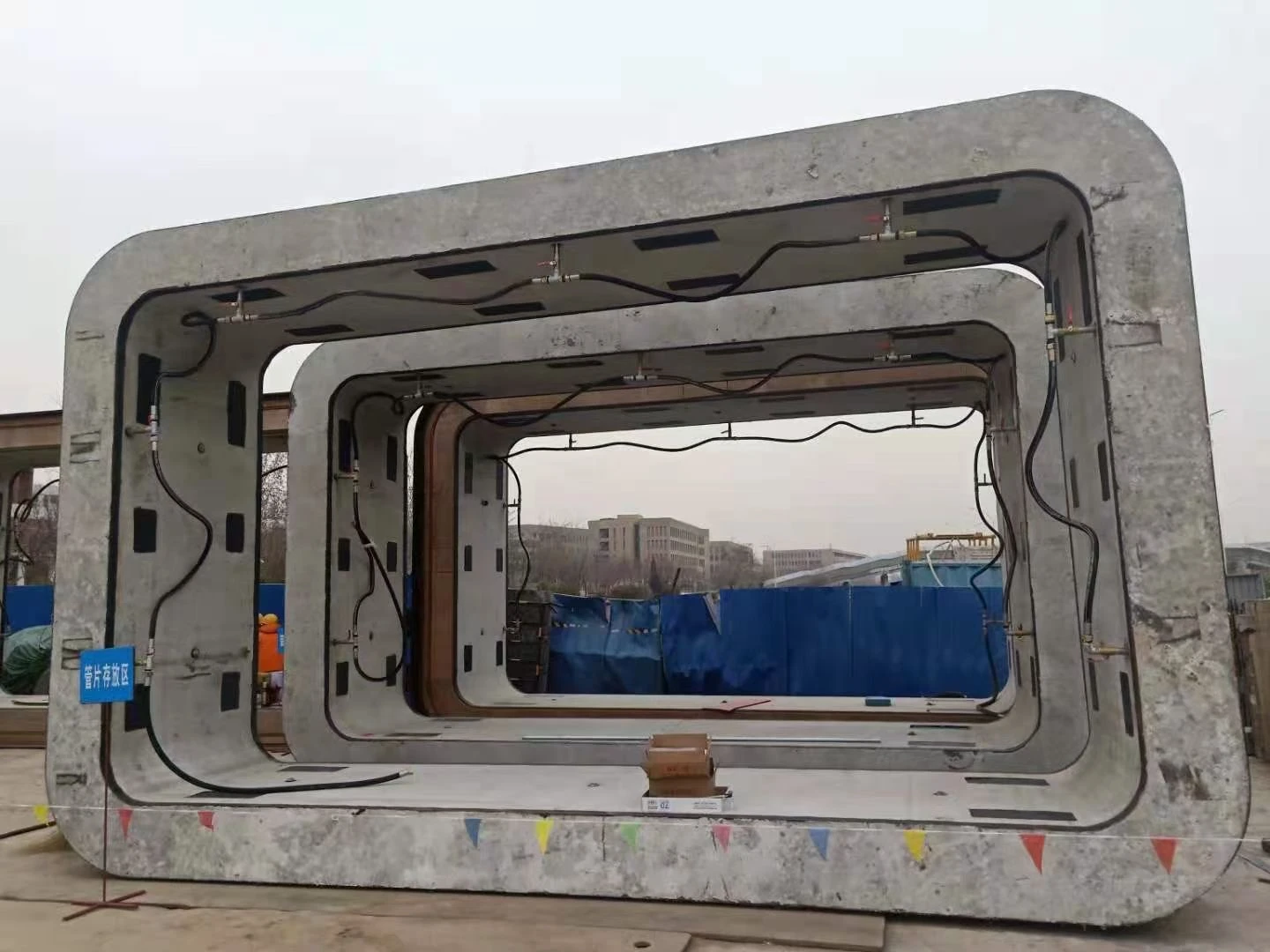
Automated cutter replacement on a TBM machine, as engineered by CEGC, utilizes advanced sensors to detect worn cutters. Robotic arms swiftly remove old cutters and install new ones, significantly reducing downtime and enhancing safety. The adaptability cuts cutter swaps on a TBM machine, making the process more efficient and flexible for various tunneling conditions. CEGC designs these adaptable systems to ensure reliable performance across a wide range of project requirements.
Here’s how safety improves with CEGC’s adaptable cutter swap technology:
|
Details |
Manual Replacement |
Automated Replacement |
|---|---|---|
|
Cost per hour |
Lower |
|
|
Worker health risks |
Up to 50% |
Reduced |
|
Robotic intervention |
Low |
80% (NeTTUN Target) |
Key Takeaways
-
Automated cutter replacement on TBM machines cuts down waiting time and makes work safer. This lets workers finish jobs faster and with less risk. Real-time monitoring uses special sensors to check cutter wear. These sensors help workers know when to change cutters. This stops machines from breaking down. The adaptability of cutter swaps helps workers change cutters for different tunnel conditions. This saves both time and money.
Automated cutter replacement in tunnel boring machines
System components and integration
A tunnel boring machine is a big, complicated machine. It has many parts that work together to dig tunnels. For automated cutter replacement, the main parts are robotic arms, sensors, fasteners, and transport systems. Robotic arms go into the cutterhead and take out old cutters. Sensors check each cutter’s condition and send information to the control system. Fasteners keep the cutters in place and let workers change them quickly. Transport systems bring new cutters to the cutterhead and carry away the old ones.
All these parts work with other TBM subsystems. The cutterhead spins and pushes into rock or dirt. The shield keeps the machine and workers safe. Hydraulic systems give power for moving and steering. CEGC engineers make sure every part fits well with the others. This helps the machine run smoothly and work well. New features include AI that helps make better choices, multilayer transport, and new locking systems. These things make changing cutters faster and easier.
Detection and monitoring technology
You need special technology to know when a cutter should be changed. Modern tunnel boring machines use sensors to measure vibration, sound, current, and pressure. These sensors find out if a cutter is worn out or broken. Watching the machine in real time helps you know how it is doing and makes checking more accurate. Artificial neural networks look at the sensor data and can be right 90% of the time. There are also safe ways to check cutters, like eddy current and ultrasonic monitoring. These ways give you exact numbers.
Sensor systems are better than checking by hand. Manual checks inside the cutterhead can be wrong because it is hard to see. Sensors, like eddy-current types, can measure cutter wear very closely, down to 0.15 mm. Manual checks can be off by 2 to 5 mm. Sensor systems give you better numbers and help you make fewer mistakes. Real-time monitoring uses sound and vibration sensors. Machine learning can guess cutter wear levels very well.
Robotic removal and installation
You can watch robots take out and put in cutters inside tunnel boring machines. These robots have special arms that can move well and lift heavy things. They work in small spaces and fit with the TBM’s design. The robots take out old cutters and put in new ones without losing strength or safety. You can use them by hand or let them work on their own.
New locking systems make the job even faster. The bolt-free steel arch joint uses a self-locking system. This design lets the machine connect parts quickly and saves time. Robots can change cutters four to eight times faster than people can. The locking system helps the robots work better and keeps them strong for tough jobs.
Tip: Automated TBM systems help you save time and keep workers safe. You spend less time changing cutters and more time digging the tunnel.
|
Component |
Function |
Benefit to You |
|---|---|---|
|
Robotic Arm |
Takes out and puts in cutters |
Faster swaps, less downtime |
|
Sensor Array |
Checks cutter wear |
Accurate detection |
|
Fastener System |
Holds cutters in place |
Quick release and install |
|
Transport System |
Moves cutters |
Efficient logistics |
Automated TBM systems change how tunnel boring machines work. You get better checking, faster robot swaps, and strong teamwork between parts. These things help you finish jobs on time and keep everyone safe.
Adaptability and efficiency: cutting swaps on a TBM machine
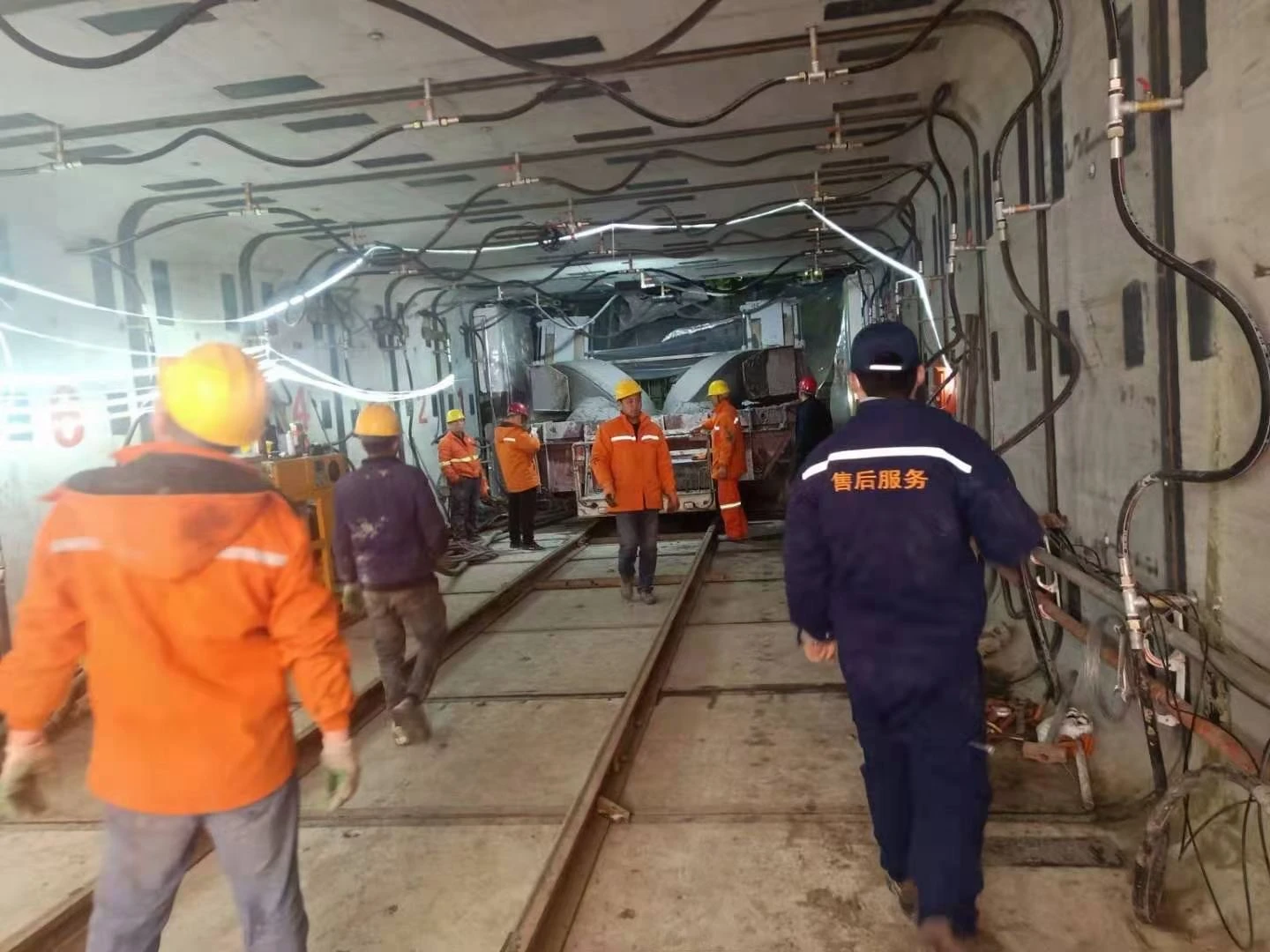
Adjusting to cutter types and wear
A tunnel boring machine must handle many underground problems. The adaptability cuts cutter swaps on a TBM machine, so work does not stop when the ground changes. TBM disc cutters face hard rock, soft soil, or mixed ground. You need to use different cutter types for each kind of ground. The TBM cutter head has smart sensors that check every cutter for wear. These sensors give fast updates if the ground or machine changes. You can see when a cutter needs to be changed before it breaks.
There are different ways to pick the right cutter for your tunnel boring machine. First, you study the ground to learn about the rock and soil. Then, you choose the best TBM disc cutters for the job. Some cutters are made with strong materials for hard rock. Others have special shapes for soft ground. Modular cutter systems let you change the cutter setup quickly if the ground changes. This flexibility helps you finish the job with fewer stops.
Here is a table that shows how you can change your cutter plan:
|
Strategy |
Description |
|---|---|
|
Comprehensive Geotechnical Investigation |
|
|
Tailored Cutter Selection |
You choose cutters with the best materials and shapes for the ground. |
|
Modular Cutter Systems |
You switch cutter types quickly when the ground changes. |
The adaptability cuts cutter swaps on a TBM machine, so you do not need as many extra tools. You save money and time. You also stop breakdowns because you can find problems early. The TBM cutter head works better when you use sensor data to help you choose.
Comparing automated vs. manual replacement
You want your tunnel boring machine to work as much as possible. Manual cutter replacement takes a long time. Workers must stop the TBM, go inside the cutterhead, and change each cutter by hand. This is slow and can be dangerous. Automated systems use robots to swap TBM disc cutters. These robots work inside the TBM cutter head and do not need to stop for long. The adaptability cuts cutter swaps on a TBM machine, so you spend less time fixing things.
Automated cutter replacement makes your tunnel boring machine work better. Robots can change TBM disc cutters four to eight times faster than people. You get more digging time and less waiting. The TBM cutter head stays in good shape because robots do not make mistakes. You also lower the chance of injury for your team. Automated systems use real-time monitoring to check each cutter. If a cutter wears out, the system tells the robot to change it right away.
Here are some main differences:
-
Manual replacement takes hours and can be risky.
-
Automated systems finish cutter swaps fast and safely.
-
You build more tunnel in less time.
The adaptability cuts cutter swaps on a TBM machine, so you can do hard jobs without slowing down.
Impact on safety and project timelines
You want everyone safe and your project done on time. Automated cutter replacement helps with both. The tunnel boring machine uses real-time monitoring to watch for problems. If the TBM disc cutters show trouble, the system can warn you or stop the machine. Automated safety responses keep your team and equipment safe. Predictive maintenance finds problems before they cause breakdowns. Emergency shutdown features let you stop the TBM fast if something goes wrong.
Here is a table that shows how these features help you:
|
Safety Feature |
Description |
|---|---|
|
Real-Time Monitoring |
You get live data on the TBM cutter head and TBM disc cutters. |
|
Automated Safety Responses |
The system acts fast to keep everyone safe. |
|
Predictive Maintenance |
You fix problems before they stop your tunnel boring machine. |
|
Emergency Shutdown |
You can stop the TBM quickly in an emergency. |
The adaptability cuts cutter swaps on a TBM machine, so you avoid long delays. Automated systems and smart monitoring can cut downtime by up to 15%. You finish your tunnel faster and save money. New cutter materials last longer and waste less. Smart cutters with sensors tell you when they need help. This technology keeps your TBM disc cutters working well.
CEGC gives you choices for your tunnel boring machine. You can pick the right TBM cutter head, sensors, and materials for your project. The adaptability cuts cutter swaps on a TBM machine, so you get a safer, faster, and more reliable tunnel.
Automated cutter replacement makes tunnel boring safer and quicker. It also lets you change plans easily. These systems help you choose cutters that fit the job. They cut down on waiting time. Real-time monitoring helps you fix things before they break.
-
Pick cutters that work best for each project
-
Spend less money on fixing machines
-
Change plans if the ground changes
“A decision tree model guides you to pick the right cutter types and setups for the best results.”
FAQ
How often do you need to replace TBM disc cutters?
You usually replace TBM disc cutters every 200 to 400 meters of tunnel. Sensor data helps you know the right time for each cutter.
What does the segment erector do on a TBM machine?
The segment erector picks up concrete segments and places them to form the tunnel wall. You get strong, precise rings for safe tunnel support.
How do you maintain a TBM machine deep underground?
You use automated systems to monitor wear and performance. Real-time data helps you plan maintenance and keep your TBM machine running smoothly.


