
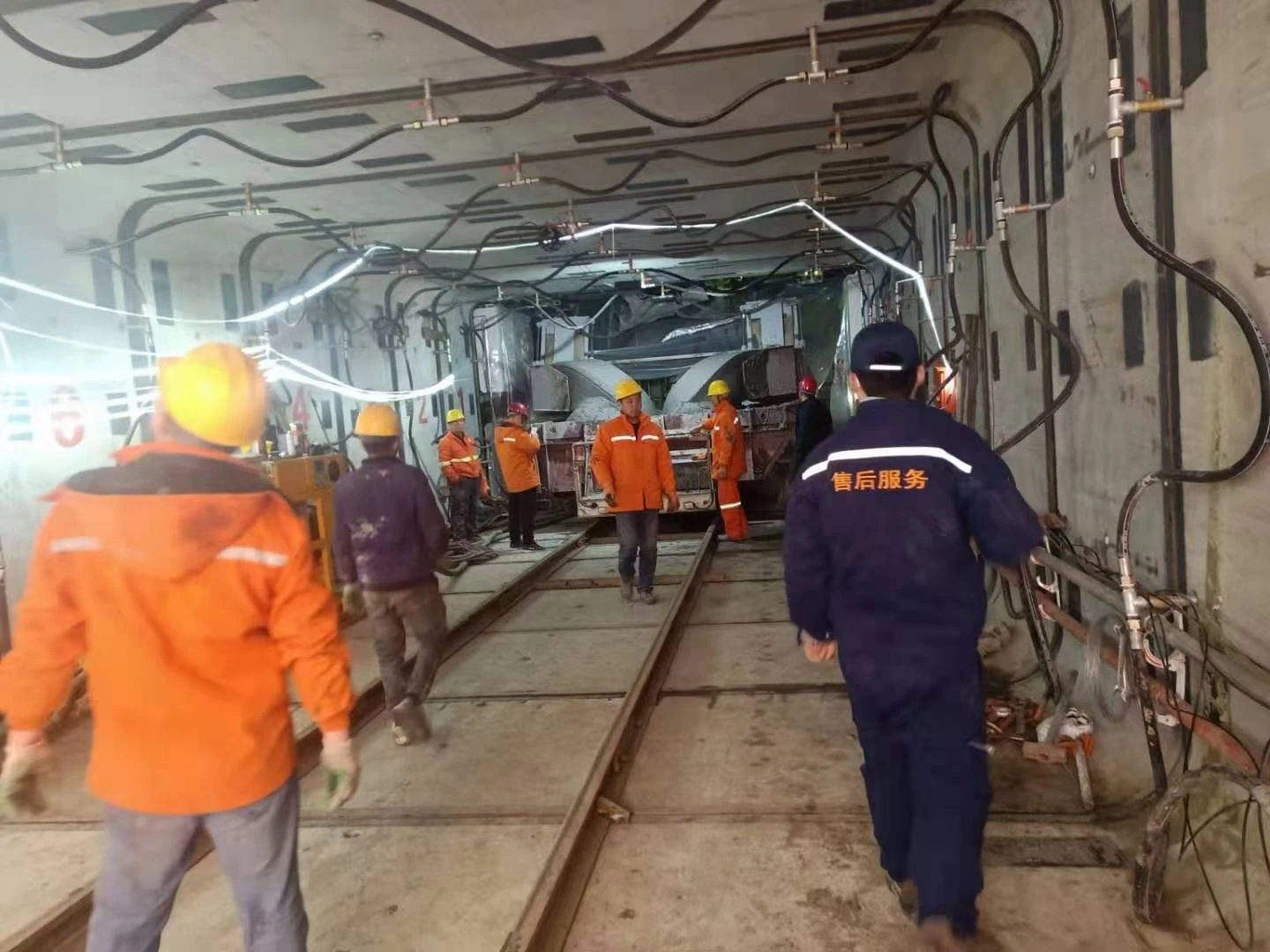
Slurry tuning helps micro tunneling survive variable soils by allowing adjustments to how the tunnel machine operates for each specific type of ground. This capability enables better control of settlement and maintains stability throughout the tunneling process. Project data indicates that custom slurry systems can reduce settlement issues by 34%, while also increasing project success rates by 35%. CEGC manufactures tunnel boring machine systems designed to enhance this level of accuracy.
Key Takeaways
-
Slurry tuning lets workers change how the tunnel machine works. This makes the tunnel more stable and lowers settlement problems by 34%. Using the correct slurry mix and pressure helps the tunnel machine handle different soils. This causes 30% fewer times when work must stop. New technology, like SCADA and IoT sensors, makes slurry systems better. These tools give more control, fewer errors, and make tunneling safer.
Slurry tuning and microtunneling in variable soils
What is slurry tuning?
You might wonder what slurry tuning does in microtunneling. Slurry tuning means changing the mix and pressure of the bentonite slurry. This slurry holds up the tunnel face while digging. It helps the tunnel boring machine work in different types of ground. With slurry tuning, you can change how thick, heavy, or fast the slurry moves. These changes help keep the tunnel safe and stop soil from falling in. Slurry tuning lets micro tunneling work in many kinds of soils. It keeps the tunnel face safe, even if the ground changes fast.
Why are variable soils challenging?
Variable soils make microtunneling harder. You might find dense clayey sand, gravel, silt with high plasticity, cobbles, basalt bedrock, or fine-grained soils. Each kind of soil acts differently when you dig. The table below lists some soils you may see:
|
Soil Type |
Description |
|---|---|
|
Dense clayey sand |
Volcanic flow breccia, mixed with gravel and high plasticity silt |
|
Gravel |
Large portions of the drives, often mixed with sand |
|
High plasticity silt |
Matrix for larger sand and gravel clasts |
|
Cobbles |
Extremely hard, expected in various locations |
|
Basalt bedrock |
Unconfined Compressive Strength 10,000–20,000 psi |
|
Fine-grained soils |
Medium stiff to very stiff lean clay, fat clay, sandy clay, clayey silt |
When you dig through these soils, the tunnel machine must change fast. If you do not change the slurry, the ground can move, soil can get lost, or the tunnel might fall in. Slurry tuning helps micro tunneling work in different soils by letting you react right away. CEGC uses advanced slurry systems with TBM subsystems. This setup gives quick support for tunnel parts, stops ground movement, and helps you finish jobs faster and safer.
How slurry tuning helps micro tunneling survive variable soils
Adjusting slurry for different soils
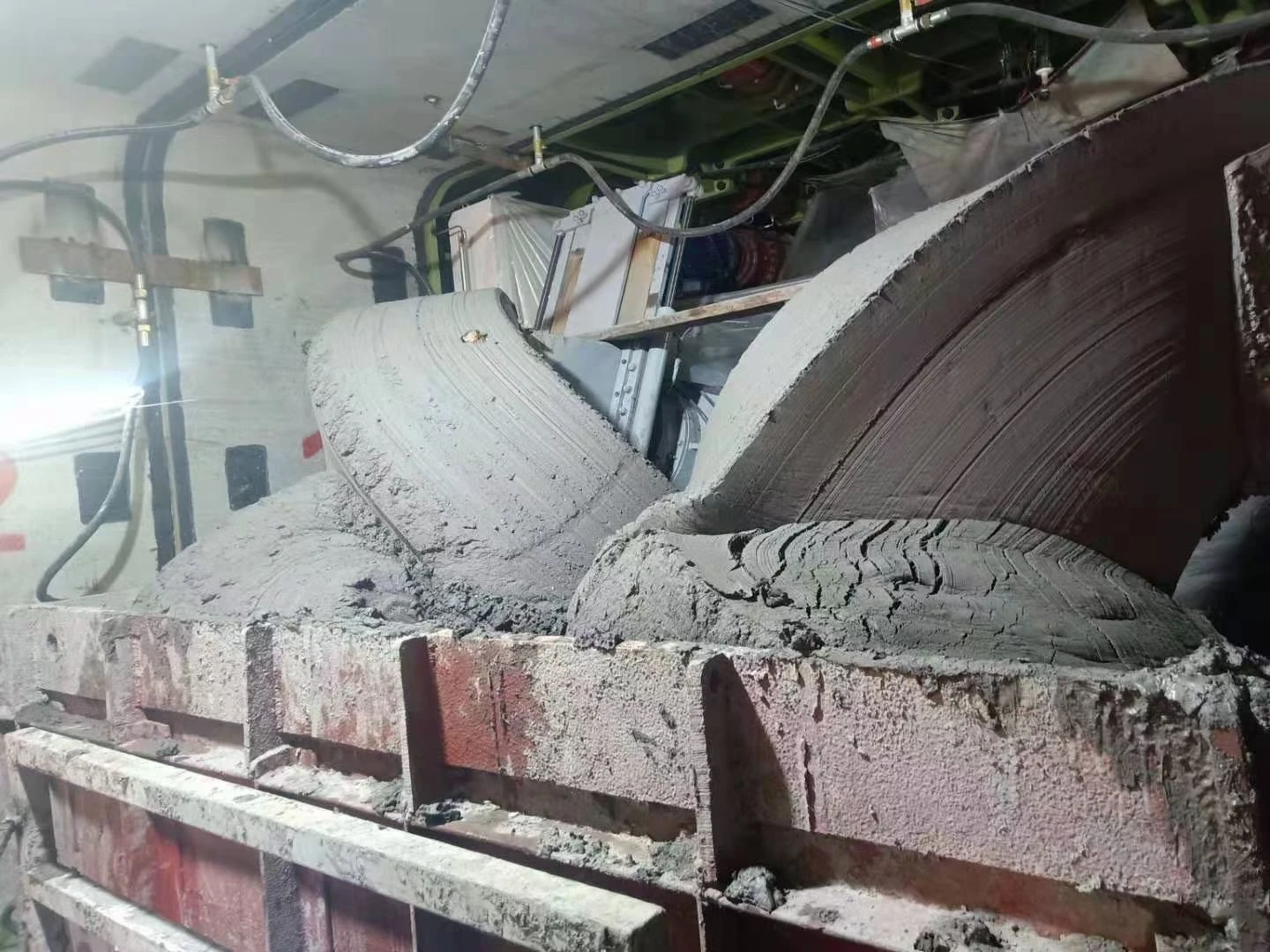
You have to change the slurry to fit the soil. Sandy soils can fall in easily. Slurry systems keep the tunnel face strong and stop caving. In sandy soils, using slurry systems means 30% fewer stops. You change the bentonite mix, pressure, and thickness for each soil. Cold water makes bentonite work slower. High pH makes clay not work as well. When you put bentonite slurry in front of the cutter head, it makes a mud film. This film keeps the tunnel face safe. Mixing bentonite with slags adds more tiny particles. This makes the slurry block water better and lowers problems. The thickness of the slurry helps things stick together and makes the shield machine run smoother.
Tip: Always check the temperature and pH when making your slurry. These things change how well the bentonite works.
Benefits for tunnel machine performance
Slurry tuning helps micro tunneling work in many soils by making the tunnel machine better. You get less clogging and soil moves easier. Adding PAC helps the slurry clean itself faster. If you lower the fine stuff in the slurry, it moves better. Using the right amount of PAC means you clean more slurry in the field. Thixotropic slurries cut down friction and help the tunnel machine move in hard soils. These slurries make a slippery film that lowers friction and makes pushing easier. You also keep the tunnel safe and stop sudden ground shifts. Real-time checks watch where the machine is. If the machine goes off track, you can fix it fast. This keeps the tunnel safe and stops damage.
-
There is less clogging in the system.
-
Soil moves faster and does not get stuck.
-
The tunnel machine stays safe and steady.
-
You can act fast if the ground changes.
Technologies supporting slurry tuning
Modern slurry systems use computers and real-time checks. These systems control flow and solids by themselves. You do not get overflows or broken machines. SCADA and IoT sensors let you see data from far away. You can watch the system and make changes quickly. This tech makes things safer and saves resources. You also get warnings before things break.
|
Type of Meter |
Technology Used |
Applications |
|---|---|---|
|
Gamma Radiation Density Meter |
Attenuation of gamma rays |
Flotation processes, thickener control |
|
Ultrasonic Density Meter |
Ultrasonic pulses |
Mineral processing, pulp and paper production |
|
Microwave Absorption Meter |
Microwave signals |
High moisture slurries, differentiating moisture |
-
Computers make the process work better.
-
People make fewer mistakes.
-
You use materials in the best way.
-
Maintenance happens before things break.
-
Safety and care for the environment go up.
CEGC uses advanced slurry systems with tunnel boring machine parts. You get help with planning, picking tools, and fixing problems. These services help you build tunnels that last. Slurry tuning helps micro tunneling work in many soils by giving you the right tools and support for safe tunnel building.
Slurry tuning helps you fix problems with different soils in microtunneling. You will have less time when the machine stops working. Tunnel projects will be more reliable and safer. In the future, slurry systems will get even better and make tunnels safer.
If you want expert help or need to know about parts, contact CEGC to make your tunneling project better.
FAQ
How often do you need to replace TBM disc cutters?
You should check disc cutters every day. Hard soils wear them out faster. Most teams replace them after 200 to 400 meters of digging.
What does the segment erector do in a tunnel machine?
The segment erector picks up tunnel pieces and puts them in place. You get a strong tunnel wall that supports the ground as you dig.
How do you keep a TBM machine working underground?
You use sensors and regular checks. These tools help you spot problems early. You can fix small issues before they stop the machine.


