
Mixed-face changes show first in TBM tunnel torque trends, making torque monitoring a crucial early indicator of shifting ground conditions and potential risks. By closely tracking TBM tunnel torque trends, you can quickly identify mixed-face changes and respond proactively. CEGC supports you in leveraging torque data to optimize your TBM tunnel operations and reduce project costs.
-
Monitoring torque allows you to adjust TBM tunnel operations promptly when mixed-face changes show first in TBM tunnel torque trends.
-
Checking cutter-head torque ensures the right force is applied to break rock efficiently.
-
Optimizing cutter-head torque improves construction speed and conserves machine energy.
-
Accurate torque predictions help prevent the TBM from getting stuck and enable rapid adjustments to changing conditions.
-
Controlling jack speed mitigates ground issues and maintains tunnel face stability.
Key Takeaways
-
Watch TBM tunnel torque trends carefully to spot mixed-face changes early. This lets you act fast and stop expensive delays.
-
Change cutter-head torque to break rock well. Good torque control makes building faster and saves energy.
-
Check real-time torque data to choose the best TBM settings. Fast changes can stop equipment from getting stuck and keep workers safe.
Understanding Mixed-Face Ground Conditions
What Are Mixed-Face Conditions
Mixed-face conditions happen when there is more than one ground type in a tunnel. This usually happens where rock and soil meet or where the same ground has different weathering. These conditions change how a tbm works because each material needs different torque. You need to notice these changes because they affect how fast the tunnel moves forward and how well the machine works.
Challenges for TBM Operations
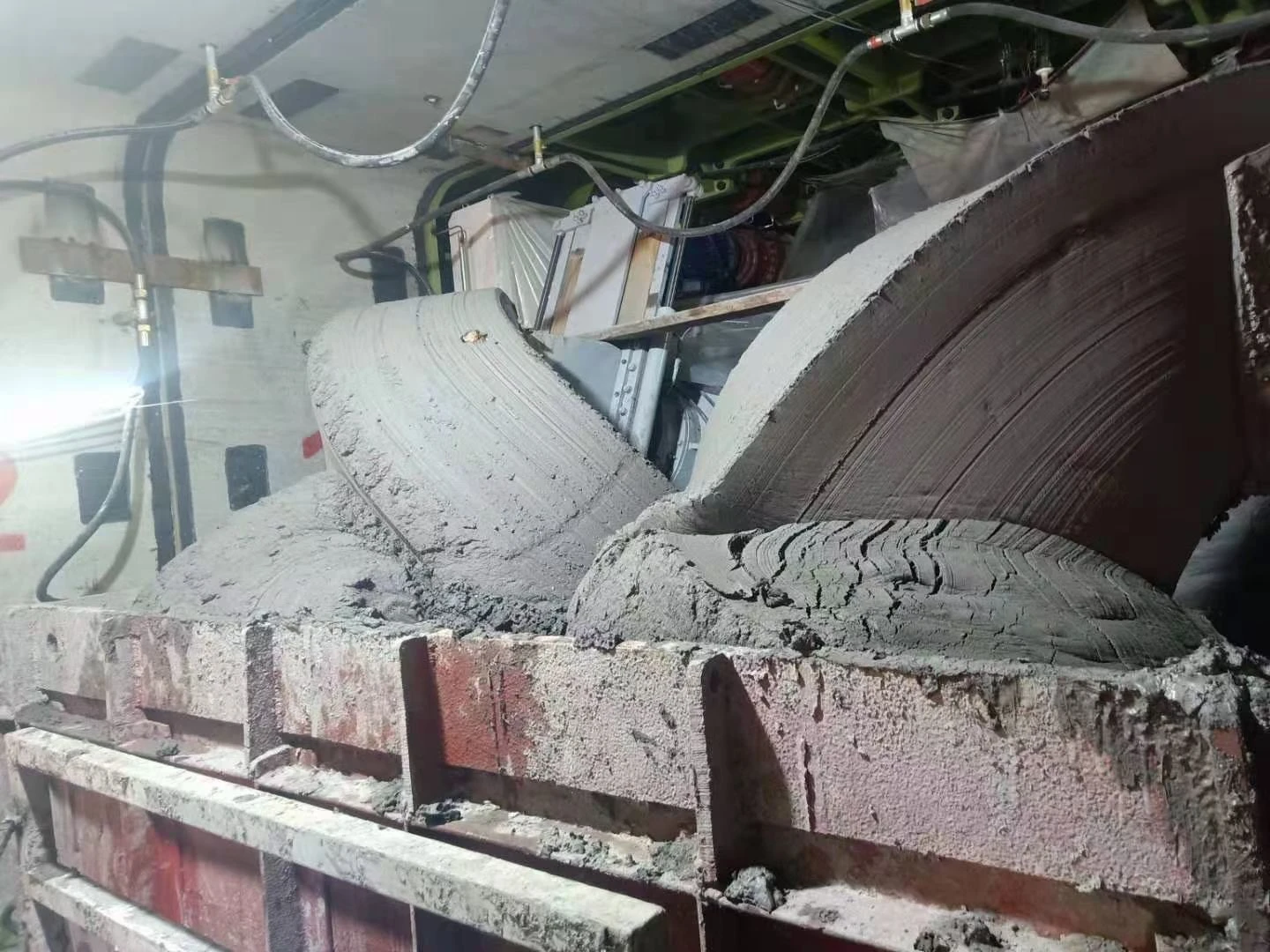
Mixed-face conditions bring many risks for tbm operations. The cutterhead shows higher torque when it goes from soft soil to hard rock. This can make the cutters wear out faster and may jam the equipment. You also have to control ground settlement to keep the tunnel safe. These conditions mean you need to spend more money at the start and manage risks carefully. Project managers use bow-tie risk analysis to find out what can go wrong and what might happen, so they can plan safer tunnel drives.
|
Factor |
Impact of Mixed-Face Conditions |
|---|---|
|
Goes up because different ground types change the torque needed. |
|
|
Ground Settlement |
Controlled by using pressure to stop the ground from moving. |
|
Equipment Jamming |
Thrust force checks help stop jamming when digging. |
Tip: You can lower risks by doing these things:
-
Try to keep pressure steady while tunneling.
-
Have people on the surface to look for ground or slurry loss.
-
Use warning signs and bunds if you see slurry loss.
-
Make a weekly chart to watch ground changes, face pressures, and dangers.
You should use these tips to keep tbm work safe and running well. Mixed-face conditions need you to watch torque and ground changes closely so you do not lose time or money.
Mixed-Face Changes Show First in TBM Tunnel Torque Trends
How Torque Responds to Ground Variability
You notice mixed-face changes first in tbm tunnel torque trends. The tunnel boring machine moves through different ground types. Torque changes fast when the cutterhead hits new ground. If the tunnel boring machine goes from soft soil to hard rock, torque goes up quickly. You should watch torque because it reacts before thrust or penetration rate.
You can look at a table to see how ground changes affect torque:
|
Aspect |
Description |
|---|---|
|
Ground Composition |
Different ground types change the torque needed by the tbm. |
|
Torque Fluctuation |
High cutterhead torque and changes happen in mixed ground. |
|
Penetration Rate |
Good penetration rate lowers torque and helps tunneling. |
|
Torque Model |
A torque model shows how the cutterhead works in mixed ground. |
|
Mixed-face Torque Index |
The Mixed-face Torque Penetration Index checks how easy it is to cut mixed ground. |
|
Predictive Capability |
Models tested with real data can predict torque trends well. |
Torque gives you the first warning about mixed-face changes. Torque spikes or drops before thrust or penetration rate change. This lets you react fast and stop tunnel machine jamming or cutterhead damage.
Note: Always watch torque trends closely. Quick torque changes mean the tunnel boring machine faces new ground. Early warning helps you change tunnel machine settings and keep tunneling safe.
Typical Torque Patterns in Mixed-Face Tunneling
You can spot mixed-face changes first in tbm tunnel torque trends by looking at torque patterns. When the tunnel boring machine cuts mixed ground, torque values change sharply. You see high torque in hard rock and lower torque in soft soil. These patterns help you guess what comes next and plan your tunnel drive.
Here is a table showing torque patterns for different rock types:
|
Rock Strata Type |
Average Torque (kN⋅m) |
Torque Range (kN⋅m) |
|---|---|---|
|
Fine Sandstone and Medium-Coarse Sandstone Interbedded |
624.64 ~ 876.30 |
|
|
Fine Sandstone |
> 670 |
642.80 ~ 880.90 |
|
Medium-Coarse Sandstone |
670 ~ 770 |
606.33 ~ 934.47 |
|
Shaly Sandstone |
195.15 |
100.63 ~ 125.28 |
|
Shaly Sandstone and Coal Seam Interbedded |
117.17 |
124.51 ~ 233.10 |
|
Coal Seam |
117.17 |
100.63 ~ 125.28 |
Torque jumps when the tunnel boring machine moves from coal seam to sandstone. These jumps show mixed-face changes. You can use these torque patterns to spot risky conditions and change tunnel boring machine settings.
You also need to know how good torque trends are for finding mixed-face changes. Many models help you guess torque trends. The table below shows how well these models work:
|
Model |
R2 Value |
Improvement Over HMTCL (%) |
|---|---|---|
|
LSTM |
0.747 |
4.20 |
|
Bi-LSTM |
0.747 |
4.60 |
|
GRU |
0.747 |
4.90 |
|
Bi-GRU |
0.747 |
3.10 |
|
TCN |
0.747 |
12.00 |
|
WaveNet |
0.747 |
5.30 |
|
Transformer |
0.747 |
3.30 |
|
Jamming Impact |
Varies |
HMTCL outperforms by up to 179.54% |
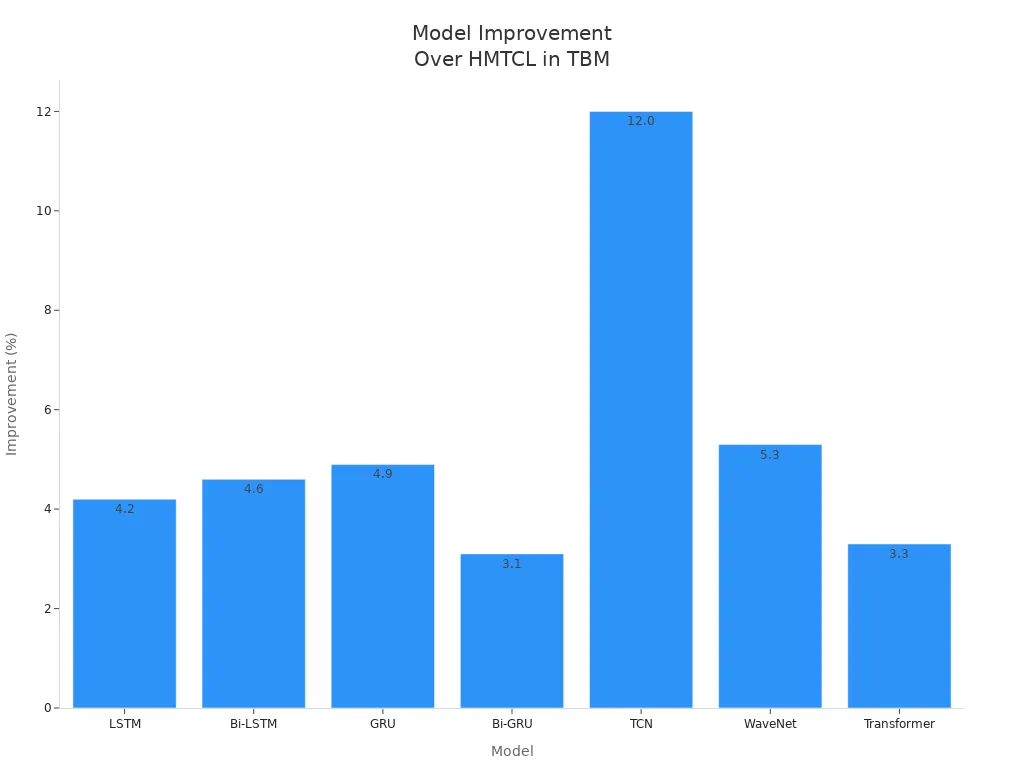
You can trust torque trends because they show mixed-face changes first. Torque is more sensitive than thrust or penetration rate. The table below compares these metrics:
|
Metric |
Sensitivity to Ground Changes |
Observations |
|---|---|---|
|
Torque |
High |
Big changes near jamming sections, sharp rises before jamming events |
|
Thrust |
Moderate |
Steep rises seen at two rings before jamming, peak values at jamming events |
|
PRnet |
Moderate |
Changes with a drop below average at two rings before jamming |
You should focus on torque to spot mixed-face changes first in tbm tunnel torque trends. Torque gives you the fastest and clearest signal. You can use torque data to make smart choices and keep your tunnel boring machine safe.
Tip: If you see sudden torque spikes or drops, check the tunnel face for new ground. Change tunnel boring machine settings right away to stop problems.
You can use torque trends to guide your tunnel boring machine through mixed-face conditions. This helps you finish your tunnel project faster and safer.
Interpreting and Responding to Torque Trends
Real-Time Monitoring and Data Interpretation
You need to watch torque data all the time to keep your tbm safe. Sensors can check many things while you dig the tunnel. These things show how the cutterhead and soil work together as the tbm moves. The table below lists what you should pay attention to:
|
Feature |
Description |
|---|---|
|
Motor Torque |
Shows how much force the motors use for excavation loads |
|
Cutter-Head Power |
Power used by the cutterhead during excavation |
|
Motor Power |
Total power for all motors during tunnel excavation |
|
Motor Current |
Current drawn by motors during excavation |
|
Advance Rate |
How fast the tbm moves through the tunnel |
|
Cutter-Head Pressure |
Pressure from the cutterhead-soil interaction |
|
Total Thrust Force |
Force applied by the tbm for excavation |
|
Penetration Rate |
How deep the tbm cuts into the ground each cycle |
|
Cutter-Head Rotational Velocity |
Speed of cutterhead rotation during excavation |
|
Field Penetration Index |
Resistance of ground to excavation loads |
The torque ratio helps you find strange digging patterns. You should look for changes in the torque ratio, not just the number. Patterns in the torque ratio can show new risks or ground types. You must pick the right limits for your tunnel and machine.
Operational Adjustments and Risk Mitigation
If you see strange torque trends, you need to act quickly. You can change tbm settings like cutterhead speed, thrust, or advance rate to fit new digging loads. If you hit hard mixed-face ground, you can split the tunnel path into smaller parts. This lets you use special digging ways for each part and makes the tbm work better.
You should always plan to fix the tbm before it breaks. This keeps your tbm ready for new digging loads and stops breakdowns. Checking the machine often and using old data helps you stay safe and fast. Taking care of the tbm early saves money and helps the project finish well.
-
Fixing the tbm early stops sudden problems while digging.
-
Using old tunnel data helps you make better plans.
-
Regular checks mean you need fewer repairs.
You can keep your tunnel project safe and fast by watching torque trends, changing your tbm, and taking care of your machine. This way, you can finish your tunnel even in tough ground.
You notice torque trends first when mixed-face conditions change in tbm tunneling. Watching torque in real time helps you find problems early. You can change tunnel machine settings fast to fix issues. Finding problems early makes the tunnel safer and helps it work better. You save money because you stop delays and claims. CEGC experts help you get the best tbm performance in hard ground.
-
Checking torque all the time finds problems and stops breakdowns.
-
Changing tbm settings makes the tunnel safer and work better.
|
Influential Variables |
Description |
|---|---|
|
Torque |
Changes quickly with mixed-face conditions in the tunnel. |
|
Cutter resolutions per minute |
Shows how well the tbm is working. |
|
Jack speed |
Finds changes in the ground. |
|
Screw pressure |
Checks how the tunnel machine is doing. |
|
Cutter seal components |
Tells how the tbm works in mixed-face ground. |
|
Service Type |
Description |
|---|---|
|
Customized Equipment Manufacturing |
|
|
Service Consulting |
Gives advice for planning and working better. |
|
Jobsite Assembly |
Sets up and tests the tunnel machine at the site. |
|
Trenchless Support |
Helps with microtunnelling and pipe jacking. |
|
Training |
Teaches people how to use the tbm safely. |
|
Spare and Wear Parts |
Sends parts fast to keep the tunnel working well. |
|
Aspect |
Impact on Project Outcomes |
|---|---|
|
Finds weak ground and lowers risks. |
|
|
Operational Optimization |
Changes tbm work using torque data. |
|
Risk Mitigation |
Stops collapses and big delays. |
|
Documentation and Claims |
Gives good tunnel data for claims. |
|
Improved Safety |
Keeps workers safer in the tunnel. |
|
Cost Impact |
Saves 5-10% or more by stopping delays and claims. |
FAQ
What is the main sign of mixed-face ground in a tunnel boring machine?
You see sudden changes in cutterhead torque. These changes show new ground types. Watch the cutterhead torque to spot mixed-face ground early.
How does cutterhead mud build-up affect tunnel boring machine performance?
Cutterhead mud build-up increases cutterhead torque and load. This makes the cutterhead work harder. You should clean the cutterhead often to keep the tunnel boring machine safe.
Why should you monitor thrust and load during tunnel boring machine operation?
You need to watch thrust and load. These show how the cutterhead and ground interact. High thrust or load can mean cutterhead mud build-up or hard ground.


