
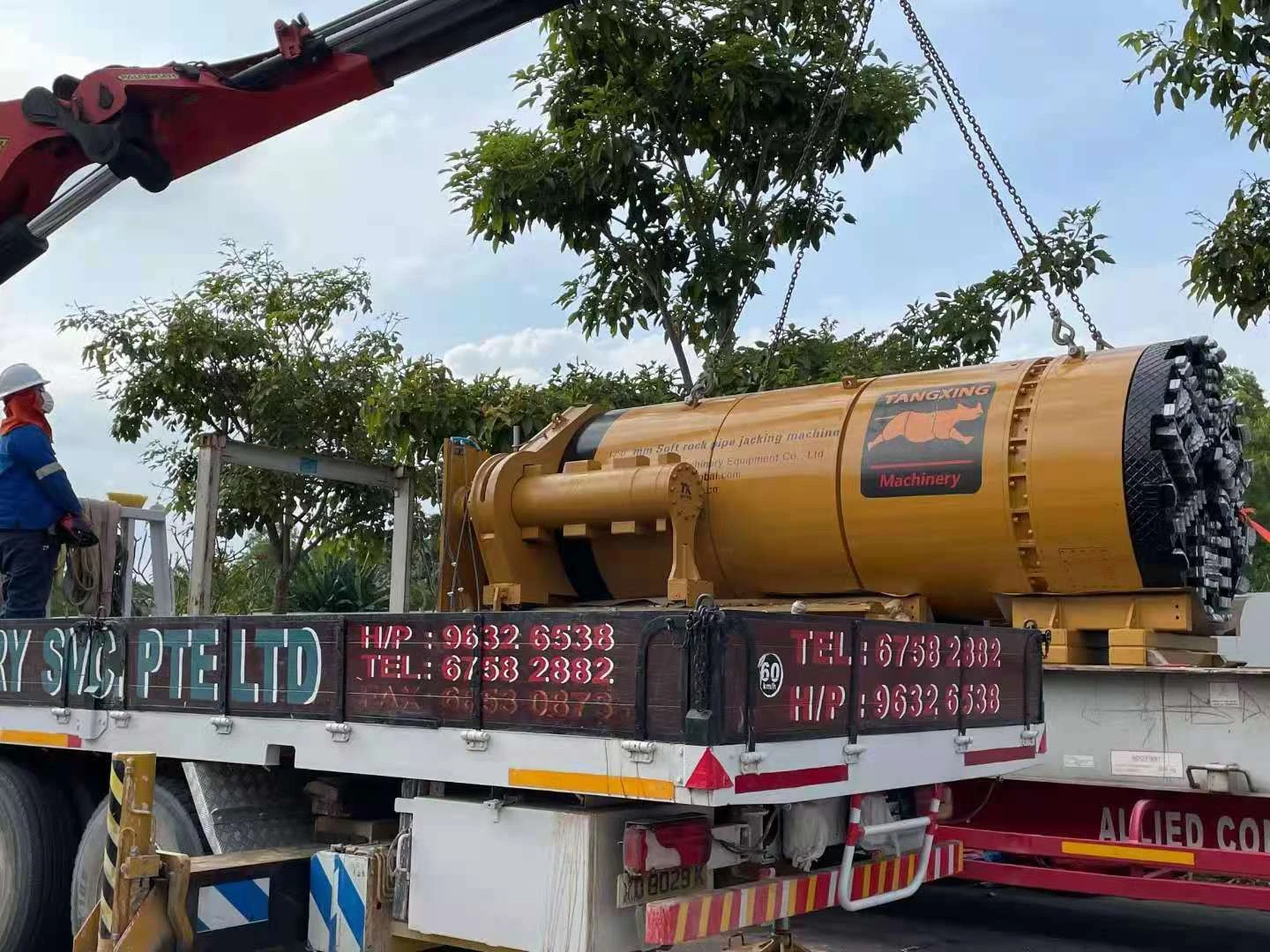
Yes, a TBM machine can switch from clay to gravel in one drive, provided it is properly specified for the expected ground conditions. When considering whether the TBM machine can switch clay to gravel in one drive, it’s essential to conduct a thorough geotechnical investigation to understand the ground transitions.
Tunneling through zones where clay and gravel are encountered together is one of the most challenging scenarios for any tunnel boring machine. These mixed-face conditions can lead to tunnel face instability if not properly managed. That’s why a comprehensive ground study is crucial to determine the optimal tunneling approach and ensure the TBM machine is equipped to handle both materials seamlessly.
CEGC specializes in helping you select the right TBM machine for your project, ensuring reliable performance even when transitioning from clay to gravel in a single drive.
Key Takeaways
-
A TBM machine can move from clay to gravel in one trip if you plan well and use the right tools. - You should study the ground carefully to know what is there and pick the best TBM for mixed ground. - Use new tools like soil conditioning and real-time checks to make tunneling faster and safer.
Can the TBM machine switch clay to gravel in one drive?
TBM Types for Mixed Ground
You might ask if the tbm machine can go from clay to gravel in one drive. The answer depends on which tbm you pick. Many new tbm machines are made for mixed ground. Some types can handle both clay and gravel together.
-
Hybrid machines can change to fit different ground. These machines work well where clay and gravel are mixed.
-
Multi-mode tbm machines can switch how they tunnel. They change to match the ground, making tunneling safer and cheaper.
-
Variable Density tbm machines are good for soft ground. They control pressure at the front, which helps in clay and gravel.
Hybrid EPB/Open-Type machines work for soft soils or hard rock. You can pick the mode for the ground you have. Variable Density tbm machines do not need big changes to work. They keep the tunnel face safe, even when moving from clay to gravel. Multi-mode tbm machines help with mixed ground. You can trust these machines for jobs with clay and gravel.
Mixed face ground can be hard to tunnel through. Clay and gravel together can cause problems like ground loss and sinking. Hybrid tbm machines help fix these problems. You can count on them to tunnel well.
Key Technologies for Transition
You need the right tools to go from clay to gravel in one drive. The tbm machine uses special systems to do this.
|
TBM Type |
|
|---|---|
|
Earth Pressure Balance |
Soft ground (clay, silt, gravel) |
|
Slurry Shield |
High groundwater, unstable soils |
|
Mixed Shield |
Transitioning geologies (soft to rock) |
The tunnel boring machine uses Earth Pressure Balance for clay and gravel. Slurry Shield tbm machines work in loose soils. Mixed Shield tbm machines are good for changing ground. The Slurry tbm, like ELSA, works in clay, marl, and sand-gravel. You can use these machines for smooth changes.
Soil conditioning helps the tbm machine move from clay to gravel. You can use foams and anti-clay chemicals. These make tunneling better during changes. Projects like MetroSur used soil conditioning to break records. The M30 motorway project made the cutterhead turn easier with soil conditioning. The Elbe crossing project used bentonite and chemicals. You can pick the right soil conditioning for each ground.
New tbm machines use smart systems. Pressure control keeps the tunnel face safe. Variable speed drives help cut better. Real-time checks let you change how you dig. You can react fast to new ground.
How Mode Switching Works
You need to know how mode switching works in the tbm machine. This lets you go from clay to gravel in one drive. You can change how the machine works for the ground.
|
Type of TBM |
Operational Mode |
Suitable Conditions |
|---|---|---|
|
Open Shield TBM |
Air pressure at face |
Strong ground, some rocks |
You can switch from EPB mode to open mode. EPB mode is for clay and gravel. Open mode is for strong ground and rocks. The tbm machine uses different cutterheads to fit the ground. You can pick the right cutterhead for clay and gravel. Soil conditioning makes the cutterhead turn easier. You can tunnel better and protect the tools.
The type of ground and how fast you dig matter. You must guess how the tbm will work in mixed ground. New tbm machines use smart systems. You can use real-time checks to change settings. Pressure control keeps the tunnel face safe. Variable speed drives help you cut better.
CEGC does careful ground checks. You can trust their team to help pick the right machine. They match the tbm machine to your job. You get help from start to finish. Cutterhead design and soil conditioning make changes smooth. You can tunnel well through clay and gravel.
You may see that tbm machines make less noise and shaking. This is better for cities. Drill and blast ways make more complaints. TBM machines can have problems like tool wear and face trouble. You can fix these with good planning and technology.
New crossover machines help you dig in mixed ground. Mumbai Metro uses hybrid tbm machines for tough jobs. EPB tbm machines can dig too much or hurt tools. You can stop these problems with better cutterhead design and soil conditioning.
Can the tbm machine go from clay to gravel in one drive? Yes, you can do this with the right tbm machine, cutterhead, and soil conditioning. You must plan well and use real-time checks. CEGC helps you pick and use the best tbm machine for your job.
Challenges and Project Planning
Common Issues in Mixed Ground
Driving a tbm through clay and gravel is hard. The cutterhead wears out fast. Tool wear gets worse when gravel follows clay. The cutterhead jams if muck does not clear quickly. Buildings above the tunnel can settle and have trouble. Wet clay makes maintenance slow and causes more downtime. Carbon emissions go up if you do not control them. Mechanized tunneling lowers these impacts compared to old ways. You must check for gaps between clay and gravel layers. These gaps can change how the cutterhead and tbm work.
Engineering Solutions
Smart engineering can fix these problems. The tbm uses special cutterhead designs. Flushing nozzles and agitators keep muck moving. Two-ring cutters cut better and help muck flow. Mixed face cutterheads handle clay and gravel at once. Real-time checks show tool wear early. You can fix problems before the tbm stops. Soil conditioning helps the cutterhead move through clay and gravel. High circulation and flushing systems lower cutterhead wear and stop jams.
|
Solution Type |
Description |
|---|---|
|
Specialized Cutting Tools |
Two-ring cutters enhance performance, reduce friction, and improve muck flow management. |
|
Muck Flow Management |
Grain size limiters and optimized cutterhead designs prevent clogging and ensure effective muck flow. |
|
Advanced Cutterhead Designs |
Flushing nozzles and mechanical agitators maintain muck flow and reduce adhesion in the excavation chamber. |
|
Flushing and Agitation Systems |
High circulation rates and flushing nozzles encourage free flow of excavated material, lowering cutterhead wear. |
|
Mixed Face Cutterhead Arrangements |
Combining different cutters handles variable ground conditions and reduces manual intervention. |
Advanced monitoring changes tunneling from reacting to acting first. You make tunneling safer and save time and money. Scheduled maintenance and real-time checks keep the tbm working. Custom machine design and flexible operation help you deal with clay and gravel.
Planning for Success
Good planning is needed for a tbm drive to work. Ground checks give data to pick the right cutterhead and tbm. CEGC helps with consulting, equipment choices, and trenchless engineering. You get expert advice for planning and lowering risks. The tbm needs regular checks and sensors to spot cutterhead wear. Scheduled maintenance keeps your project on track. You pick the best cutterhead for clay and gravel. Flexible operation helps you avoid delays. CEGC supports you from start to finish.
|
Service Type |
Description |
|---|---|
|
Technical Consulting |
Expert services for project planning, equipment selection, geological assessment, and operational optimization. |
|
Equipment Selection |
Tailored equipment solutions for tunneling, port, and mining projects. |
|
Trenchless Engineering Support |
Comprehensive support for HDD, pipe jacking, and microtunneling projects in complex ground. |
Mechanized tunneling protects the environment. You lower carbon emissions and reduce downtime. You manage cutterhead maintenance in wet clay to keep the tbm working well. You plan for gaps between clay and gravel to stop problems. You use the right cutterhead and tbm for each ground type.
You can go from clay to gravel in one drive if you use the right tunnel boring machine. Careful planning is important. Experts need to check the ground and pick the best machine. Changing how the machine works helps you finish the job:
|
Mode |
Description |
|---|---|
|
Slurry-supported mode (LDSM) |
Uses bentonite suspension for support. |
|
Closed EPB mode |
Adds bentonite for extra stability. |
|
Classic closed EPB mode |
Works with standard EPB operation. |
|
Slurry-supported mode (HDSM) |
Uses high-density support for tough conditions. |
You get help from detailed ground checks and machines made for your project:
|
Evidence Point |
Description |
|---|---|
|
Detailed checks help you know the ground and how the TBM will work. |
|
|
Tailored Machine Designs |
Machines are made to fit the ground and help tunneling work well. |
|
Risk Mitigation |
Careful study lowers problems and helps your project succeed. |
You can count on CEGC to help you with your TBM tunnel project from beginning to end.
FAQ
How long does it take to build a TBM tunnel?
A tunnel boring machine project can take many months. Sometimes, it takes more than a year. The time depends on the ground and how long the tunnel is.
What causes delays in tunnel-boring machines projects?
Delays can happen if the ground changes in ways you did not expect. Tools can wear out or break. Machines can also stop working. Good planning and checking things often can help stop these problems.
How do you keep a tunnel boring machine on its design alignment?
You use special guidance systems to help steer the machine. People watch the machine all the time. These tools make sure the tunnel stays on the right path.


