
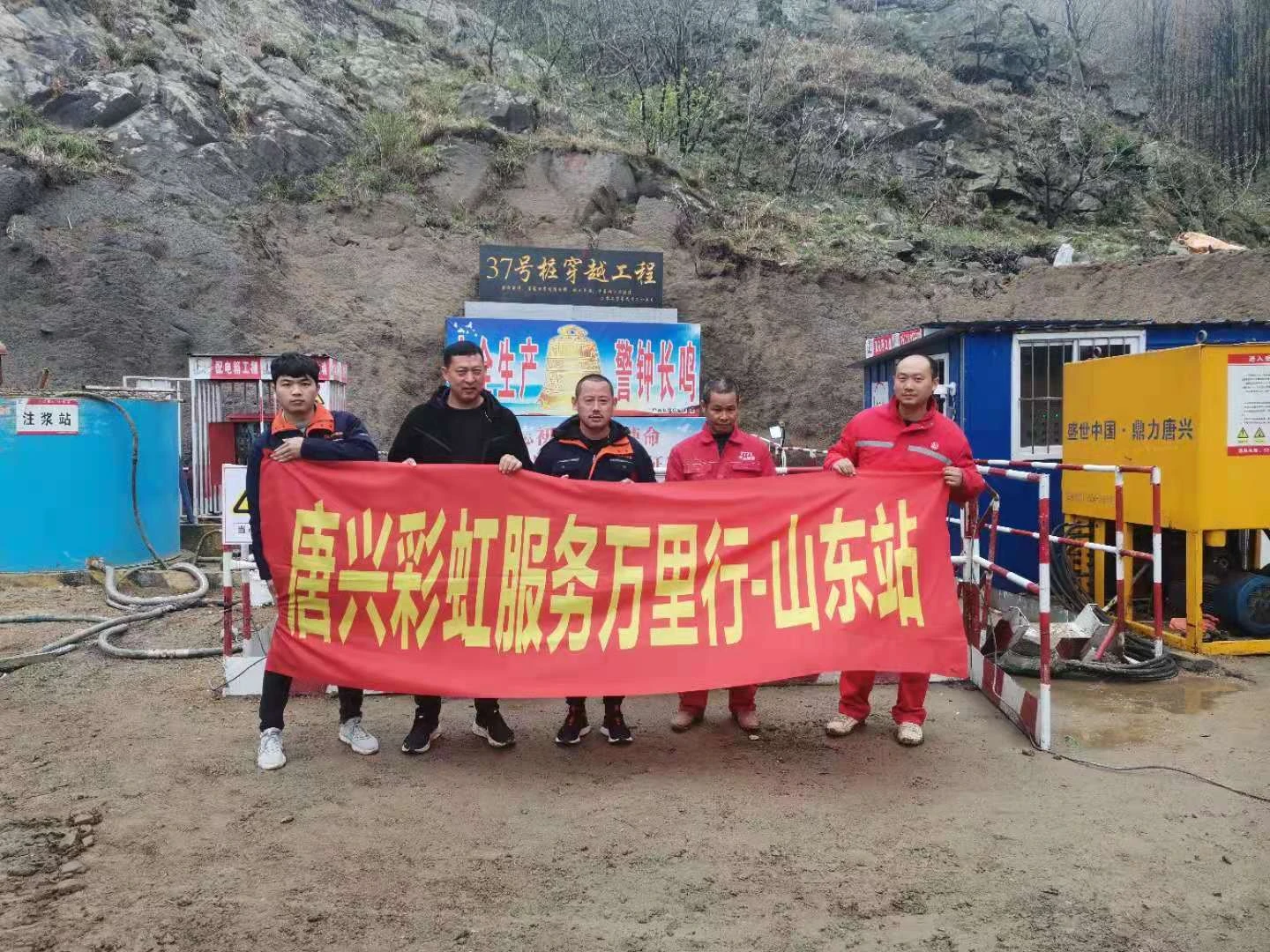
When groundwater shifts suddenly, micro tunneling struggles to maintain stability and safety. The soil can become loose, and increased water inflow poses significant risks. Choosing the right tunnel boring machine is crucial in these situations. Flooding is a real threat, and rising hydrostatic pressure can compromise both the project and worker safety. CEGC understands these challenges and provides solutions tailored to such demanding conditions. The table below highlights common issues encountered when micro tunneling struggles as groundwater shifts unexpectedly.
|
Challenge |
Description |
|---|---|
|
If underground water is not properly managed, flooding can occur. Effective water management is essential. |
|
|
Managing Groundwater and Hydrostatic Pressure |
Increased groundwater raises hydrostatic pressure, making the project more complex and requiring dewatering. |
|
Ensuring Worker Safety in Confined Spaces |
Workers face heightened risks in confined spaces, especially when flooding or misalignment occurs due to shifting groundwater. |
Key Takeaways
-
Sudden changes in groundwater can make soil unstable. This raises the chance of the tunnel falling in. Watch for warning signs to keep everyone safe.
-
Picking the correct tunnel boring machine is very important. It controls water coming in and keeps pressure steady. This stops floods and keeps machines working.
-
Use real-time monitoring tools to spot problems early. Acting fast saves money and makes tunneling safer for workers.
Micro Tunneling Struggles: Groundwater Inflow Risks
Soil Instability and Collapse
When groundwater moves fast, micro tunneling faces big problems. The soil near the tunnel can get weak and unstable. This makes the tunnel more likely to collapse. Water coming in changes how the soil holds together. It also makes the tunnel lining weaker. In the Dejiang Tunnel case, engineers saw groundwater seepage spread the plastic zone. This made the tunnel less steady and raised collapse chances. Leaks from the shield tail sealing system often cause soil to fall in. When water gets in, soil can wash away and enter the tunnel. This leads to damage and collapse. You need to watch for signs of trouble and act fast to keep the tunnel safe.
Water Pressure and Machine Flooding
Sudden groundwater inflow brings more risks for your tunnel boring machine. Water coming in raises pressure inside the tunnel. High water pressure can flood the machine and stop work. You must control water coming in to keep the tunnel safe. If you ignore water, your equipment can break and work can be delayed. Water also makes the ground less stable. The tunnel boring machine must keep face pressure steady. If water changes quickly, you can lose control and face collapse. You need a tunnel boring machine that handles water and pressure changes well. This helps you avoid flooding and keeps the tunnel safe.
Tip: Always check for water coming in and pressure changes. Acting fast stops flooding and collapse.
Tunnel Boring Machine Entry/Exit Challenges
You face more problems when the tunnel boring machine enters or leaves the tunnel in shifting groundwater. Taking away soil support at these times makes things less stable. If you do not control face pressure, you can lose ground and get sinkholes. Too much pressure can cause blow-outs or ground to rise. In compressed air tunneling, teams often change face pressure only after seeing water come in. Waiting to react causes ground loss and tunnel flooding. You must plan ahead and change face pressure before groundwater shifts. Picking the right tunnel boring machine helps you handle water and instability. This keeps the tunnel safe and lowers risk.
-
Common entry/exit problems:
-
Ground gets unstable and collapses
-
Water comes in and floods
-
Sinkholes and damage happen
-
Delays and more risk
-
You need to know about groundwater inflow risks and pick a tunnel boring machine that fits your ground. This helps you fix problems and keep the tunnel safe.
Tunnel Boring Machine Performance Issues
Slurry Balance Disruption
You can face many problems when groundwater moves fast. One big problem is slurry balance disruption. Water can push bentonite slurry into the soil. This makes seepage flow forward and raises pore pressure. Cutting tools disturb the soil and make pressure control harder. If you lose slurry balance, the tunnel face can fail. This can cause the tunnel to collapse and the ground above to settle.
Slurry imbalance brings more trouble. If you do not keep the right mix and pressure, the microtunneling machine can stop working. This means you have downtime and spend more money. You may need to stop work to clean out dirty slurry and add clean water. These issues slow your project and raise the risk of failure. You must check the slurry system often and adjust it for changing ground and water. If you do not, you will face more problems and possible failure.
Note: CEGC helps you pick the right tunnel boring machine for your ground and water. This lowers the risk of slurry balance problems and failure.
Surface Settlement and Subsidence
Surface settlement is another big problem when groundwater shifts. If you do not keep soil pressure steady, the ground above the tunnel can sink. This happens when slurry balance fails and the tunnel face collapses. Losing ground support leads to subsidence and can damage roads, buildings, and other structures above.
You must watch for signs of settlement and act fast to fix them. If you ignore these problems, you risk tunnel failure and damage above. Water entering the tunnel makes the soil weaker and raises the chance of settlement. You need a tunnel boring machine that can handle these problems and keep the ground stable. CEGC knows how to match the right machine to your ground, helping you avoid failure and surface problems.
-
Common problems from surface settlement:
-
Cracks in roads and sidewalks
-
Damage to nearby buildings
-
Sinking ground above the tunnel
-
Delays and extra repair costs
-
Equipment Malfunctions and Delays
Sudden groundwater inflow brings more problems for your equipment. Water can get into the tunnel and cause problems. If you do not fix leaks or check your machine often, you risk tunnel boring machine failure. Flooding from water inflow slows down your work and makes the tunnel less stable.
You must keep up with equipment maintenance to avoid these problems. Regular checks and quick repairs help stop water from getting in and causing failure. If you ignore these problems, you face more downtime and higher costs. Equipment failure can stop your project and lead to more trouble with the tunnel and the ground above.
-
Most common equipment problems from sudden water inflow:
-
Water leaks into the tunnel boring machine
-
Flooding slows down work and causes delays
-
Failure of machine parts from water damage
-
More maintenance and repair needs
-
Tip: Always match your tunnel boring machine to your ground and water. CEGC can help you pick the right machine to avoid these problems and lower the risk of failure.
You must stay alert to all these problems when working in areas with shifting groundwater. Picking the right tunnel boring machine and keeping up with maintenance helps you avoid failure and keeps your project on track.
Managing Sudden Groundwater Shifts
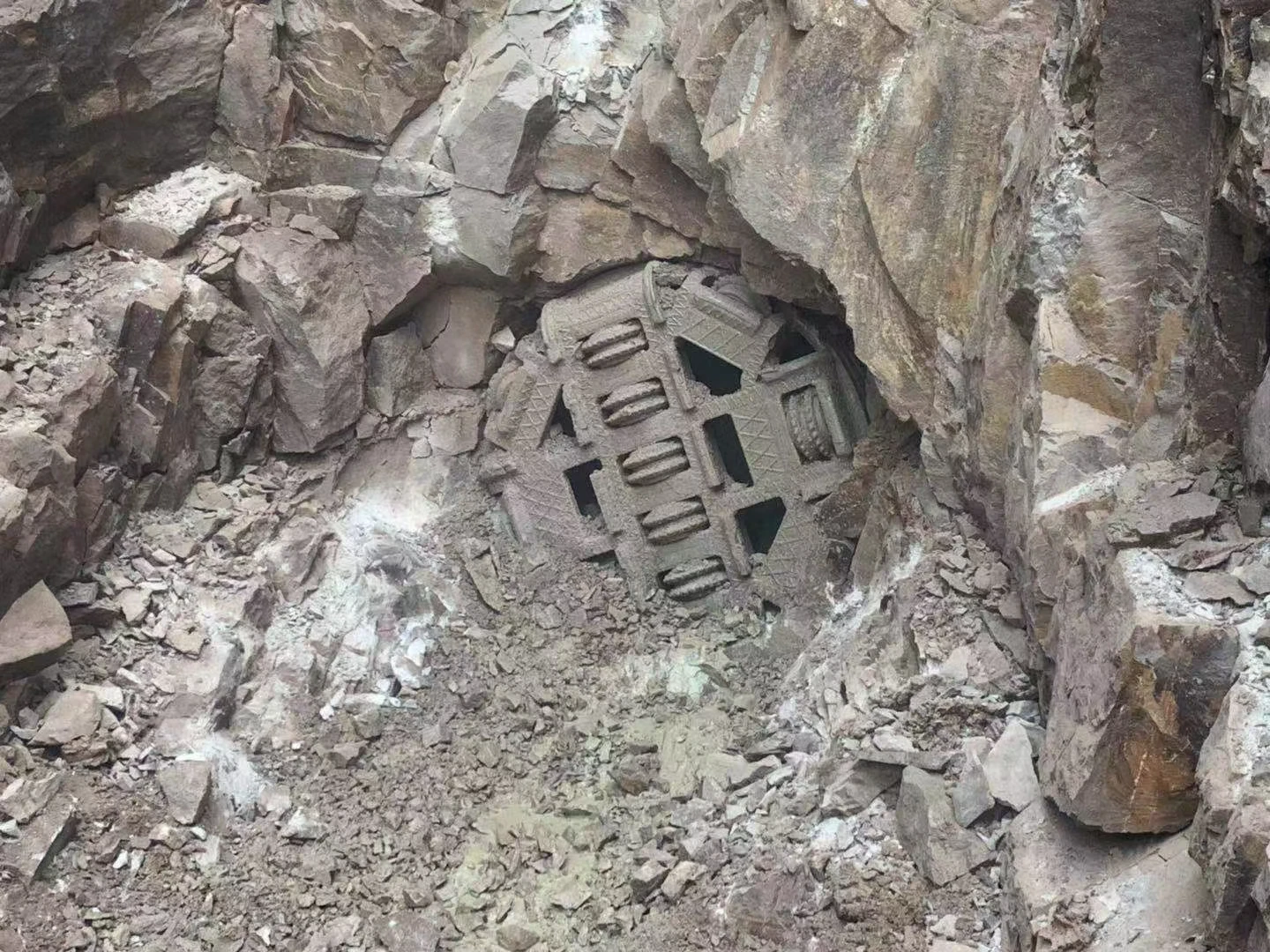
Real-Time Monitoring Solutions
Strong monitoring helps you deal with sudden groundwater shifts. Real-time monitoring lets you watch tunnel boring machine performance. You can spot problems early. Laser scanning and software help track tunnel changes and water leaks. You can check for tilt and cracks to stop damage. Continuous monitoring means fewer manual checks. This lowers the chance of surprise stoppages. Early-warning systems help keep people safe by letting you act fast. You must watch tunnel face, groundwater, and machine performance. Using monitoring data with tunnel boring machine controls helps you react quickly.
-
Real-time monitoring benefits:
-
Find problems early
-
Lower costs for operations
-
Make public safety better
-
Respond faster to changes
-
Adaptive Tunneling Techniques
You need to change tunneling methods when conditions change. Special support systems help manage soil and groundwater levels. In soft soils, bastings systems help keep things stable. Micro-berlinoise systems give more control in mixed soils. VL 602 sheet piles and ground nailing keep tunnels stable when groundwater is high. Closed-shield slurry microtunnelling systems handle groundwater and mixed geology. You should check soil and groundwater often. Checking conditions helps you pick the right tunnel boring machine and support system. Changing methods helps you fix problems and keep tunnels safe.
-
Adaptive tunneling methods:
-
Special support systems
-
Controlled digging
-
Special ground support
-
Flexible tunnel boring machine choices
-
Emergency Response Planning
You need to plan for emergencies from sudden groundwater shifts. Checking conditions helps you find risks and get ready. Regular monitoring and logging help you see problems before they happen. You need good monitoring steps for tunnel face, groundwater, and machine performance. Maintenance keeps tunnel boring machines working well in emergencies. Advanced ground support systems make tunnels safer and more stable. Talking to CEGC gives you custom equipment and engineering help. CEGC offers tunnel boring machine solutions for special conditions and needs.
|
Best Practice |
Description |
|---|---|
|
Machine Selection |
Pick the right tunnel boring machine for your ground to stay safe and work well. |
|
Ground Condition Monitoring |
Watch key signs and change operations quickly. |
|
Regular Maintenance |
Keep tunnel boring machines in good shape for best performance. |
|
Advanced Ground Support Systems |
Use ground support systems to stay safe when conditions change. |
Tip: Ask CEGC for tunnel boring machine advice and custom solutions for your project.
You can face lots of dangers when groundwater moves fast in micro tunneling. Taking action early helps you stop problems. Watching for trouble gives you warnings before things get bad. Picking the right machine keeps the tunnel safe. Planning ahead stops work from slowing down. Acting quickly keeps workers safe. Fixing machines often stops them from breaking. Checking data helps you find risks. Using support systems makes the soil stronger. Controlling water with drains keeps things safe. Adding lining makes the tunnel safer. Grouting stops water from leaking in. Emergency teams help fast when things go wrong. New ideas make tunnels work better.
|
Proactive Action |
Benefit |
|---|---|
|
Proactive monitoring |
Find dangers early |
|
Proactive machine choice |
Make tunnels safer |
|
Stop delays |
|
|
Proactive response |
Keep workers safe |
|
Proactive maintenance |
Stop machines from breaking |
-
Managing things early keeps your project moving.
-
Real-time checks help keep the tunnel strong.
-
Picking the right tunnel boring machine fits the ground.
-
Expert advice helps you handle tough projects.
FAQ
What tunnel boring machine works best in soft soil with high water inflows?
You should pick a slurry shield tunnel boring machine. This machine keeps the tunnel face strong and stops water from coming in. It helps prevent big failures and keeps soft soil from moving too much.
Can one tunnel boring machine handle both soft soil and hard rock?
You can use a dual mode tunnel boring machine. It can change how it works for different types of ground. You get stronger support and can check for ground movement before it happens.
How do you use data for predictive evaluation and repair in micro tunneling?
You collect information from sensors. You use this data to find risks early. You make repair plans before problems get worse. This keeps your tunnel safe and strong.


