
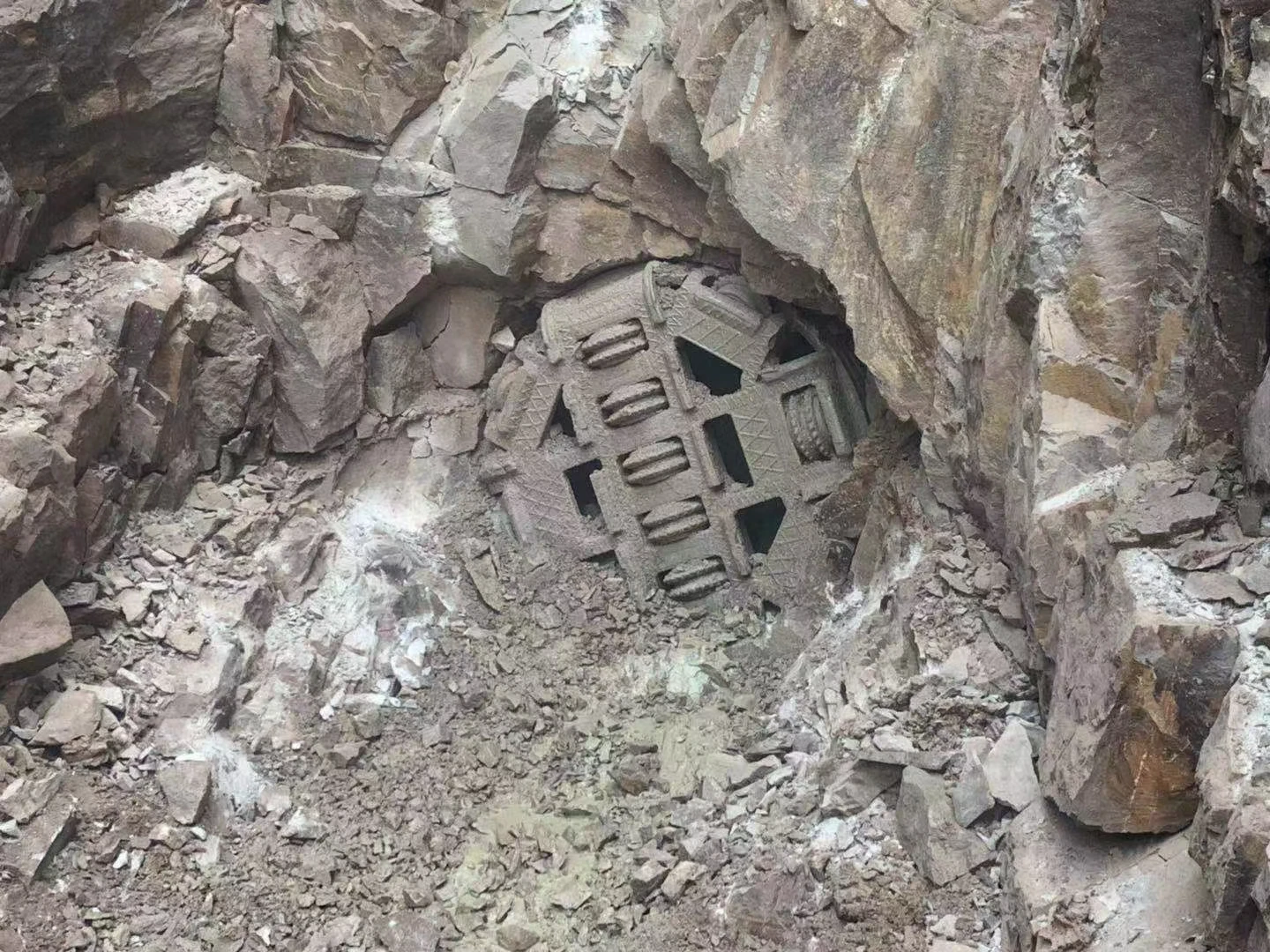
Digging a tunnel with tunnel boring machines (TBM) presents significant challenges. Notably, transitions can hurt TBM tunnel output more than rock can. CEGC engineers have observed that rapid changes in the ground conditions lead to unpredictable delays. Field data indicates that average advance rates decrease during these transitions, even when models are accurate and TBM systems are functioning optimally.
Key Takeaways
-
Changes in the ground can slow tunnel boring machines more than hard rock. You should be ready to change your plan to keep working well.
-
It is very important to check disc cutters often. If cutters are worn out, work can slow down and cost more. Watch their condition carefully.
-
Do careful geotechnical checks before you start a project. Knowing the ground helps you pick the best TBM and make a good plan.
Understanding Transitions in Tunnel Boring Machines
Types of Transitions in TBM Tunneling
When using tunnel boring machines, you will face different transitions. A transition is when the ground, tunnel path, or support system changes. These changes can make your tunnel boring machines work differently. They can also slow down how fast you finish the tunnel. Sometimes, you might go from soft soil to hard rock. Other times, you might move from dry ground to places with lots of water pressure. Each tunnel boring machine deals with these changes in its own way.
Here is a table that lists the main types of tunnel boring machines and how they work in different ground:
|
Type of TBM |
Application Description |
Mechanism Description |
|---|---|---|
|
Earth Pressure Balance TBM |
Works best in soft ground like clay, silt, and gravel. |
Uses a screw conveyor to keep the tunnel face stable with the dug-up material. |
|
Slurry Shield TBM |
Good for places with lots of water or loose soils like sand. |
Uses a slurry system to hold the tunnel face steady and move muck out. |
|
Hard Rock TBM |
Made for digging through hard rock. |
Uses disc cutters to break the rock and a conveyor belt to take away the broken pieces. |
|
Mixed Shield TBM |
Used where there is both soft ground and hard rock. |
Combines parts of other TBMs to handle changing ground without stopping much. |
Why Transitions Are Unavoidable
Transitions happen in almost every tunnel project. The ground under cities and mountains changes a lot. Even if you plan well, you will find places where the soil, rock, or water is different. These changes mean you have to adjust your tunnel boring machines and how you dig. Working in steady hard rock is easier than dealing with transitions. Transitions make it harder to keep up your speed. You have to watch for changes in machine thrust, torque, and muck removal. If you do not handle these changes well, your tunnel boring machines can slow down or stop. Good planning and picking the right machine help you keep working fast, even when transitions happen.
Why Transitions Can Hurt TBM Tunnel Output More Than Rock
TBM Adjustments and Operational Challenges
Digging tunnels with tunnel boring machines is hard. Transitions can slow down your work more than rock. You have to change how you use the machine when the ground changes. When you go from one ground type to another, you must adjust thrust and torque. Thrust is most important when you are not deep. Torque matters more when you dig deeper. These changes make it tough to keep working at the same speed.
You also need to change how fast and hard the disc cutters work. If you do not change quickly, the cutters can get stuck or break. You must watch the muck removal systems. Sometimes, the ground goes from dry to wet. Then you need to switch from a conveyor to a slurry system. These changes slow down your tunnel boring machines. That is why transitions are harder than just digging in hard rock.
Increased Wear and Reduced Efficiency
Transitions can cause more wear on disc cutters than rock. When you dig in hard rock, the cutters wear out fast. If you move from soft soil to hard rock, the cutters must work even harder. Worn cutters do not cut evenly and cause more shaking. This can make the cutters break sooner and slow you down.
You have to keep the disc cutters in good shape. If you do not, you will have more downtime and work slower. Tunnel boring machines need regular checks and fixing. When you dig through transitions, you must change cutters more often. This costs more money and makes your tunnel take longer.
Unpredictability and Delays in TBM Progress
Transitions can cause delays and make things less predictable. You might find sudden changes in the ground, like faults or karst. Water can rush in or sand can start to flow. These problems can stop your tunnel boring machines and slow your project.
Here are some common reasons for delays during transitions:
-
Water, like flowing sand or high pressure, can slow you down.
-
Problems can happen in side tunnels if you do not know the ground well.
Real-world cases show how transitions affect tunnel boring machines. In weathered rock, TBM progress was 50 mm per minute. In hard rock, it dropped to 22 mm per minute. Some machines, like TBM 'Kaveri' and TBM 'Krishna,' finished their tunnels after many delays from transitions.
Segment installation also gets harder during transitions. Surprises like face instability and water coming in can slow your tunnel boring machines. These delays can change your project schedule and cost. Sometimes, digging stops for months while you fix things. Water coming in can stop work for seven months while you add safety measures.
|
Impact Description |
Source |
|---|---|
|
Unexpected geotechnical challenges like face instability and water ingress can delay transitions in TBM tunneling. |
|
|
Key parameters influencing project scheduling and cost forecasting are affected by delays from unforeseen ground conditions. |
|
Challenge Description |
Source |
|---|---|
|
Excavation progress was halted for three months due to modifications, leaving the TBM idle. |
|
|
Significant water ingress events delayed excavation by seven months while mitigation measures were implemented. |
Tip: You can avoid some delays by planning for transitions and using tunnel boring machines with smart systems. CEGC has tunnel machines with special features to help you manage thrust, torque, and disc cutters during transitions. These machines help you work better and finish your tunnel on time.
Transitions can slow down your tunnel boring machines more than rock. You must pay close attention and make quick changes. Watch for ground changes, keep your disc cutters working, and plan for delays. If you use smart tunnel boring machines and follow good steps, you can work faster and finish your tunnel sooner.
Mitigating Transition Impacts in Tunnel Boring Machines
Planning and Geotechnical Investigation
You can help tunnel boring machines work better by planning early. Start with a careful geotechnical investigation before digging. This lets you learn about the ground, like soil, rock, and water. International rules say you should do this to avoid surprises. Good subsoil data helps you choose the right tbm and tunnel design. If you know the ground, you can match the tunnel boring machines to the tunnel size. You also use this information to make plans that lower carbon emissions during construction.
-
Careful geotechnical investigation helps with tbm design and choice.
-
Good soil and rock data lets you check if the tunnel will work.
-
International standards say to do detailed checks to stop problems.
TBM Design and System Adaptability
You need tunnel boring machines with smart features for transitions. New tbm designs have systems that change as the ground changes. These features help you keep working fast and avoid slowdowns.
|
Feature |
Description |
|---|---|
|
Change to match real-time changes in the digging area. |
|
|
Automated segment installation robots |
Make segment installation faster and help you work better. |
|
Hybrid TBMs |
Switch between digging styles for more choices. |
|
Multi-mode TBMs |
Change for new ground without big changes to the machine. |
Strong materials and special chemicals also help you dig better. Hybrid systems can change how they dig if the ground gets harder. Real-time changes let you keep digging when the ground changes. Switching between closed and open systems helps with water and pressure, keeping the tunnel safe.
|
Evidence Description |
Impact on Transition-Related Delays |
|---|---|
|
Hybrid systems can change digging methods if the ground is hard. |
Lets you move between ground types without slowing down. |
|
Real-time changes stop work from being interrupted by ground problems. |
Helps you keep digging without stopping for long. |
|
Switching between closed and open systems stops water from getting in. |
Keeps the tunnel safe and cuts down on waiting time. |
|
Being ready for tough ground helps you plan your resources. |
Keeps the project moving even when things get hard. |
Operational Best Practices
You should use good habits to keep tunnel boring machines working well. Watching things in real time helps you find problems early. Color alarms warn your team about dangers. Sensors check disc cutter wear and tell you when to change them. This keeps the machine working and stops delays.
|
Evidence Description |
Findings |
|---|---|
|
Color-coded alarm system |
Gives early warnings to the TBM crew, helping them watch for risks and make good choices. |
|
Uses sound and vibration sensors to tell when cutters are wearing out, so you can fix things fast. |
Tip: CEGC has tunnel boring machines with smart systems and alarms. These features help you handle transitions and finish your tunnel on time.
Transitions are the hardest part for tunnel boring machines. You can make tunnels better by planning early and using flexible machines. Getting help from experts like CEGC makes transitions easier. Big TBM projects teach us some important things:
-
Talking with everyone involved is important.
-
Good leaders help teams work together.
-
Always trying to get better helps you win.
FAQ
How many workers do you need to operate tunnel boring machines?
You usually need 10 to 15 workers for each shift. These workers watch the tbm, control excavation, check disc cutters, and handle muck removal.
What happens if a tbm breaks down underground?
If a tbm stops, you must send a team to fix it. You may need to replace cutters or repair parts to keep tunnel excavation moving.
Can a hard rock tbm handle transitions in underground construction?
A hard rock tbm can work in some transitions, but you must adjust settings. Transitions can hurt tbm tunnel output more than rock if you do not plan well.


