
You face tough ground conditions when you operate a TBM. Anti-jam capability buys buffer on tbm tunnel drives by stopping the machine from getting stuck. CEGC helps you use these systems to keep your project moving. You save time and avoid costly delays with the right technology.
Key Takeaways
-
Anti-jam capability stops jamming and clogging in tunnel boring machines. This helps you stay on schedule and avoid expensive delays. Real-time monitoring and alerts help workers see jamming risks early. This lets them make fast changes to keep the machine working well. Using anti-jam systems makes construction sites safer by giving early warnings. This helps people act early to stop accidents.
Anti-jam capability in TBM tunnel drives
What is anti-jam capability?
If you use a tunnel boring machine, you should know about anti-jam capability. This system stops jamming and clogging when you build a tunnel. Anti-jam capability buys buffer on tbm tunnel drives by using sensors and smart controls. These tools find jamming or clogging before it gets bad. You can act fast before a shield jamming accident or other jamming hazards stop your work. Anti-jam systems are used in double-shield tbm and pipejacking tbms. They help the tunnel drive stay smooth and safe.
Tip: Anti-jam capability lets you control the tunnel machine better. You can see problems early and fix them before they get worse.
Role in TBM operations
There are many risks when you use a tbm in mixed ground. Jamming happens if the cutterhead hits hard rock or sticky soil. Clogging makes spoil removal slow. Anti-jam capability buys buffer on tbm tunnel drives by keeping the machine moving. The system checks the tunnel face and machine parts. It warns you about jamming accidents before they cause delays. You can change the thrust or cutterhead speed to stop a full stop. This keeps your project on time and lowers the chance of expensive repairs. Anti-jam systems keep your equipment safe and help you finish the tunnel drive.
How anti-jam mechanisms work in TBM
Sensors and detection
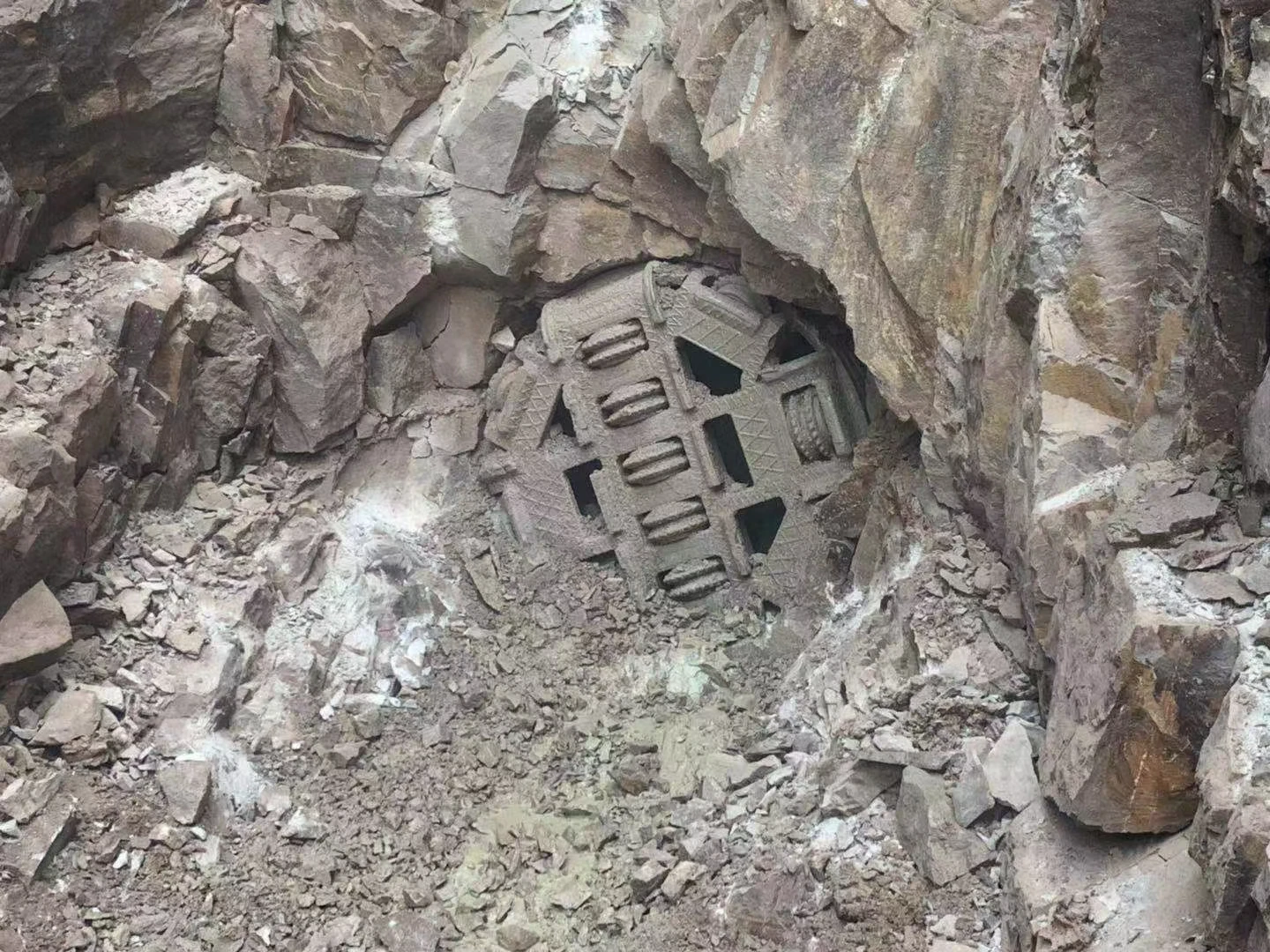
You rely on sensors and detection systems to spot jamming before it stops your tunnel drive. These systems watch the cutterhead, thrust, and spoil removal. They track how much force the machine uses and how fast it moves through the ground. When the numbers change quickly, you know something is wrong. For example, if the cutterhead torque goes up and the penetration rate drops, you might face jamming or clogging. The detection system uses a jamming perception index. This index checks real-time data and helps you see early signs of trouble. The system uses a smart method called a Bayesian framework. This method gives you a 95% chance to spot jamming risks before they turn into jamming accidents. You can trust these systems to keep your double-shield tbm safe and working.
Seismic ahead prospecting and tunnel resistivity methods also help you. These tools let you look ahead in the tunnel. You can find fault zones and water before you reach them. This way, you avoid cutter head jamming accident and keep your tunnel boring machine moving.
Automated responses
When the detection system finds a risk, the anti-jam system acts fast. You do not have to wait for a problem to get worse. The system sends signals and changes how the machine works. It can slow down the cutterhead, adjust the thrust, or change the spoil removal speed. This helps you avoid jamming and clogging.
Here is a table that shows what happens when the system finds different conditions:
|
Condition |
Flag Generated |
Description |
|---|---|---|
|
AGC and noise level both increase, no jamming detected |
HIGH VALID |
You have a strong signal and no interference. |
|
AGC decreases, noise level increases, no jamming detected |
IN-JAM |
Jamming is likely to happen soon. |
|
AGC increases, noise level decreases, jamming detected |
OUT-JAM |
The machine is recovering from a jamming event. |
|
AGC and noise level decrease, no jamming detected |
LOW VALID |
The signal is weak, but no jamming is present. |
The system uses these flags to guide you. You can act before a full stop happens. You avoid costly downtime and keep your tunnel drive on track.
Operator support
You play a key role in stopping jamming and clogging. The anti-jam system gives you alerts and clear data. You see warnings on your control panel. You can change the thrust, cutterhead speed, or spoil removal right away. The system helps you make smart choices. You do not have to guess what is wrong. You get support to avoid jamming accidents and keep your project safe.
You also use face support and counter-torque features. These help balance the forces on the machine. Thrust modulation lets you adjust the push on the tunnel face. You keep the tunnel boring machine stable and avoid cutter head jamming accident. With these tools, you finish your tunnel drive with fewer stops and less risk.
Tip: Always watch your system alerts. Quick action can stop jamming before it starts.
Benefits and real-world impact
Reducing downtime
You want your tunnel boring machine to keep working. Anti-jam capability helps by stopping jamming before it causes big delays. When you use real-time data, you can spot problems early. The system warns you if jamming or clogging starts. You can act quickly and stop jamming accidents. This keeps your project on schedule. You do not waste time fixing stuck machines. Less downtime means you save money on repairs and labor.
Enhancing safety and efficiency
Safety is important on every construction site. Anti-jam capability lowers the risk of jamming accidents. You get alerts before the machine jams. You can stop and fix the problem safely. The system also helps you work better. You use a jamming perception index that finds 95% of jamming risks. The early warning system helps you make smart choices. You can change the double-shield tbm settings to avoid trouble. Here is a table that shows how these features help you:
|
Feature |
Description |
|---|---|
|
Comprehensive Jamming Perception Index η |
Finds 95% of jamming risks, better than other models. |
|
Jamming Probability Model |
Gives good estimates of jamming chances, about 94% in risky spots. |
|
Real-time Data Monitoring |
Checks jamming risks and chances right away for quick action. |
|
Early Warning System Integration |
Sets off alarms when jamming risk is high so you can act fast. |
|
Decision Support |
Helps you make smart choices about TBM work. |
|
Construction Plan Optimization |
Looks at jamming risk to help you pick safer ways to work. |
Application scenarios
You see how anti-jam systems help in real projects. For example, when you build a tunnel in mixed ground, jamming and clogging can slow you down. With anti-clogging and anti-jam systems, your tunnel machine keeps moving. In one project, workers used the early warning system to spot jamming risk. They slowed the cutterhead and changed the thrust. The machine did not jam, and the team finished on time. You can use these systems in soft soil, hard rock, or mixed ground. They help you avoid jamming accidents and finish your tunnel drive safely.
Now you know how anti-jam capability helps your TBM work well. This system stops big delays and makes the job safer. You can control the machine better and finish projects faster.
Tip: When you pick or use a tunnel boring machine, check for anti-jam features.
FAQ
How does anti-jam capability help you during a tunnel drive?
Anti-jam systems warn you early. You can adjust machine settings before a jam stops your work. This keeps your tunnel drive safe and on schedule.
Can you use anti-jam features in all ground types?
Yes, you can use anti-jam systems in soft soil, hard rock, or mixed ground. These features help your tunnel boring machine work better in any condition.
What should you check before starting a TBM drive?
-
Review anti-jam system status.
-
Confirm sensor calibration.
-
Check for clear alerts on your control panel.
-
Make sure all safety features work.


