
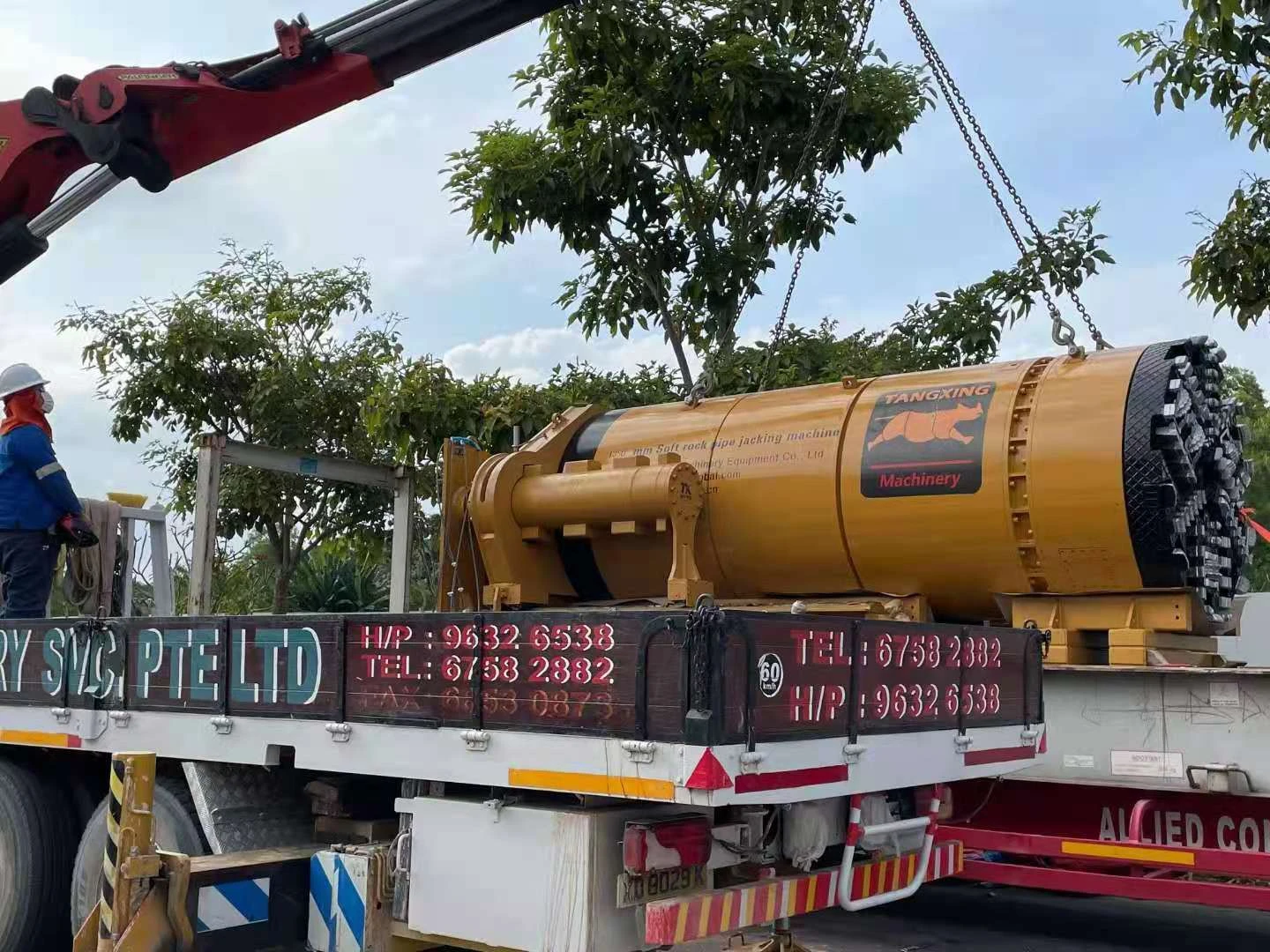
You must treat jam alarms on a tbm machine as stop-work. When you see alarms, take emergency action. Jamming can lead to serious safety risks. Follow safety precautions every time. CEGC wants you to protect people and equipment. Every tunnel project depends on you to keep the tbm safe.
Key Takeaways
-
Always treat jam alarms on a TBM machine as stop-work. Stop the machine right away to keep you and your team safe from bad injuries.
-
Tell your supervisors and team after you stop the machine. Good communication helps everyone know what is happening and act fast.
-
Use lockout/tagout steps before you check for jams. This keeps you safe from the machine moving when you are working.
Why Treat Jam Alarms on a TBM Machine as Stop-Work
Safety Risks of Ignoring Jam Alarms
You must always treat jam alarms on a tbm machine as stop-work. When you see alarms, you face real safety risks. Jamming can happen fast. If you keep working, you put yourself and your team in danger. Heavy parts can move without warning. You can get hurt by flying debris or sudden machine movement. Jamming accidents can cause serious injuries. You may see crushed hands, broken bones, or worse.
Note: Safety comes first. You must stop the machine and call for emergency help right away. Do not try to fix jamming by yourself. Wait for trained intervention.
Industry standards say you must protect people at all times. CEGC follows strict safety rules. You must do the same. Every tunnel project depends on your quick action. You keep everyone safe when you stop for alarms.
Consequences for Machine and Project
Ignoring jam alarms can damage the tbm. Jamming puts stress on gears, motors, and cutting heads. You may break expensive parts. Repairs can take days or weeks. This means long delays for your tunnel project. You lose time and money. Jamming accidents can also damage pipes, casings, or the tunnel itself.
If you do not stop, you risk bigger problems. Emergency repairs cost more than planned maintenance. You may need outside intervention to fix the damage. This can stop the whole project.
You must treat jam alarms on a tbm machine as stop-work for every type of tunnel machine. This includes auger boring machines and Microtunnelling Machines. Jamming hazards are real for all these machines. You protect your project and your team when you follow safety steps.
Tip: Always report alarms and wait for supervisor intervention. Do not restart the machine until you get approval.
You make the right choice when you put safety first. You help CEGC deliver safe and successful tunnel projects.
Immediate Safety Actions for Jam Alarms
Stop All Machine Operations
Act quickly when you see alarms. Stop the machine right away. Press the emergency stop button. Make sure the tbm stops completely. Do not try to fix jamming alone. Wait for trained help. Stopping the machine keeps everyone safe. Always follow the operator's manual steps. The manual tells you how to shut down in emergencies. You keep the tunnel safe by treating jam alarms on a tbm machine as stop-work.
Note: Safety comes first. Stop the machine before doing anything else.
Notify Supervisors and Team
After stopping the machine, tell your supervisors and team. Use the radio or phone to call the control room. Explain the jamming and emergency stop. Give clear details about where and what type of jam happened. Supervisors will plan what to do next. Good communication keeps everyone safe and ready. Never restart the machine until your supervisor says it is okay.
-
Call the control room.
-
Report the jam and alarms.
-
Wait for supervisor help.
Secure the Work Area
Secure the work area after stopping the machine and telling your team. Block the tunnel entrance. Keep people who are not allowed away from the tbm. Put warning signs near the machine. Only trained technicians should go into the area. Safety barriers stop jamming accidents and protect workers. Follow the manufacturer's rules for securing the site. Operators, supervisors, and technicians must work together for safety.
Tip: Always check for hazards before intervention. Keep the area clear and safe for emergency response.
Quick actions help you handle jamming and protect your team. Follow every step in the procedure. Safety needs fast action and clear communication.
Diagnose and Resolve Jam
Lockout/Tagout Procedures
You need to follow strict steps when you check for jamming. Start by using lockout/tagout procedures. Turn off all power to the tunnel machine. Put locks and tags on the machine to show it is not safe. This keeps you safe from sudden movement while you work. Always check air pressure and make sure it is safe before starting. Never skip these steps. They protect you from shield jamming accident or cutter head jamming accident.
Tip: Only trained technicians should do lockout/tagout. This stops emergencies from getting worse.
Inspect for Jam Causes
After you make the machine safe, look for what caused the jam. Check for blocked cutters, stuck debris, or broken parts. Look at the cutterhead and all moving parts. Jamming can happen from rocks, soil, or worn parts. Use monitoring tools to help find the problem. If you see signs of a cutter head jamming accident, report it right away. Careful checking helps you stop more jamming accidents.
Document and Clear Jam
You must write down every step you take. Write what caused the jam and how you fixed it. Take photos if you can. Good records help your team learn from each jam. After you clear the jam, check that all alarms are off. Make sure the area is safe before you remove locks and tags. Always get supervisor approval before you restart the tunnel machine.
-
Write down the jam cause.
-
List all actions you took.
-
Get supervisor approval.
Resume Work Safely
You can only start work again after all safety checks are done. Wait for your supervisor to say it is okay. Follow the steps in the operator’s manual. Regular maintenance and checking help stop future jamming. Inspect cutterheads often and change worn parts. Plan daily maintenance so your crew is ready. These steps help stop emergency stops and keep your project moving. Treat jam alarms on a tbm machine as stop-work every time to protect your team and equipment.
Note: Safety depends on what you do. Careful work and checking help stop jamming and keep everyone safe.
You need to treat each jam alarm as a stop-work event. Safety relies on you acting fast and using emergency steps. Always use monitoring tools and follow safety steps. Depressurization helps stop accidents from happening. You keep your team safe by following safety rules, using emergency actions, and making monitoring important.
FAQ
Can you use an auger boring machine under a railway?
Yes, you can use it. Auger boring is good for crossing railways. You must follow safety rules. Always watch the track while working.
What is the largest pipe size you can install with an auger boring machine?
You can put in pipes up to 1,800mm wide. Check your machine’s specs before you start.
How accurate is auger boring under roads?
Auger boring can be accurate within ±75mm. This helps keep your road crossing safe and reliable.


