
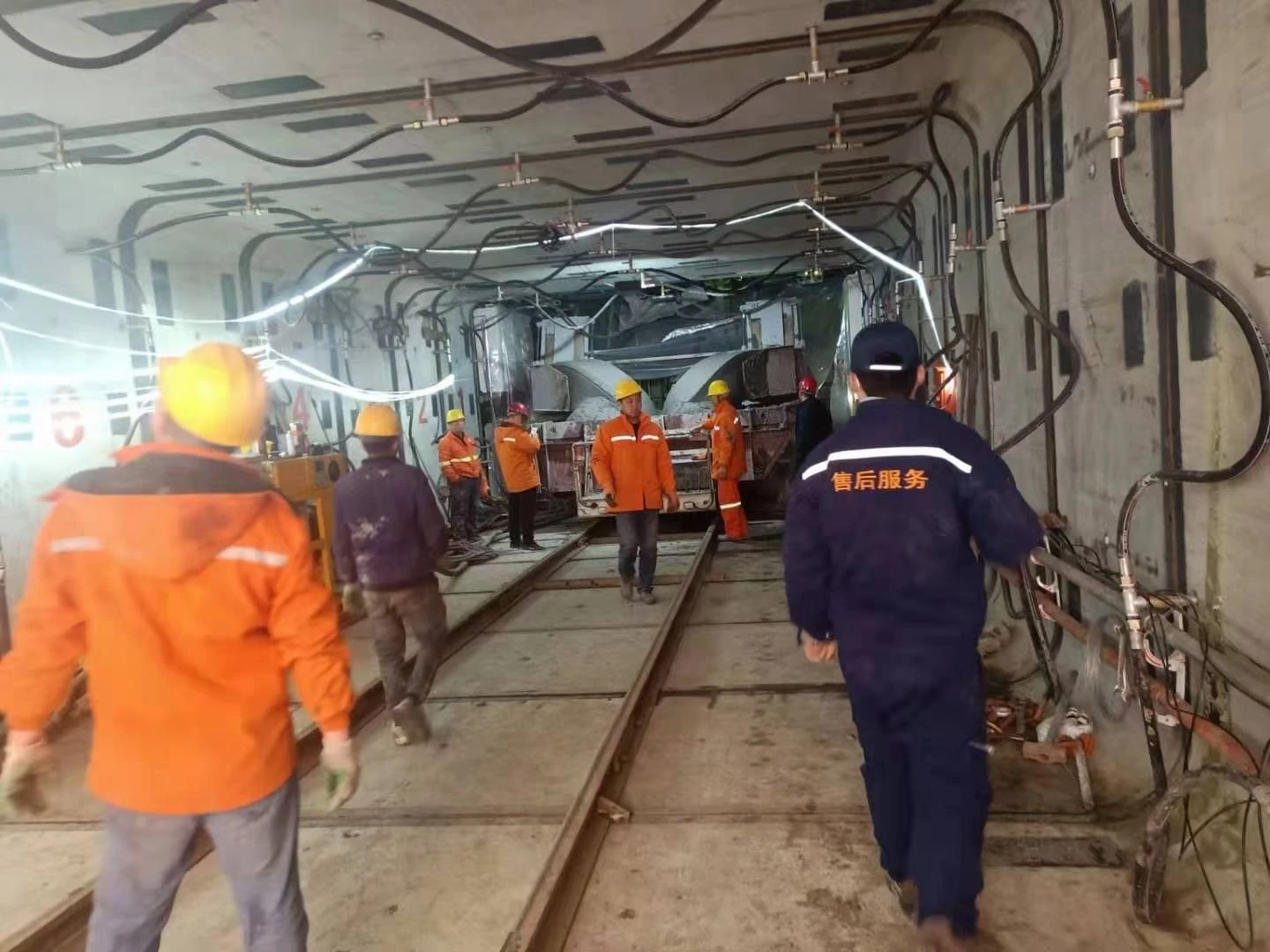
A tbm tunnel jam recovery plan is not a strategy. You need to know the difference between fixing problems and stopping them before they happen. Many tunnel jams happen because of things like bad geological surveys, broken rock, or too much friction between the TBM and the ground.
-
Not enough geological survey data can cause tunnel collapses or water rushing in.
-
Deep or broken rock makes jams more likely.
-
Fault zones and high friction often make work stop.
CEGC understands that real success comes from good risk management and always changing plans, not just recovery plans.
Key Takeaways
-
A TBM tunnel jam recovery plan fixes problems after they happen. It does not replace a plan that stops problems before they start.
-
Good tunnel projects need a full plan. This plan should have risk management, backup plans, and regular checks. These steps help stop delays and extra costs.
-
Using real-time data and flexible systems helps teams act fast when things change. This makes tunnel building safer and more efficient.
Recovery Plan vs. Strategy in Tunnel Projects
What Is a Recovery Plan?
A recovery plan is a list of steps to follow if a tunnel boring machine gets stuck. This plan helps you fix problems after they happen. In tunneling, teams make these plans for jams, water leaks, or broken equipment. The main goal is to get the tunnel machine working again. Recovery plans help reduce lost time and keep the project moving.
A TBM tunnel jam recovery plan is not a strategy. It only helps after a problem happens, not before.
Limits of Recovery Plans
If you only use recovery plans, your project can cost more and take longer. You might have to pay extra money for delays, claims, and lost income. The table below shows how recovery plans can affect your project:
|
Evidence |
Impact on Project Timelines and Costs |
|---|---|
|
Initial CAPEX and working capital deficit |
You need to raise money first, which can slow down the start and make the project cost more if you wait for performance bonds. |
|
Milestone billing vs. standard progress payments |
Milestone billing helps manage money better and lowers the risk of paying more if payments are late, which can make the project take longer. |
|
Liquidated damages for project delays |
If you are late by more than 60 days, you pay about $50,000 each day, which makes the project cost more and hurts your budget. |
Project costs can go from $514 million to $553 million if you only use recovery plans. Delays can also mean you lose millions from power, irrigation, and water supply.
What Makes a Strategy?
A real strategy does more than fix problems. You plan ahead, look for risks, and check your work all the time to stop problems before they start. You collect data, guess what could go wrong, and change your plan when things change. The table below shows how planning and checking for risks can help your project:
|
Key Findings |
Description |
|---|---|
|
Makes tunneling safer and faster by finding and handling risks early. |
|
|
Data-Driven Approach |
Uses smart computer programs to check how risky building is. |
|
Application |
Used in intercity railway tunnel projects to find high risk during some building steps. |
You also use sensors, monitors, and asset tracking to keep the tunnel safe and working well. When you make a strategy, you find new ways to solve problems and keep your project going. Remember, a TBM tunnel jam recovery plan is not a strategy. You need a full plan to do well in tunneling.
Why a TBM Tunnel Jam Recovery Plan Is Not a Strategy
Key Differences
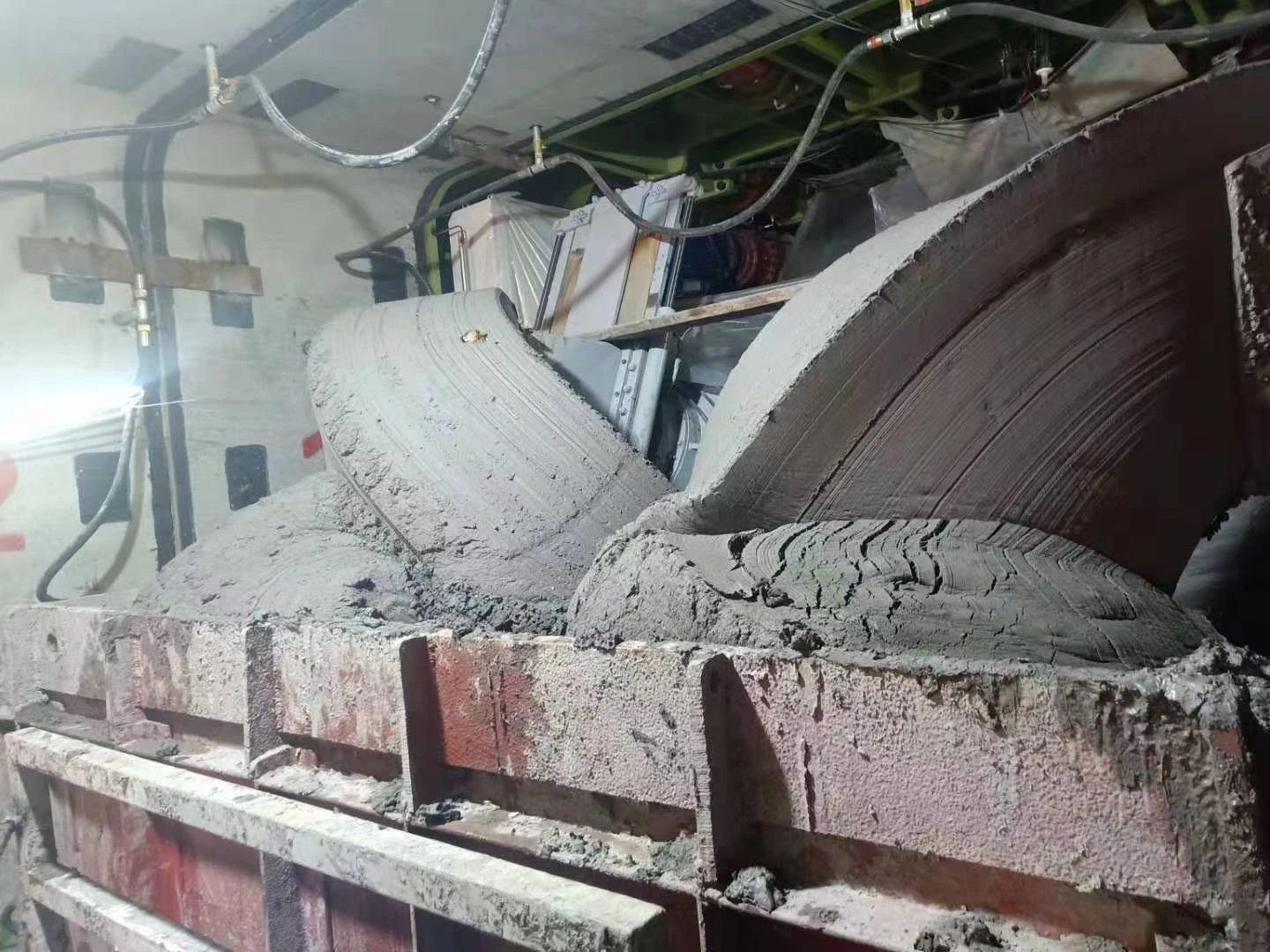
It is important to know the difference between a recovery plan and a real strategy in tunneling. A recovery plan tells you what to do after the tunnel boring machine gets stuck. It helps you fix the problem and start working again. A strategy helps you stop problems before they happen. You use a strategy to plan ahead, manage risks, and keep your project moving.
A recovery plan is used after something goes wrong. You only use it when there is already a problem. A strategy is used all the time to help you make good choices. If you only use recovery plans, you miss the chance to stop problems early. This is why a tbm tunnel jam recovery plan is not a strategy.
Risks of Relying Only on Recovery Plans
If you only use recovery plans, your tunnel project can be in danger. You might get too comfortable and stop trying to make things better. This can cause you to miss chances to improve and face bigger problems later. You may also spend more money and have longer delays because you are always reacting.
If you only react to problems, you lose control of your project’s time and money.
Teams that only use recovery plans often miss early warning signs. They do not see risks until it is too late. This can cause more jams, broken equipment, and safety problems. You need to stay alert and keep looking for ways to make your work better.
Building a Comprehensive Tunnel Strategy
You make a strong tunnel strategy by using risk management, contingency planning, and recovery plans together. You do not just wait for problems. You plan for them and try to stop them.
A good TBM tunnel strategy has many important parts:
-
Careful risk checks and watching for problems
-
Flexible technical systems that use different kinds of data
-
Cloud tools that help teams share and work together
-
Standard data so teams and systems can work as one
-
Training that teaches new ways to work together
-
Change management to help your team use new tools and ways of working
-
AI tools that help you make choices but still let people decide
Contingency planning is a big part of your strategy. You use it to find risks and get ready for hard ground. This helps you lower the effect of problems and keep your project going.
When you add recovery plans to your full strategy, your tunnel project gets stronger. You learn how to handle problems and fix things fast when something goes wrong. This way, you plan better, work smoother, and get better results.
You can see how teams move from recovery plans to full strategies in the table below:
|
Step |
Description |
|---|---|
|
Engage Stakeholders |
You talk with everyone about the backlog and what it means. |
|
Root Cause Analysis |
You find out why the backlog happened, like too much work or not enough help. |
|
Develop a Recovery Plan |
You make a new schedule, pick the most important jobs, and give out resources. |
|
Implement and Monitor |
You follow the plan and check how things are going. |
Remember, a tbm tunnel jam recovery plan is not a strategy. You need a full plan to keep your tunnel project safe, working well, and successful.
You can see that a tbm tunnel jam recovery plan is not a strategy. In tunneling, you must plan ahead to keep things safe and work well. Good planning helps you control risks before they happen. When you use a strategy, you get long-term benefits:
|
Benefit |
Description |
|---|---|
|
Using real-time data helps you fix problems fast. |
|
|
Safety |
Planning lets you change when the ground changes. |
|
Risk Mitigation |
Acting early stops big delays and saves money. |
Pick a strategy, not just a reaction, for your next tunnel project.
FAQ
Can you use a recovery plan for every tunnel project?
You should not rely only on a recovery plan. You need a full strategy to manage risks and keep your tunnel project safe.
What is the main goal of a tunnel strategy?
You use a tunnel strategy to find risks early, plan for problems, and keep your project on track.
How do you improve safety in tunnel construction?
You improve safety by checking for risks, using sensors, and updating your plan as you learn more.


