
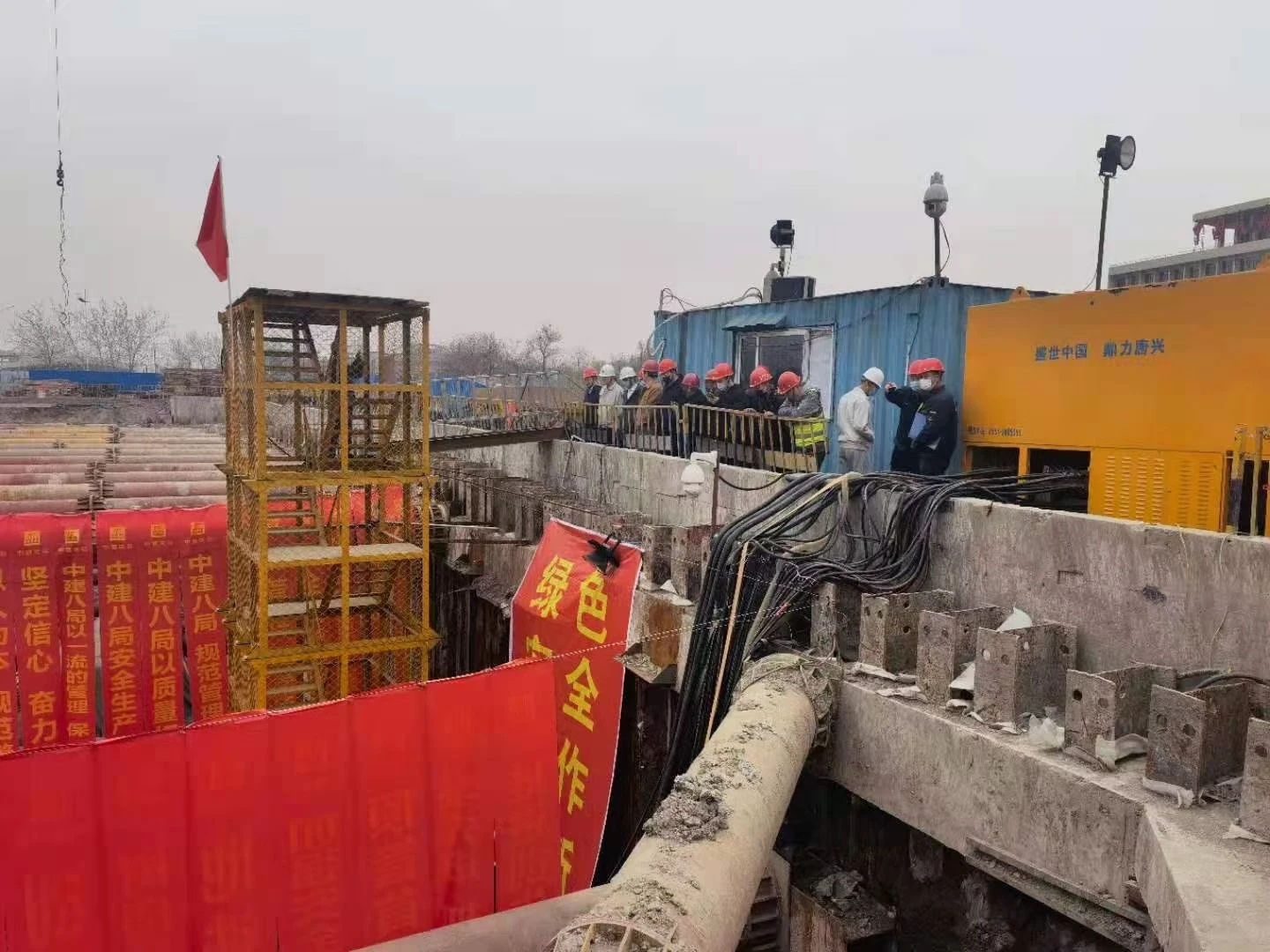
Imagine you use a tunnel boring machine. You notice jacking loads go up as you move through clayey gravel. Friction at the shield face increases, making it challenging to continue. In this scenario, micro tunneling jams often trace to separation limits. Effective slurry management is essential, along with efficient separation, to ensure your CEGC machine operates smoothly.
Key Takeaways
Learn about separation limits to stop jams. Know when the system cannot keep soil and slurry apart anymore.
Handle slurry the right way. Pick the best mix to lower friction and help the tunnel machine move well.
Check your separation system often. This stops delays and helps your project stay on time.
Separation Limits in Microtunneling
Separation Limits Defined
When you use a tunnel boring machine, you need to know about separation limits. These limits are the point where the system cannot keep soil and slurry apart anymore. If you go past these limits, the mix gets too thick or sticky. This makes friction go up and the machine has to work harder. The type of soil matters a lot. Clayey gravel or silty sand can make the separation system stop working well very fast. When this happens, micro tunneling jams often trace to separation limits. You will notice higher jacking loads and the work will slow down.
Slurry Management Role
Slurry management helps control how sticky the dug-up material is. Using the right slurry, like bentonite, makes it less hard for the machine to dig. If you do not manage the slurry well, the system can get clogged. This causes delays and you have to clean the system more. Good slurry management keeps the separation system working well and stops jams. You should check the slurry mix and change it if the soil changes.
Tip: Always check the slurry before you start a new part. Doing this can save you a lot of time.
Impact on Tunnel Machine Performance
How well the separation system works affects how fast the tunnel machine moves and how much time you lose. The table below shows important things that depend on separation efficiency:
Metric |
Description |
|---|---|
Learning Phase Period |
Time needed for the machine to reach a steady speed during tunneling. |
Ground Factor (Gf) |
How much the ground affects the tunnel boring machine. |
Learning Parameter (c) |
How fast the machine gets better during the learning phase. |
Mean Absolute Error |
How close the model is to real data (0.61 m/day). |
Root Mean Squared Error |
How well the model predicts the advance rate (0.673 m/day). |
Mean Absolute Percentage Error |
How well the model forecasts productivity (8.54%). |
You can see that good separation efficiency helps the machine move faster and keeps the project on track. If you keep the separation system working well, you will not get jams and your work will stay on schedule.
micro tunneling jams often trace to separation limits
Causes of Jams
Jams happen when the separation system cannot handle the mix. The tunnel machine faces more friction and resistance. If you push past separation limits, the slurry gets thick and sticky. The machine slows down a lot. Micro tunneling jams often trace to separation limits because the system cannot keep up with the soil. Clayey soils and silty sands make separation harder. When the slurry has particles of similar size, they move together. This makes them clump and jam the system. If the slurry has many different sizes, particles spread out better. You need to watch the soil type and change the slurry mix to stop jams.
Signs of Separation-Related Jams
You notice signs when micro tunneling jams often trace to separation limits. The jacking loads go up fast. The tunnel machine has trouble moving forward. The slurry gets thick and is hard to pump. The separation system needs more cleaning and fixing. Sometimes, the machine stops and you must clear the jam. These signs show the separation system cannot handle the mix. If you ignore these signs, the project slows down and costs rise. You must act quickly when you see these signs.
Note: Look for sudden jumps in jacking loads and thick slurry. These are early signs of separation-related jams.
Pipe Wedging and Soil Behavior
Pipe wedging happens when the tunnel machine faces too much resistance. The pipe gets stuck in the soil. Micro tunneling jams often trace to separation limits because the system cannot separate the soil from the slurry. The soil pushes against the pipe and makes it wedge. You see this problem more in clayey soils and mixed ground. The machine cannot move forward, and you must stop to fix the jam. You need to understand soil behavior and change the separation system to stop pipe wedging. If you keep the separation system working well, you lower the risk of jams and keep the project moving.
Solutions and Prevention
Upgrading Separation Systems
You can make your separation system better by picking new equipment. Modern hydrocyclones and shale shakers help with hard soil. Upgrading your system makes it work faster and stops delays. Sometimes, rules mean you must do studies or get permits first. These steps change how you plan your project and help you pick the best technology. Microtunneling is often chosen when you need to handle water and soil risks.
Maintenance and Monitoring
Doing regular maintenance keeps your separation system working well. You should follow steps for each part of the system. The table below shows important actions for common equipment:
Maintenance Routine |
Key Actions |
|---|---|
Hydrocyclones |
Keep pressure at least 30 psi, check cones, flush to stop blockages. |
Centrifugal Pumps |
Make sure they are lined up, check seals and impellers, do not let them run dry. |
Shale Shakers |
Check and wash screens every day, change old parts, oil motors, make sure they are lined up. |
You need to watch your system while it works. Look for thick slurry or higher jacking loads. These signs show micro tunneling jams often trace to separation limits. Training helps your crew learn what to do. Utility tunneling customer training and compact training weeks teach you how to use and fix your equipment.
Operational Adjustments
You can change things while tunneling to stay safe. Manage slurry pressure to help the tunnel face. Remove spoil fast to keep pressure steady. Use clean slurry again for better stability. If you see ground is not stable, slow down or change slurry properties. If you spot problems early, you can fix them before they get worse.
Tip: Change your operation as soon as you see trouble. Acting fast stops jams and keeps your project on track.
You can see that separation limits cause microtunneling jams. To stop problems, always follow the same steps. Keep your equipment in good shape. Write down what you do and check records often. Use new machines and watch alignment closely. Safety rules help your team work well. Good separation systems keep your project on time and make tunnels better.
Key Takeaway |
Description |
|---|---|
Steady progress and fewer problems |
|
Preventive Maintenance |
Less stopping and better timing |
Effective Communication |
Teams work together and tunnels are safer |
Comprehensive Documentation |
Easier fixing and better plans for the future |
Careful watching makes work more exact.
Safety rules keep your team safe.
New technology helps you work faster.
Tip: Good separation systems are very important for microtunneling projects.
FAQ
Can you use auger boring machines under railways?
Yes, you can use auger boring machines under railways. You need to watch the rails for movement. Always follow strict settlement limits to stay safe.
What signs show a separation-related jam in microtunneling?
You will notice jacking loads get higher. The slurry becomes thick and hard to move. The machine slows down a lot. These signs mean the separation system cannot handle the soil mix.
How often should you check your separation system?
You should check your separation system every day. Regular checks help you find problems early. This keeps your project running well.


