
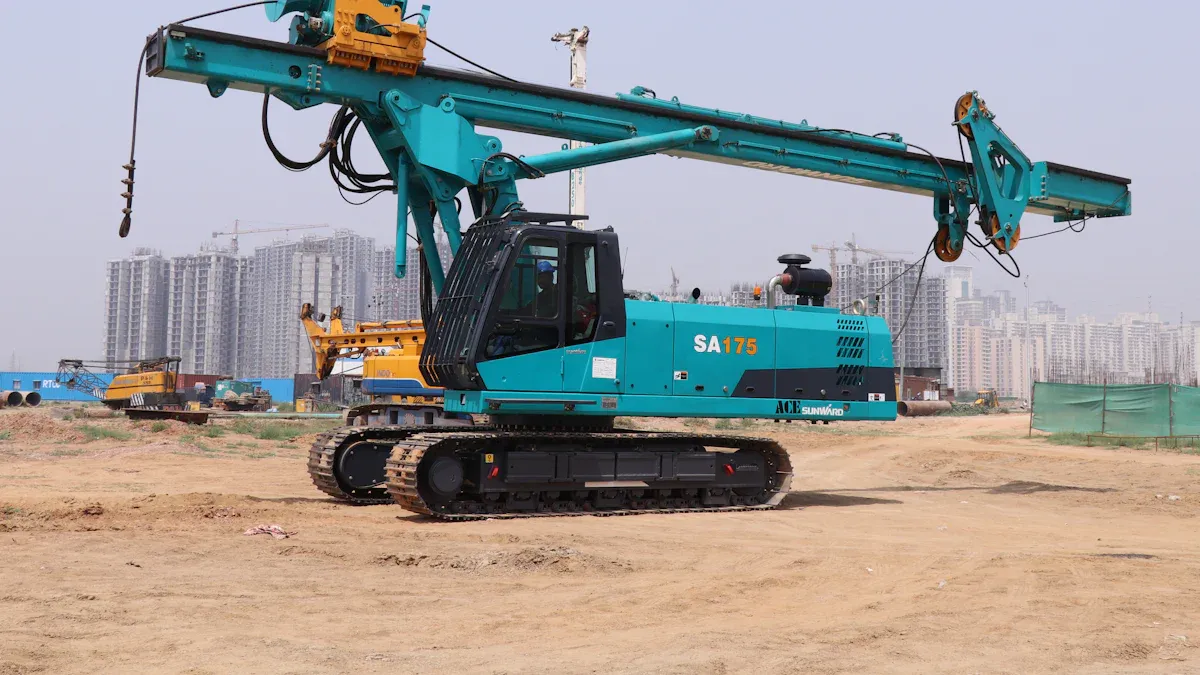
New technology has changed horizontal directional drilling. It makes drilling very powerful. It also makes it very exact. The biggest machines in 2026 are very good. They can drill with 0.1° accuracy. This is a big step forward. The Horizontal Directional Drilling industry is growing. It will be worth USD 10.33 billion in 2026. This shows how much it has improved. CEGC has strong horizontal directional drill solutions. This biggest horizontal directional drill 0.1° accuracy helps with problems. It fixes issues like bore deviation.
Key Takeaways
-
New drilling machines are strong. They are also very exact. They can drill with 0.1° accuracy. This helps stop problems. It stops the drill from going off course.
-
The 'biggest' drilling machines are powerful. They can push, pull, and twist. They can hold many long drill rods. This makes them good for big jobs. They are good for hard jobs too.
-
Drilling with 0.1° accuracy helps nature. It makes projects safer. It saves money. It saves time. It also lets us do new building projects. These projects can be hard.
Defining 'Biggest': Key Metrics for 2026 HDD Rigs
"Biggest" for drills means more than size. It means how well they work. These drills perform very well. They can drill long holes. They can drill complex holes. Knowing these things helps. It shows how strong a drill is.
Thrust and Pullback Force
Thrust force pushes the drill. It goes into the ground. Pullback force pulls the drill. It comes back out. Both help put in pipes. They also help put in cables. The biggest drills are strong. They can handle long pipes. They can handle heavy pipes. For example, some models have great force:
|
Model |
Thrust (lbs) |
Pullback (lbs) |
|---|---|---|
|
BD150HP |
150,000 |
150,000 |
|
BD200HP |
200,000 |
200,000 |
|
BD250HP |
250,000 |
250,000 |
|
D120E |
224,801 |
269,761 |
High forces help the drill. It gets past ground resistance. They also help install pipes. This works over long distances.
Rotational Torque
Rotational torque is twisting power. It turns the drill bit. High torque is important. It cuts through different soils. It is key for hard rock. Modern maxi-rigs have strong torque. They can handle tough ground.

The Ditch Witch AT120 is a big drill. It has 15,500 foot-pounds of torque. Its inner torque is 3,000 foot-pounds. This is 50% more than older models. It helps operators with hard jobs. They do not lose speed.
Drill Rod Capacity and Length
Drill rod capacity is important. It means how many rods a machine holds. It also means how long each rod is. More capacity means longer bores. This means fewer rod changes. It saves time. It makes big jobs faster. Longer rods mean fewer connections. This means fewer problems. This is key for long jobs.
The 2026 Giants: Leading Horizontal Directional Drilling Machines
The biggest horizontal directional drilling machines are like giants. They show what underground building can do. These machines have great power. They are also very exact. They can do long and hard jobs. Here are some top machines. They come from different makers.
Manufacturer A's Flagship Trenchless Drilling Rig
Manufacturer A has a top trenchless drilling rig. This machine is very strong. It can drill in many ground types. It works in soft dirt and hard rock. This rig is for big jobs. It can put in large pipes. It also handles major utility lines. CEGC gives standard details. They also change drills for jobs. This means they fit the drill to the work. Their machines are built strong. They help finish hard bores.
Manufacturer B's Heavy-Duty Directional Drilling Machine
Manufacturer B has a strong directional drilling machine. This machine is a true maxi-rig. It is for big pipeline jobs. It has much power. It also has smart parts.
-
Noise Control: This machine works quietly. Its sound is much lower. It went from 116 to 104 decibels. The operator hears less than 80 dB. This meets strict noise rules.
-
Smart Tools:
-
BoreAssist: This tool helps plan the drill path. Users can load plans. They can change them on a screen. This happens at the job site.
-
Log-While-Drilling: This shows the drill's path live. It makes a picture of the bore. This is rod by rod. Operators can check it with the plan. This helps fix things fast.
-
This maxi-rig performs well:
-
Thrust and Pullback: It has 550,000 lbs of force. This pushes and pulls heavy pipes.
-
Torque: It has 100,000 ft-lb of torque. This power cuts tough ground.
-
Speed: The carriage moves at 105 ft/min. The drill bit spins at 75 rpm.
-
Mud System: It flows up to 25 gpm. The pressure reaches 750 psi. This makes mud flow well.
-
Safety Features: It has drilling lights. It has a flow indicator. It also has a stakedown system. A remote lockout adds safety. The operator hears only 70 dB(A).
This machine is for pipeline directional drilling. It is a powerful maxi-rig.
Manufacturer C's High-Capacity Horizontal Directional Drilling Rig
Manufacturer C has a big horizontal directional drilling rig. This machine is for very long distances. It can drill bores over 3,000 meters long. This is good for crossing rivers. It also works for big water areas. This maxi-rig is built strong. It stays steady during long jobs. Its smart controls keep the drill on track. This allows exact work over far distances. These machines push what is possible. They make hard underground jobs happen.
Achieving 0.1° Accuracy: Technologies for Precision Horizontal Directional Drilling
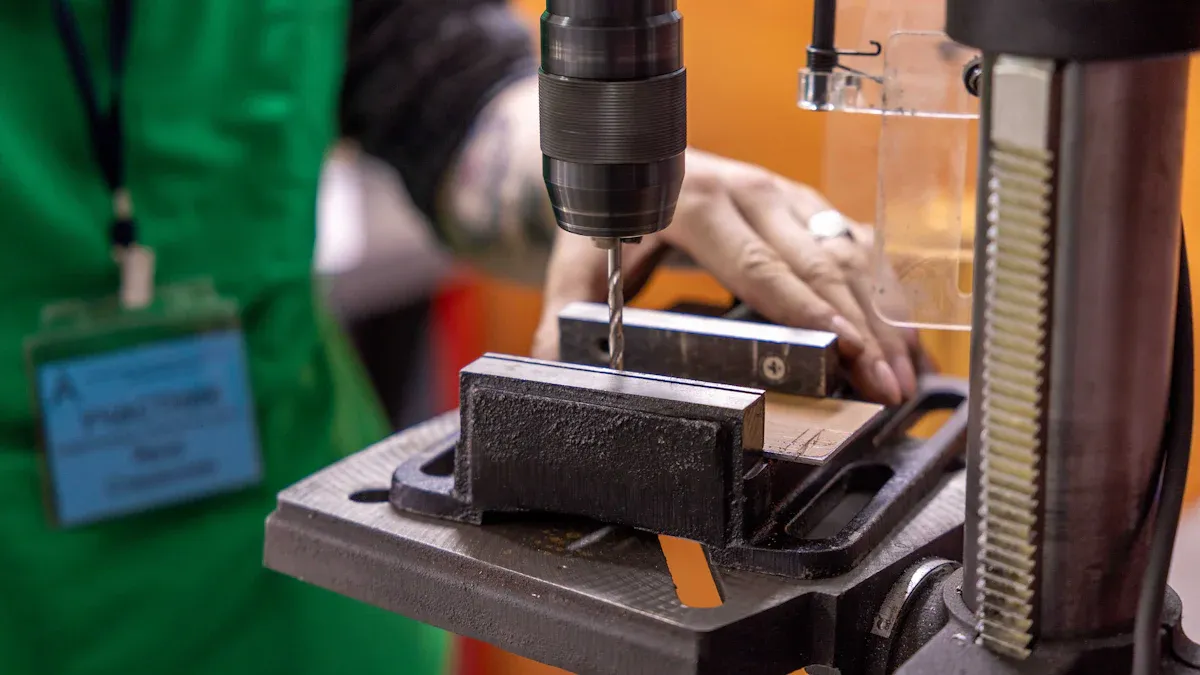
Modern horizontal directional drilling is very precise. It avoids mistakes. It makes projects successful. Getting 0.1° accuracy is a big step. This precision fixes bore deviation. It stops crossing failure. It gives a "Precision Guidance & Stability System" to every drill. Note that 0.1° is a good goal. Some systems are even better. They can get 0.01 to 0.04 degrees. This makes underground building very reliable.
Advanced Guidance Systems
Advanced guidance systems help hit targets. They keep the drill on track. DeviAligner is one system. It uses fiber optic gyro technology. It helps line up the drill rig. It gets 0.1 degrees inclination accuracy. Its azimuth accuracy is ±0.15° sec lat. This technology works for many jobs. It works for surface drilling. It works for underground drilling. It helps with diamond drilling. It helps with reverse circulation (RC) drilling. It helps with civil drilling. These systems are key for precise bore planning. They make sure the drill starts right. They keep it on the correct path. This lowers errors from the start.
Real-time Data Feedback and Analytics
Real-time data is vital for high precision. It gives instant borehole info. Drillers make quick choices. Real-time data streams help. Analysis gives continuous knowledge. It shows borehole stability. This allows fast changes. It updates the drilling plan. Such analysis helps engineers. They make better decisions. It finds critical events. This prevents costly sidetracks. It saves rig time.
Systems like TRIDEC drilling support (TDS) watch drilling. They find trends for problems. They guide drillers. They advise on odd events. All this improves drilling precision. It boosts accuracy. TruGyro is another tool. It gives azimuth and dip accuracy. It is up to 0.1 degrees. This info helps drilling choices. It improves geological models. MagCUBE also helps. It greatly improves accuracy. It uses local magnetic data. It uses global models. Declination accuracy improves. It goes from 1.0 degree to 0.1 degrees. This detail is key. It is for the biggest horizontal directional drill 0.1° accuracy.
Automated Control Systems
Automated systems make drilling precise. They need less human input. These systems use models. They predict things. They use AI and machine learning. These tools guess torque and drag. They guess the wellbore path. This greatly improves precision. Advanced Rotary Steerable Systems (RSS) help too. They use point-the-bit tech. They use push-the-bit tech. These systems work with MWD tools. They work with LWD tools. This allows real-time changes. They adjust the drill's direction.
Better downhole tools give more info. High-resolution MWD/LWD tools evaluate formation. They connect with RSS. This makes drilling smarter. Gyroscopic systems help. Magnetic survey systems help. Mud pulse telemetry gives real-time data. Engineers adjust the well path fast. They avoid dangers. They keep target accuracy. These automated systems are key. They achieve high precision. This is for any biggest horizontal directional drill 0.1° accuracy project.
Drill Bit and Reamer Innovations
New drill bits help precision. Reamers also play a big role. Modern tools are for specific ground. This keeps the bore straight. It keeps it stable. New materials make bits strong. Reamers last longer. This reduces wear. It ensures steady cutting. Better designs remove material well. This lessens vibration. It reduces deviation. Special reamers make a smooth hole. This is key for pipe install. These tool advances help steering. They keep the planned path. This is vital for accurate bore planning. It is vital for execution.
Fixing Problems: Power, Strength, and Liquid Control
New horizontal directional drilling machines fix hard problems. They give answers for power. They give answers for lasting strength. They give answers for liquid control. These machines help avoid stuck pipes. They help avoid high costs. They also stop harm to nature.
Anti-Stall Power and Overload Safety
Stuck pipes cause big delays. Sudden twists also cause delays. Both cost a lot of money. New maxi-rig machines have strong power systems. They stop these problems. These systems give strong twisting power. They work at many speeds. Sensors watch the load. They control the pressure. This stops the drill from getting stuck. Starting and stopping gently lowers stress. This protects parts like rods and swivels. This means work is more steady. It also means less time stopped.
Tool Match and Strong Parts Package
High tool costs are common. Tools wearing out fast is also common. Today's maxi-rig machines use better tools. They last longer. New materials make tools tougher. These are strong metals and mixes. This helps them last more. It also makes them work better. This saves money. It means less time fixing things. Smart tools now have sensors. These sensors watch drilling live. Workers can make good choices. They can plan repairs. This keeps tools working well. Strength is key for tools. Strong steel or new mixes fight wear. Ground type and wetness also change tool life.
Mud Mixing and Liquid Control Answers
Bad mud can cause spills. This hurts nature. It also costs money. The biggest horizontal directional drill 0.1° accuracy machines use good mud systems. These systems handle drilling liquids well. MUDPRO is one system. It does math by itself. This lowers mistakes. It uses live facts for exactness. It tracks additive use to save cash. It also guesses problems with smart tech. This helps stop issues. Modern drilling liquids have special parts. These make the mud flow better. They also make it steady. This helps drilling work better. Live checks watch liquid levels. Workers can make quick changes. This stops costly problems. Special mud mixes keep the hole steady. This is true for long holes. It is true for different ground. These flexible answers help workers react. This makes sure any maxi-rig job is safe and works.
How 0.1° Accuracy Changes Drilling Projects
Very exact drilling changes big projects. It makes work better. It helps follow nature rules. It also fits new needs. This exactness lets us do record-long jobs. For example, we can now cross 4102 meters. This can be 47 meters deep.
Less Harm to Nature and Lasting Good
Exact drilling helps nature. It means fewer open ditches. This bothers the land less. It keeps nature safe. It also cuts down on machine pollution. This makes projects better for the long run.
More Safety and Less Danger
Very exact drilling makes things much safer. It helps drillers miss bad spots. These are places like fault lines. Or places with high pressure. This stops big bursts. It stops dangerous events. Good control of the drill path means fewer crashes. It puts wells in better spots. Workers can react better to changes. This makes things safer and more sure.
-
We find and map all pipes first. This stops hitting them.
-
We watch pressure deep down. This stops spills. Good fluid care helps too. This is key in touchy areas.
-
Making drill paths for strong dirt helps. Using right tools helps. Following good drill rules helps. This stops holes from caving. It stops drill parts from breaking.
-
We follow safety rules for workers. We follow rules for pipes. Getting nature permits stops legal trouble.
-
Robots check sewer pipes. They do this before and after. This stops pipes from crossing. Crossed pipes can cause messes. They can cause blasts.
Saves Money and Time
Accuracy saves money. It saves time. It means less work redone. It means fewer extra things needed. Projects finish faster. This means less pay for workers. It means less time renting tools. Being exact helps avoid costly errors.
New Project Ideas and Hard Jobs
This high accuracy opens new doors. It allows for very hard projects. Engineers can plan longer holes. They can plan holes in tough dirt. This includes cities. It includes under rivers. It makes hard underground building possible.
The 2026 generation of biggest horizontal directional drill 0.1° accuracy machines changes everything. They have great power. They are very exact. This sets new standards. These improvements make work better. They make it safer. They help the environment. They fix old problems in the industry. Horizontal directional drilling will build strong things. It will build green things. It will build exact things worldwide.
FAQ
What makes an HDD rig "biggest"?
The biggest rigs have strong push and pull power. They also have great twisting force. They can hold many long drill rods. These numbers show how strong they are.
How do HDD machines get 0.1° accuracy?
Good guidance systems help. Live data feedback is key. Automatic controls assist. New drill bits also play a part. These tools make them very exact.
What problems do these large HDD machines solve?
They stop pipes from getting stuck. They prevent sudden twists. They make tools last longer. They also handle drilling liquids well. This lowers spill risks.


