
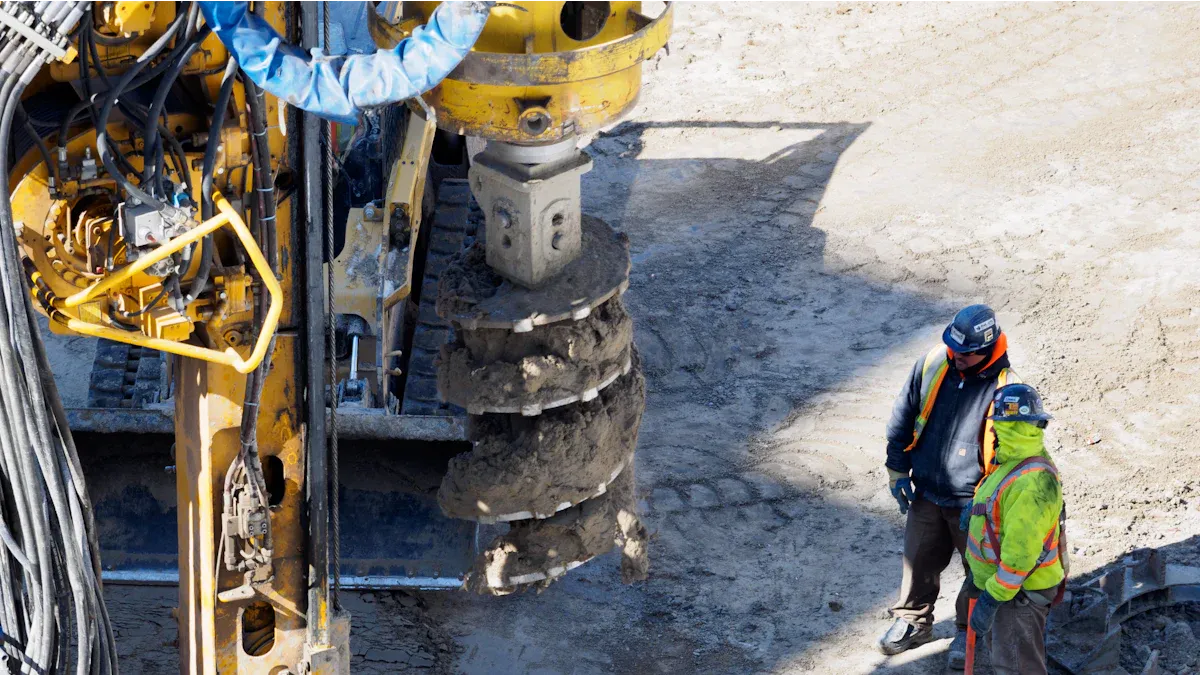
You need the biggest horizontal directional drill adaptive output for hard jobs. Machines like XZ5000 XCMG and Gookma GD33 give strong torque and drill far. Look at their specs below:
|
Machine |
Max Torque |
Distance |
Pipe Size/ Diameter |
Weight |
|---|---|---|---|---|
|
XZ5000 XCMG |
5000 kN |
φ168×9600 mm |
55 t |
|
|
Gookma GD33 |
300 m |
900 mm |
10,200 kg |
Adaptive output lets your directional drilling machine change power, speed, and mud flow. It matches the ground conditions. This stops bore deviation, stuck pipe, and tool wear. CEGC and other leaders like Vermeer D550, Ditch Witch AT120, and Herrenknecht are known for reliability and project success.
Key Takeaways
-
Pick horizontal directional drilling rigs with adaptive output for more control and better efficiency. This technology lets the drilling power fit the ground conditions. It lowers risks and makes drilling safer.
-
Find features like load-matched control and anti-stall powertrain in drilling machines. These features help keep the bore straight. They also stop tool damage from happening.
-
Think about brands like CEGC, Vermeer, and Ditch Witch for good rigs. Each brand has special features that improve performance and help with different projects.
Biggest Horizontal Directional Drill Adaptive Output
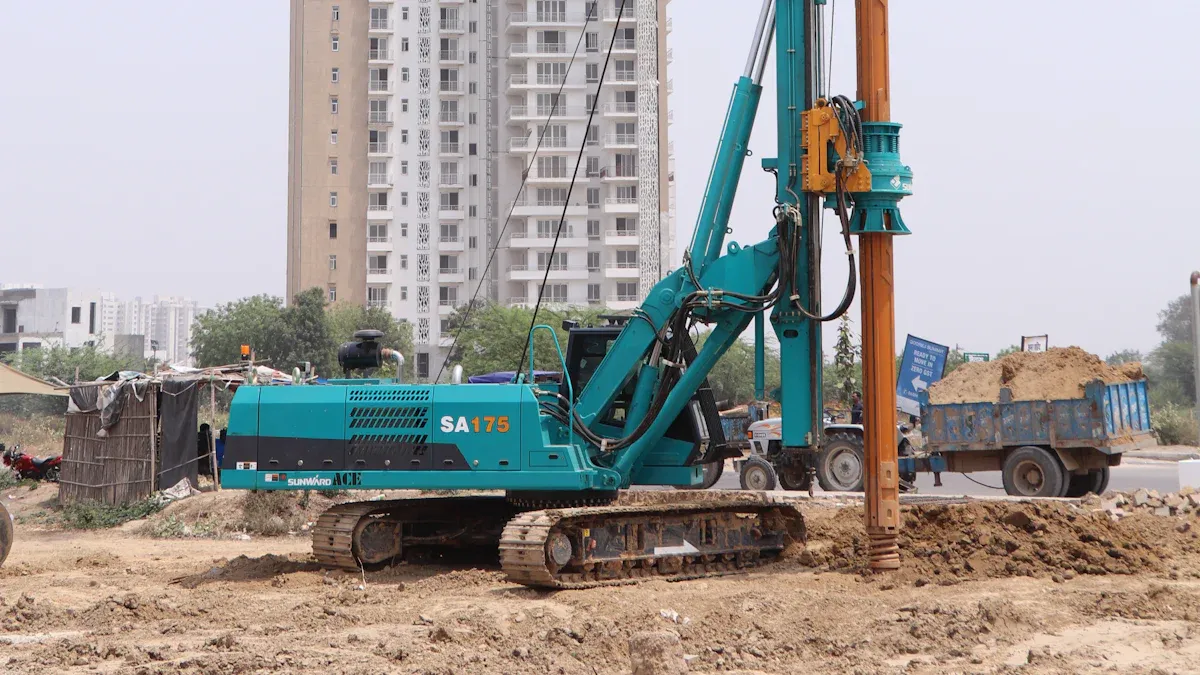
What Makes a Drill the Biggest?
You need the biggest horizontal directional drill adaptive output for tough jobs. The size of a horizontal directional drilling rig depends on a few things. You check the maximum pipe diameter, pullback force, and torque. These numbers tell you how strong and far the machine can go.
Here is a table that shows the top numbers for the largest horizontal directional drilling rigs:
|
Specification |
Value |
|---|---|
|
Maximum Pipe Diameter |
56 in. |
|
Maximum Pullback |
1,011,645 lbs. |
|
Maximum Torque |
103,032 ft.-lbs. |
|
Maximum Pipe Diameter |
52 in. |
|
Maximum Pullback |
1,100,000 lbs. |
|
Maximum Torque |
100,000 ft.-lbs. |
You find these numbers in rigs like Vermeer D550, Ditch Witch AT120, and Herrenknecht HDD rigs. These machines can drill under rivers, highways, and cities. They have the power to go through hard rock and mixed ground. The biggest horizontal directional drill adaptive output lets you use bigger pipes and reach farther. This helps you finish large city and utility projects with less risk.
Adaptive Output Features Explained
You need more than just a big machine. You need adaptability. The biggest horizontal directional drill adaptive output gives you smart control of power, speed, and mud flow. This adaptability helps you match the drilling force to the ground. You avoid problems like bore deviation, stuck pipe, and tool wear.
Here are the main features you get with adaptive output:
-
Load-Matched Control: You change thrust, pullback, and rotation to keep the drill straight. This keeps your bore on track and lowers mistakes.
-
Anti-Stall Powertrain: You get protection from torque spikes and overloads. The system senses changes and manages pressure. You avoid downtime from stuck pipe or broken tools.
-
Mud Integration: You control fluid flow and pressure. Good mud management keeps the bore stable and stops frac-out. You get better drilling efficiency and less cleanup.
Tip: Pick a horizontal directional drilling rig with tracking-system integration. This helps you record data and control the process for better results.
CEGC gives you standard specs and custom options for your project. You can choose the right torque, thrust, and rod system for your job. You get a strong frame and precise carriage alignment. This lowers vibration and keeps your drilling accurate. You also get compatibility with many types of reamers and tools. This adaptability lets you handle different ground types and project needs.
These features help you solve big problems:
-
You keep your bore straight and at the right depth.
-
You lower the risk of stuck pipe and tool damage.
-
You save money by reducing tool wear.
-
You manage fluids for safer, cleaner drilling.
The biggest horizontal directional drill adaptive output changes how you do trenchless technology. You get more control, less risk, and better results for every horizontal directional drilling project.
Horizontal Directional Drilling: Performance and Applications
Comparative Analysis of Leading Rigs
You want the best horizontal directional drilling rig for your job. You can look at CEGC and other top brands like Vermeer, Ditch Witch, and Herrenknecht. Each brand has special features that help drilling work better. CEGC rigs have adaptive output, strong torque, and tough frames. Vermeer rigs give you lots of power and good control. Ditch Witch rigs have advanced tracking to help you drill straight. Herrenknecht rigs are made for long crossings and last a long time. The table below shows how these rigs are different:
|
Brand |
Adaptive Output |
Torque (ft-lbs) |
Key Features |
|---|---|---|---|
|
CEGC |
Yes |
100,000+ |
Customizable, stable, precise |
|
Vermeer |
Yes |
100,000+ |
Power, control |
|
Ditch Witch |
Yes |
120,000+ |
Tracking, efficiency |
|
Herrenknecht |
Yes |
103,000+ |
Long crossings, durability |
Real-World Use Cases and Industry Benefits
You can see new ways to use horizontal directional drilling in many fields. Garney Marine set a record with a 5,700 ft pullback and a 60-inch pipe. You can use horizontal directional drilling for crossing rivers, city pipes, and big pipeline jobs. Adaptive output helps you drill in hard or mixed ground. You get better results and your tools last longer. Good drilling equipment helps you finish jobs faster and safer. Contractors, utility workers, and EPC projects all use these features. You can trust horizontal directional drilling to work well in any place. Modern rigs make drilling safer and more reliable. You get good equipment that fits your project needs. New ways to use horizontal directional drilling keep growing as technology gets better. You can count on these features to help your drilling and make your project a success.
You get better control and safety with the biggest horizontal directional drilling rigs that use adaptive output.
-
You fix problems like bore deviation and tool wear.
-
You finish your work faster and have less risk.
Think about CEGC for new and custom solutions as adaptive output technology keeps getting better.
FAQ
What is trenchless technology in horizontal directional drilling?
Trenchless technology lets you put pipes and cables underground. You do not need to dig big trenches. This keeps roads and parks safe and clean.
How does adaptive output improve trenchless drilling?
Adaptive output helps trenchless rigs work better. It changes power and mud flow for the ground. This stops the bore from moving off track and saves tools.
Why should you choose trenchless drilling for municipal projects?
Trenchless drilling is good for city jobs. It keeps streets and pipes safe. You finish work faster. Trenchless methods cause less trouble and protect people.
Tip: Trenchless drilling saves both money and time. You do not need to pay for big repairs or cleaning.
|
Benefit |
Trenchless Drilling |
|---|---|
|
Less disruption |
Yes |
|
Faster completion |
Yes |
|
Safer work sites |
Yes |
Trenchless drilling is used for water, gas, and fiber lines. You use trenchless rigs for hard crossings and long jobs.
Many industries use trenchless solutions. Trenchless technology gives you results you can trust. Trenchless rigs with adaptive output work even better.
Trenchless drilling is good for hard rock and mixed ground. You use trenchless methods to stop stuck pipe and tool breaks. Trenchless rigs help you cross safely.
Trenchless drilling helps utility and EPC projects. Trenchless technology keeps getting new features. You get rigs that match your project.


