
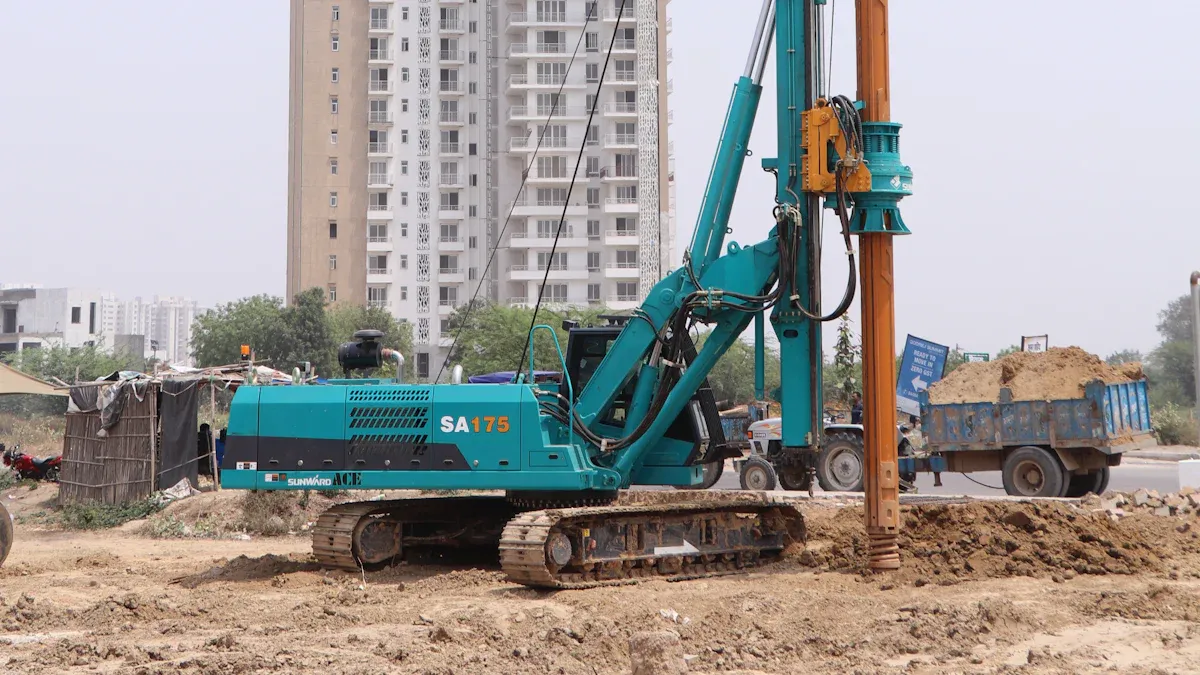
More big horizontal directional drilling jobs are needed. The horizontal directional drilling market will be worth $25.11 billion by 2034. This is important for building things. Drills often get stuck. They can also go off course. This slows down drilling. It causes delays. These problems make drilling less effective. CEGC has the biggest horizontal directional drill no jam technology. It fixes these problems. This hdd technology makes drilling better in the future. It creates new ways to drill.
Key Takeaways
-
No-jam technology stops drilling problems. It keeps drills from getting stuck. It also keeps them on course. This makes drilling work better.
-
New drilling machines are coming. They have no-jam tech. This helps them do big jobs. They set new records for drilling.
-
No-jam systems use smart tools. They use strong parts. This makes drilling exact. It also makes it last longer.
What No-Jam Technology Means for Horizontal Directional Drilling
What a 'Jam' Is in Drilling
A 'jam' in drilling means big problems. These problems stop the drill. Sometimes the drill pipe gets stuck. It cannot move. Torque spikes are sudden turns. They can break tools. The drill path can go wrong. This costs money to fix. Drilling fluid can leak out. These problems cause delays. They make drilling worse.
Why No-Jam Solutions Are Important
Big drilling jobs need to work well. Jams cause big delays. They cost more money. They can also be dangerous. No-jam solutions keep projects on time. They make drilling work better. These solutions stop tools from breaking. They also help the environment. More complex jobs need these systems. They are key for good drilling.
How No-Jam Systems Work
No-jam systems use key ideas. They watch how much the drill turns. This stops sudden turns. They make drilling fluid flow well. This stops pipes from getting stuck. Sensors give constant data. Computers use this data. They make quick changes. This makes drilling better. It keeps things running smoothly. This technology makes drilling more dependable.
The Giants of 2026: Top Horizontal Directional Drilling Machines
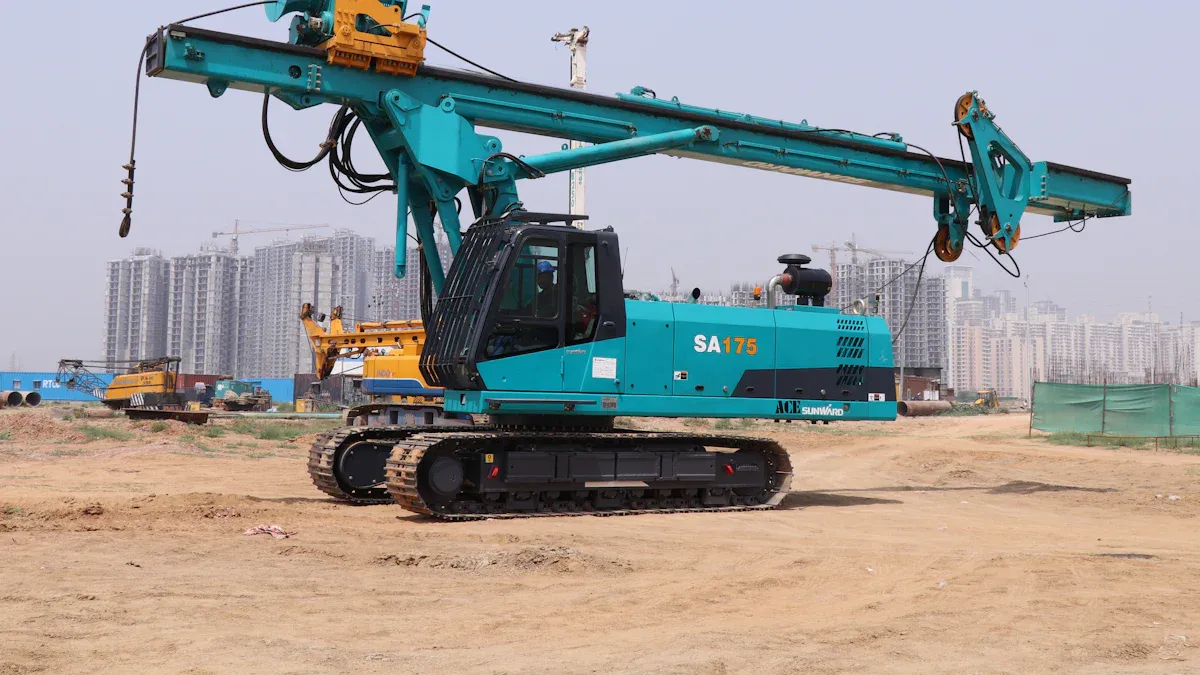
New drilling machines are coming in 2026. These big machines change underground work. They can do hard jobs. They have special "no-jam" tech. This makes them work better.
Leading Models and Their Specifications
Makers keep making new things. They make drilling tech better. Vermeer and Ditch Witch AT120 are top models. They work well in tough places. They have great power.
Vermeer made its Ultra X3 system better in 2025. It got new drill bits. The 2Thirty bit cuts hard rock. The Triple Threat bit steers better. Both bits connect fast. This makes the system better for 2026. Vermeer also made new small loaders. These have more power. They help many workers.
Here are some top models:
|
Model |
Thrust (lbs) |
Pullback (lbs) |
Rotational Torque (ft-lbs) |
|---|---|---|---|
|
250,000 |
250,000 |
45,000 |
|
|
Ditch Witch AT120 |
120,000 |
120,000 |
Inner: 15,500, Outer: 3,000 |
|
19,500 |
19,500 |
2,250 |
|
|
24,700 (max) |
24,700 (max) |
3,080 |
|
|
550,000 |
550,000 |
Low: 100,000, High: 38,000 |
These numbers show how strong they are. They show different machines for different jobs.
Comparative Analysis of Thrust, Pullback, and Rotational Torque
Thrust, pullback, and torque are key. They show what a drill can do. Thrust pushes the drill. Pullback pulls the pipe. Torque turns the drill bit. High numbers mean better drilling. They allow longer holes. They allow bigger pipes.
The Vermeer D550 has 550,000 lbs of thrust. It also has 550,000 lbs of pullback. This is good for huge projects. Its high torque cuts through dirt well. The Ditch Witch AT120 is strong for its size. It drills and steers at the same time. This helps in hard ground.
Comparing torque shows special strengths:
|
Model |
Maximum Rotational Torque |
|---|---|
|
43,900 ft·lb |
|
|
DD600 |
100,000 ft·lb |
|
DD1100RS |
100,000 ft·lb |
The Vermeer D23x30 S3 Navigator® has 3000 ft-lb of torque. Workers can pick the best machine. They match it to the ground. This makes drilling work best.
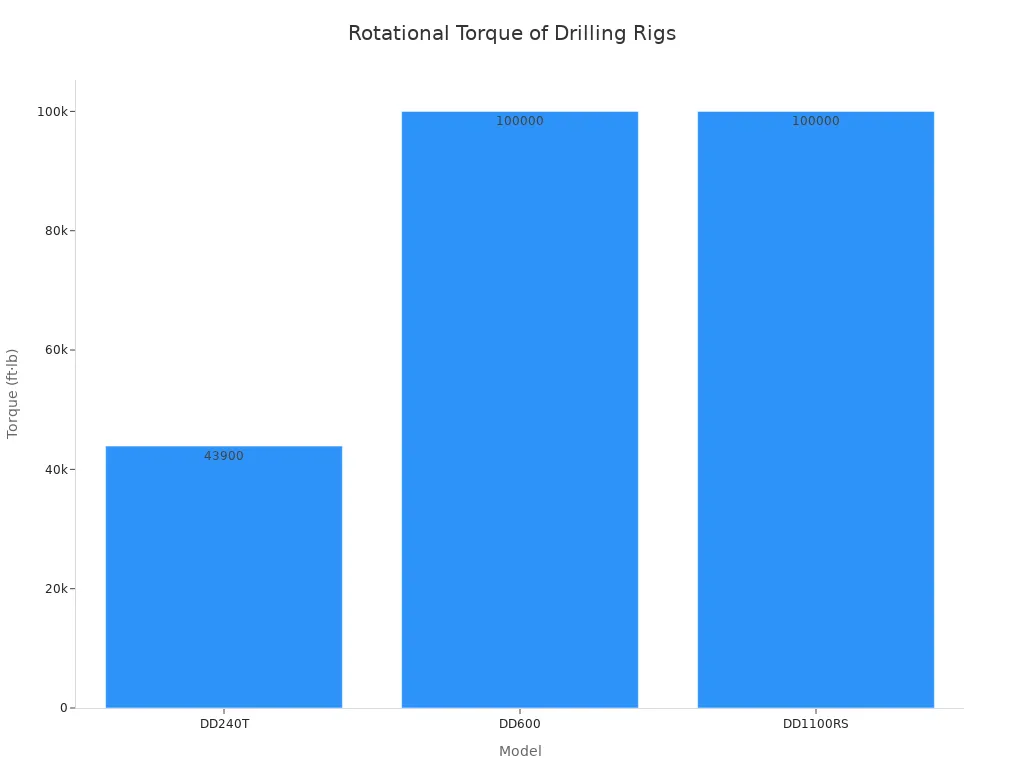
This chart shows different torque levels. It shows how drills are made for different jobs.
Record-Breaking Achievements in Horizontal Directional Drilling
These new machines help finish big projects. They set new records. These records show how good "no jam" tech is. They show its effect on drilling.
Some recent big jobs include:
-
Michels drilled 15,426 feet in North Dakota. This was for a 24-inch pipe. It was the longest HDD project.
-
A 4,027-meter pipe crossed the Ganga River. This was in India. It was the longest for a 26-inch pipe.
-
A 3,510-meter pipe crossed the Subansiri River. This was also in India.
-
Michels Canada did the Hidden Lake HDD. It was 3,540 meters long. This beat their old record.
-
In 2019, Michels set a world record. They drilled 4 km in North Dakota. They put in a 12-inch pipe. It took 40 hours.
These projects show what new drills can do. They show how much better drilling is now. Strong designs and "no-jam" systems make this possible.
Deep Dive: No-Jam Technologies for Optimal HDD Performance
Modern drilling jobs need to be exact. They must be reliable. New no-jam tech is now common. It makes drilling work best. These systems fix main problems. They stop the drill from going off course. They stop pipes from getting stuck. They stop tools from wearing out too fast. This makes drilling work better.
Precision Guidance and Stability Systems for Bore Accuracy
Straight drill paths are very important. They help trenchless jobs succeed. Good guidance systems stop expensive re-work. They prevent fines. They make sure drilling is always accurate. This is for roads, rivers, and pipes. These systems need less skill from workers. They use smart controls. These controls manage push, pull, turn, and feed. Strong frames stop shaking. This keeps the drill from moving off path.
Tracking systems record data. They give live updates. Steering tools have sensors. These tell workers the drill's angle. This helps guide the drill. A special drill bit can turn. The drill pipe slides without spinning. Survey tools also use sensors for angle. They use magnets or gyros for direction. These readings, with depth, find the hole's spot. Special math is used. This happens when new drill rods are added. Tracking systems check these spots. They use outside markers. A tracking device sends a signal. Sensors in the tool pick it up. This adds more check points. It makes things more accurate.
Smart planning tools also help. Ground radar finds pipes and blocks. It sees up to 15 feet deep. Map systems put all data together. This shows a full view of the drill area. Electric tools find metal pipes. GPS mapping makes exact maps. This maps the planned drill path. These new drill methods make things better. They cut pipe hits by up to 47%. This is when used right. CEGC offers very good accuracy. They have custom control kits. These fit different drill lengths. They fit different ground types. This makes drilling work great.
Anti-Stall Powertrain and Overload Protection for Stuck Pipe Prevention
Stuck pipes cost a lot to fix. They cause delays. Sudden turns break rods and tools. Hard ground slows down work. Anti-stall power and safety systems stop these issues. They keep drilling going. These systems have strong turning power. They have many speeds. Hydraulic sensors are key. They change flow and pressure. This is based on what is needed. This saves energy. It makes drill parts last longer. It stops too much force.
Electric sensors react fast. They show problems right away. This gives quick safety. A turning gear adjusts itself. It has smooth speed changes. It uses feedback for power. This changes the gear automatically. It stops problems when things don't match. Slow starts and stops reduce shocks. This protects rods, swivels, and tools. Smart clamps adjust pressure. This is based on the power limit. This makes clamps last longer. It makes drill pipes last longer. It makes tools last longer. Special "rock kits" are offered. These have better cooling. They have better filters. They have extra power. They are for hard ground. This makes the drill strong.
Tooling Compatibility and Durability Packages for Reduced Wear
High tool costs hurt project money. Fast tool wear costs more per foot. Wrong tools clean holes badly. This can make holes too small. It can cause pull-back risks. Changing tools often wastes time. New no-jam systems work with many tools. They have strong parts. These reduce wear.
Working with many reamer types is key. This includes blade, fluted, rock, and barrel reamers. Smooth power delivery reduces shaking. It stops uneven wear. Easy access helps with quick fixes. PDC Reamers are very tough. They have a diamond layer. This is on strong metal. This makes them last longer. They work in many soils. They work in hard rock. They work in packed clay. Their strong build stops shaking. This makes them last even longer.
Other special reamers exist. Fluted Reamers are strong. They have a solid shaft. They have robot-made grit. This makes them last longer. Mix Master™ HD Reamers have thick plates. They are very strong. They have open parts. This helps mix and flow fluid. Supreamer Reamers have an open design. They have big paddles for mixing. T-REX Reamers are tough. They have a special shape. They have big teeth. These cut hard. These custom tools are for certain ground. Custom rod size and tool parts match the ground. They match chosen tools. This makes drilling better.
Advanced Mud Integration and Fluid Management Solutions
Bad fluid makes turning harder. It makes pipes get stuck. Losing fluid causes problems. It causes clean-up. Bad mud makes holes unstable. Good mud systems are vital. They make mud flow well. They stop jams.
These systems help size pumps. This matches flow and pressure. It matches bore length and ground. Mud path and filter readiness are key. Mud rules mean mixing right. It means checking and fixing. Custom pump kits are offered. Better filters and cooling help.
Parts like shakers are important. King Cobra systems manage mud. Shaker Screens filter out solids. The MPowerD System has a pump. It has a choke. It has a gas separator. Mud Chillers keep mud cool. These systems keep mud right. They lower risks of fluid loss. This helps drilling work well. This full drill tech is a sign. It shows the best no-jam drill. It means new drill answers.
The Future of Horizontal Directional Drilling: Trends and Innovations in HDD Technology
The future of horizontal directional drilling looks good. New ideas are changing how jobs are done. These new ideas make work faster. They make it better. They also make drilling more sure.
Automation, Telematics, and Hybrid Rigs
Automation and telematics are key for the future. They make work easier. Machines will help workers more. They will find problems faster. This helps fix things quickly. Telematics systems track machines. They show where they are. They show how much work they do. They also check how long they run. Vermeer's D24 also has good checks. This helps workers fix problems. Automated Rod Exchange makes changing rods simple. Ditch Witch's VAM software connects pipes right. These changes make drilling better. Hybrid rigs also look very good.
"It’s very possible that the electrification and hybridization of HDD equipment could have a positive impact such as through environmental sustainability, cost-savings with fuel, reduced noise and vibrations and improved efficiency."
Hybrid-electric rigs use less fuel. They work well in far-off places. They make less noise. They shake less. This makes working more comfy. This is a big part of drilling's future.
AI Integration and Autonomous No-Jam Systems
AI is changing drilling's future. AI helps make smart choices fast. It turns data into helpful facts. This helps guess problems early. AI programs find patterns. They guess tool wear. This helps make changes on time. It stops work delays. AI also helps fix things before they break. It guesses when parts will fail. This keeps machines ready. AI and automation are key to hdd tech. They make drilling more exact. They make it safer. This is key for smart cities. It helps build future things.
Sustainability and Environmental Considerations
Being green is a big goal for the future. No-jam tech helps stop mud leaks. This helps the environment. Horizontal directional drilling is earth-friendly. It saves nature. It does not harm plants and animals much. It means fewer open ditches. This keeps homes safe for animals. It lowers dirt risk. HDD also cuts carbon. It finishes jobs faster. This uses less energy. Good safety stops accidents. This keeps nature safe. These green ways are key for future growth.
Material Science Advancements for Enhanced Durability
Material science makes things last longer. This is key for drilling's future. New pipe stuff, like strong steel, lasts longer. It is more trustworthy. This is vital for tough ground. Better drill bit stuff also makes bits stronger. PDC and CBN bits are super hard. They work longer. Modern drill pipes have special coats. These stop rust. This makes them last 30% longer. These new ideas make things wear less. They cut repair costs. This makes drilling work better. These new drill fixes are shaping the future.
The biggest horizontal directional drill no jam technology of 2026 is a big step. It makes drilling much better. These new ideas make drilling work well. They make it safe. This is good for hard drilling jobs. It fixes problems in city building. These new drilling ideas change how we put in pipes. They make drilling better for the future. They help build strong city systems. These drilling fixes are key. They help with future drilling jobs. They help build cities.
FAQ
What is no-jam technology in horizontal directional drilling?
No-jam tech uses smart systems. These systems stop drill problems. They stop stuck pipes. They stop drills from going off course. This makes drilling work well.
How does no-jam technology prevent stuck pipes?
It uses strong engines. It has safety systems. These control power. They control pressure. They stop hard jolts. This keeps tools safe.
What are the main benefits of using no-jam HDD rigs?
No-jam drills work better. They are more reliable. They cut down on stops. They save money. They are safer. They help the environment. This helps finish jobs well.


