
Choosing the right reamer is crucial for any horizontal directional drilling machine operation. This vital decision directly impacts the efficiency and cost-effectiveness of your project. A well-selected reamer, especially from an HDD Rig Supplier Anti Stick Prevents Costly Delays, is key to preventing expensive sticking and avoiding project delays. It ensures your horizontal directional drilling machine operates smoothly and effectively. At CEGC, we understand that the right reamer makes all the difference in achieving successful directional drilling. This strategic choice not only saves money but also enhances the overall success of your horizontal directional drilling project.
Key Takeaways
-
Choosing the right reamer is very important. It stops costly delays and equipment damage in drilling projects.
-
Match your reamer to the ground type. Also, pick the right size. This helps prevent problems like stuck pipes.
-
Good fluid management is key. It stops issues like low pressure and frac-outs. This keeps your drilling smooth.
The High Cost of Reamer Missteps
Bore Deviation and Instability Risks
Bad reamer choices cause big problems. Your bores might go off-line. They might also go off-grade. This means expensive fixes. You could also get penalties. Road, rail, and river crossings need accuracy. Utility crossings also need accuracy. Your results depend on the operator. Many things cause bore deviation. Small setup mistakes can cause it. A shaky drill rig can too. Layered rocks are a problem. They have soft and hard parts. Worn drill strings cause issues. Wrong bit design can too. Badly placed stabilizers cause problems. Operator mistakes also lead to them. These show why choosing a reamer is key.
Equipment Damage and Wear
Wrong reamer choices hurt your gear. Stuck pipes cost money to fix. They also waste time. Torque spikes can break rods. They can also break threads. Other tools can break too. Hard ground slows you down. Mixed ground slows you down. Fast reamer wear costs more. Cutter wear costs more too. You might get bad bore surfaces. This comes from wrong RPM. It also comes from the wrong reamer. Reamers get dull. They can also chip. This happens without checks. A worn reamer makes bad holes. Too much feed rate does too. Chip build-up blocks the tool. It stops good cutting. Overheating can break tools. These show why reamer choice is vital.
Project Delays and Financial Overruns
Reamer mistakes cause delays. They also cost too much money. Wrong tools clean holes poorly. They make bores too small. They risk pullback. Frequent tool changes waste time. All these slow your project. They make operations cost more. A good hdd rig supplier anti stick helps. It stops costly delays. This keeps your project on track. It also keeps it on budget. Picking the right reamer is key. It avoids these expensive problems.
Strategic Reamer Selection for Anti-Stick Performance
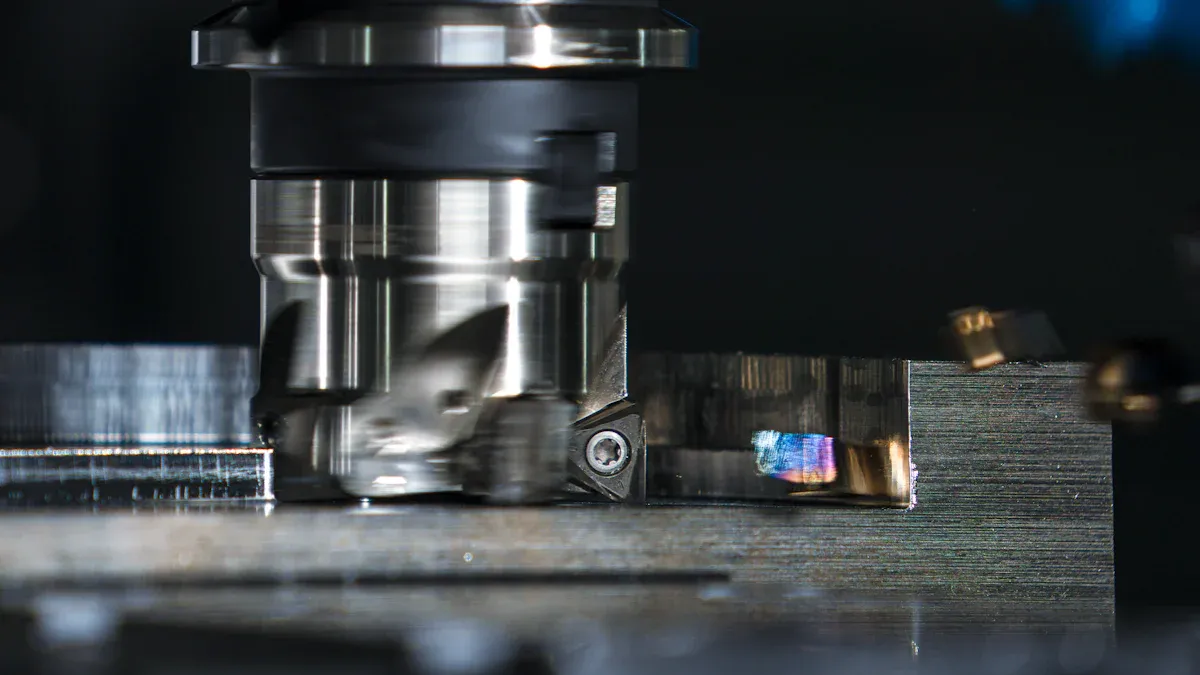
You must pick the right reamer. It is for your horizontal directional drilling project. This choice depends on many things. You need to check the ground. You also need to think about your rig's power. Picking the right reamer helps. It stops costly delays. It makes your work better.
Ground Conditions and Reamer Type Matching
You pick your reamer. It is based on the ground you drill. Different ground needs different reamers. For example, sticky clays cause issues. They can make the reamer ball up.
Paddle reamers work for sticky clays. Their open design stops balling.
This open design helps the reamer. It moves through the clay. For hard rock, you need another reamer. PDC (Polycrystalline Diamond Compact) and TCI (Tungsten Carbide Insert) cutters work well. They are good in hard rock.
-
PDC Bits: These bits drill fast. They also wear slowly. This is true in frozen gravel and rock. Their diamond structure stays sharp. It also lasts long. They can drill 30% faster. This is more than old bits.
-
TCI Bits: These bits work well. But, they drill a bit slower than PDC bits. Their carbide inserts are strong. They can wear faster in icy ground. Their crushing action is not as good. This is in hard, frozen ground.
You can compare these two reamers:
|
Feature |
PDC (Polycrystalline Diamond Compact) Bits |
TCI (Tungsten Carbide Insert) Bits |
|---|---|---|
|
Drilling Mechanism |
Shearing (fixed cutters scrape rock continuously) |
Crushing & Gouging (rotating cones with inserts crush rock) |
|
Ideal Rock Type |
Susceptible to impact damage in hard or broken rock; generally for soft to medium-hard formations |
Very hard, abrasive, or interbedded formations |
|
Key Advantage |
High Rate of Penetration (ROP) in optimal conditions |
High durability and reliability in unpredictable or impactful conditions |
|
Primary Limitation |
Susceptible to impact damage in hard or broken rock |
Slower ROP; has moving parts that can fail (bearings) |
|
Common Failure Mode |
Abrasive wear, chipping, or delamination of cutters |
Worn/broken inserts, or bearing failure leading to locked cones |
When you pick a reamer, think about its shape.
-
Cutter Geometry: Domed or cone shapes are strong. They resist hits well. This makes them good for hard ground. Flat cutters are more aggressive. But, they break easier from hits.
-
Diamond Grit Size: Coarse grit in PDC cutters means bigger diamonds. This makes a tougher reamer. It resists chips and hits. This is key for drilling uneven ground.
You often ream many times. This helps get the right bore size. The right reamer makes this easy. It helps your directional drilling machine work best.
Optimal Reamer Sizing and Rig Capacity
You need to size your reamer right. A good rule is the "1.5x rule." Your reamer should be big. It should be 1.5 times the widest pipe pack. Or, it should be 50% bigger. This is than the pipe's outer size. This rule stops costly delays. It makes sure there is enough space. It also lets mud flow well. For example, for a 12-inch pipe, your reamer should be 18 inches. This correct reamer choice is very important.
Advanced Anti-Stall and Durability Features
New horizontal directional drilling machines have features. They stop problems. CEGC has "Anti-Stall Powertrain & Overload Protection." This system stops stuck pipe. It also stops torque spikes. This means less downtime. It is for your horizontal directional drilling machine.
-
The spinning system has protection. It stops impact overload.
-
This system makes your work safer. It also lowers failure chances.
Good hydraulic systems make your drill rig safer. They have overload protection. They also have pressure relief. They control fluid flow well. This lets your drill rig work. It works even in tough spots. For example, the XCMG XZ3600 uses digital torque. It also has push-pull overload protection. This makes the device faster. It stops sudden overloads. This keeps your equipment safe.
CEGC also has a "Tooling Compatibility & Durability Package." This package lowers part costs. It also lowers tool wear. It gives smoother torque. This makes upkeep easier. It is for your Trenchless Drilling Rig. Many features make reamers strong.
-
They have a strong shaft design.
-
They use heat-treated steel.
-
They have carbide mesh grit.
-
They use rotary or shark teeth.
-
They have thick plates.
-
They have open parts for fluid flow.
-
Rotary teeth are in a spiral.
-
Fluid ports spread fluid evenly.
-
They have a steep, tapered back.
-
They use high-alloy steel.
Other features also make them strong.
-
Carbide cutter options are there.
-
Carbide tipped shark teeth are strong.
-
Bi-directional cutters work both ways.
-
Spiral patterns help cut.
-
Tapered packing sections are useful.
-
Internal baffles make flow better.
-
Bi-directional cutter blocks are tough.
Some reamers are open-bodied. They have big paddles. They also have big carbide shark teeth. These teeth face front and back. They use strong, high-alloy steel. They have a steep, tapered back. They also have tough carbide mesh grit. These features make a reamer last. This helps an hdd rig supplier anti stick prevents costly delays.
Fluid Management for Preventing Stuck Pipe
Mud and fluid control are very important. They stop low flow or pressure. They also stop frac-out risks. This is in horizontal directional drilling hdd work.
As the pipe gets bigger, you need more drilling fluids. This means more or bigger pumps. You also need more mud cleaning and storage. Right pump size is key. It handles more fluid for bigger pipes. This stops low flow or pressure.
You must figure out fluid amounts and pressures. This stops slurry problems. Knowing fluid needs is vital. A heavy slurry can raise downhole pressures. Drilling fluid traits, like thickness, affect downhole pressure. They also affect how much fluid you need. Thicker fluid needs higher pump pressure. This raises downhole pressure. Pumping fresh fluid keeps solids low. This makes slurry flow. If slurry does not flow, you lose circulation. This leads to higher borehole pressure. This can cause breaks, stuck pipes, or frac-outs. Managing fluid traits and amounts stops low flow and pressure.
Here is how to figure out soil volume and fluid needs:
-
To find soil volume per foot: (bit or reamer size in inches)² ÷ 24.5 = gallons of soil per foot.
-
For a 5-inch bit: 5² ÷ 24.5 = 1.02 gallons/foot.
-
For a 10-inch barrel reamer: 10² ÷ 24.5 = 4.08 gallons/foot.
-
To make slurry flow, you need 2 to 3 parts fluid. This is for 1 part soil in sand. In clay, you need up to 5 parts fluid.
-
For a 10-inch barrel reamer in sand, you need 8.16 gallons/foot. This is drilling fluid (4.08 gal/ft soil * 2:1 ratio).
Being ready for filtration is also key. It helps avoid frac-out risks.
-
Check your water's pH. It should be 8 to 9. If lower, add soda ash.
-
Add powdered stuff like bentonite to the hopper. Add liquid stuff right to the tank.
-
Use a bag cutter for powders. Make sure it mixes well.
-
Let bentonite mix for 10 minutes. It needs to break up and soak.
-
If you add polymer, wait. Wait until bentonite is mixed. This stops clumps.
-
Add PAC polymer before PHPA. Add dry polymers before liquid ones.
-
Finally, check thickness. Use a marsh funnel. Aim for 45 to 60 seconds. Adjust with water if too thick. Add more stuff if too thin.
Drilling fluid additives are very important. They give good filtration and hold things up. This helps you do longer and bigger bores. Without these, you risk frac-outs. You also risk ground heaving and pullback failures.
You now know. Picking the right reamer is very important. It stops expensive delays. It also prevents damage. Think about the ground. Think about how the reamer cuts. Pick the right reamer size. This smart choice helps. It uses special features from a CEGC machine. It stops sticking. It stops extra costs. This saves money. It makes your project a success. It shows an HDD rig supplier anti stick prevents costly delays.
FAQ
What is a barrel reamer?
A barrel reamer cleans and enlarges boreholes. This barrel reamer helps manage drilling fluids. Use a barrel reamer for efficient operations.
Why is a barrel reamer important for your project?
A barrel reamer ensures correct hole size. This barrel reamer prevents pipe from sticking. Use a barrel reamer to reduce delays. This barrel reamer improves fluid flow.
How do you choose the right barrel reamer?
Match your barrel reamer to ground conditions. Consider your rig's power. A barrel reamer should be 1.5 times the pipe size.


