
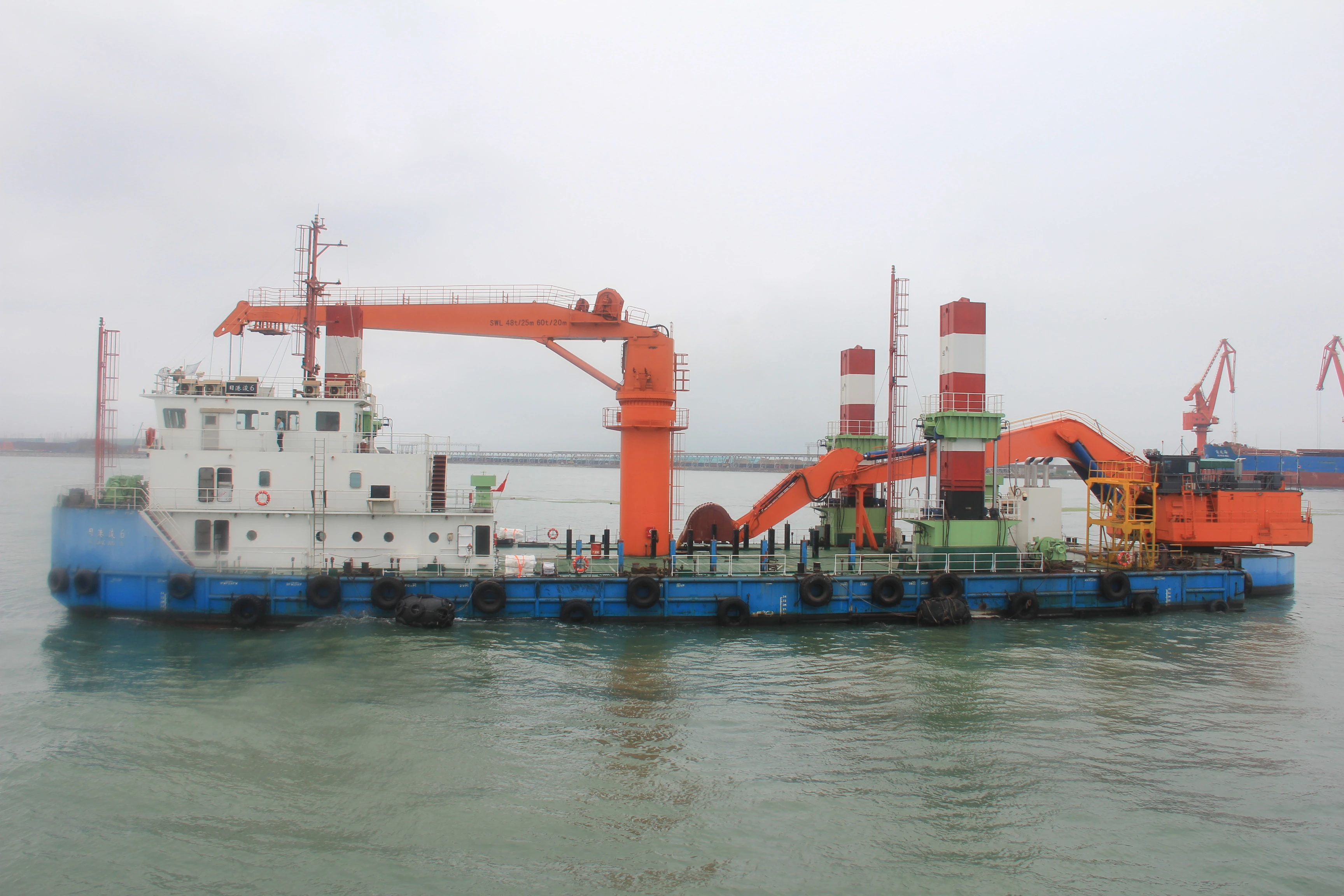
Crane blind spots can be very dangerous during port work.
-
Accidents often happen when operators cannot see loads or people.
-
These dangers can cause big costs and tough rules to follow.
-
You need to act fast to keep your team safe and follow the rules.
Blind-spot sensing on a port crane cuts near misses and helps stop close calls. You get better visibility with new crane safety system features, like tower crane camera systems. CEGC provides solutions that fit every port:
|
Feature |
Benefit |
|---|---|
|
Anti-sway technology |
Lessens load sway, lowering crash risks |
|
Real-time monitoring |
Helps operators know what is happening |
|
Predictive maintenance |
Stops equipment from breaking, keeps safety |
Key Takeaways
-
Crane blind spots can cause bad accidents. Use blind-spot detection systems to help people see better and lower risks.
-
Using camera systems makes things safer. Cameras give a 360° view around the crane. This helps operators spot hidden dangers and stop accidents.
-
Training operators often is very important. It makes sure workers know how to use safety tools well and act fast when there are alerts.
Crane blind spots and accident origins
Where crane blind spots occur
Crane blind spots happen a lot when you use big machines. These machines are large and have many parts that block your view. You cannot always see under the load or at the corners. Sometimes, you cannot see workers on the ground. Bad lighting and weather make it harder to see.
Blind spots are common in busy places like ports and warehouses. When you use tall cranes, it is hard to see everything. Trucks, forklifts, and people work near you. This makes accidents more likely. Even if you are skilled, you can miss things if you only use your eyes.
-
Operators have trouble seeing in:
-
Construction sites
-
Manufacturing plants
-
Warehouses
-
Logistics centers
-
Shipping ports
-
-
RTGs and other big cranes have blind spots because of:
-
Their size and height
-
Sharing space with vehicles and people
-
Camera systems help you see more right away. These systems help you notice dangers and avoid accidents.
How blind spots cause accidents
Crane blind spots can cause bad accidents. If you cannot see the load or the area, you might hit something. You could drop a container or swing it the wrong way. If you do not see well, you might miss a person or a vehicle. This can hurt someone or even cause death.
Sometimes, a container handler moves a load but cannot see the ground crew. The load swings, and the operator tries to fix it. The blind spot hides a worker, and a crash happens. In another case, a ship crane operator cannot see the end of the spreader. The container hits a stack, and it is almost an accident. These real events show how fast blind spots can cause trouble.
-
Seeing the load well stops it from swaying.
-
Good signals between you and the helper lower the chance of crashes.
-
Better views help you move loads safely and stop accidents.
CEGC’s anti-sway system keeps the load steady, even with blind spots. The system uses live monitoring and smart controls to cut down on sway. You get clear alarms and updates, so you can act fast and avoid errors.
Blind-spot detection and risk factors
You need to know what makes crane blind spots risky. Not seeing well hides people and things. Bad signals with ground staff can cause mistakes. These risks grow in busy or fast places.
|
Risk Factor |
Description |
|---|---|
|
Your view is blocked by crane parts and loads, creating blind spots that hide obstacles. |
|
|
Unclear communication |
Poor signals or instructions can cause unsafe moves and raise the risk of collisions. |
Blind-spot detection systems help you handle these dangers. They use cameras and sensors to show you hidden spots. These systems make blind spots safer by lowering the chance of crashes and dropped loads. They also help ground staff stay safe and make talking easier.
|
Benefit |
Description |
|---|---|
|
Collision Reduction |
You lower the risk of accidents by seeing more in crane blind spots. |
|
Ground Staff Safety |
Ground staff can see moving loads and avoid danger, improving blind spot safety for everyone. |
|
Communication |
Better lighting and camera views help you and your spotter work together safely. |
CEGC’s anti-sway and blind-spot systems work together to keep you safe. The anti-sway system cuts down on load movement, which helps when you cannot see well. Live monitoring gives you steady updates, so you do not have to guess. The system can spot small changes, even in busy areas, making blind spots less risky.
You can trust CEGC’s safety features and custom options for your port. With the right tools, you can stop accidents, make blind spots safer, and protect your team every day.
Blind-spot sensing on a port crane cuts near misses
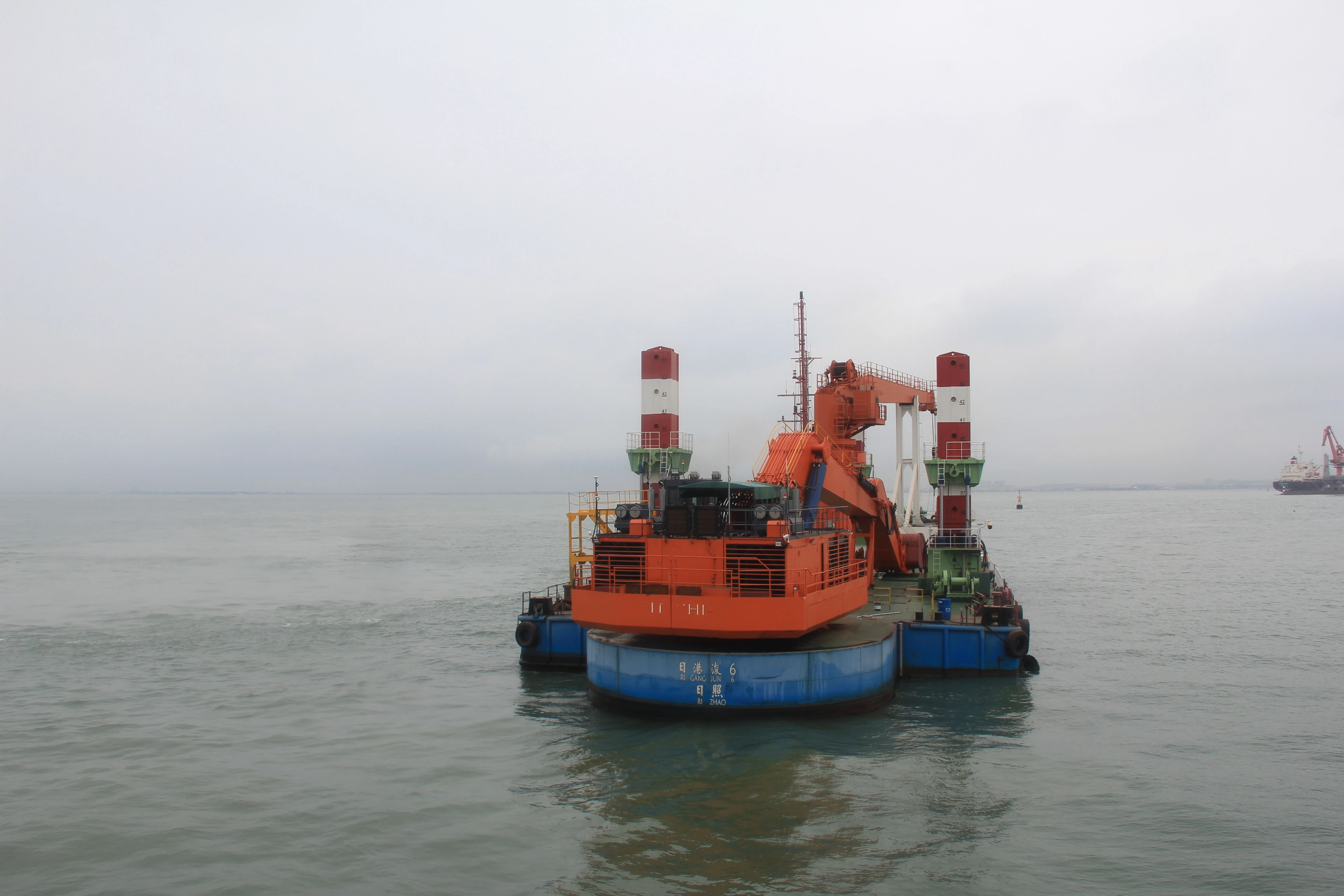
Tower crane camera system for visibility
You need to see clearly to keep your port safe. The tower crane camera system lets you see every corner and blind spot. With a camera, you can watch what happens behind the crane and under the load. This helps you find dangers before they turn into accidents. The camera works well even when it is dark, so you can use it early in the morning or late in the day. You always know what is happening around your crane because you get live video.
The tower crane camera system uses smart sensors to show you everything. Six HD cameras give you a full 360° view. You can see the whole area without missing anything. The camera has AI pedestrian detection. This feature finds people and vehicles in danger zones and gives you alerts right away. The camera can zoom in 30 times, so you can check the hook and load closely. You can zoom with your foot, a joystick, or a touchscreen. The camera follows international safety rules, so you meet the latest standards.
|
Benefit |
Description |
|---|---|
|
Crane cameras let operators see behind the crane, making accidents less likely. |
|
|
Enhances Visibility |
Cameras help operators see the ground better, so they know what is happening. |
|
Operates in Low Light Conditions |
Cameras work well at dawn and dusk, giving bright pictures for better vision. |
|
Feature |
Description |
|---|---|
|
Six wide-angle HD cameras give a bird’s-eye view with no blind spots. |
|
|
AI Pedestrian/Vehicle Detection |
Finds people and vehicles in danger zones and sounds alarms. |
|
DMS (Driver Monitoring System) |
Checks if the operator is tired or distracted and warns them right away. |
|
1080P AI Wireless Zoom Camera |
Has a 30x zoom camera for close control of the hook and load. |
|
Flexible Zoom Control |
Lets you zoom with your foot, a joystick, or a touchscreen for clear images. |
|
Regulatory Compliance |
Meets world safety rules, making work safer and lowering accident rates. |
You can trust the tower crane camera system to help you watch for danger and stop accidents. When you see more, you avoid more risks. Blind-spot sensing on a port crane helps stop close calls every day.
Real-time blind-spot detection solutions
Blind-spot sensing on a port crane helps stop close calls by using sensors and smart AI. These systems watch every angle and send alerts if something enters a danger zone. You get safety checks all the time, not just when you look. The camera and sensors work together to find people, vehicles, or things. This means you can stop the crane before something bad happens.
Many ports use smart systems like Proxicam and STONKAM. These systems use AI and radar to cover every blind spot. The camera gives you a bird’s-eye view, and sensors add more safety. Some systems use special thermal cameras, so you can see in fog or darkness. The camera and sensors send alerts to you and your team right away. This helps you act fast and avoid accidents.
-
Proxicam uses AI to help stop crashes and watch for danger.
-
STONKAM uses a 360° camera and radar to remove blind spots.
-
AI finds people and vehicles and sends alerts to operators.
-
Thermal cameras help you see in low light and bad weather.
AI-powered systems make blind-spot sensing on a port crane stop close calls. The AI looks at data from every camera and sensor. It makes choices right away and stops the crane if there is a risk. AI finds unsafe moves and warns you quickly. The system changes to match wind, load, or other dangers. You get safety alerts, so you never miss a threat.
|
Contribution Type |
Description |
|---|---|
|
Enhanced precision |
Algorithms use lots of data from sensors and cameras to make quick choices about crane moves and loads. |
|
Improved safety |
AI looks at old data to guess risks and stop accidents before they happen. |
|
Real-time decision making |
AI uses live data to make choices and stop work if there is too much weight. |
Blind-spot sensing on a port crane helps you find risks and avoid crashes. This keeps your team and equipment safe.
Operator training and safety interlocks
Operator training is very important for safe crane work. You must learn how to use the tower crane camera system and sensors. Training teaches you how to set up safety lights and see how they help with blind spots. You learn to find dangers at your site and pay attention to what is happening. After training, you know how to use every safety tool.
-
Operator training shows you how to use safety lights and cameras.
-
Training helps you find and fix blind spots.
-
You learn to follow safety steps and answer alerts right away.
Crane accidents often happen when operators do not use tools the right way. Training makes sure you know how to work safely and quickly. There are more jobs for skilled operators every year. Training helps you follow safety rules and keep your port working well.
Safety interlocks give you more protection. These systems make sure the crane only moves when it is safe. Multi-layer safety interlocks use sensors, cameras, and AI to watch every area. If someone goes into a danger zone, the system stops the crane and sends alerts to you, ground staff, and bosses. This keeps everyone safe.
-
AI-powered systems watch blind spots and warn you about danger.
-
Safety interlocks stop the crane if a danger zone is not clear.
-
Alert systems tell everyone about risks right away.
CEGC’s safety packages have anti-sway control, safety interlocks, and clear alarms. These features keep loads steady and stop crashes or overloads. The operator HMI gives you clear updates and alarms, so you can act fast. Blind-spot sensing on a port crane helps stop close calls by making safety easy and strong.
You also need to follow best safety steps. Use crash prevention systems with radar, lidar, and sensors. Use safety checks with smart maintenance to keep your tools working well. Digital systems help you find mistakes and plan repairs before problems start. This keeps your port safe and running well.
Rules now say you must have blind-spot detection in many places. European rules make these systems a must in new cranes and vehicles. You must check safety often and use many controls to stop slips, trips, and falls. Blind-spot sensing on a port crane helps stop close calls and helps you follow every safety rule.
Tip: Always check your camera, sensors, and safety interlocks before you start work. Good habits and training keep your team safe.
When you use blind-spot detection and tower crane cameras, safety gets better. Training operators and using new technology makes safety even stronger. This way, both safety and how well you work can improve:
|
Training and Technology |
How It Improves Safety |
|---|---|
|
You learn more about safety |
|
|
Immediate Feedback |
You get better at safe actions |
|
Cost Reductions |
You spend less on safety problems |
|
Efficiency Gains |
You keep safety high while working faster |
Look at your safety plan now. Use the best tools and systems to make every port crane job safer.
FAQ
What is a crane blind spot?
A crane blind spot is a place you cannot see from the operator’s seat. Blind spots can hide people, vehicles, or things. This makes accidents more likely.
How do camera systems help reduce accidents?
-
Camera systems show you live video.
-
You can see hidden spots and act quickly.
-
Alerts tell you about danger before an accident happens.
Can you customize CEGC’s safety solutions for your port?
|
Option |
Benefit |
|---|---|
|
Anti-sway |
Loads move less |
|
Camera system |
You see better |
|
Safety interlocks |
Extra protection |


