
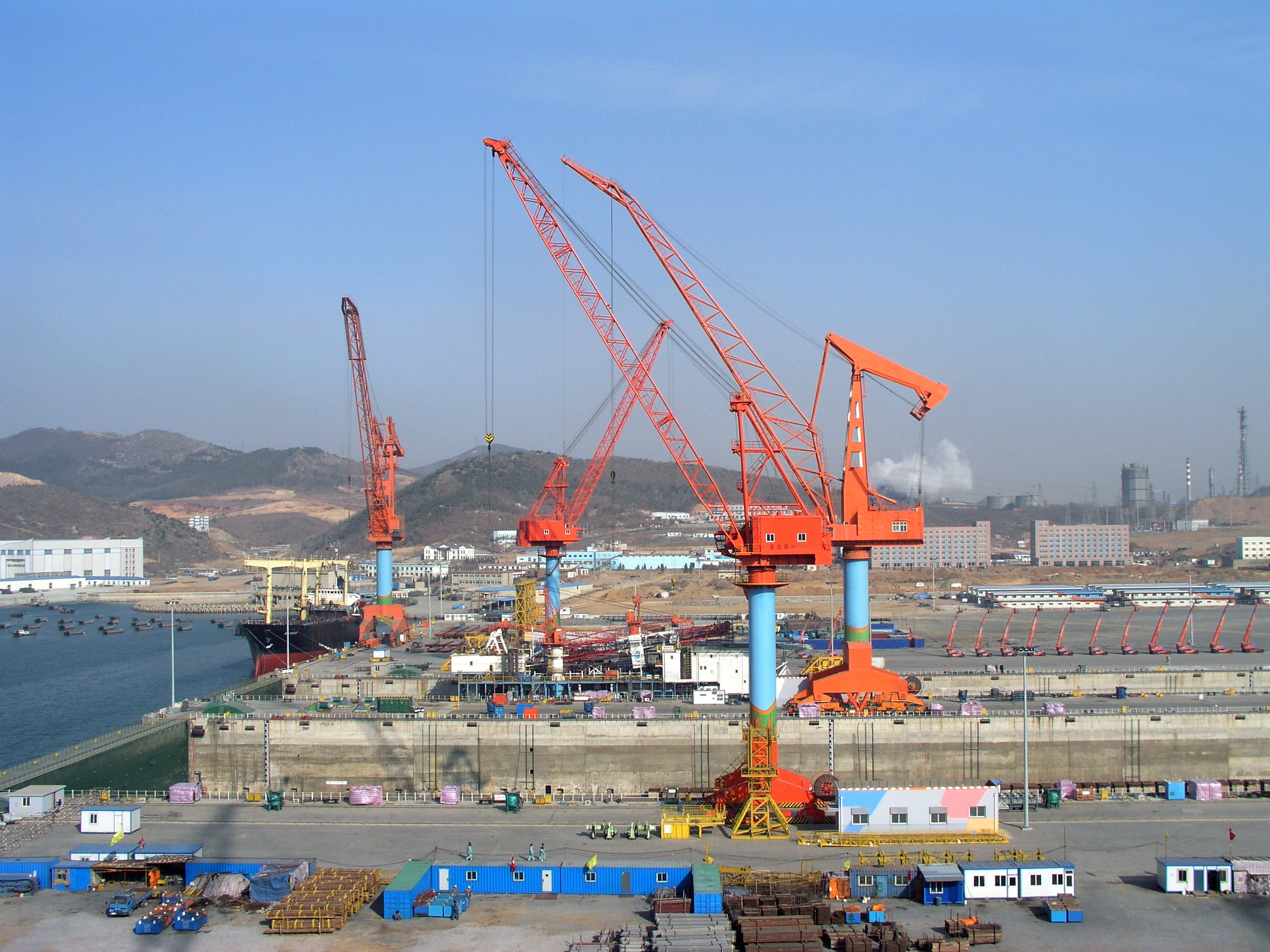
Predictive alerts can raise container crane throughput, enabling them to work faster. With early fault detection, ships spend less time in port, and cranes are utilized more frequently. Predictive alerts enhance the efficiency of container cranes by minimizing downtime and facilitating better maintenance practices. Additionally, AI-driven scheduling optimizes operations, ensuring that container cranes operate at peak performance. CEGC provides advanced container handling equipment that leverages these predictive alerts to improve efficiency. This capability is crucial for port authorities and terminal operators looking to maximize productivity.
Key Takeaways
-
Predictive alerts find equipment problems early. This helps fix them on time and cuts downtime.
-
AI-driven maintenance makes crane work better. It increases safety and lowers costs too.
-
Using real-time data with predictive analytics helps make better decisions. This also improves how containers are handled.
Predictive Alerts in Container Crane Operations
What Are Predictive Alerts?
You use predictive alerts to help your container crane and portal crane work well. These alerts use ai and data to stop equipment from breaking down. When a quay crane gets close to needing repairs, predictive alerts tell you. This way, you can fix things before the crane stops working. If a crane motor might get too hot, predictive maintenance lets you move jobs around. This makes everything run better. Predictive alerts also help cranes work more and sit still less.
-
Using predictive maintenance stops sudden breakdowns.
-
Predictive alerts show when repairs are needed, so cranes don’t stop working.
-
Predictive maintenance moves jobs based on data, making things smoother.
-
Predictive maintenance helps cranes work more and wait less.
How Predictive Alerts Work with CEGC Equipment
CEGC puts ai-driven predictive maintenance in port machines and container handling tools. Smart tools check your cranes’ parts, using sensors to find old parts like bearings. Real-time systems give you updates right away. This helps you control load sway and avoid crashes. You get safer and better crane work. Data-driven predictive maintenance helps you fix problems before they get expensive. Artificial intelligence looks at data to make repair plans and help cranes work better.
Integration with Terminal Systems
You can link predictive alerts with terminal systems for smooth work. Real-time data matches worker info with what is needed. Predictive analytics uses machine learning to look at data, guess problems, and suggest changes. Watching things all the time makes cranes work better and more often. Data source integration links systems like TOS and sensors for good testing and predictions.
|
Description |
|
|---|---|
|
Real-time Data Integration |
Matches worker info with what is needed, helping decisions. |
|
Predictive Analytics |
Uses machine learning to look at data, guess problems, and suggest changes. |
|
Continuous Monitoring |
Checks equipment and work all the time, making things better and more reliable. |
|
Data Source Integration |
Links systems for good testing and predictions. |
Predictive maintenance lets you plan repairs on time, use equipment better, and cut down waiting. AI runs tests to help stop traffic jams and wasted time. You get more work done, spend less money, and make your terminal work better.
How Predictive Alerts Can Raise Container Crane Throughput
Early Issue Detection and Downtime Reduction
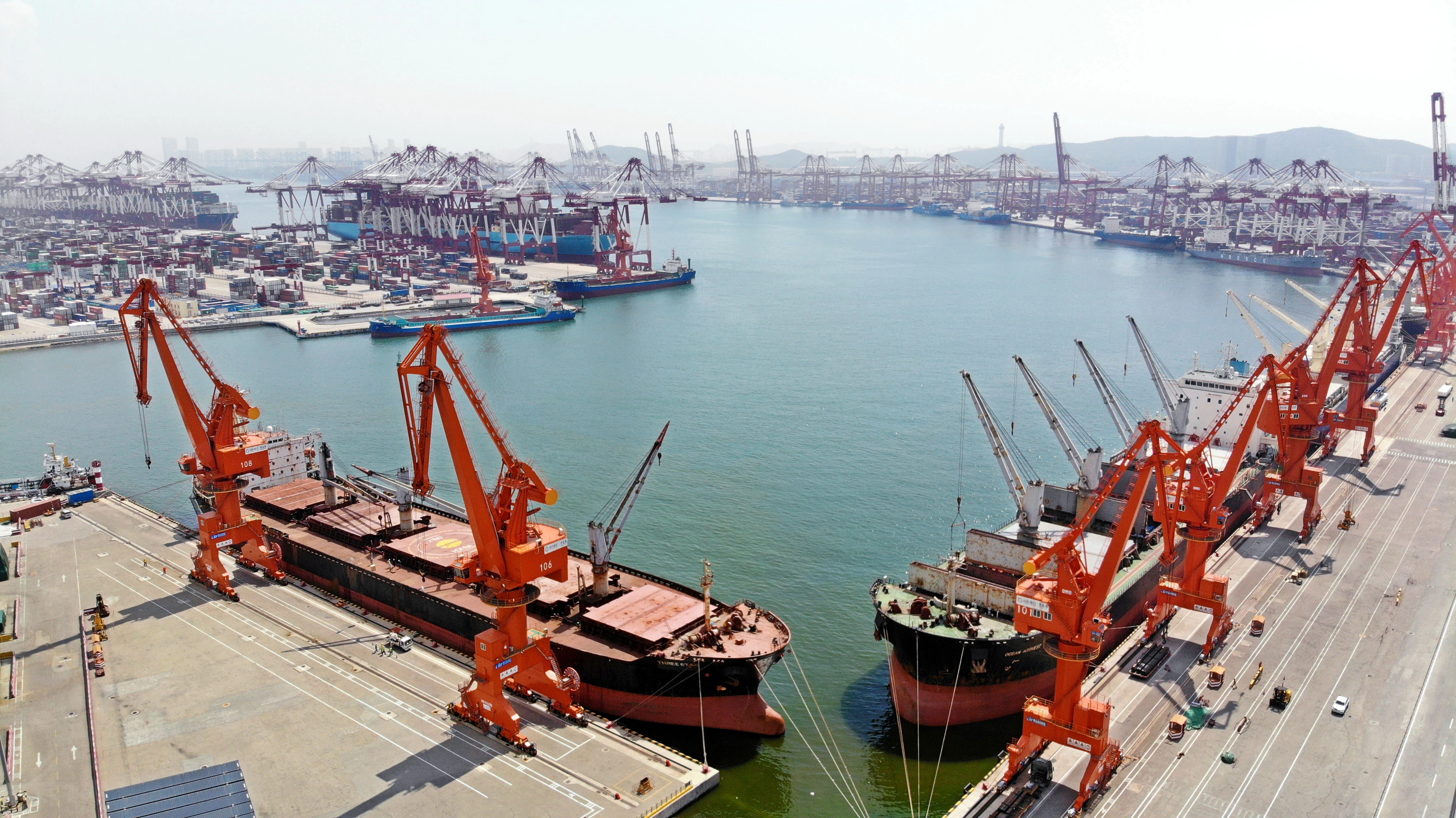
Predictive alerts help you find problems before cranes stop working. Sensors and ai-driven systems watch your equipment all the time. They collect data like temperature, vibration, and electric signals. If something strange happens, you get a warning. You can fix the problem before it causes downtime. This keeps cranes ready and helps them work better.
-
Predictive maintenance keeps cranes ready and improves how often they work.
-
Using predictive maintenance means less downtime and safer, better work.
-
AI-powered predictive maintenance can cut downtime by half.
-
Predictive maintenance uses data to guess when things might break, so you can fix them early and keep cranes reliable.
You can see how predictive alerts help your terminal in the table below:
|
Evidence Type |
Description |
|---|---|
|
Predictive Traffic Flow |
Predicts truck arrivals to allocate resources, reducing waiting times. |
|
Automated Alerts |
Signals potential congestion and workflow delays, enabling timely action. |
|
Impact on Throughput |
Enhances truck processing speed and container movement, increasing terminal efficiency and customer satisfaction. |
When people and machines work together, they spot problems more than 90% of the time. Predictive maintenance helps cranes move more and wait less. If a crane motor gets too hot, you can fix it fast. This keeps cranes moving and throughput high.
Maintenance Optimization and Energy Efficiency
AI-driven predictive maintenance helps you plan repairs and keep cranes running. Live sensor data and machine learning help you know when things might break. IoT sensors collect data from your cranes and other machines. This data shows early signs of wear or trouble. You can act quickly and avoid downtime.
-
Sensors collect data all the time to check equipment health.
-
Data is processed fast so you can act quickly.
-
Machine learning predicts when parts will wear out, so you can plan repairs.
IoT sensors let you watch cranes all the time. This helps you find problems early and keep cranes working longer. You have less downtime and use less energy. Artificial intelligence helps you save energy by changing how cranes work in real time. You can use special drives and systems to save even more energy.
You also save money over time. Predictive maintenance costs less than fixing things after they break. You have less downtime and cranes last longer. You can predict failures most of the time. These changes help your terminal stay busy and productive.
Operator Support and Safety Enhancements
Predictive alerts help operators and make crane work safer. AI-driven maintenance gives clear warnings and updates. Operators see alerts about brakes, heat, overloads, and emergency stops. Pareto analysis helps you know which safety issues are most important.
|
Safety Metric |
Improvement Description |
|---|---|
|
Safety-related occurrences |
Alerts for brake service life, over-temperatures, attempted overloads, and emergency stops are automatically sent to personnel. |
|
Critical alerts and faults |
Pareto analysis helps prioritize safety issues, enhancing response and maintenance efforts. |
|
Operating statistics |
Monitoring of load spectrum, hoist jogging, overloads, emergency stops, work cycles, and running hours improves operational safety. |
Workers do not have to do as much heavy lifting, so they are safer. Predictive alerts keep workers away from dangerous equipment. Remote control and digital monitoring let people work from a safe place.
Technical solutions like condition monitoring and anti-sway control help you use cranes safely. Advanced warning systems give alarms and messages when something is wrong. You can see some of these solutions in the table below:
|
Technical Solution |
Description |
|---|---|
|
Condition Monitoring |
Integrated diagnostics continuously monitor system performance, identifying issues before failures. |
|
Anti-sway Control |
Load sway control algorithms reduce oscillation during crane movement, improving positioning accuracy and reducing cycle times. |
|
Advanced Warning Systems |
Alert operators and personnel about crane operations through alarms and notifications triggered by movement or load conditions. |
|
Falling Load Detection |
Detects unexpected load drops and alerts the operator when there is a discrepancy in motor direction. |
|
Overload Detection |
Halts operation and alerts the operator when a load exceeds the crane's capacity. |
|
Digital Monitoring |
Continuously collects data on various parameters, allowing for predictive maintenance and alerts before component failures. |
You can change predictive alert systems for different crane types. CEGC has options for container cranes, portal cranes, reach stackers, and more. You can adjust hook height, lifting parts, and add safety features. Preventive maintenance and real-time predictive maintenance help you avoid breakdowns and plan repairs.
|
Customization Aspect |
Description |
Impact on Efficiency |
|---|---|---|
|
Hook Height |
Adjusts lifting height for precision. |
Enhances accuracy in lifting operations. |
|
Lifting Mechanisms |
Options for hoists affect speed and capacity. |
Influences lifting speed and load capacity. |
|
Additional Features |
Includes controls and safety upgrades. |
Improves usability and safety of cranes. |
|
Configuration Choices |
Options for crane structure. |
Optimizes lifting capabilities and cost efficiency. |
You can connect predictive alerts with safety locks and workflow automation. Safety steps check locks, sensor ratings, and emergency stops. Predictive alarms start maintenance jobs but do not skip safety rules. Dock workers learn about new alarms and how to respond. Special tags and logs keep sensors working right.
With ai, data, and predictive maintenance, you move more containers, have less downtime, and make your terminal safer and more productive.
Implementation and Measurable Results
Real-World Examples and Case Studies
You can see how predictive maintenance and ai change ports. Many ports use ai to help cranes work longer. One port used crane ai for quay crane and yard equipment checks. This made berth planning easier and kept cranes ready for ships. Another port used ai for maritime maintenance and got a 150% return in one year. Some terminals worked to cut quay crane downtime. They used predictive maintenance to fix idle time and move more containers. Digital twin technology and predictive maintenance also help with restow minimization. This makes sure cranes and fleets work their best.
|
Example |
Description |
|---|---|
|
Predictive maintenance helps schedule and plan berths, keeping cranes ready for ships and improving throughput. |
|
|
AI in Maritime Maintenance Management |
A port crane AI project gave a 150% ROI in one year, showing big improvements in efficiency. |
|
Minimizing quay crane downtime in container terminals |
Fixing idle time helps solve coordination problems and increases throughput. |
|
AI-based restow minimization in container port planning |
Digital twin and predictive maintenance help cranes and fleets work better, keeping service levels high. |
Key Features for Maximum Throughput
You need certain features in predictive maintenance to get the best results. Real-time monitoring lets you check load weight and wind speed. Safety features help stop accidents. Predictive maintenance uses data to plan repairs and keep cranes working. Data-driven decisions help you look at past work and plan ahead. Automation and ai make these systems smarter and faster.
-
Safety alerts and accident prevention
-
Predictive maintenance with data analytics
-
Data-driven decision making for better planning
-
Automation for faster response and fewer errors
You can track key performance indicators like vessel turnaround time, berth occupancy rate, trolley use, and carbon footprint per TEU. These metrics show how well your ai-driven predictive maintenance works.
Steps to Deploy Predictive Alerts
You can follow easy steps to start using predictive maintenance with CEGC equipment. First, check your current container crane and portal crane systems. Next, install IoT sensors to collect data like temperature, vibration, and load. Connect these sensors to ai-driven predictive maintenance software. Train your team to use the new system and understand alerts. Set up regular checks to keep data accurate. Review your key performance indicators to see improvements in ship turnaround time and cargo handling.
Tip: Work with CEGC to customize your predictive maintenance system for your container handling equipment and needs.
You will see measurable results. Ship turnaround time can drop by 10–12%. Cargo handling gets better. Container dwell time goes down. Predictive maintenance and ai help you avoid emergency repairs and lower costs.
You can make container cranes work better and safer with predictive alerts. These alerts help you find problems early and plan repairs.
-
Sensors watch engines and parts for damage or wear.
-
AI models checked by people are right more than 90% of the time.
-
Watching cranes in real time makes them safer and work better.
CEGC gives you smart tools for your port. You can use digital twins and AI to plan better and stop delays. Many ports, like Busan, have improved ship schedules and made work smoother. Think about using predictive alerts for your next port machine project.
FAQ
How do predictive alerts help you increase container crane throughput?
Predictive alerts tell you about equipment problems early. You can fix issues before cranes stop working. This keeps cranes moving and lets you handle more containers.
Can you customize predictive alert systems for different crane types?
|
Crane Type |
Customization Available |
|---|---|
|
Container Crane |
Yes |
|
Portal Crane |
Yes |
|
Yes |
What data do predictive alerts use to monitor crane health?
-
Sensors watch temperature, vibration, and load.
-
AI looks at this data for signs of damage or wear.
-
You get alerts when something needs to be fixed.


