
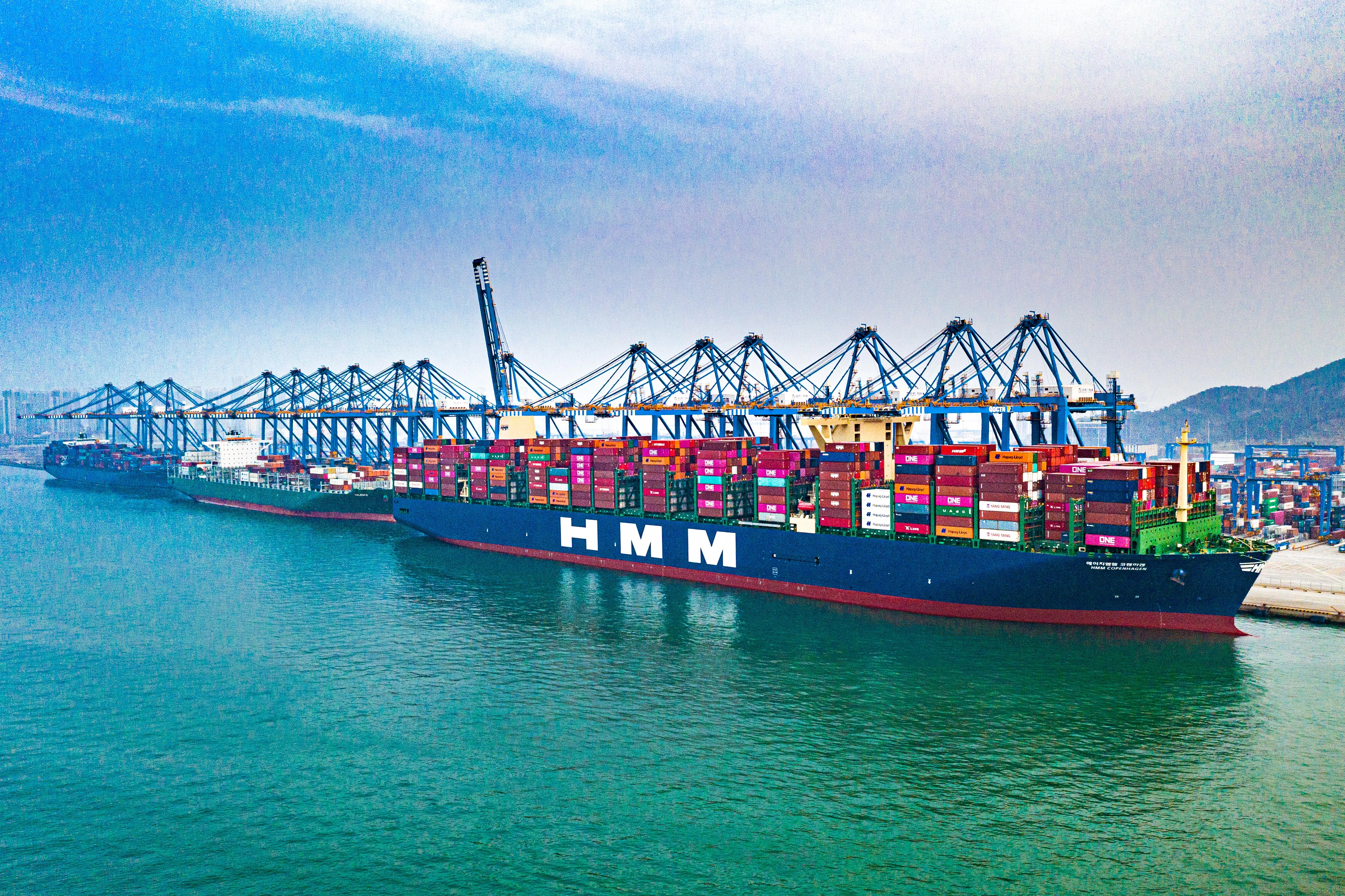
You enhance building loading dock flow with container handling equipment to make ports and terminals operate more efficiently. By utilizing container handling equipment, you address safety, speed, and maintenance challenges at the dock. CEGC supports you in overcoming these issues by providing tailored modifications to your port machinery. Implementing container handling equipment allows for safe cargo movement and extends the lifespan of your machines. If you're looking to improve your dock's performance, evaluate your existing system and explore innovative ways to integrate container handling equipment at the loading dock.
Key Takeaways
-
Make the dock safer by using container handling equipment. This helps lower risks like slipping, falling, and getting hurt.
-
Pick the right equipment for your dock. Use portal cranes or reach stackers. Think about your dock's size and what cargo you have. This will help things run better.
-
Use dock scheduling software to make work smoother. It cuts down on waiting and helps move more cargo.
-
Try predictive maintenance to check equipment health. This stops breakdowns and saves money on repairs.
-
Plan your dock layout for the best traffic flow. This keeps cargo moving safely and quickly.
Key Challenges in Loading Dock Flow
Safety Risks and Load Sway
There are many safety risks at the loading dock. Wet floors can make people slip and get hurt. Dock plates that are not secure can cause falls. Falling from the dock edge is also a danger. Breathing in carbon monoxide from engines is bad for your health. Loud noises can hurt your ears over time. Lifting things the wrong way can hurt your back. Using container handling equipment carelessly can cause accidents. You also need to watch out for falling objects. The table below lists common safety risks at the loading dock:
|
Safety Risk |
Description |
|---|---|
|
Slips due to wet or oily floors |
Wet or oily surfaces can lead to slips, increasing the risk of injury. |
|
Falls from dock edges |
Employees are at risk of falling off the edges of the dock, especially if not cautious. |
|
Unsecured dock plates |
Dock plates that are not secured can cause falls and injuries. |
|
Carbon monoxide exposure |
Exposure from truck engines and powered equipment can pose serious health risks. |
|
Back injuries from improper lifting |
Lifting techniques that are not safe can lead to back injuries. |
|
Head and eye injuries from falling objects |
Objects falling from heights can cause significant injuries to workers. |
|
Hearing damage from loud noise levels |
Prolonged exposure to high noise levels can lead to hearing loss. |
|
Injuries from careless operation of equipment |
Improper use of material handling equipment can result in accidents and injuries. |
Load sway makes it hard to put containers in the right spot. Wind and sudden stops can cause crashes and slow things down. Anti-sway systems help keep everything safe and steady.
Throughput and Cycle Time Issues
Bottlenecks often happen at the loading dock. Bad scheduling and not seeing what is coming can cause backups. Filling out forms by hand slows things down. Teams that do not work together well cause more delays. Old equipment and new carriers add to the wait. Not enough workers during busy times makes bottlenecks worse. The table below shows what makes cycle times longer:
|
Factor |
Explanation |
|---|---|
|
Scheduling Inefficiencies |
First-come, first-served scheduling leads to bottlenecks, especially when many vehicles arrive simultaneously. |
|
Lack of Visibility |
Outdated demand forecasting and lack of real-time tracking make it hard to prepare for incoming shipments, causing congestion or underutilized docks. |
|
Inefficient Check-in Procedures |
Manual form-filling creates backlogs at the security gate, slowing down the assignment of docks and extending dwell time. |
|
Poor Alignment Between Teams |
Lack of coordination between loading and unloading teams can lead to delays even if vehicles arrive on time. |
|
Infrastructure Issues |
Insufficient dock doors or outdated handling equipment can slow down the unloading/loading process. |
|
Carrier Familiarity |
New carriers take longer due to unfamiliarity with the warehouse layout and processes. |
|
Timing and Staffing |
Understaffing during peak hours and mismatched shifts create delays in operations. |
You need to fix these problems to keep things moving and avoid backups.
Marine Durability and Maintenance
The loading dock faces tough conditions every day. Salt, water, and dust can damage equipment. Heavy use makes machines wear out faster. There is not much time for repairs, and spare parts are not always ready. This causes more waiting and stops work. You need strong protection and easy-to-fix designs to keep things running. Port workers say they have problems like long wait times, slow loading, safety risks, crowded docks, and uneven work flow. Focusing on strong equipment and good maintenance helps stop backups and keeps things moving.
Optimize Loading Dock with Container Handling Equipment
Choosing the Right Equipment (Portal Crane, Reach Stacker, Forklift)
You must pick the best equipment for your dock. Every type of container handling equipment has special uses. Portal cranes and container gantry cranes lift heavy loads and big containers. Reach stackers and forklifts move containers fast in small areas. CEGC gives you many machines like container cranes, reach stackers, and forklifts.
-
Reach stackers can lift 30 to 50 tons. They go up to 30 km/h when empty and 20 km/h when loaded. Their lifting speed is 0.6 meters per second.
-
Forklifts are quicker in tight spots but lift less and do not reach as high as reach stackers.
-
Portal cranes and container handling gantry cranes lift the biggest loads. They are best for ship loading and offshore platforms.
You can choose equipment based on your dock’s size, cargo, and workflow. This helps your dock work better and stops bottlenecks. CEGC lets you customize for capacity, span, duty cycle, and automation. You can pick anti-corrosion grades for marine places.
Anti-Sway and Safety Control Systems
You make your dock safer by using anti-sway and safety control systems. Load sway makes it hard to place containers and can cause crashes. CEGC’s equipment uses anti-sway control and safety interlocks. These features keep your dock safe and efficient.
|
Feature |
Benefit |
|---|---|
|
Cuts payload swing by 85-95% |
Makes the workplace safer and lowers accident risk |
|
Speeds up cycle time by up to 40% |
Boosts productivity and efficiency |
|
Fits into crane platforms |
Quick setup, usually in one day |
You can use vehicle restraints and dock communication systems to stop early departures. Interlocked equipment keeps operations safe. Operator controls show alarms and updates. This makes training easier and results more steady.
High-Throughput and Motion Coordination
You can make your dock faster with high-throughput systems and motion coordination. These tools help you move more cargo in less time. CEGC’s cranes and reach stackers use coordinated hoist, trolley, and gantry motions. This cuts idle time and speeds up cycles.
|
Evidence Description |
Impact on Throughput |
|---|---|
|
Unloading time drops by 50% with ergonomic conveyors |
Makes dock more efficient |
|
One dock door can handle four trucks per shift |
Uses dock space better |
|
A warehouse can shrink from 40 doors to 10 |
Gives more space for other jobs |
You see real improvements after you optimize dock flow. Automation and smart stacking cut cycle times by 15–25%. Better equipment use lowers dwell time by up to 30%. Automated unloading keeps up with busy schedules and lots of cargo.
You protect your equipment by picking marine-grade anti-corrosion systems. CEGC offers strong coatings, stainless steel parts, and regular maintenance plans. You can choose what works best for your port’s needs.
Tip: Look at your dock layout and equipment. You might find new ways to make your dock flow better with CEGC’s container handling solutions.
Improve Loading Dock Efficiency with Automation and Technology
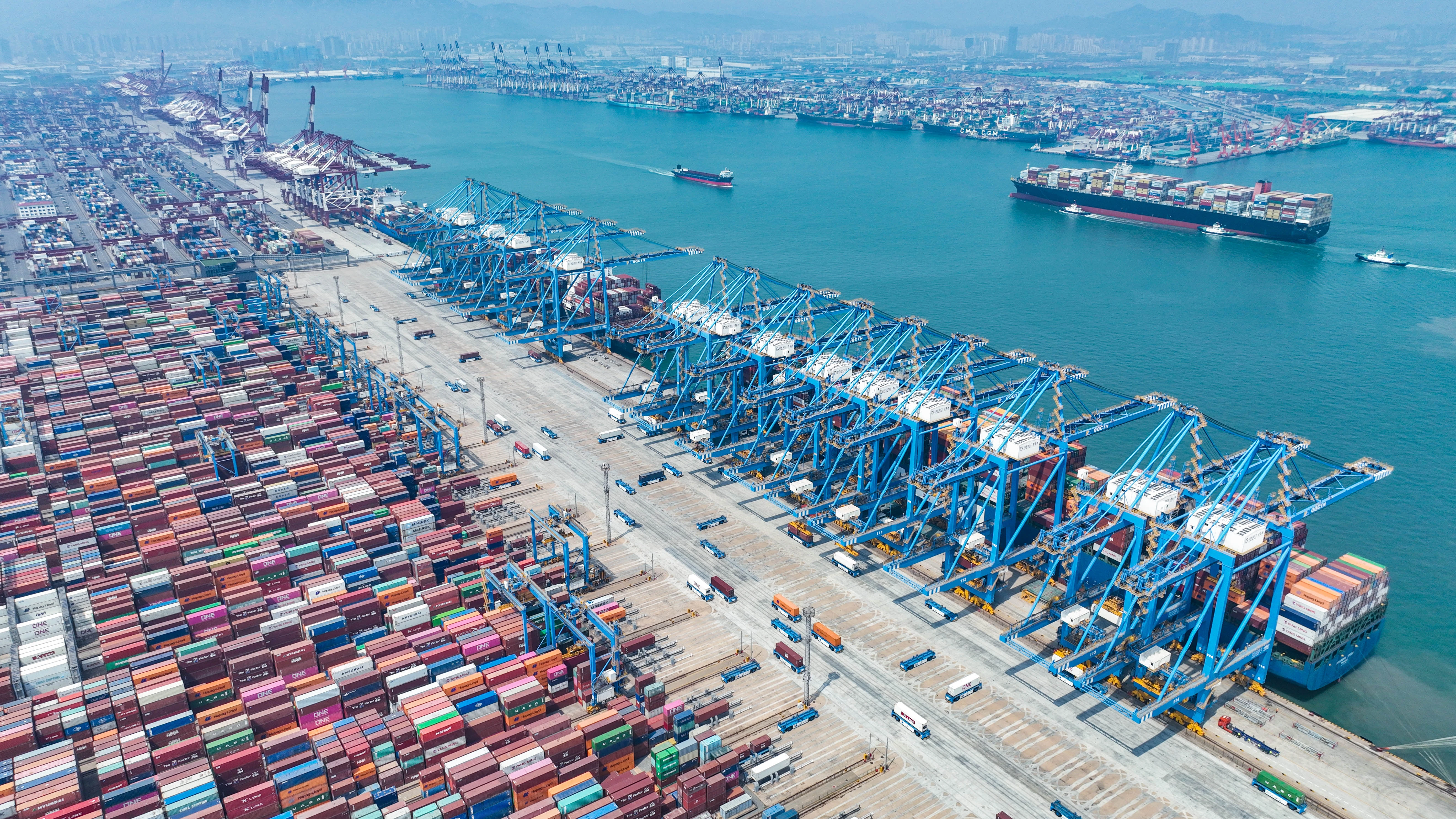
Dock Management and Scheduling Software
You can make your loading dock work better with dock scheduling software. These tools help you plan and watch dock activities as they happen. When you use this software, trucks know where to go and when to show up. This means less waiting and faster loading or unloading.
Many ports use dock scheduling software like:
-
4SIGHT Connect
-
Blue Yonder
-
C3 Solutions
-
Descartes Systems
-
Epicor Software
-
Infor
-
Manhattan Associates
-
Oracle
-
SAP
-
Zebra Technologies
Dock scheduling software helps everyone talk and plan better. Trucks wait less and move through the dock faster. You can see what is happening at each dock in real time. This helps you use every dock more and avoid wasted time. You can track things like:
-
Dwell time
-
Wait time
-
Dock utilization
Predictive Maintenance and Condition Monitoring
You keep your machines working longer with predictive maintenance. Sensors and AI watch your equipment and warn you before something breaks. This helps you stop problems before they cause downtime.
You do not have to follow a set schedule for repairs. You fix things only when needed. This saves money and keeps cranes and handlers ready to use. AI finds patterns and tells you if something might fail. You can fix problems early and plan repairs better. This also helps your machines last longer.
|
Description |
Cost Savings |
|---|---|
|
Avoided downtime costs |
|
|
Annual maintenance savings for a port terminal |
$500K - $600K |
Energy Optimization and Remote Diagnostics
You can save energy and money with smart energy plans. Using electric cranes lowers fuel costs and pollution. Regenerative systems catch and reuse energy from crane work. Battery systems help balance energy use when it gets busy. Planning crane moves and stopping idling saves even more energy.
Remote diagnostics let you fix problems faster. You get updates and information right away. This helps you solve issues before they slow down work. AI can find faults quickly, so you spend less time fixing things. You can fix problems up to 45% faster and keep your dock running well.
Tip: CEGC helps you connect your workflow and use remote diagnostics for all container handling equipment. This gives you better results and less downtime.
Optimize Freight Flows and Employee Safety
Layout Design and Traffic Flow
You can make freight move better by planning your dock. A good layout uses space well and keeps things running smoothly. When docks are spaced out, trucks and equipment move safely. Marking traffic lanes helps everyone know where to go. Safety zones and signs show people the right way. Put entry and exit points in smart spots to stop traffic jams. This lowers accidents and keeps work fast. Your dock should fit big vehicles and equipment. This stops crowding and keeps things moving.
-
Plan your dock so you use all the space.
-
Leave space between docks for easy movement.
-
Mark traffic lanes and safety zones clearly.
-
Put entry and exit points to cut down on waiting.
-
Use signs to help drivers and workers.
When you make traffic flow better, the dock is safer. Drivers can move without getting confused. This means fewer accidents and more cargo moved each day.
Training and Operator Support
You help freight move better when your team knows how to work safely. Training teaches workers how to handle containers and what to do in emergencies. It also shows them how to use equipment the right way. Use hands-on lessons, online classes, and safety drills. Talking about safety often helps everyone stay careful.
-
Teach safe handling and what to do in emergencies.
-
Use different ways to train, like practice and online lessons.
-
Hold safety drills often.
-
Talk about safety problems and how to fix them.
Help your operators by checking equipment every day. Do regular maintenance too. Certified technicians can find problems early. This keeps machines working longer. Good support keeps your team safe and equipment ready.
Safety Protocols and Ergonomics
You must follow safety rules to keep your team safe. International rules say you must secure dockboards and watch load limits. Workers need training to use equipment safely. Lockout/Tagout rules make sure machines are off during repairs. The table below lists some important safety rules:
|
Regulation |
Description |
|---|---|
|
OSHA 29 CFR 1910.178 |
Secure dockboards before using forklifts or other equipment. |
|
FEM 11.003 |
Watch out for workers getting trapped or hit by trucks. |
|
FEM 11.004 |
Check load limits for each type of dock leveler. |
|
Lockout/Tagout (LOTO) |
Turn off and lock machines during repairs to stop shocks. |
|
Powered Industrial Trucks Training |
Train workers to use forklifts and powered equipment safely. |
Ergonomic dock equipment helps stop injuries. Adjustable tables and lifts keep heavy things at a safe height. This lowers strain and stops muscle injuries. When jobs fit your workers, they stay healthy. Your dock runs better too.
Tip: Check your dock layout, training, and safety rules often. Small changes can help freight move better and keep your team safe.
You make your loading dock work better by picking the right container handling equipment and technology. CEGC can give you special solutions that help you finish jobs faster. These solutions also mean your machines break down less and cost less to run than regular equipment.
|
Aspect |
Customized Solutions |
Standard Equipment |
|---|---|---|
|
Job Completion Speed |
Faster |
Slower |
|
Breakdown Frequency |
Fewer breakdowns |
More breakdowns |
|
Operational Costs |
Lower |
Higher |
|
ROI |
Faster payback |
Slower payback |
You get even more benefits when you keep checking and using new technology. You can make more money. Your dock becomes safer. You do your work faster. Your team does not feel as much stress.
You should talk with CEGC to find the best port machines for your needs. Always look for new ways to make your dock better every year.
FAQ
What is the best equipment for a busy loading dock?
Pick portal cranes, reach stackers, or forklifts. Choose based on cargo size and space. Portal cranes lift big loads. Reach stackers fit tight spaces. Forklifts move small containers fast.
How does anti-sway technology improve safety?
Anti-sway systems cut down load swing. You get more control and fewer accidents. Operators place containers more easily. This keeps your team safe and work steady.
Can I customize CEGC equipment for my port?
Yes, you can. CEGC lets you change equipment for your project. You pick capacity, span, duty cycle, automation, and anti-corrosion. Your equipment will fit your dock’s needs.
How does predictive maintenance help my operation?
Predictive maintenance uses sensors and data. You get alerts before something breaks. This lowers downtime and repair costs. Your machines last longer and stay ready.


