
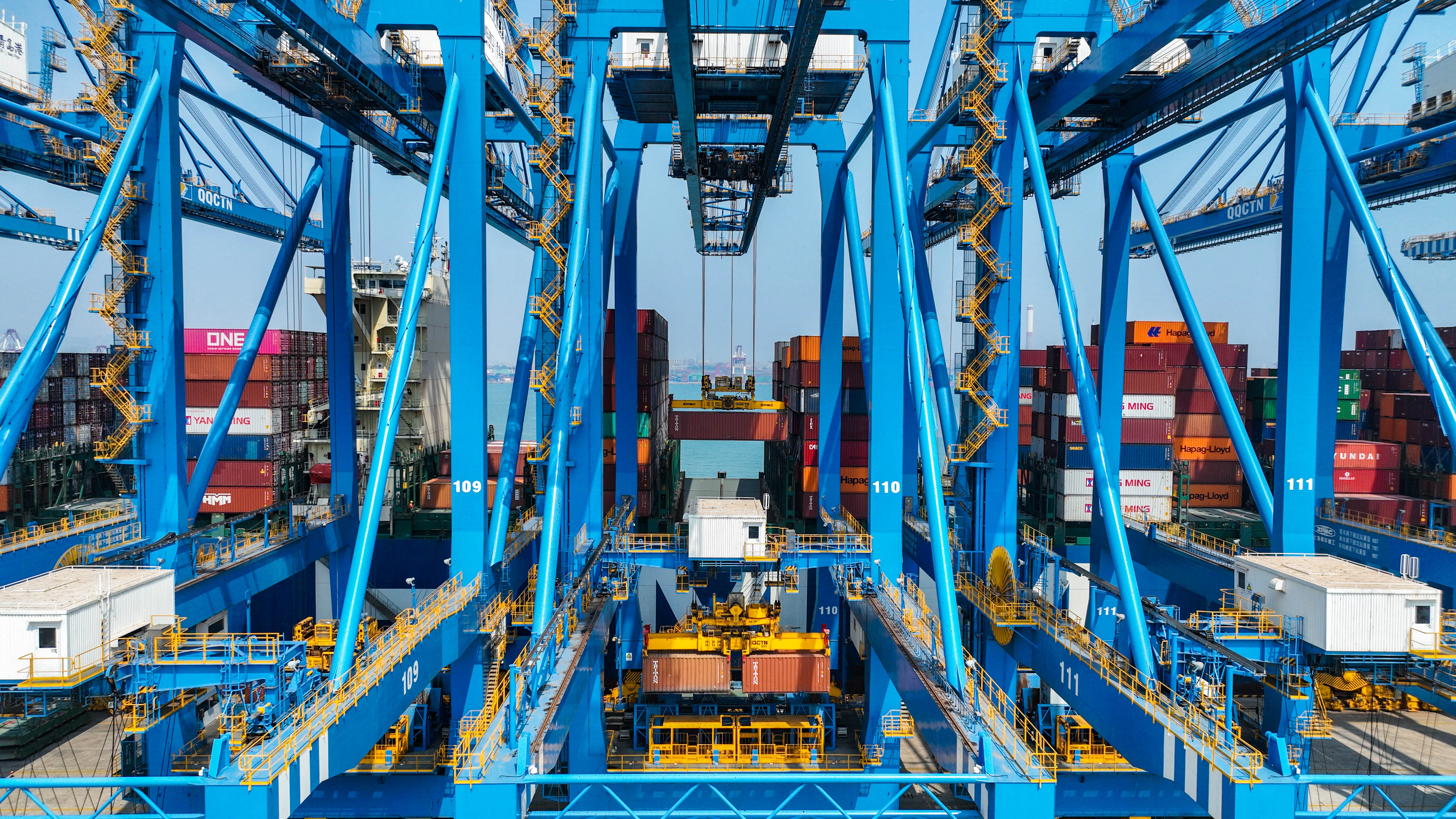
Maximize your profits by enhancing port crane productivity: stop losing 20% to waits. Every minute spent waiting for a crane translates into lost revenue and slower shipments. CEGC is here to help you reclaim that lost time. Take action now to accelerate your operations, and you'll witness improved financial results at your terminal.
Key Takeaways
-
Make port crane productivity better to cut down waiting times and make more money. Saving even one minute can help earn a lot more money.
-
Use predictive maintenance to stop unplanned downtime. This can make cranes work up to 30% more and save money on emergency repairs.
-
Use motion coordination systems to work better. These systems help cranes and trucks work together. This cuts down on idle time and moves cargo faster.
Port crane productivity: stop losing 20% to waits
Quantifying lost productivity
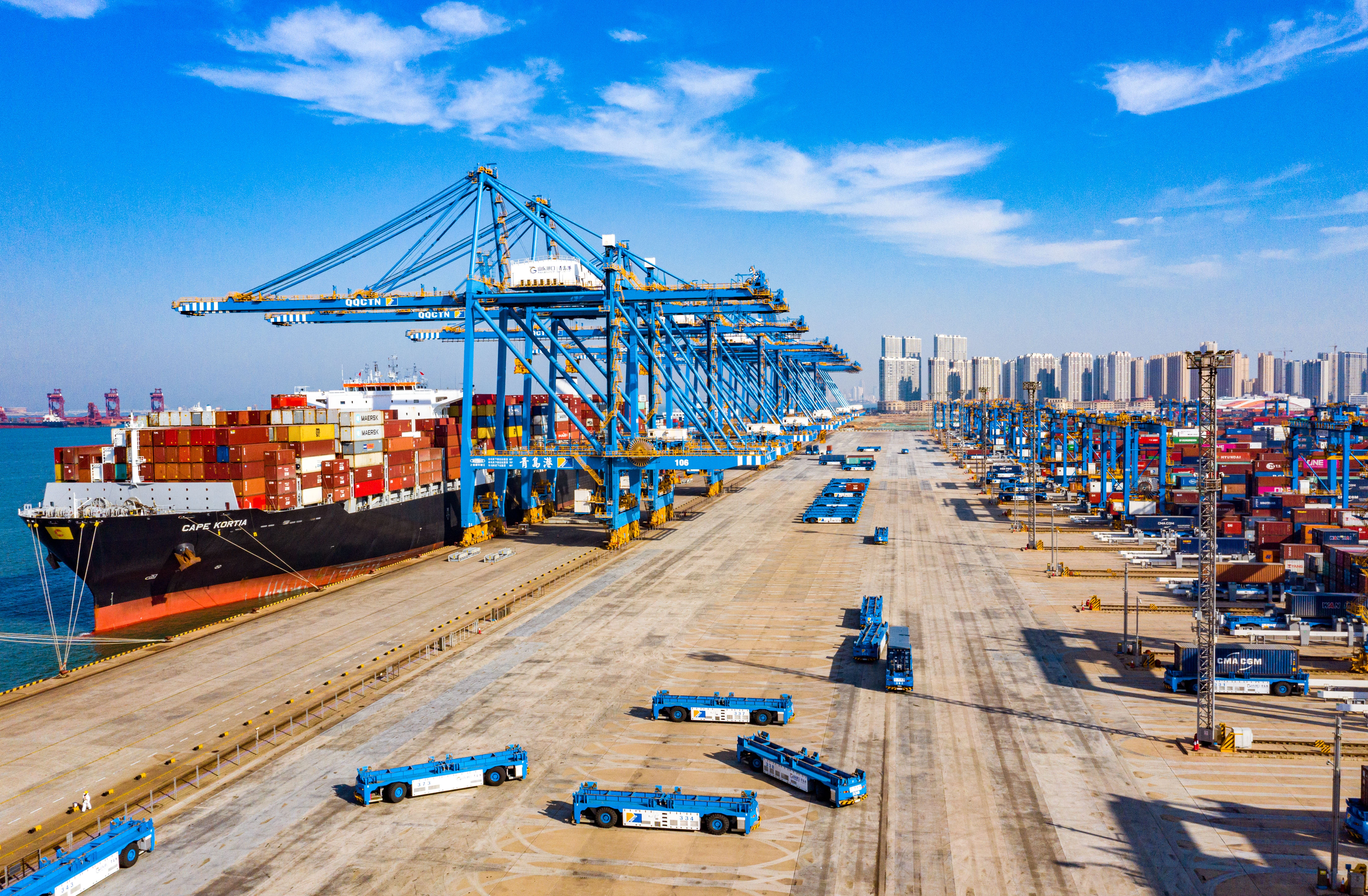
You can notice how port crane productivity affects your work each day. Small delays can quickly become a big problem. If you lose a few minutes every hour, you might lose 20% of your cargo moves in a week. This means you move fewer containers. Ships have to stay at the port longer. Your terminal does not handle as much cargo.
When cranes are delayed, ships also get delayed. Even small mistakes with timing can cause big slowdowns for ships. These delays can add up during a ship’s visit. That is why it is important to plan well and match crane work with ship schedules. This helps the whole terminal work better.
If you make port crane productivity better, you can earn more money. Ships can leave on time. Your customers will be happier.
Main causes of crane waits
Many things can slow down cargo work and hurt port crane productivity. The main reasons are:
|
Cause Type |
Description |
|---|---|
|
Planned Downtime |
This happens when you stop for maintenance, checks, or updates. The crane does not work during this time. |
|
Unplanned Downtime |
This happens when something breaks or the weather is bad. The crane stops working without warning. |
|
If AGVs or ASCs are not ready, cranes must wait. This makes cranes sit still because they depend on other machines. |
Scheduling can also be a problem. If cranes are not ready when ships come, waiting times go up. Sometimes ships must wait in line for a spot. This can cost up to $24,000 each day for every ship. Equipment problems can take up 30–40% of work hours at some ports. If the yard is crowded, it causes more delays and extra work for your team.
CEGC gives you good performance and options for every port crane. You can pick what works best for your port. This helps you stop losing 20% to waits.
Technical solutions for terminal efficiency
Anti-sway and safety control systems
Anti-sway and safety control systems make ports safer and more productive. These systems help control how loads move on container cranes. They cut down cargo swinging by up to 95%. This lets you move containers faster and with fewer errors. There are fewer accidents and less downtime. Using anti-sway technology can boost your loading and unloading by up to 40%. You get steady results, even when different people work different shifts. Modern anti-sway systems let cranes go faster and work in smaller spaces. This means you can do more cycles each hour and make your terminal run better.
-
These systems can make your productivity up to 15% better.
-
You will see less waiting and smoother cargo flow.
-
Your team will be safer and face fewer dangers.
Motion coordination and cycle-time optimization
You can make your terminal work better by helping cranes, trucks, and yard equipment work together. Motion coordination systems match crane speed with truck and yard vehicle arrivals. This cuts down on idle time and keeps cargo moving. Cycle-time optimization helps you finish more cycles each hour. You can also change crane speed for different loads and weather. This gives you faster cycles and better use of your machines.
-
Speed control helps you stop traffic jams at path crossings.
-
You can match truck arrivals with crane work for smooth handovers.
-
You get more done when you cut idle time and keep yard work on track.
|
Technical Solution |
Description |
|---|---|
|
Crane Technology Advancements |
New crane tech lets trolley and gantry move at the same time, making YC handling better. |
|
Optimization of Scheduling |
Scheduling for quay crane, berth, YC, and vehicles is improved together. |
|
Collaborative Algorithms |
These algorithms help schedule trucks so quay cranes wait less. |
|
Graph Theory Optimization |
Simulation models help schedule trucks and cut quay crane waits. |
|
Deep Double Q-Networks (DDQN) |
This scheduling algorithm lowers waiting and uses trucks better. |
|
Heuristic Rules Implementation |
Heuristic rules help schedule better, use trucks more, and finish jobs faster. |
Using these strategies can make your port much more efficient. Some ports have seen over 20% more productivity by improving crane performance and grab cycle speed. You can load and unload faster and turn ships around quicker.
Predictive maintenance and energy efficiency
Predictive maintenance helps you stop unplanned downtime. Sensors and AI check your cranes’ condition. They tell you when to fix things before they break. You can plan repairs during slow times, so busy port work is not stopped. Ports using predictive maintenance have up to 30% more crane availability and 25% less downtime. You also save money because you avoid emergency repairs.
Energy efficiency systems help you spend less. Variable-frequency drives and smart standby modes lower energy use. This means you save money and help the environment. Your equipment also lasts longer before needing repairs.
Marine durability and lifecycle protection
You can make your cranes last longer by protecting them from tough marine weather. Salt, humidity, and dust can hurt your equipment. Marine-grade coatings, hot-dip galvanization, and multi-layer paint protect your cranes. Regular checks and good lubrication help too. Skilled operators and modern monitors keep cranes working longer.
-
Protective coatings keep out salt and moisture.
-
Your cranes last longer and break down less.
-
Upgrades and timely fixes lower your costs over time.
These solutions help reduce port congestion and keep cargo moving. They also fix the main reasons for port congestion by making equipment last longer.
CEGC container handling equipment advantages
You can pick from many CEGC container cranes, portal cranes, handlers, and ship cranes. CEGC offers custom equipment for every port type. You can get machines made for your needs, like higher capacity, special cargo, or unique yard problems.
|
Customization Capability |
Application in Port Environments |
|---|---|
|
Tailored Equipment Design |
Equipment is made for special project needs and unique problems. |
|
Specialized Port Handling Equipment |
Made for special cargo, making cargo handling better. |
|
Adaptation of Existing Platforms |
Changed to fit what different ports need. |
|
Development of New Solutions |
New equipment is made for special challenges. |
You can use automated cranes for busy ports or gantry cranes for special cargo. Ship loaders and unloaders can be made for your workflow. Belt conveyor systems can be changed for better yard and traffic management.
Real examples show these solutions work. At Vizhinjam Port, a shore tension system kept over 100,000 TEU moving each month, even in bad weather. The Port of Savannah used a Smart Freight Corridor to stop traffic jams as the port got bigger. These upgrades helped global trade and cut congestion.
When you upgrade to standard container handling equipment, you get real gains. You see more cycles each hour, higher capacity, and better port operations. You also make ports safer and lower maintenance costs over time. CEGC helps you reach these goals with reliable, custom solutions for every port.
You can boost your port’s productivity and safety by using modern crane solutions. Many ports now move more containers each hour and cut costs by up to 50%.
-
Ships wait less.
-
Cargo moves faster.
-
Your team stays safer.
|
Actions |
|
|---|---|
|
First 30 Days |
Set key goals and train your team. |
|
Next 60 Days |
Find slow spots and fix them. |
|
After 90 Days |
Test changes and track your progress. |
Choose CEGC for reliable, custom port machinery. Start reducing crane waits today.
FAQ
How do gate operations affect crane productivity?
You see better crane results when you manage gate operations well. Gate operations help you plan when trucks arrive. This keeps each crane busy and reduces grab waiting time.
Good gate operations mean less idle time for every crane. You can move each grab faster. Your team will see fewer delays.
Why does grab cycle speed matter for port performance?
Grab cycle speed shows how fast you move cargo. When you speed up each grab, you help every crane finish more work. Gate operations also support faster grab cycles.
-
You can track grab cycles to find slow spots.
-
Faster grab cycles mean more cargo moves.
-
Gate operations and crane timing work together for best results.
What steps can you take to improve crane and grab efficiency?
You can train your team to use each grab well. You can check gate operations daily. You can set clear rules for crane use and grab handling.
|
Step |
Result |
|---|---|
|
Train on grab use |
Fewer mistakes with each grab |
|
Review gate operations |
Smoother crane workflow |
|
Set crane rules |
More grabs per hour |
You can also use sensors to watch each grab and crane. This helps you fix problems before they slow down gate operations.


