
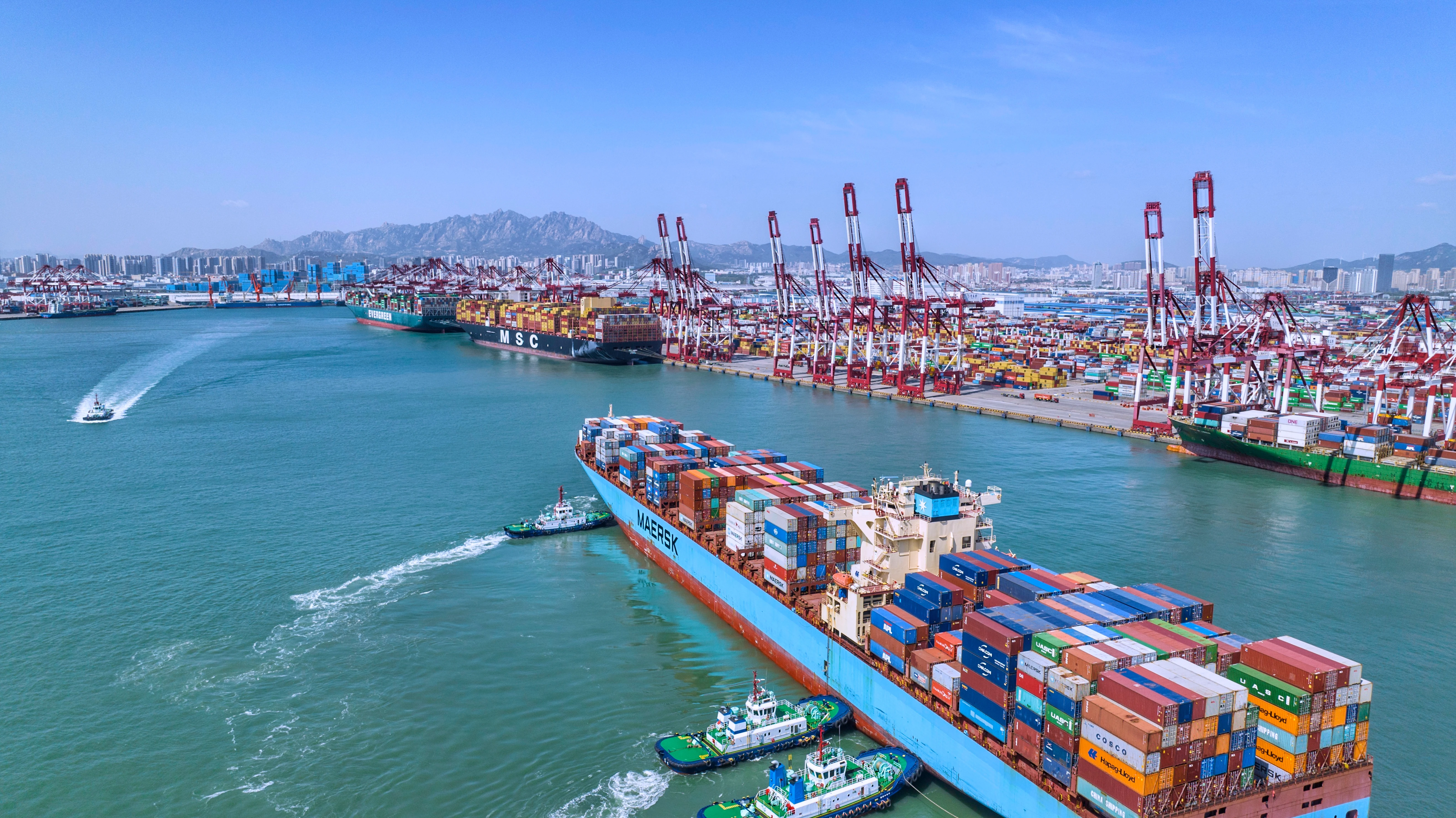
You can reduce overtime costs with container handler upgrades that cut overtime costs. Many port operators face challenges such as cranes not functioning properly, crowded gates, and insufficient workforce. CEGC provides solutions for issues like load sway and equipment downtime. These container handler upgrades enhance automation and improve safety at your port.
Key Takeaways
-
Upgrading to automation and anti-sway systems helps containers move faster and safer. This means workers do not need to work extra hours as much.
-
Using predictive maintenance can cut down on surprise breakdowns by up to 40%. This saves money and helps the work run smoother.
-
Adding workflow systems and remote operations makes things safer and helps people get more done. It also helps managers use resources better and pay less for labor.
Main Overtime Drivers in Container Handling
Manual Processes and Labor Challenges
There are many reasons for overtime in container handling. Manual work slows things down and makes labor cost more. If you use manual data entry, mistakes and delays can happen.
-
Manual work causes mistakes and wastes time. This means workers need overtime to fix problems and deal with delays.
-
One mistake in manual data entry can cost about $4.70. This adds to labor costs.
-
Retailers give fines if you do not follow 'On Time, In Full' rules. This makes manual handling even more expensive.
Labor contracts often make you pay full crews for a whole shift, even if you only need a few extra hours.
Overtime happens because of strict labor rules, short terminal hours, and the condition of chassis used for moving containers. Labor contracts often mean paying crews for 8 hours, even if gates stay open for just a few more hours. This makes it expensive for terminals to stay open longer. Also, keeping chassis in good shape and planning vessel arrivals can cause crowding and delays, which leads to more overtime.
Equipment Downtime and Maintenance Issues
When equipment breaks down, terminal productivity drops. Portal cranes, container cranes, and reach stackers can stop working suddenly.
-
Unplanned downtime at ports can delay vessels. This can cost $50,000 every hour.
-
Using hybrid maintenance cut downtime from 120 hours to 25 hours. This saved $1.4 million in downtime costs.
-
No standard SOPs or job plans
-
Maintenance is mostly reactive
-
Planning and scheduling are not effective
-
Inspections and monitoring are weak
-
Technical workers have skill gaps
-
Spare parts and inventory are not managed well
-
No structured root cause failure analysis
You need good container handling equipment and maintenance plans to stop these losses.
Safety Risks and Load Sway Impact
Safety risks and load sway affect how you handle containers. Operator mistakes and weather can cause accidents.
|
Cause of Incident |
Percentage of Total Incidents |
Description |
|---|---|---|
|
Improper packing and not securing loads |
65% |
Bad load distribution and not following packing steps cause cargo to shift and get damaged. |
|
Physical damage from handling activities |
25% |
Cranes and yard vehicles can cause damage. Human mistakes and weather make it worse. |
|
Thermal damage to sensitive cargo |
14% |
Equipment failures or not keeping the right temperature during handling cause this damage. |
|
Maritime incidents at ports in 2022 |
2,400 incidents |
Almost half happened during berthing, loading, and unloading. These are risky times. |
You can make your terminal work better and follow best practices by fixing these overtime drivers in your container handling operations.
Container Handler Upgrades That Cut Overtime Costs
Automation and Anti-Sway Systems
Automation and anti-sway systems can change how your port works. These container handler upgrades help you move containers faster and safer. Automation means machines do jobs instead of people. Machines can work all day and night. Anti-sway control keeps loads steady, even when it is windy. This makes cargo handling better and lowers the chance of accidents.
|
Automation/Anti-Sway System |
Benefit |
Impact on Overtime |
|---|---|---|
|
Anti-sway control |
Increases quay crane productivity |
More containers moved, reducing delays |
|
Horizontal transport vehicles |
Reduces waiting times by coordinating movements |
Keeps lines short, minimizing overtime |
|
Predictive maintenance |
Prevents sudden breakdowns |
Ensures reliable operations, reducing overtime needs |
Automation also means you need fewer workers. This helps you spend less on overtime. You get steady results, so you do not need extra workers waiting around. When you use job sequencing, equipment use goes from 65% to over 85%. Planning together cuts delays by at least 10%. These changes make cargo handling better and lower costs.
Predictive Maintenance and Energy Efficiency
Predictive maintenance is a smart way to keep equipment working. Sensors and telematics watch cranes, reach stackers, and forklifts. You get early warnings about problems. You can fix things before they break down. This cuts problems by up to 35% and lowers overtime costs. Companies say unplanned downtime drops by up to 40% with predictive maintenance.
Energy-efficient upgrades are important too. You can use equipment for 6-12 hours before charging. Up to 15% of used energy can be saved and used again. Lifting speeds are up to 20% faster than diesel trucks. Noise and shaking go down by as much as 50%. These upgrades help you spend less money and save on logistics costs. Smart scheduling and electrification save 15% to 40% on energy. Adaptive scheduling cuts extra moves and waiting by up to 30%. You see better cargo handling and faster turnaround times.
|
Metric |
Value |
|---|---|
|
CO₂ footprint reduction |
Helps customers meet sustainability goals |
|
Energy efficiency |
Operation for 6-12 hours before recharging |
|
Energy regeneration |
Up to 15% of expended energy can be regenerated |
|
Lifting speed improvement |
Up to 20% faster than diesel-powered trucks |
|
Noise and vibration reduction |
Reduced by as much as 50% |
|
Operational cost reduction |
Significant reduction in operational and maintenance expenses expected over time |
Workflow Integration and Remote Operation
Workflow integration links your equipment with port management software. Real-time data systems use sensors and IoT telemetry to give live updates. You can make decisions quickly with dashboards that show everything. Virtual arrival systems help plan when things arrive. This cuts waiting and saves 15-20% on energy. These systems help you automate more and handle cargo better.
Remote operation lets you control cranes and reach stackers from safe places. Operators stay out of dangerous spots and get less tired. This means you can work longer hours and get more done. You save money because you need less labor and have less downtime. You get advanced marine cargo systems that help with automation.
|
Benefits |
Challenges |
|---|---|
|
Technical Complexity |
|
|
Increased Productivity |
Cybersecurity Risks |
|
Cost Savings |
Connectivity Issues |
|
|
Safety Concerns |
|
|
Resistance to Change |
You need to solve problems like technical complexity and cybersecurity risks. Training and better processes help people accept changes. Upgrades like remote operation and workflow integration make cargo handling much better.
Real-World Results and Implementation Strategies
You can see real results when you use these container handler upgrades. A real-time, integrated quay-to-yard control system can cut discharge cycle times by 18–28% in six months. You get better visibility and everyone knows what to do. Crane, rail, and conveyor use goes up. This makes things run smoother and reduces delays.
To make upgrades easier, follow these steps:
-
Look at your current operations and find problems.
-
Make a plan for digital changes.
-
Pick a yard management system that works with your other systems.
-
Start using the system in steps, beginning with important jobs.
-
Train your workers and make sure records are correct.
-
Upgrade your tech for real-time communication.
-
Add automated task assignments and real-time tracking.
-
Roll out the system slowly so teams can get used to it.
|
Step |
Description |
|---|---|
|
1 |
Assess current operations and identify inefficiencies in the analogue system. |
|
2 |
Create a roadmap for digital transformation based on the assessment. |
|
3 |
Select a YMS that integrates with existing systems and supports real-time tracking. |
|
4 |
Implement the YMS in phases, starting with key operations like container tracking. |
|
5 |
Train personnel on the new system and ensure accurate digitization of records. |
|
6 |
Upgrade infrastructure for real-time communication. |
|
7 |
Integrate automated task assignments and real-time location tracking. |
|
8 |
Gradually implement the system to allow teams to adapt without disruption. |
You can beat problems like high starting costs and no standard rules by planning well and using open standards. CEGC gives you performance specs and custom options for capacity, span, duty cycle, power, automation, and anti-corrosion. These upgrades help you save money and make cargo handling better.
You can save money on labor for a long time if you upgrade your container handling equipment.
-
Ports that use eco-friendly technology spend less money to run. They also make things safer and cut down on pollution.
-
Look at your current systems. Think about customizing projects to get the best value and performance.
FAQ
What is the main benefit of upgrading your container handler?
You save money on overtime. You also get safer and faster cargo handling. Upgrades help you work with fewer mistakes.
How does anti-sway technology help your port?
Anti-sway systems keep loads steady. You move containers with more control. This reduces accidents and makes your work faster.
Can you customize CEGC container handling equipment?
Yes. You choose the capacity, span, duty cycle, power, and automation level. CEGC helps you match your port’s needs.


