
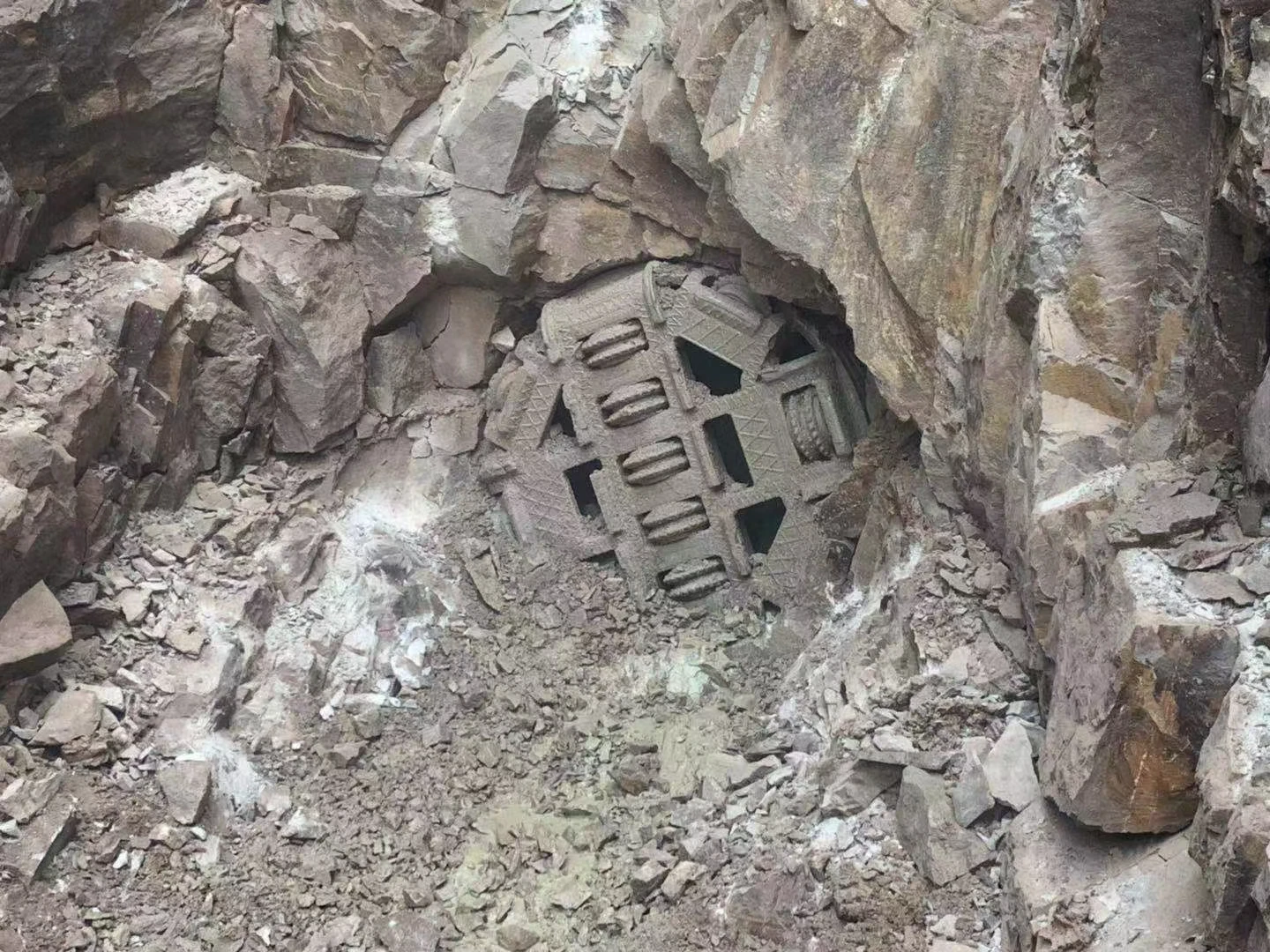
Yes, microtunneling can hit tight curves without stoppages. Advanced tunnel machines used in microtunneling, along with precise guidance tools like gyro-based compasses and real-time EDM tracking, make this possible. The choice of pipe is also crucial for success. CEGC supports project owners and consultants in designing solutions for challenging tunnel alignments, ensuring that even the most demanding curves are navigated smoothly.
"We have very tight curves on the main tunnel, which is a little bit unusual for a hydraulic project," says Bernard Catalano.
Key Takeaways
-
Microtunneling can go around sharp curves without stopping. This is possible because of smart guidance systems and accurate technology. - It is important to pick strong and bendy pipes. Using hydraulic joints helps tunneling work well in tough places. - Microtunneling works great for city projects. It lets workers build under roads and buildings with little mess or trouble.
Can micro tunneling hit tight curves without stoppages?
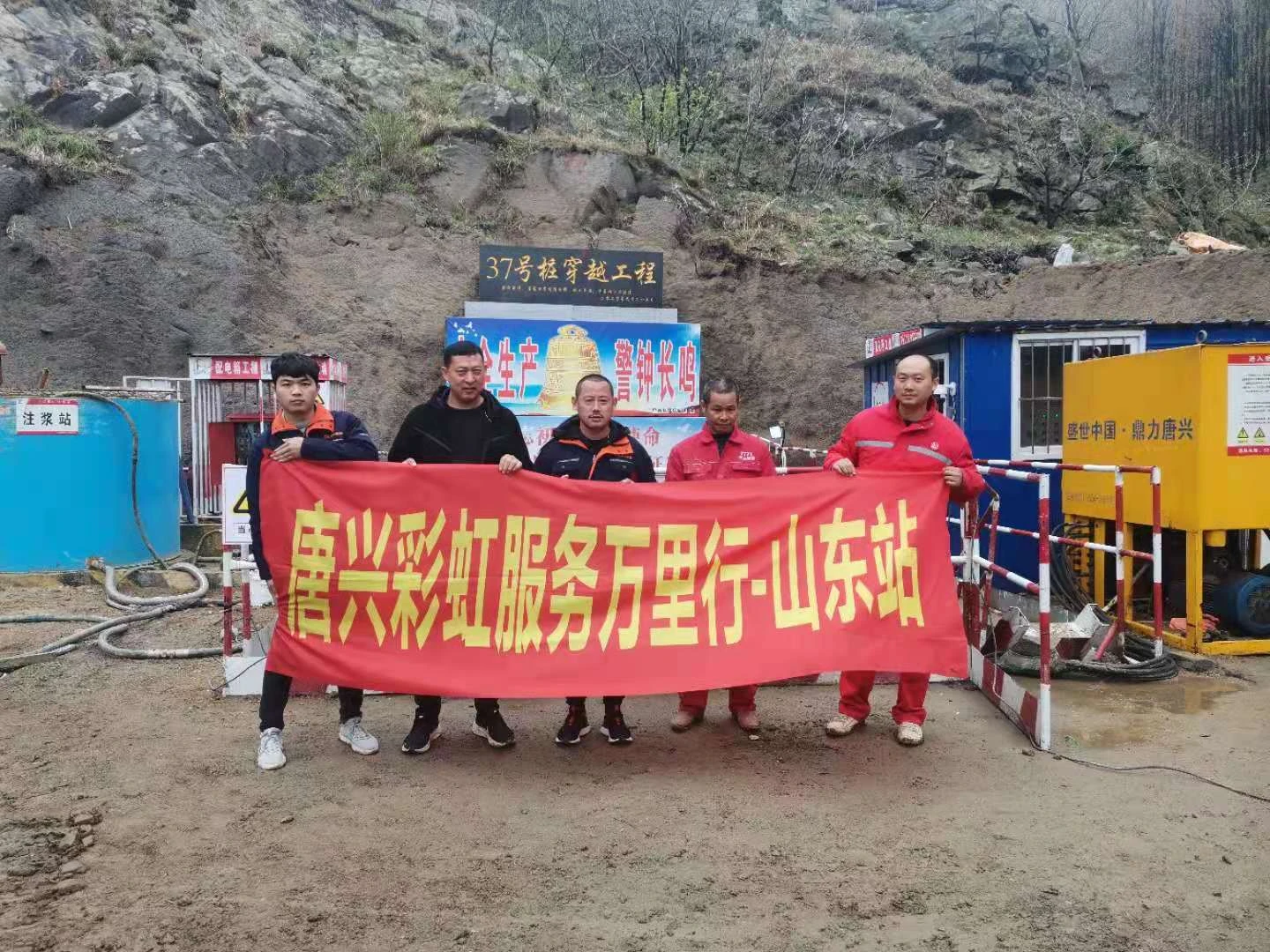
Guidance systems and steering technology
Guidance systems and steering technology help microtunneling machines move through tight curves. These systems use sensors and controls to keep the machine on the right path. Laser total station systems, gyro navigation, and motorized total stations help keep the tunnel straight. The tunnel machine can change direction quickly, so the curve stays accurate.
|
Guidance System Type |
Function |
|---|---|
|
Laser Total Station System |
Keeps line of sight with the MTBM by moving the laser or using signal relays. |
|
Gyro Navigation System |
Gives pitch and direction info to the operator for steering. |
|
Motorized Total Station |
Finds the MTBM's position, pitch, and roll for control. |
Microtunneling machines use hydraulic jacks and cutterheads to steer through curves. Smart controls and IoT sensors watch the machine’s position and make changes. You get accuracy within five millimeters, so the tunnel stays on track. Small tunnel machines, with diameters from 0.6 to 1.5 meters, can go under roads and buildings without causing problems above ground.
-
Hydraulic jacks move the cutterhead.
-
Cutterheads cut sideways to change direction.
-
Smart controls monitor and adjust in real time.
You can make curves as small as 30 meters. This is important for projects in cities or near other structures. Microtunneling lets you finish curved tunnels without stopping, so it is a good trenchless method.
Role of pipe materials and machine flexibility
Choosing the right pipes and machine flexibility is important for microtunneling in tight curves. Strong, thick-walled jacking pipes with joints, like reinforced concrete or polymer concrete, are needed. These pipes handle stress as the tunnel machine moves through curves. Pressure transfer rings, such as hydraulic joints, spread force and stop stress peaks.
|
Key Factor |
Description |
|---|---|
|
Rigid Jacking Pipes |
Only works with strong, thick-walled pipes with joints. |
|
Engineered Pressure Transfer Rings |
Hydraulic joints let pressure move without stress peaks. |
|
Predictable Mechanical Behavior |
Engineered parts help you know the stresses on the pipe. |
You see predictable mechanical behavior, so you can plan curved tunnel projects with confidence. In one project, a steep slope and tight curve needed reinforced concrete pipes and hydraulic joints. The tunnel machine finished the curve without stopping, showing that the right materials and engineering matter.
-
Pipes must be strong and flexible.
-
Hydraulic joints let pipes bend.
-
Working with suppliers and engineers helps you succeed.
You can trust CEGC to help you pick the best pipes and set up the tunnel machine for your project. Twinning and curved tunnels are possible with the right microtunneling technology and materials.
Laser and reference point innovations
Laser and reference point innovations have made microtunneling better for curved tunnels. Laser guidance systems use laser theodolites to make a reference beam for the tunnel machine. You get real-time monitoring of the cutting head’s position in three dimensions. The system lets you adjust so the tunnel stays within 10 to 15 millimeters of the planned path over long distances.
Laser guidance technology helps you avoid mistakes and connect with utilities accurately. In a record project, the Jackcontrol AG hydraulic joint system and VMT guidance system made a compound curved microtunnel drive possible. Real-time monitoring and teamwork between the project team and suppliers kept the tunnel machine on course.
You benefit from:
-
Millimeter-level accuracy in tunnel alignment.
-
Real-time monitoring and adjustments.
-
Completing complex curved tunnel projects.
Microtunneling now uses grade control systems, GPS, and data logging. These features help you keep the right elevation, check position, and record the tunnel for future work. You can do twinning and curved tunnels that old methods cannot do.
Tip: Microtunneling works for curved tunnels in cities, under roads, and for twinning projects. CEGC’s knowledge in tunnel machine setup and performance modeling helps you get the best results.
Microtunneling machines, guidance systems, and the right pipes let you answer the question: can micro tunneling hit tight curves without stoppages? Yes, you can get precision, reliability, and success in your tunneling projects.
Microtunnelling limitations and project considerations
Minimum curve radius and ground conditions
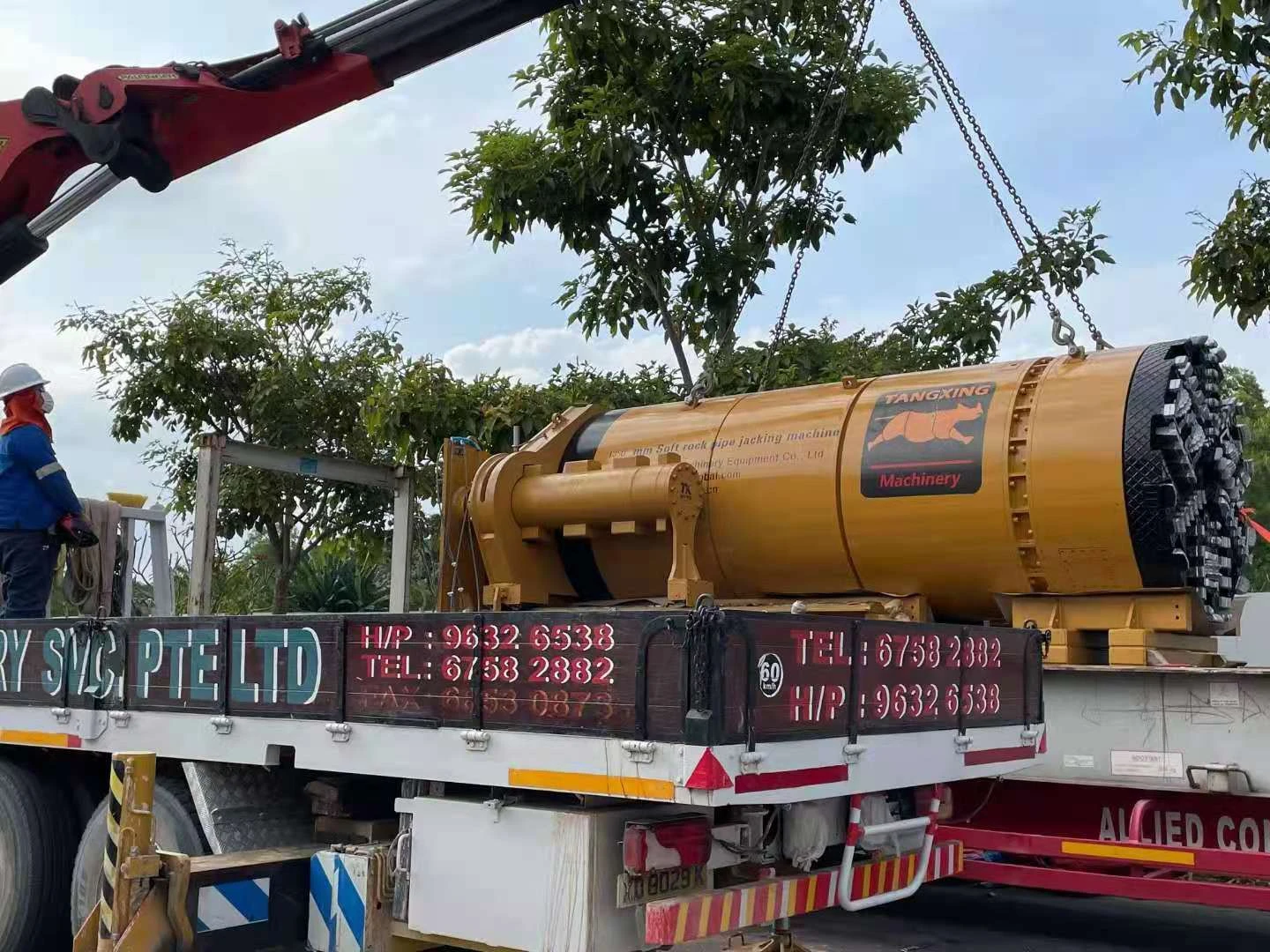
It is important to know microtunneling limits before you start. The smallest curve depends on the tunnel machine size and pipe material. Most machines can handle curves with a 30-meter radius. If you try tighter curves, pipes might break or lose accuracy. The ground matters too. Soft soils, clay, and sand are good for microtunneling. Hard rock or mixed ground makes steering harder. You should check the soil before tunneling begins. Careful planning helps you avoid stoppages and keeps your project safe.
Ideal project types and environments
Microtunneling works best for tunnels with small diameters. It is great in cities where space is limited. Urban projects like water, gas, and telecom installations use microtunneling for tight curves. You can build tunnels under roads, railways, and buildings without disturbing traffic or people. Microtunneling lets you finish hard jobs in busy places. You get reliable results for your infrastructure needs.
-
Urban infrastructure projects
-
Water, gas, and telecom installations
-
Tunnels under roads and railways
Comparison with auger boring machine and other methods
You might wonder how microtunneling compares to other methods. Auger boring machines are good for straight tunnels but not tight curves. Microtunneling gives you more control and accuracy. TBM tunnel boring machines are used for bigger tunnels and longer drives. Microtunneling is better for small, curved tunnels in cities. You get less disruption and more precision. When you need curved tunnels for infrastructure, microtunneling is the best choice.
Tip: Microtunneling helps you build safe and accurate tunnels in tough city environments. You can trust CEGC’s expertise for your next project.
You can count on microtunneling machines to go through tight curves. They do not need to stop. Success depends on guidance systems, pipe materials, and site conditions. Microtunneling gives many good things for city projects. Look at the table below for real advantages:
|
Benefit |
Description |
|---|---|
|
Minimal Surface Disruption |
Lets businesses keep working during construction. |
|
Cost-Effectiveness |
Uses less labor and fewer machines. |
|
Environmental Impact Reduction |
Makes less soil move and less noise. |
|
Safety Improvements |
Keeps workers safe above ground. |
|
Versatility in Soil Conditions |
Works in many types of ground. |
|
Speed of Installation |
Gets projects done fast. |
|
Long-term Durability |
Needs less fixing over time. |
You can trust CEGC to help your microtunnelling project. They set up machines for your site and model how they will work.
FAQ
Can microtunneling machines handle very tight curves?
Microtunneling machines can go around curves with a 30-meter radius. Strong pipes and good guidance systems help keep the tunnel accurate.
What is the difference between microtunneling and auger boring machines?
Microtunneling lets you steer through curves easily. Auger boring machines are best for straight tunnels. Microtunneling gives you more control and better accuracy.
How do you choose the right tunnel machine for your project?
You need to think about tunnel diameter, curve radius, soil type, and where the project is. CEGC helps you pick and set up the best tunnel machine.


