
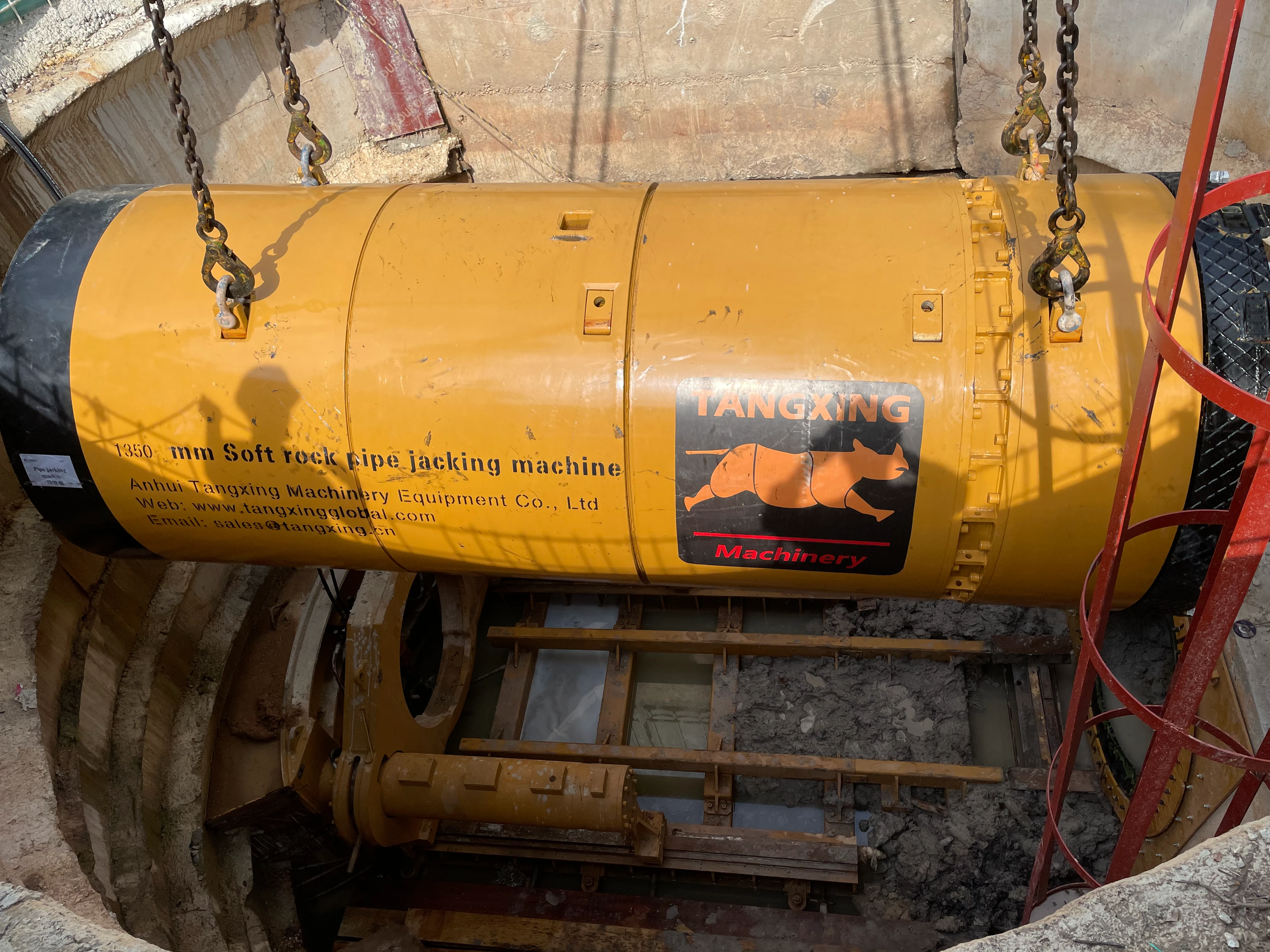
By utilizing a small radius, you can significantly reduce land take for micro tunneling sites. The Microtunnelling Machine from CEGC is designed to operate with small shafts, resulting in minimal ground disturbance. CEGC’s expertise ensures you select the ideal tunnel machine for your specific project requirements.
|
Machine Type |
Best Use Case |
Min. Radius |
|---|---|---|
|
Microtunneling Boring Machine |
Urban utilities |
Choosing a small radius reduces land take for micro tunneling sites, making CEGC’s solutions especially effective for projects with limited space.
Key Takeaways
-
A small radius in micro tunneling uses less land. This helps projects fit in small city spaces.
-
Less land disturbance means fewer problems for people nearby. It also protects nature and keeps cars moving.
-
Small diameter tunneling costs less for setup and permits. Projects finish faster and bother the area less.
Land Take in Microtunneling
Definition and Importance
It is important to know what land take means when you plan a microtunneling project. Land take is the amount of ground you need for your work site. This matters because it changes how much space you must get, how much you bother the area, and how your project fits in with the community. If you use less land, your project is easier and does not bother people as much.
Here is a table that shows why using less land is good for microtunneling:
|
Benefit |
Description |
|---|---|
|
Using less land means you do not disturb the area as much, which is good for places that are sensitive. |
|
|
Environmental Sustainability |
It helps keep animal homes safe and makes the project better for the planet. |
You can see that using less land helps protect nature and keeps the area safer for people and animals.
Site Requirements for Tunnel Machines
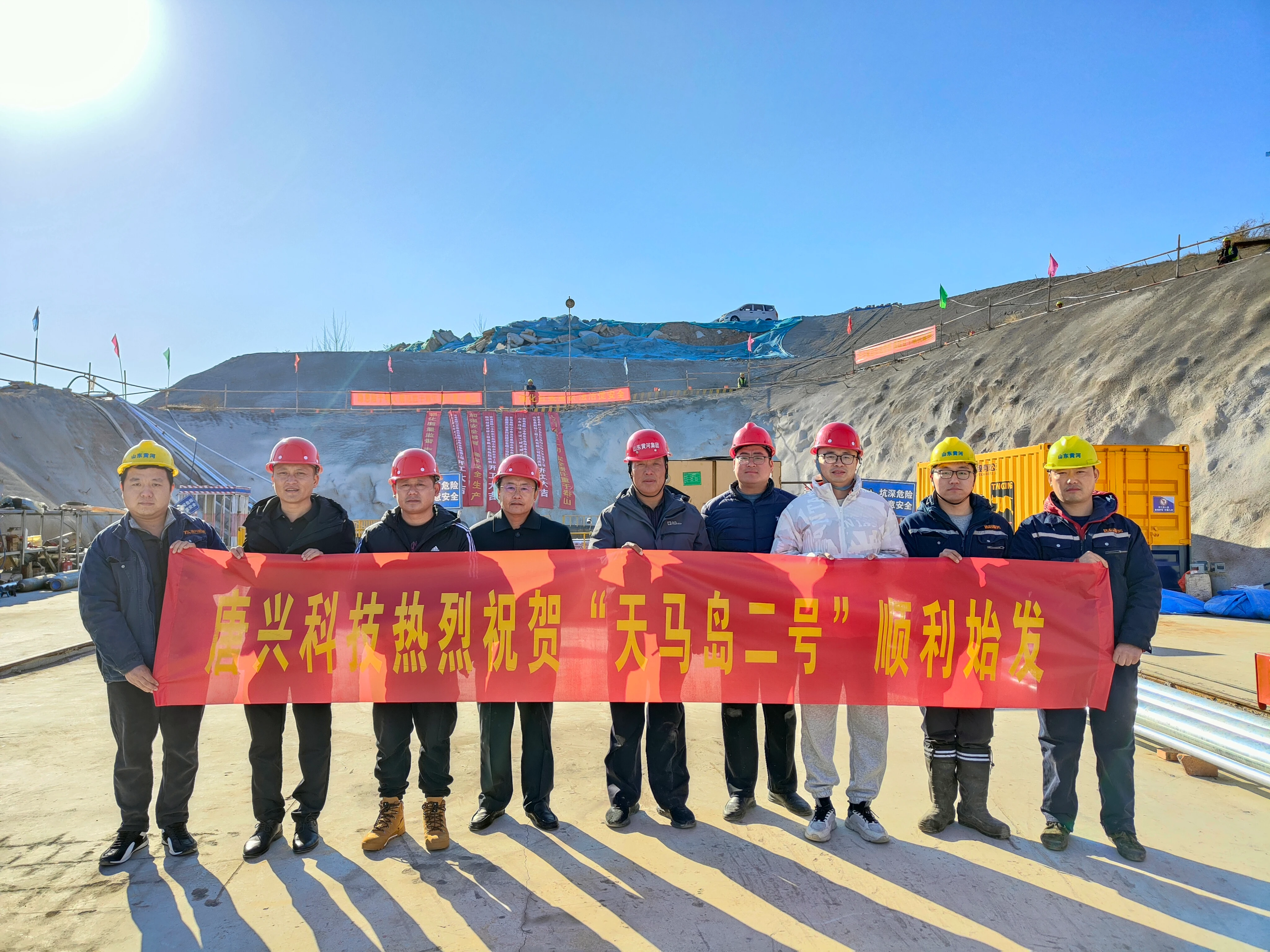
You need to think about some things when you use a tunnel machine for microtunneling. The main things you need are space for launch and receiving shafts, equipment, and support systems. Most microtunneling projects use shafts that are about 3 by 6 meters. These shafts do not need much space, so you can work in small city areas or places that are hard to reach.
Here are some common things you need for tunnel machines:
-
You need a crane to lift heavy pieces, sometimes more than 30 tons.
-
In cities, you might need extra help, like supports or temporary buildings, to keep nearby buildings safe.
If you know what you need, you can plan your microtunneling project to use less land and not bother the area as much.
Tunnel Radius and Site Footprint
Small Radius Reduces Land Take for Micro Tunneling Sites
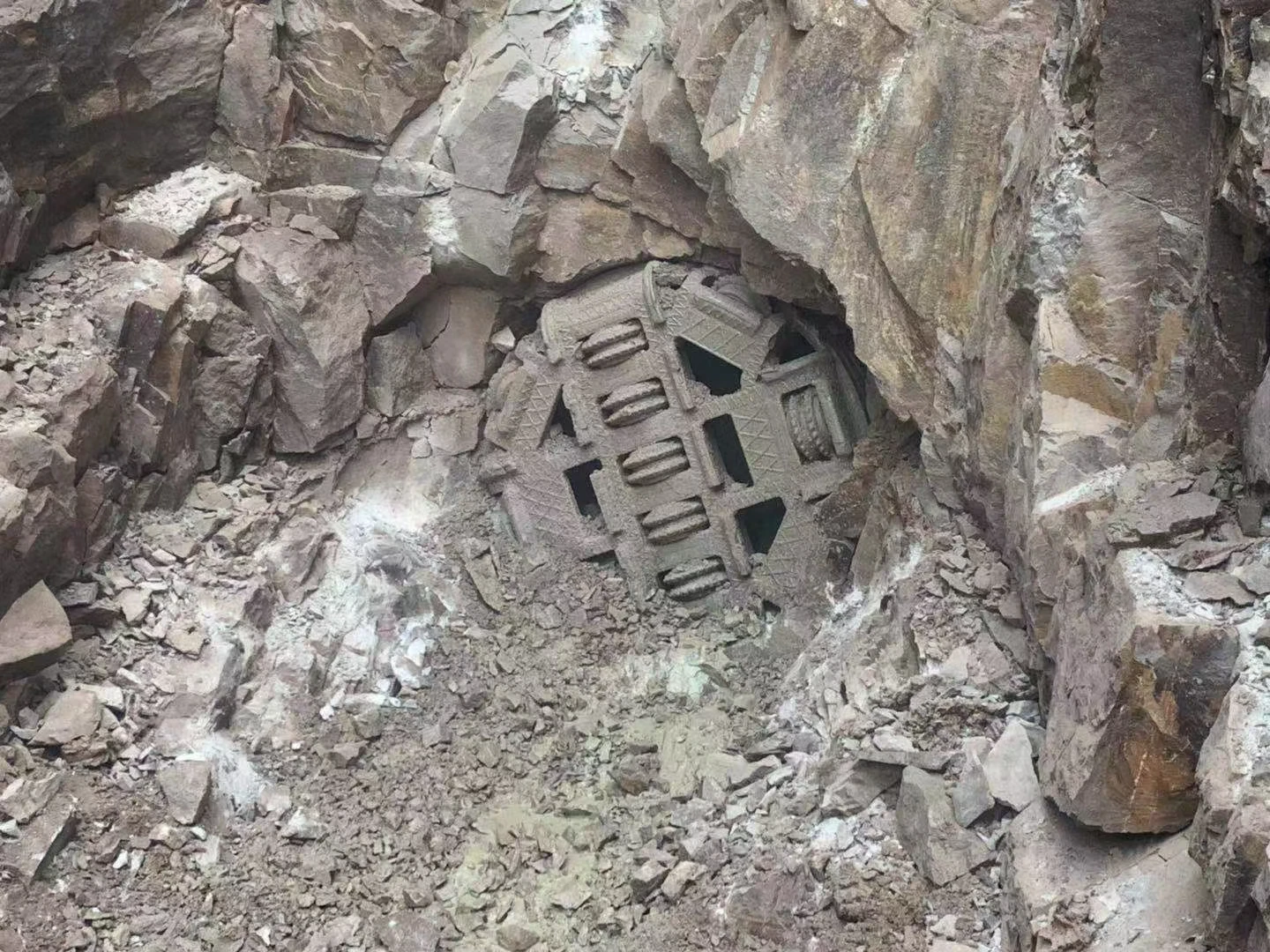
Tunnel radius changes how much space you need. If you use a small radius, you need less room for shafts. This helps you fit your project into tight spaces. Small radius means you do not need wide shafts or big work areas. You can use a Microtunnelling Machine or a TBM tunnel boring machine to make curvy tunnels. These curvy tunnels help you follow the path you want and disturb less ground.
Tip: A small radius keeps your project area small. You do not have to move much soil. This helps keep people and animals safe.
Here is a table that shows how tunnel radius affects the site:
|
Parameter |
Description |
|---|---|
|
Tunnel Radius |
Changes how big the shafts are and how much space you need. |
|
Radial Displacement |
Smaller radius means less movement in the tunnel lining. This keeps the site stable. |
|
Curvilinear Profile |
Lets you follow curves and avoid things in the way. This reduces land take. |
A small radius helps your microtunneling project fit in cities. You can build in places with little space because you do not need much land.
Shaft Depth and Surface Disruption
You can control how deep the shafts go with a small radius. This helps you not bother the surface too much. Microtunneling lets you dig only where you need to. You do not disturb the ground above very much. Sinking caisson shafts make your system strong. They help push against the tunnel boring machine and keep the shafts safe.
-
You can change shaft depth based on tunnel radius.
-
You can use intermediate jacking stations to keep the tunnel straight.
-
You can lower risks from dewatering and vibrations in small radius tunnels.
If you make the shafts less deep, you do not have to dig as much. This keeps the surface safe and helps the environment. You can keep traffic moving and avoid loud noise in busy places. Small radius means you dig less and bother the ground less.
Urban Advantages and Minimizing Boundaries
Small radius gives you many benefits in cities. Microtunneling lets you work in urban areas without big problems. You can fit your project into small spaces and not close roads or move buildings.
-
You can keep soil from moving and stop erosion.
-
You can save water and keep it clean.
-
You can use less heavy equipment and lower your carbon footprint.
-
You can make less noise and air pollution in the city.
A small radius helps your microtunneling project be safe for the environment and people. You can build with less harm and more success.
Benefits of Small Radius
Cost Savings and Permitting
When you pick small diameter tunneling, you can save money in many ways. You do not need as much land, so you pay less to set up and fix the site. You also spend less on things like traffic control and moving utilities. Small diameter tunneling lets businesses and homes stay open while you work. This means you do not lose time or money from closed roads or shops.
-
You help the environment, so you pay less for cleanup.
-
You can work faster in cities, so your project costs less than old ways.
-
You use small launch and receiving shafts, so you need less space on top.
Getting permits is easier with small diameter tunneling. You do not bother the ground as much, so you keep roads and buildings safe. City leaders like this because people can keep doing normal things. You also follow environmental rules more easily, so you do not wait long for approval. Less noise, dust, and air pollution help you get permits faster.
Community Impact and Project Delivery
Small diameter tunneling is good for the community. You use smaller shafts, so you do not bother people as much. People can still walk on sidewalks and drive on streets. You also make less noise and dust, so the area stays clean and safe.
-
You keep ground movement small, about 25 mm, so buildings are safe.
-
You use trenchless methods, so you do not dig big holes or make a mess.
-
You can use a demolition robot for shaft access, which keeps workers safe.
Small diameter projects finish faster because you do not dig big holes or move a lot of dirt. You finish projects on time and do not have many delays. CEGC’s solutions for small diameter tunneling help you plan, get permits, and build with less risk and more success.
If you pick a small radius, you use less land for your microtunneling project. This makes it easier to work in small spaces. It also helps keep nature safe. If you need help or want the right tunnel machine, you can contact CEGC. They will help you plan and finish your project.
FAQ
What is the main benefit of using trenchless installation methods for microtunneling?
You do not disturb the ground as much. Trenchless installation methods let you keep roads open. They also help protect nature during your flooding protection program.
Can I use microtunneling for a storm sewer system?
Yes, you can use microtunneling to make a storm sewer system. This method works well for your flooding protection program in busy cities.
How does a small radius help my flooding protection program?
You use less land and finish work faster. A small radius lets you put in pipes for your flooding protection program with less trouble for people nearby.


