
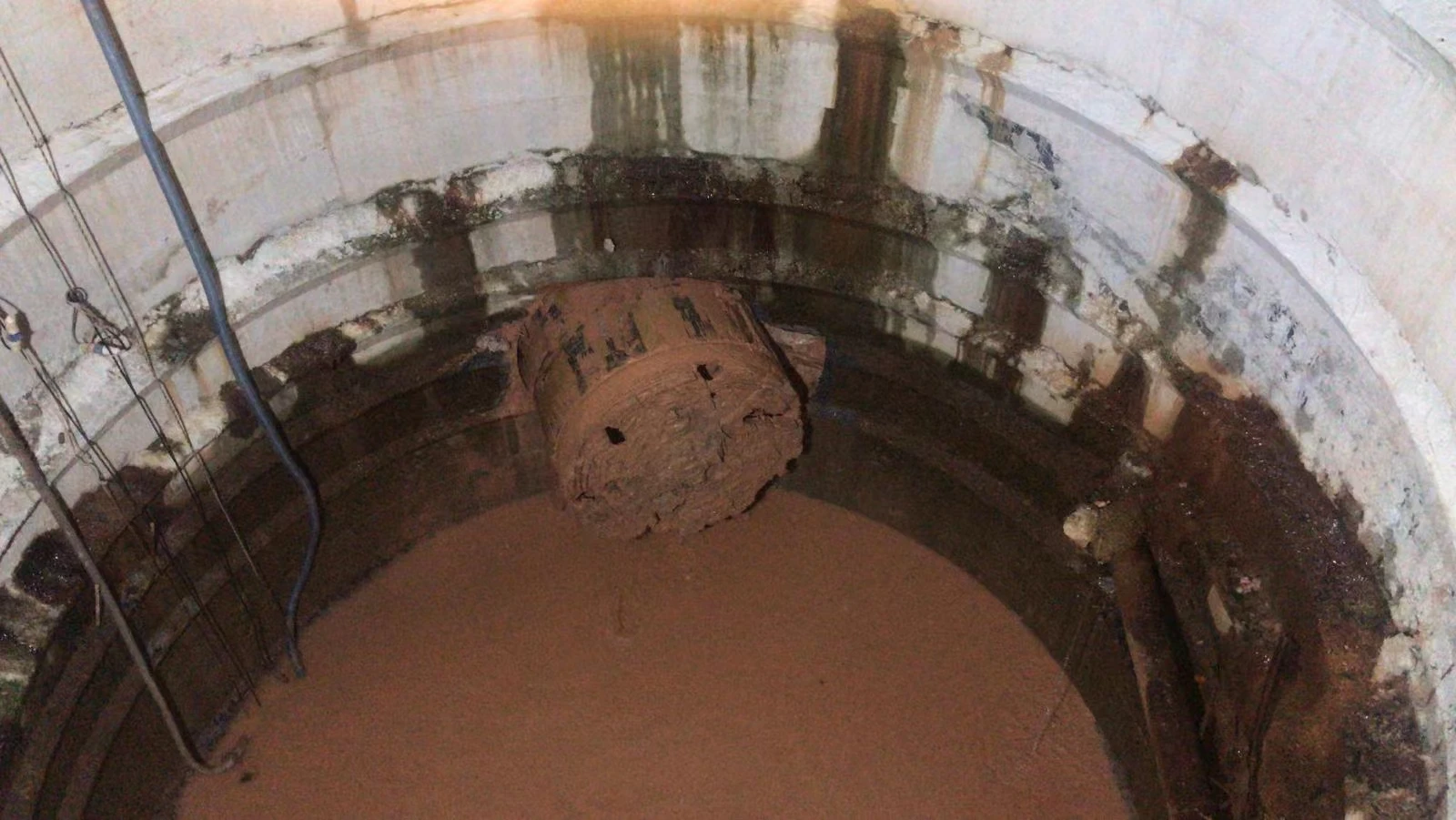
Curved drives stress joints in micro tunneling pipelines, leading to increased challenges during installation. When these curves are present, odd angles, pushing force, bending stress, and the use of stiff materials all contribute to higher risks for the pipeline. Many engineers confuse microtunneling and pipe jacking, but in reality, a Microtunnelling Machine is typically used for most pipe-jacking projects. CEGC provides expert guidance to help you understand and manage the stresses that curved drives place on pipeline joints.
-
The main causes of joint stress in micro tunneling pipelines include:
-
Odd angles
-
Pushing force
-
Bending stress
-
Stiff materials
-
Key Takeaways
-
Curved drives put more stress on joints in micro tunneling pipelines because of strange angles and pushing forces. Knowing about these stresses helps people plan safer installations.
-
Picking the right joint design and pipe material can lower stress a lot. Flexible joints and good materials help the pipeline handle curves better.
-
Watching the installation in real time is very important. It helps find problems early and keeps the pipeline safe and working well for a long time.
Definitions and System Distinctions
Microtunneling vs. Pipe Jacking
People sometimes mix up microtunneling and pipe jacking, but they are not the same. Pipe jacking is when pipes are pushed through the ground with hydraulic jacks. Microtunneling uses a tunnel machine that is controlled from outside the pipe. The machine digs the soil and helps move the pipe forward. No one needs to go inside the pipe during microtunneling, so it is safer and more exact.
Here is a simple table that shows the main differences:
|
Feature |
Microtunneling (MT) |
Pipe Jacking (PJ) |
|---|---|---|
|
Entry Method |
Non-man-entry |
Man-entry |
|
Diameter Range |
Up to 914 mm (36 in) but used for all sizes |
Traditionally larger than 914 mm (36 in) |
|
Equipment |
Uses lower jacking forces, various materials |
Requires higher jacking forces, limited materials |
|
Soil Conditions |
Favors wet sand and sandy clay |
Favors sandy clay but can handle others |
|
Tunneling Method |
Remote-controlled operations |
Hand or mechanical means |
|
Applications |
Suitable for marine and water crossings |
General underground installations |
CEGC’s engineers help you pick the best method for your project. They explain the differences so you can choose wisely.
Role of Tunnel Machines
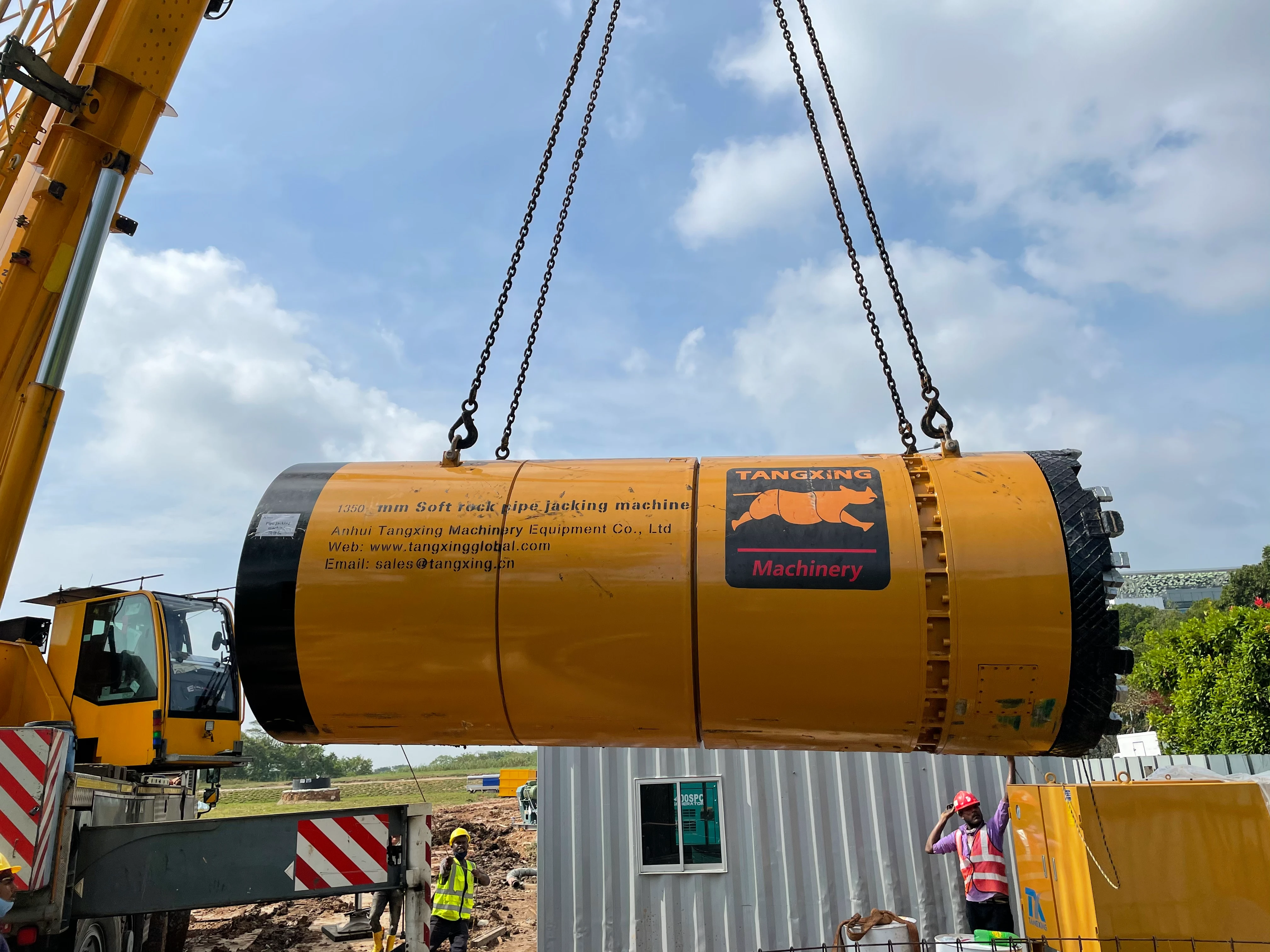
Tunnel machines are important for both microtunneling and pipe jacking. You might use a Microtunnelling Machine, a TBM tunnel boring machine, or an auger boring machine. Each machine moves soil and pipes in its own way. When pipelines have curves, tunnel machines with special joints can make the joints feel uneven pressure. This uneven pressure puts more stress on the joints and can cause damage. You can lower these risks by using strong joint designs and pressure transfer rings. CEGC helps you choose the right tunnel machine and joint solutions for your project.
Curved Drives Stress Joints in Micro Tunneling Pipelines
Eccentric Angles and Axial Forces
Curved drives put stress on joints in micro tunneling pipelines because the pipe has to bend underground. When pipes go around a curve, the joints do not match up perfectly. This makes odd angles at each joint. Eccentric loading happens when the force pushes at an angle instead of straight. This is common in microtunneling.
-
Articulated joints move the load, which adds more stress.
-
Pressure transfer rings can lower this stress, but not remove it all.
-
Sideways forces push on the jacking pipes, so damage can happen.
Hydraulic joints are important for moving jacking forces safely from one pipe to another. These joints act in a way you can predict, so you know how stress moves through the pipe. Pressure transfer rings help lower the angled force, which happens a lot with articulated joints. Studies show that odd angles at pipeline joints cause stress that is not even. This can make the pipe weaker when you install it. You need to watch how stress spreads in curved drives to keep your pipeline safe.
Bending and Shear Stress at Joints
Curved drives add more bending and shear stress to joints in micro tunneling pipelines. When pipes go through a curve, they bend at each joint. This bending adds extra stress. Shear stress happens when the pipe tries to slide at the joint. Both bending and shear stress get worse if the curve is tighter.
The jacking force acts as an angled load. Joint movement changes how the pipe takes this force. You see uneven stress along the pipe and more stress at the joints. When the joint moves more, the stress spreads up and down near the joint. This causes higher pulling stress and strain that does not go back to normal. The way stress moves across pipe pieces drops because of joint movement. How much it drops depends on the curve. Pulling stress and strain build up at the middle of the pipe. If you push harder or make the curve tighter, these stresses get worse.
|
Failure Mode |
Key Insight |
|---|---|
|
They help control stress in curved pipelines |
|
|
Wood material can cause damage |
Wood pipes may break under high force |
|
Increased contact area reduces point loading |
Hydraulic joints spread the force out |
|
Real-time monitoring prevents damage |
Hydraulic joints act as sensors |
You need to check jacking forces as you work. Hydraulic joints can help you do this. They work like sensors and show if the force gets too high. If you use the right tunnel machine, like a Microtunnelling Machine, TBM tunnel boring machine, or auger boring machine, you can lower the chance of damage.
Impact of Pipe Material and Drive Length
Curved drives put even more stress on joints in micro tunneling pipelines if you use stiff materials or longer drives. Concrete pipes are strong but do not bend much. When you push them through a curve, they cannot flex. This makes the stress at the joints higher. If you use flexible materials, the pipe can handle curves better.
Longer curved drives add more stress to the joints. The more pipes you push through a curve, the more stress builds up. This is a bigger problem for concrete pipes. You need to think about the material and the drive length before you start. If you use a tunnel machine that fits your job, you can lower the risk. Microtunnelling Machine systems are good for long drives and hard ground. TBM tunnel boring machines and auger boring machines also help spread out the stress.
Tip: Always check the pipe material and drive length before you start a curved microtunneling job. This helps you stop joint failure and keeps your pipeline safe.
Curved drives put stress on joints in micro tunneling pipelines because of odd angles, pushing force, bending, and stiff materials. You need to know how stress spreads and pick the right tunnel machine for your job.
Managing and Reducing Joint Stress
Joint Design and Material Selection
You can lower joint stress in curved microtunneling pipelines by picking the right joint design and pipe material. Flexible joints, like F-type socket joints, let the pipe move a little. This movement helps when the jacking pipe bends around curves. How the pipe touches the soil also matters. If there is less force between the pipe and soil, the pipeline is safer.
|
Joint Type |
Impact on Stress Reduction |
|
|---|---|---|
|
F-type socket joint |
Flexible waterproof joint with low bending stiffness |
Reduces stress by allowing flexibility in curves |
|
Pipe-soil contact |
Key parameter during jacking pipe installation |
Lower interaction force improves safety |
You should pick pipe materials that fit your project. High-modulus fiberglass-reinforced CIPP is strong and does not need to be thick. Epoxy systems last a long time and do not get damaged by chemicals. Thermoplastic pipes, like HDPE, PVC, and PP, need thicker walls to stay strong. Heat and chemicals can change how thick the pipe should be.
-
High-modulus fiberglass-reinforced CIPP does not need to be thick.
-
Epoxy systems last longer and resist chemicals.
-
Thermoplastics need thicker walls to stay strong.
-
Heat and chemicals can change pipe thickness and strength.
Installation Accuracy and Monitoring
You must install the jacking pipe very carefully to keep joints safe. Good joint design uses steel bands or collars to make the pipe stronger. Hydraulic joints let the pipe bend more at the joints, which helps in tight curves. Joints must keep out water and soil. Automated pipe installation systems help you work faster and better.
|
Evidence |
Description |
|---|---|
|
Good Joint Design |
Steel bands or collars keep the jacking pipe strong |
|
Hydraulic Joints |
Allow larger joint articulation angles |
|
Sealing Capability |
Joints seal against water and soil |
You should watch the jacking pipe during and after you put it in. Hydraulic joints help the pipe bend more and fit tight curves. You need to check fluid pressure and joint gap width all the time. Real-time checks help you find problems early and keep the pipe safe.
-
Hydraulic joints let the pipe bend more at the joints.
-
Checking fluid pressure and joint gap width is important.
-
Real-time checks help you find problems early.
-
Field checks show how much stress is on the pipe.
Integrated Solutions by CEGC
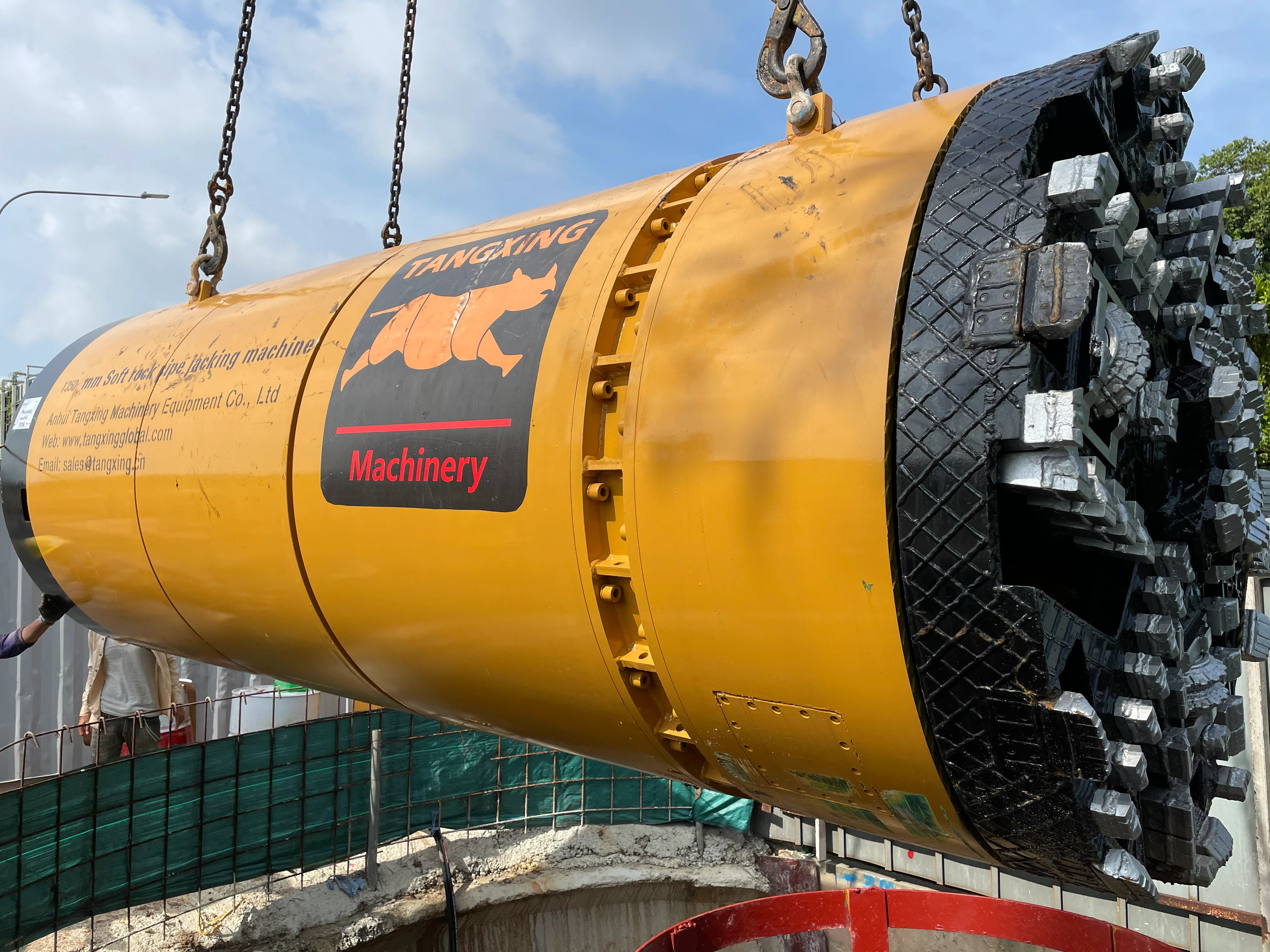
CEGC gives you systems for pipe-jacking and microtunneling jobs. These systems put the tunnel machine, jacking pipe, and guidance tools together. You get better control over how the joints move and how stress is managed. CEGC’s systems help you avoid mistakes, like V-shaped joints or using too much force. Their systems help you work safer and faster.
|
Project Name |
Location |
Date |
Description |
|---|---|---|---|
|
Foshan Xuda Power Tunnel Project |
Foshan City, Guangdong |
September 2025 |
Finished a 1,148-meter jacking pipe section, showing the technology works well. |
|
Huanbei Guangdong Project (Section D4) |
Guangdong Province, China |
November 2025 |
Put in jacking pipe between two shafts, showing the system is efficient. |
You can ask CEGC for advice on your project. Their experts help you pick the best jacking pipe, joints, and monitoring tools. This makes your pipeline safer and more reliable.
Curved drives make joints in microtunneling pipelines feel more stress. This happens because friction and pushing forces get higher. When the soil is rough, the pipe rubs more and needs more force to move. You can keep your pipeline safe by using good design and installing it carefully. Watching the pipeline in real time also helps stop problems. CEGC gives you help from experts, special machines, engineering support, and training.
|
Benefit Type |
Description |
|---|---|
|
Expert Technical Consulting |
Help with planning, picking machines, and making work better. |
|
Customized Equipment Manufacturing |
Special machines for tunneling, ports, and mining jobs. |
|
Trenchless Engineering Support |
Help for HDD, pipe jacking, and microtunneling jobs. |
|
Comprehensive Training Programs |
Training for how to use, fix, and stay safe with machines. |
FAQ
Is microtunneling always part of a pipe-jacking project?
No, it is not always used. You can pick other tunnel machines for short or straight drives. An auger boring machine is one example. Microtunneling works best for long, curved, or tricky projects.
Can you use a third-party jacking frame with a CEGC Microtunnelling Machine?
You can use a third-party jacking frame if you want. But you get the best results with a full CEGC system.
Which method works better for a 200 m gravity-sewer installation?
-
You should pick a Microtunnelling Machine for a 200 m gravity-sewer.
-
It gives you better accuracy and keeps people safer on long, curved drives.


