
You might see that a TBM machine curve may need special segment planning. This is necessary for shape, machine, and safety reasons. The table below explains why:
|
Reason Type |
Description |
|---|---|
|
Geometric |
Tapered segments make angles to help navigate around curves. |
|
Mechanical |
Universal rings allow parts to move easily, making curves more manageable. |
|
Safety |
Smart segment shapes assist TBMs in steering effectively and maintaining tunnel safety. |
A TBM machine curve may need special segment planning when utilizing different tunnel machines. A Microtunnelling Machine is ideal for remote-controlled jobs, while an auger boring machine is best suited for straight, dry tunnels. A TBM machine curve may need special segment planning because each machine handles curves in its own unique way. It is important to understand that a TBM machine curve may need special segment planning to ensure the tunnel remains strong and safe. CEGC has extensive experience with this. You will find that a TBM machine curve may need special segment planning in many projects.
Key Takeaways
-
Special segment planning is very important for TBM machine curves. It helps keep the tunnel safe and strong. Using tapered and universal segments lets TBMs move through curves easily. This lowers the chance of the tunnel getting out of line or damaged. Quality control during building keeps segments in place and stops leaks. This makes sure the tunnel works well for a long time.
Why a TBM Machine Curve Needs Special Segment Planning
Geometric and Mechanical Challenges
Planning curves for tunnel boring machines is tricky. TBMs must steer through curves without losing their path. They also must avoid damaging segments. The shield length and lining shape decide how sharp the curve can be. Longer shields need wider curves. Shorter shields can turn tighter. The ground type changes how TBMs move. Soft ground lets TBMs steer easily. Hard rock needs more direct turns.
Curves put extra stress on tunnel lining segments. When TBMs go around curves, compressive and tensile stresses get higher. These stresses are much bigger than in straight tunnels. The yaw angle makes the ground settle more. It also causes uneven movement sideways. Special segment planning helps handle these loads. It keeps the tunnel safe.
Here is a table showing how geometric limits affect TBM segment design:
|
Factor |
Impact on Design |
|---|---|
|
Longer shields need wider curves to stop tail and lining from interfering. |
|
|
Segmental lining geometry |
Precast rings have limits; connectors and gaskets set how much you can bend. |
|
Ground type |
Soft ground allows easier steering; hard rock needs more direct turns. |
|
Thrust capacity and ground reaction |
Weak support for grippers makes steering harder. |
|
Urban metro TBMs |
Minimum curve radius is hundreds of meters; some TBMs can go below 100 meters. |
|
Hard-rock TBMs |
Sharper bends are possible, but alignment is harder. |
Tunnel lining must work well under different loads:
|
Aspect |
Description |
|---|---|
|
Stress and strain in lining during building under main loads. |
|
|
Dynamic Performance |
Segment lining under earthquake loads, comparing two types. |
|
Seismic Vulnerability |
Fragility curves for damage, risk checks for key factors. |
Tunnel Alignment and Segment Fit
TBMs must stay on the planned path in curves. Shield jacks and guidance systems help TBMs steer. If segments are not planned well, misalignment can happen. Misalignment can cause cracks and tunnel failures. Universal rings and tapered segments help TBMs fit the curve. These segments keep TBMs aligned and stop gaps between rings.
Segment joints must be sealed tightly. Curves make sealing joints harder. If you do not control things closely, water can leak through bad joints. Shield articulation is more complex in curves. Segment placement must be watched and the TBM guidance system adjusted often.
Here is a table showing mechanical stresses in curved and straight tunnels:
|
Stress Type |
Curved Tunnel |
Straight Tunnel |
|---|---|---|
|
Circumferential Compressive Stress |
Higher |
Lower |
|
Axial Tensile Stress |
Higher |
Lower |
|
Axial Compressive Stress |
Higher |
Lower |
|
Surface Settlement |
Bigger |
Smaller |
|
Horizontal Displacement |
Uneven |
Even |
Risks of Standard Segments in Curves
Using standard segments in curves brings risks. Segments can get damaged from misalignment. Cracks and failures may happen. Uneven loading and higher stress hurt key tunnel segments. TBM attitude deflection can move segments out of place. This weakens the tunnel.
Tip: You can lower these risks by using special segment planning and monitoring. Strain sensors and full-scale tests help check loading effects. Finite element analysis helps design segments for tough loads.
Shield articulation and segment joint sealing are hard in curves. Keeping alignment is tougher. Joints need careful sealing. Curves can cause misalignment, which leads to leaks and structural issues.
CEGC knows how to solve these problems. CEGC engineers use guidance systems and segment planning to keep TBMs on track. You can trust CEGC for better tunnel alignment, segment fit, and safety.
Segment Design and TBM Curve Construction Methods
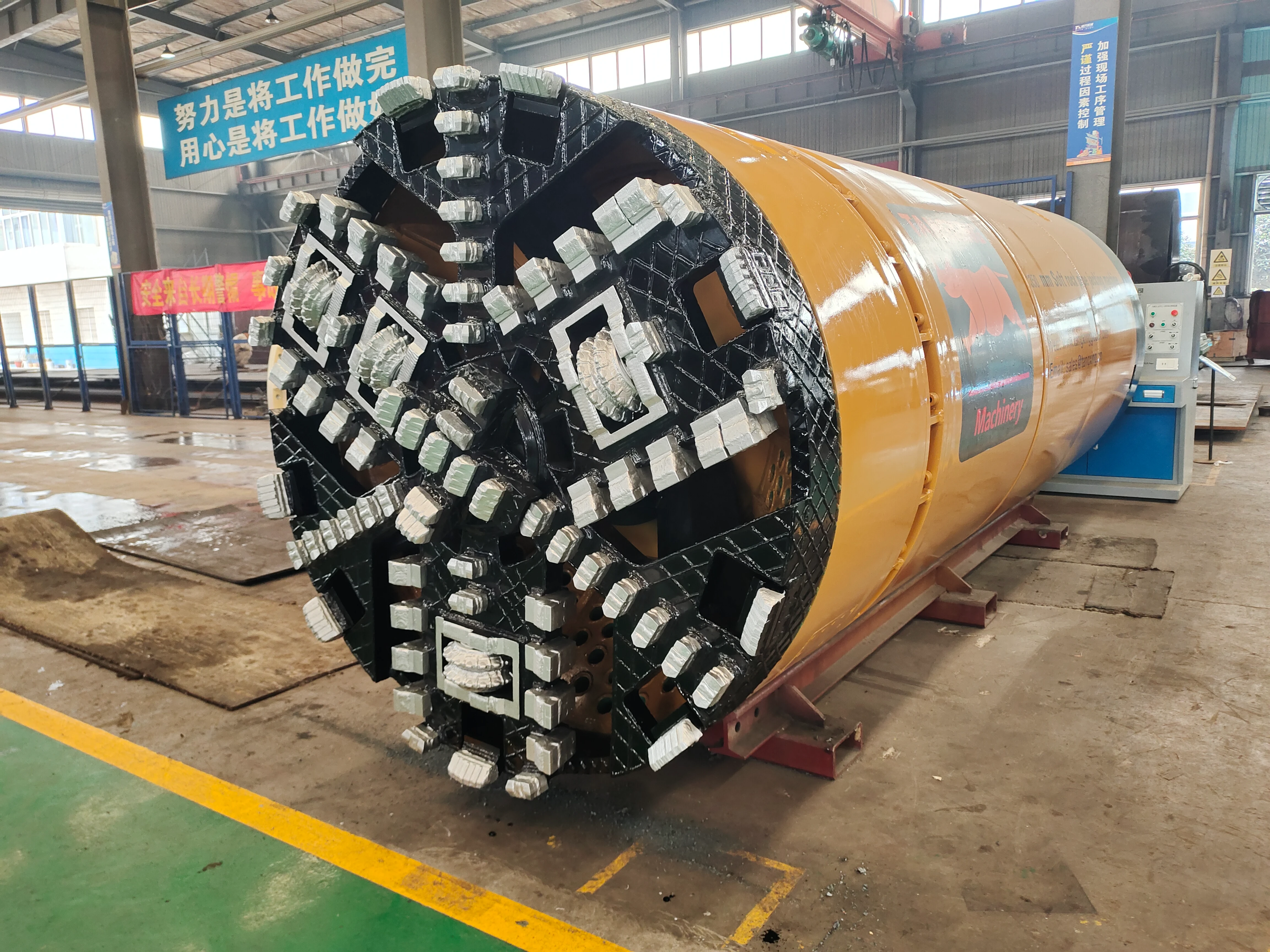
Tapered and Universal Segment Types for Tunnel Boring Machines
Segment design is very important for curved tunnels. TBMs use two main segment types for curves.
-
Tapered segments look like wedges. This shape helps the tunnel ring fit the curve. A 55mm taper can handle a curve of 170 meters. If the TBM moves off its path, the taper lets you fix the ring easily. This design saves money and makes building faster.
-
Universal segments are used in shield tunneling. These segments fit anywhere in the ring. You can put them in different spots. This helps TBMs handle curves. This flexibility makes building easier and faster.
You must pick the right segment type for your project. The right choice keeps TBMs on track and makes the tunnel strong.
Segment Installation and Guidance Systems in TBM Curves
TBMs use guidance systems during building. These systems help keep the machine on the planned path in curves. You use tools like laser stations, total stations, gyros, and inertial navigation. These tools check the TBM’s position and attitude all the time.
|
Guidance System Component |
Description |
|---|---|
|
Laser Station |
Tracks the TBM’s position every 10 seconds for precise control. |
|
Double Zigzag Traverse |
Improves error detection by increasing control station visibility. |
Curved drives need better navigation than straight drives. Pipe joints must handle extra stress and movement. Hydraulic joints help TBMs turn tighter curves. Stronger jacking pipes support the extra loads during building.
Quality Control and Safety in Curved Drives
You must follow strict quality control in curved tunnel building. TBMs need careful watching to keep segments in the right place. You should check sizes, segment placement, and grouting completeness.
|
Quality Control Measure |
Description |
|---|---|
|
Makes sure segments are built to the right size for strength. |
|
|
Segment Installation |
Focuses on placing segments correctly to avoid misalignment. |
|
Grouting Completeness |
Checks that grout fills all gaps to stop leaks and keep the tunnel stable. |
|
Strict Quality Control Protocols |
Ensures all steps meet high standards during alignment and grouting. |
CEGC uses these methods to help build safe tunnels. You can trust CEGC for expert help in TBM building, even in tough curves.
Operational Challenges and Solutions for TBM Curves
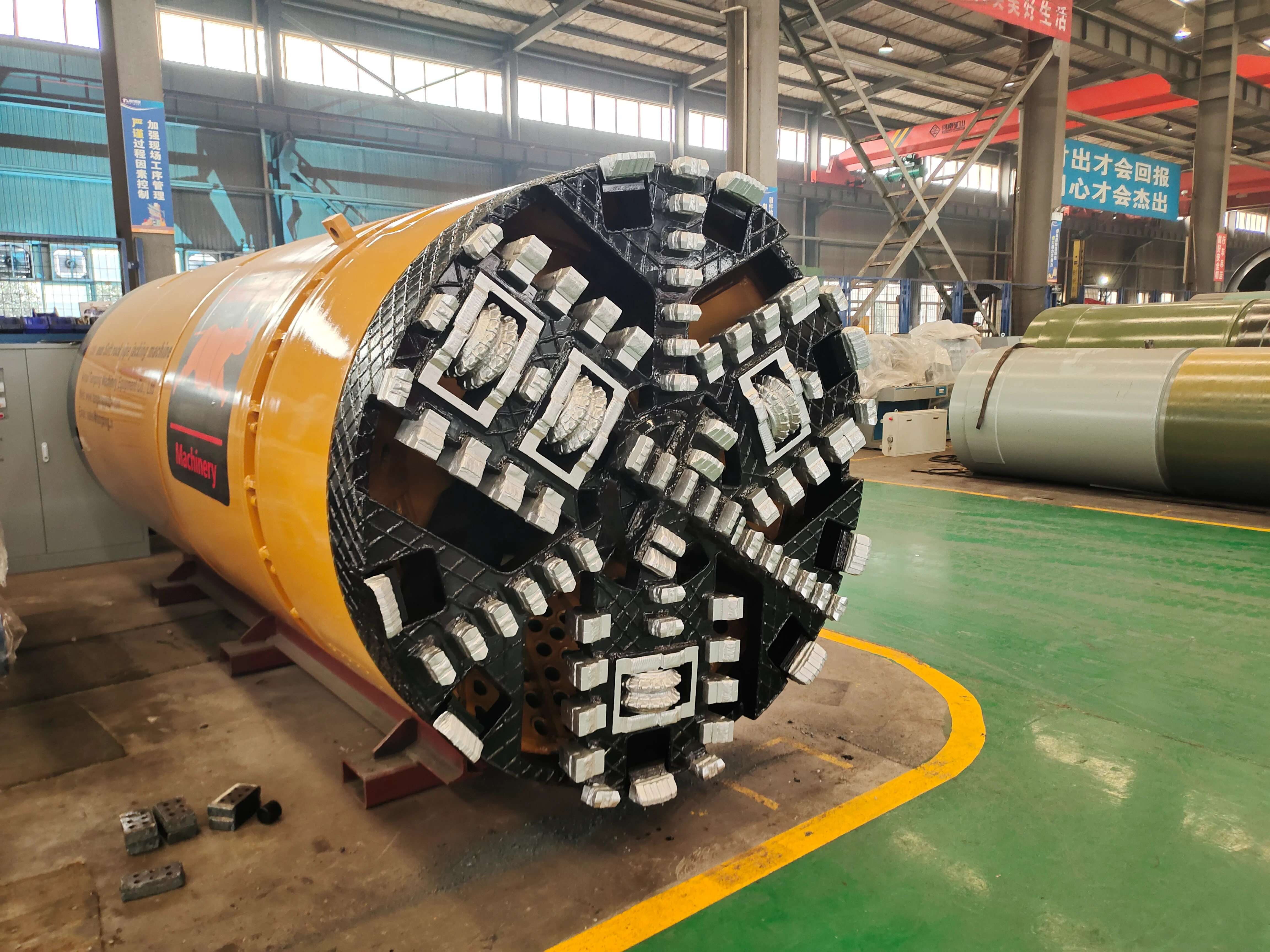
Coordination of TBM Guidance and Segment Erection
Building a tunnel curve with a TBM tunnel boring machine is hard. You have to control thrust forces so the TBM works well. You also need to stop jamming, which can break the machine. Sometimes, the ground changes in ways you do not expect. This can slow down the work. The table below lists some common problems:
|
Challenge |
Description |
|---|---|
|
Managing thrust forces |
You need real-time monitoring to keep the TBM working well in curves. |
|
Preventing jamming |
Jamming can stop progress and damage the machine. You need warning systems. |
|
Unexpected geological formations |
Surprises in the ground can slow you down. You must adapt quickly. |
|
Muck handling and disposal |
Moving soil and rock in cities is hard. You need good systems to avoid delays. |
|
Precise steering and alignment |
You must keep the TBM on track. Curves make this harder. |
Shield articulation helps steer the TBM in soft soil. You have to watch the shield’s position to stop ground from sinking. Placing each segment the right way is important. This keeps the tunnel strong and safe.
Integrated guidance systems help the TBM stay on the planned path. These systems use lasers and GPS to check where the TBM is. Automated steering helps make fewer mistakes and makes the job easier.
Real-World Examples of Tunnel Boring Machines in Curves
You can learn from big projects that used TBMs in curves:
-
Bertha TBM in Seattle: This machine built a 1.7-mile tunnel through soft rock and soil. The team faced tough geology and had to adjust their plan.
-
Channel Tunnel Project: Eleven TBMs dug through fault lines and mudstone. The teams kept the tunnels within 150mm of the planned path.
These projects show that planning and good systems help you finish the job, even when it is hard.
Ensuring Long-Term Performance and Safety
You must think about the future when building curved tunnels. The best curve radius for shielded TBMs is 150 to 400 meters. If you need sharper bends, you must use special tools and supports. TBMs steer by making small moves over and over. You have to control reaction forces to keep the tunnel safe.
CEGC’s tunnel machine packages help you with these problems. You get guidance, segment planning, and quality control all together. This keeps your tunnel strong and safe for many years.
You need special segment planning for TBM machine curves. This helps keep the tunnel safe and strong. Good planning stops mistakes and saves money on repairs. CEGC has many ways to help your project:
|
Description |
|
|---|---|
|
Customized Equipment |
Special machines made for your tunnel project |
|
Service Consulting |
Experts give advice for planning and running machines |
|
Jobsite Assembly |
Workers set up and test machines at the site |
|
Trenchless Support |
Help with HDD, pipe jacking, and microtunnelling |
|
Training |
Training for operators and safety |
|
Spare Parts Management |
Fast parts delivery so work does not stop |
You can count on CEGC for full tunnel machine help.
FAQ
Is tbm tunnelling always needed for curved tunnels?
You use tbm tunnelling when you must negotiate curves, especially in sharp urban curves. This method helps you build safe tunnels with circular tunnel segments.
How do tunnel boring machines work in tunneling projects?
You see the cutterhead break the ground. The tunnel guidance system keeps the machine on track. You place segments to support the tunnel as you move forward.
Can you use standard segments for curves?
You should not use standard segments for curves. You need special planning to fit circular tunnel segments and keep the tunnel strong in tunneling projects.


